
Review reported Sunnyvale roof wind damage with marked connections, controlled entry, feasible protection and a supported permanent construction scope.
A displaced roof edge beside an equipment route needs its connection examined before permanent repair is selected. The manager should know which material is loose and which access remains suitable. Commercial Roofing Sunnyvale records the accessible finding on a roof plan, then identifies preparation and receiving work. The correction amount follows that actual detail rather than a general event description.
Regional wind is context. It does not establish the cause of every old joint or surface change at the property.
We keep observed condition, immediate protection and permanent construction distinguishable. A feasible temporary measure has its location and limitations. The supported lasting task describes the receiving boundary and related service responsibilities. That account gives ownership a practical repair list without assuming the first response closes all remaining investigation.
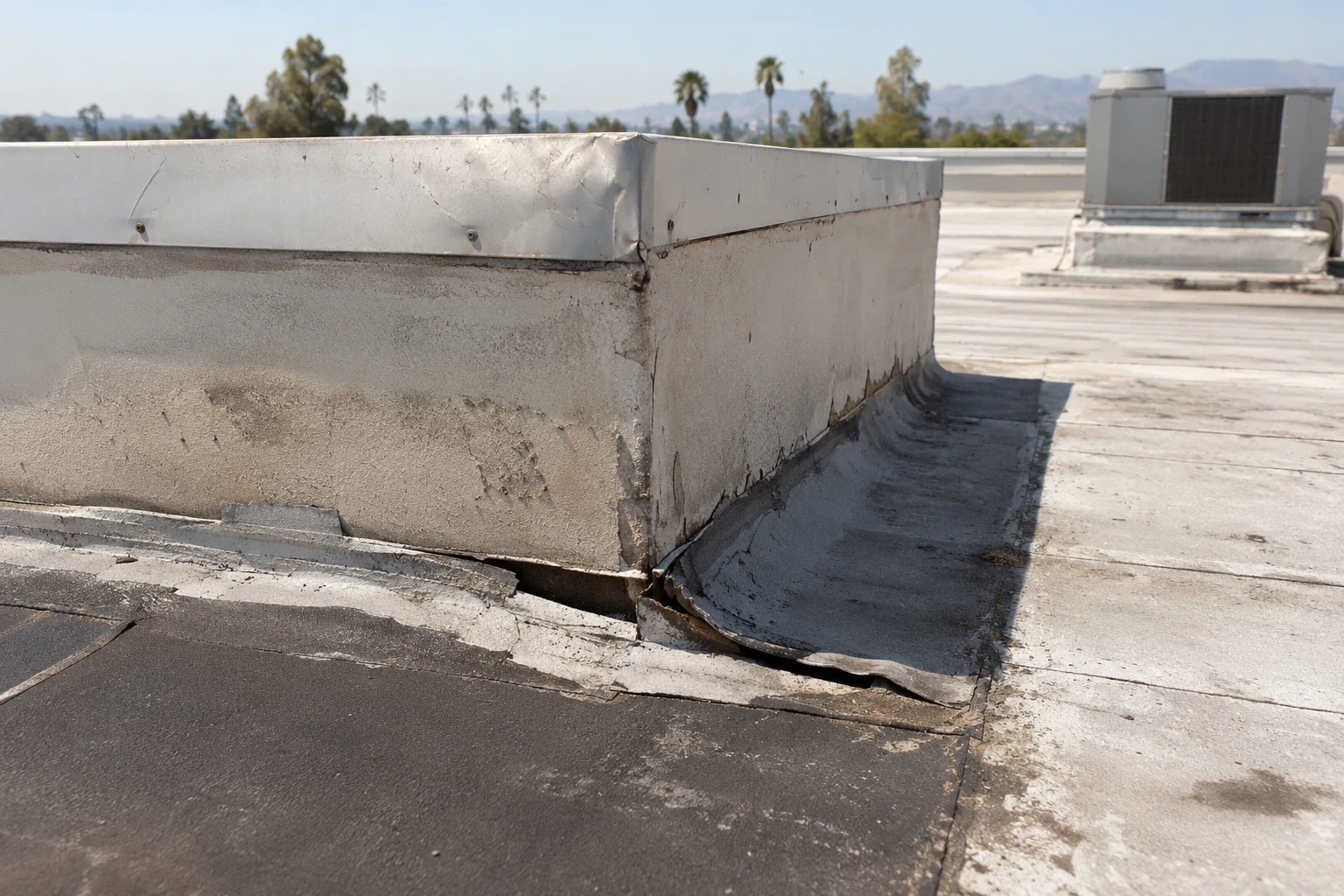
Ask where loose material or an opening was observed and which activity is affected below it. The building representative supplies current access controls with appropriate participants. A familiar roof route can become unsuitable after a changed condition. Do not ask staff to cross unstable construction for closer photographs; keep that area assigned to its necessary review.
Urgent roofing assessment considers feasible measures inside safe authorized entry. Available personnel, actual weather and the assembly affect what can proceed.
For local employment-area orientation, use the actual work address in Peery Park or Moffett Park. The actual premises supply operator restrictions and service clearance. A district description does not establish roof capacity or rights across adjoining land. Confirm the building contact and permitted approach before attendance depends on a general regional reference.
Roof edge metal and coping review records displacement, accessible backing and the connection with adjoining waterproofing. The exposed component alone cannot establish every concealed attachment. Arbitrary extra screws are not a universal correction. Review the actual support and accepted detail before measuring fabrication or selecting permanent restraint.
The new visible piece needs a suitable receiving arrangement. Include supporting reconstruction where the examined condition requires it.
Commercial roof condition examination compares accessible seams, curbs and earlier work around the report. Mark coverage and unexamined positions. A broadly disturbed-looking surface does not independently establish hidden damage throughout the building. The owner should see which observations support the scope and which quantity still needs further evidence.
Photograph the affected joint with enough surroundings for another participant to locate it. A detail measurement needs the actual interface, not a generic dimension from a similar component. Keep the reference with the proposed receiving correction so procurement can review both the fabricated piece and the construction it will join.
After a wind report, inspect the specific edge, coping, flashing or equipment connection that moved. Compare attachment and adjacent material with available roof records, then distinguish a loose component from damage to the supporting receiver. A regional gust account helps plan access but cannot set a universal fastening detail. Where design input is needed, identify the responsible reviewer and keep the permanent repair scope open only to the area supported by that review.
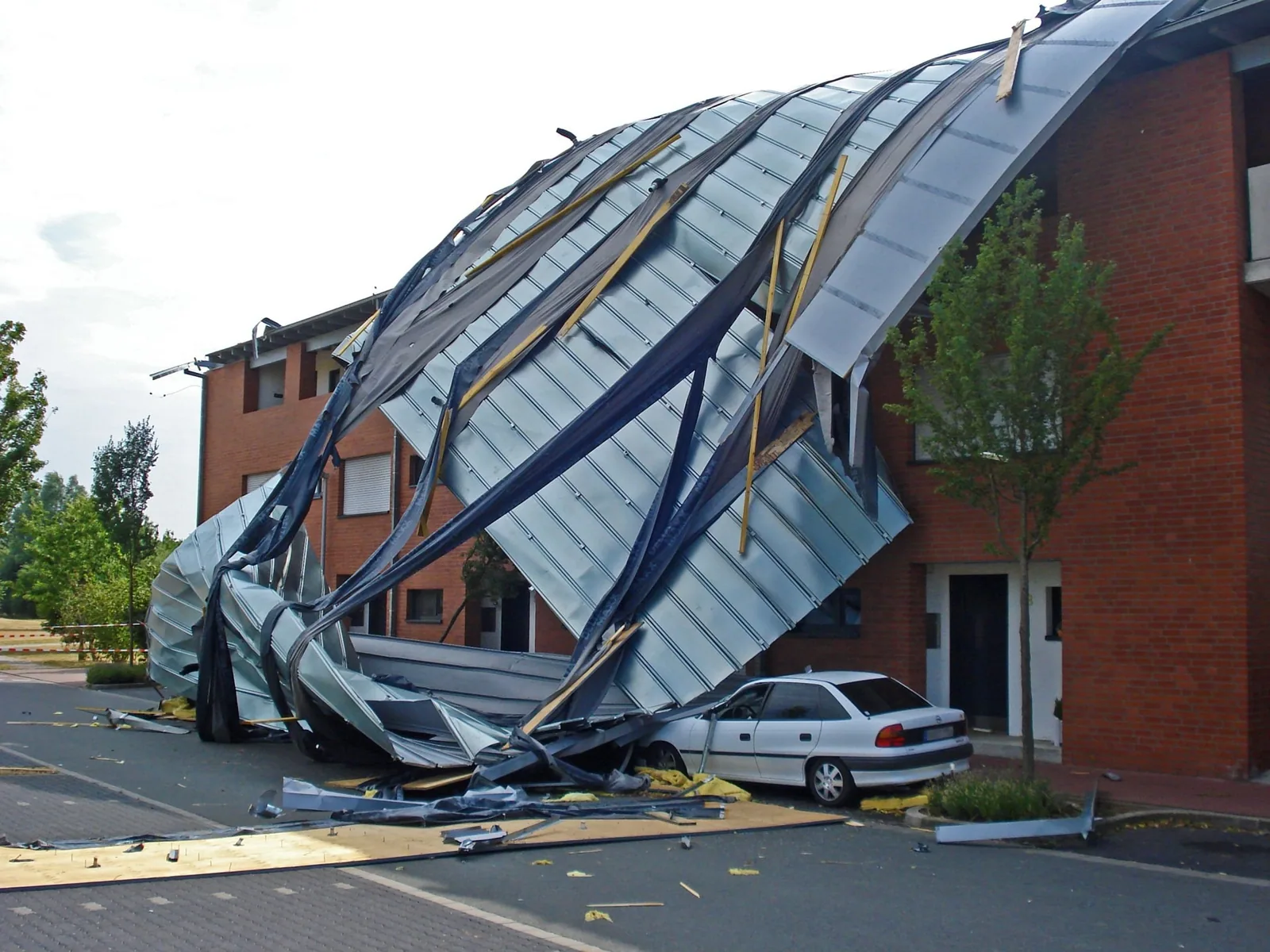
Examine the membrane and material available for a compatible permanent connection. Weathering or prior treatments can change preparation. Where concealed condition affects the choice, define suitable investigation with authorization and closure. A sample supports its local opening; a larger retained-area or removal quantity needs an investigation basis sufficient for the construction boundary proposed.
A thermal pattern near a wind-affected connection needs confirmation before the repair scope treats hidden layers as wet. Keep the method's examined coverage beside the finding.
Commercial roof entry investigation compares interior timing with accessible roof and relevant equipment paths. Water may appear away from its exterior opening. A wind-related defect can require correction without proving the source of every room report. Retain another unresolved enclosure or service question with the participant able to examine it.
Describe any temporary measure by position, purpose and required follow-up. Suitable attachment and compatibility depend on the examined construction. Avoid assigning a fixed storm count as its useful life. The permanent next task remains identifiable, with a contact responsible for revising protection while another review or receiving decision proceeds.
Qualified equipment teams control their service changes with the operator. Roofing staff preserve working intakes and follow the accepted handoff.
Commercial roof correction planning includes preparation and accepted receiving work. A connected flashing failure task retains its own measured detail. Carry the removed material route, waste disposal and protection beneath the wind-repair area beside its measured construction task. Additional removal findings need a marked position, remedy and price effect returned through approval before the quantity expands.
Restricted operating periods can change the boundary or require another setup. Carry that practical method into the estimate. A material allowance should not appear to include a phase arrangement still unresolved with the tenant or equipment team.
Confirm the property authority, accepted application basis and reconstruction scope. Sunnyvale adopts CBC2025 through its municipal provisions, including local and later amendments. Regional wind context does not supply the building's fastening specification. Appropriate qualified participants retain support and other designed decisions before the permanent connection is fixed.
Energy-code obligations have applicable building and work scope, routes and exceptions. Resolve the relevant approach while assembly choices remain open.
For work in the Moffett Park area, obtain the subject property's permitted approach and receiving instructions. Adjoining land needs separate permission. Actual weather, prepared surfaces and selected product requirements govern application readiness. A preferred operator period remains an organizing input rather than acceptance of an unsuitable receiving condition.
Photograph useful receiving preparation before it is concealed, then locate the installed edge or membrane correction under its original reference. Keep products, authorized quantity changes and relevant check coverage together. Identify remaining temporary material and the task that will close it. The finished record should reconcile initial protection with the permanent construction actually accepted.
Roof claim documentation support organizes observations and supported correction amounts. Coverage and payment decisions stay with the insurer and appropriate advisers.
Roof condition reporting preserves excluded concerns and further assessment. Equipment, interior or other acceptance can remain with separate participants. Subsequent reports need new dates and circumstances compared with correction and intervening activity. The next manager can identify completed roofing and the remaining decision without treating the first event account as universal closure.
Keep photographs taken before preparation distinguishable from installation images. Both can use the same roof position while showing different construction states. Follow the owner's evidence instructions where safe and authorized before removal changes a useful observation. The final repair file should let another reviewer understand what was found, what receiving work followed and which connection was accepted, without assigning an unsupported damage cause from the completed surface alone.
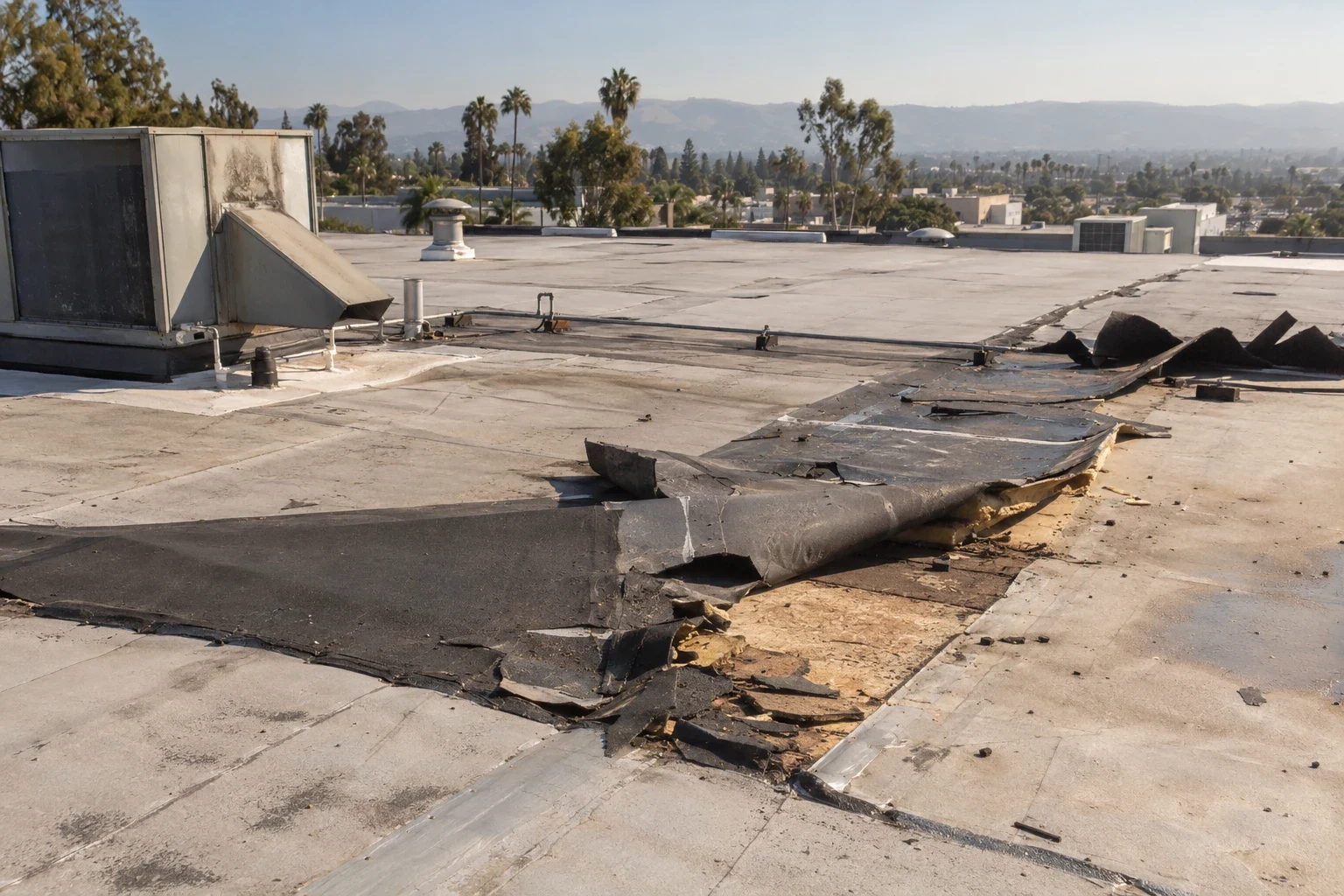
Use current access instructions and relevant qualified reviews. We recommend retaining the affected position, usable approach and another review required before closer entry.
Photograph the lifted or damaged connection beside the adjoining material so the cause assessment follows the physical findings. We recommend keeping observed findings separate from an event-cause interpretation requiring supporting evidence.
Record its specific purpose, limits and follow-up. We recommend retaining the lasting receiving task and acceptance decision as a separate scope.
Mark and measure the added finding with its remedy. We recommend submitting price and protection effects before the authorized work boundary grows.
Provide the affected position and access contact in Sunnyvale. We will organize suitable assessment, feasible protection and a complete permanent repair list for ownership.