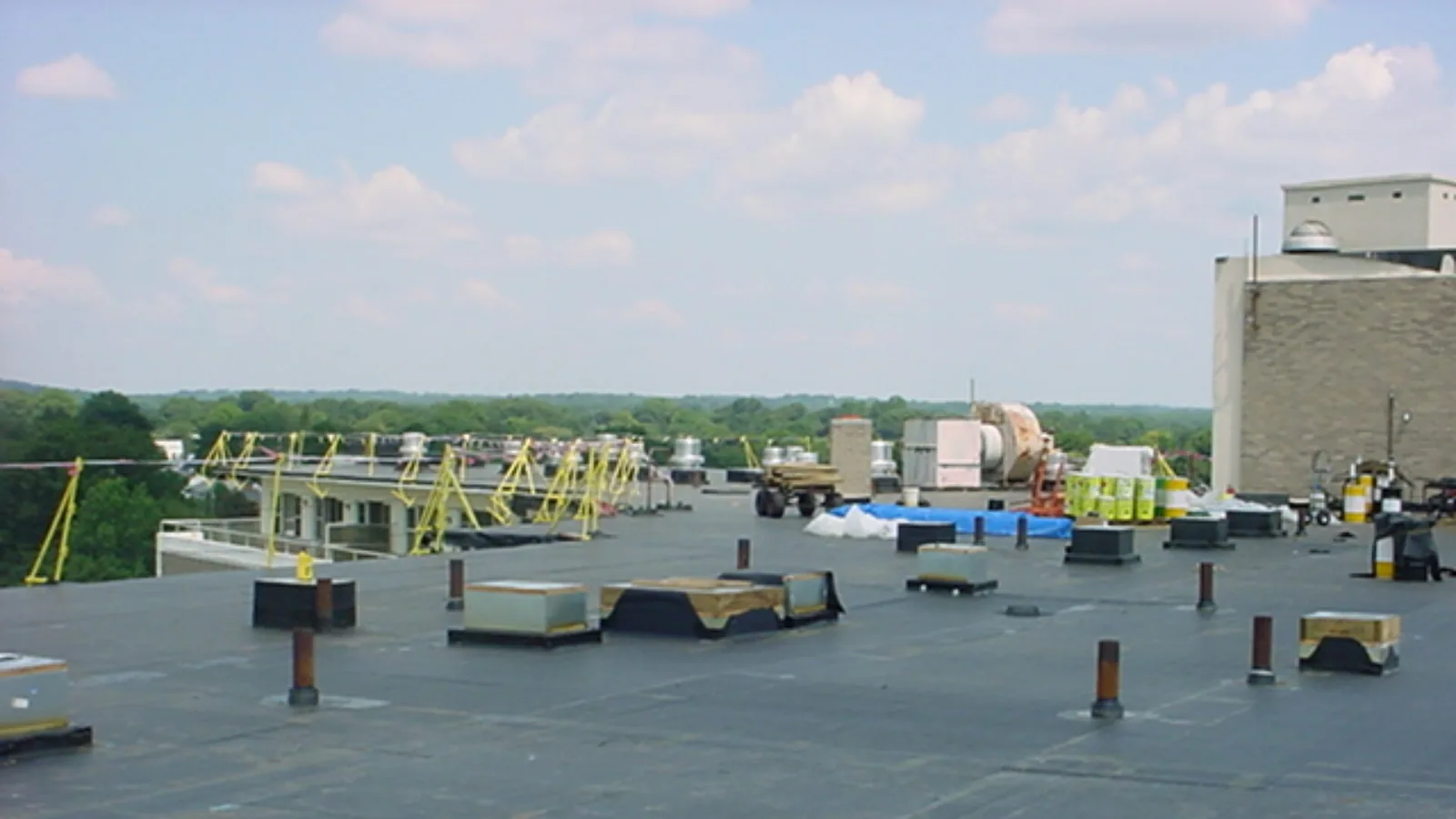
A service ladder, a locked hatch and an equipment shutdown can determine how a roof correction proceeds before any membrane is removed. For commercial buildings in Sunnyvale, CA and nearby communities, Commercial Roofing Sunnyvale confirms those arrangements with the property manager. The roof walk then identifies the installed material and affected details, keeping the work tied to the building rather than a general description of its district.
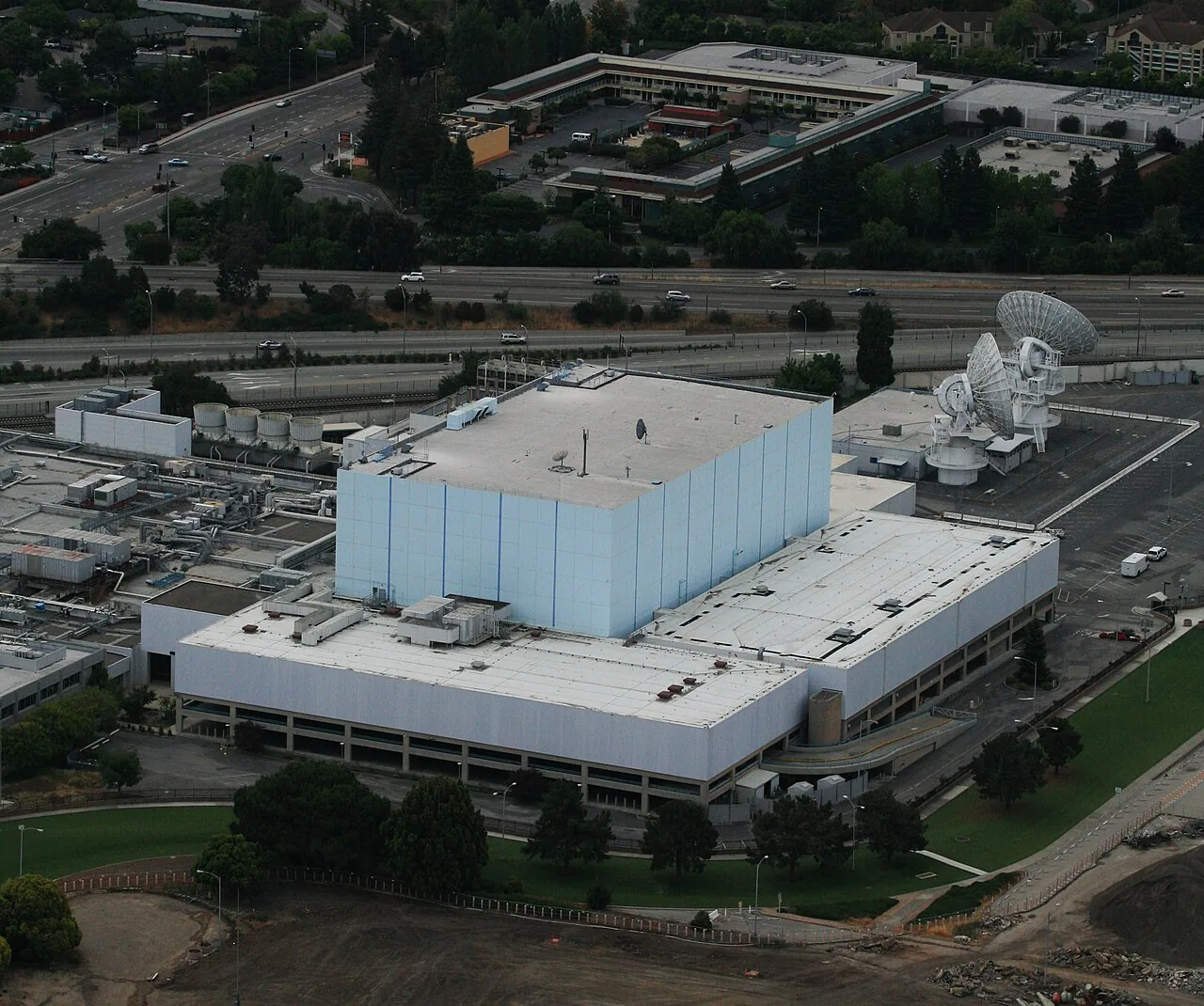
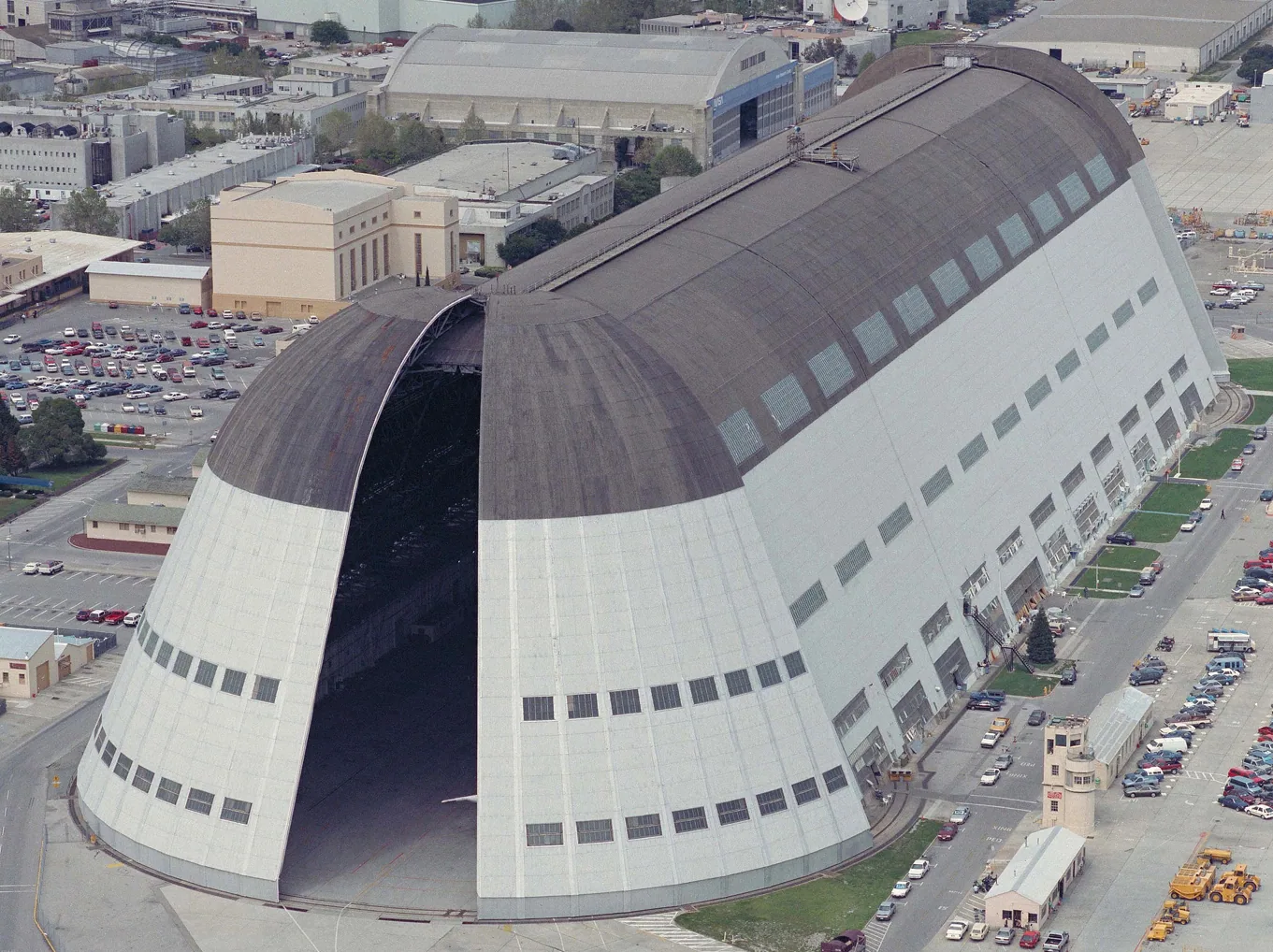
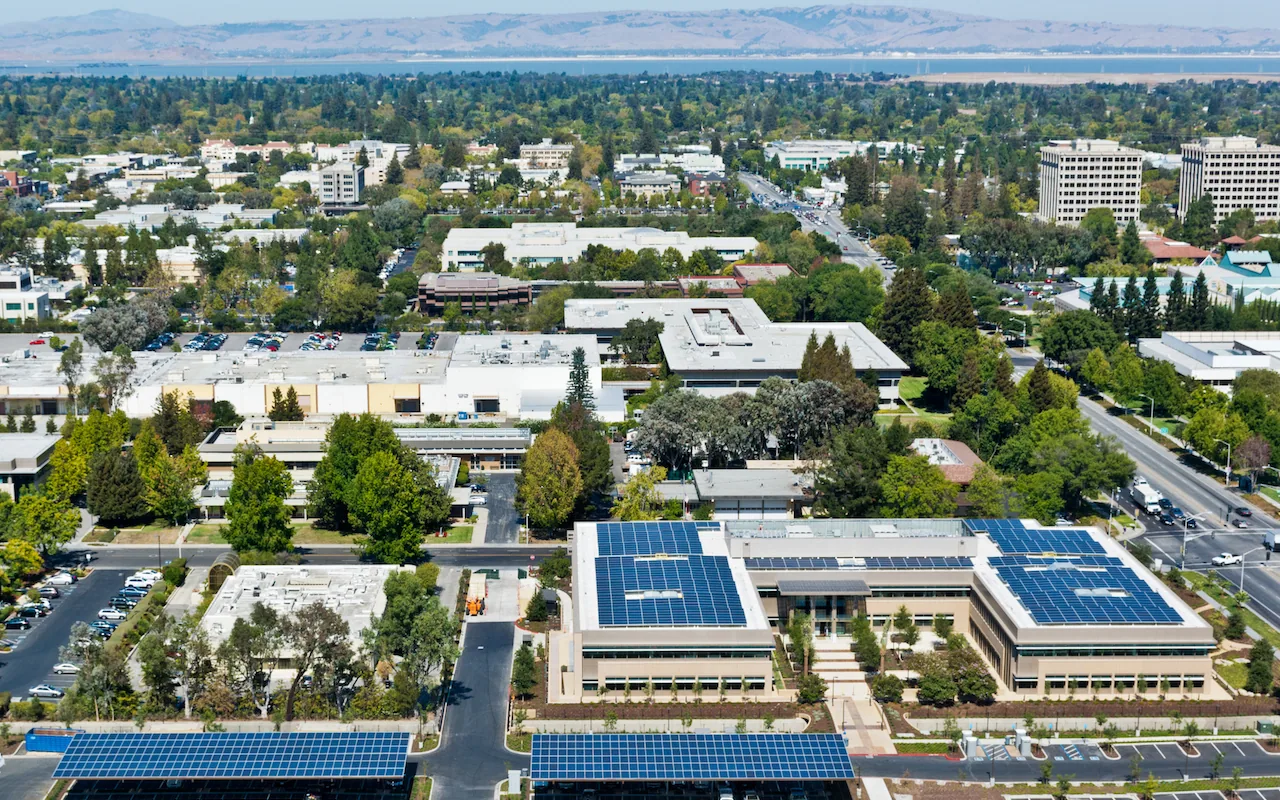
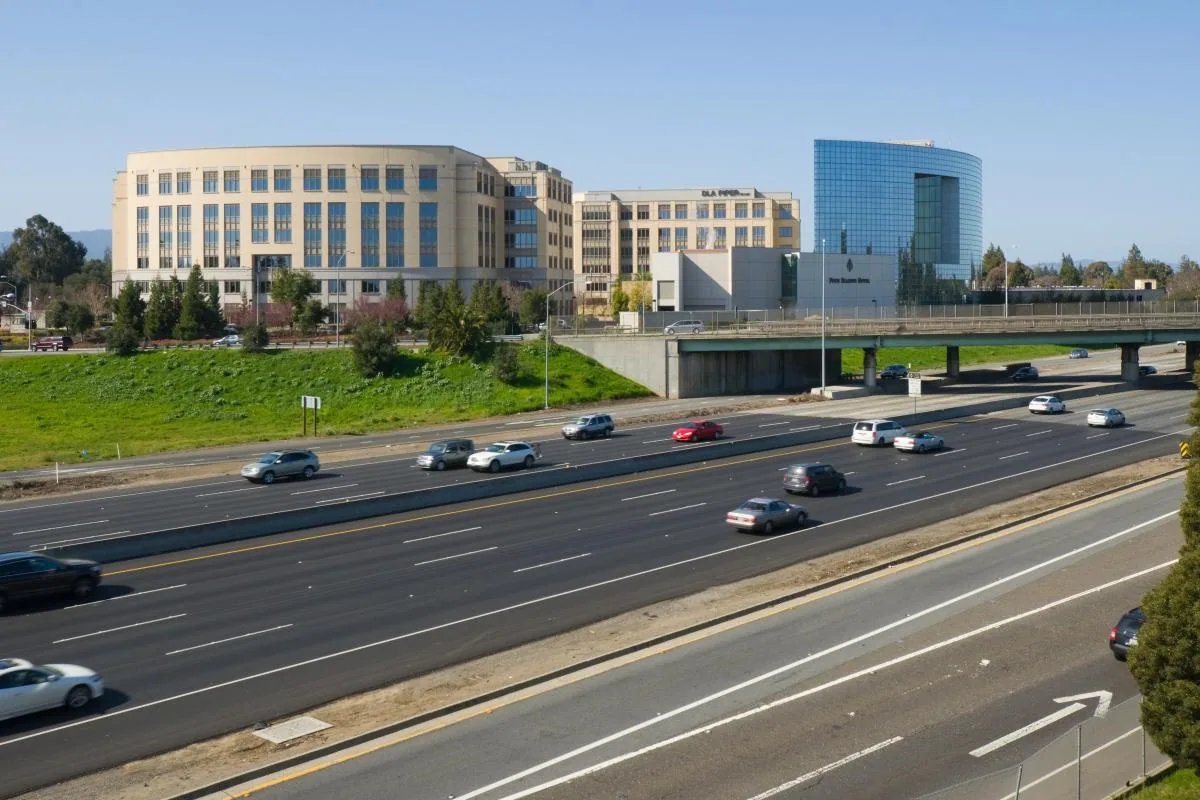
Moffett Park commercial properties sit in a northern Sunnyvale employment setting. Peery Park employment buildings also need their actual equipment and tenant arrangements established. We examine current curb flashing, service paths and abandoned penetrations where they occur. A district's development plans cannot identify an existing building's roof construction; the correction comes from examination of the materials and connections at that address.
Research buildings and commercial corridors
Industrial and research buildings in the Lawrence Station and Kifer Road area can present roof decisions during equipment alterations. We locate the new openings and identify the service contractor responsible for support changes. The El Camino Real commercial corridor includes retail, hotel and auto-oriented properties. Roof entry, protected customer routes and delivery arrangements need confirmation for the individual operation before material staging begins.
Nearby addresses with separate roof conditions
A manager coordinating commercial roofing in Mountain View and roof work in Santa Clara needs each building examined separately. Installed sheets, drainage levels and previous repairs can differ. A coordinated roof program across addresses gives each finding its own location and completion record. We preserve the distinctions that affect repair construction while making the task list usable across buildings.
Work chosen from the accessible findings
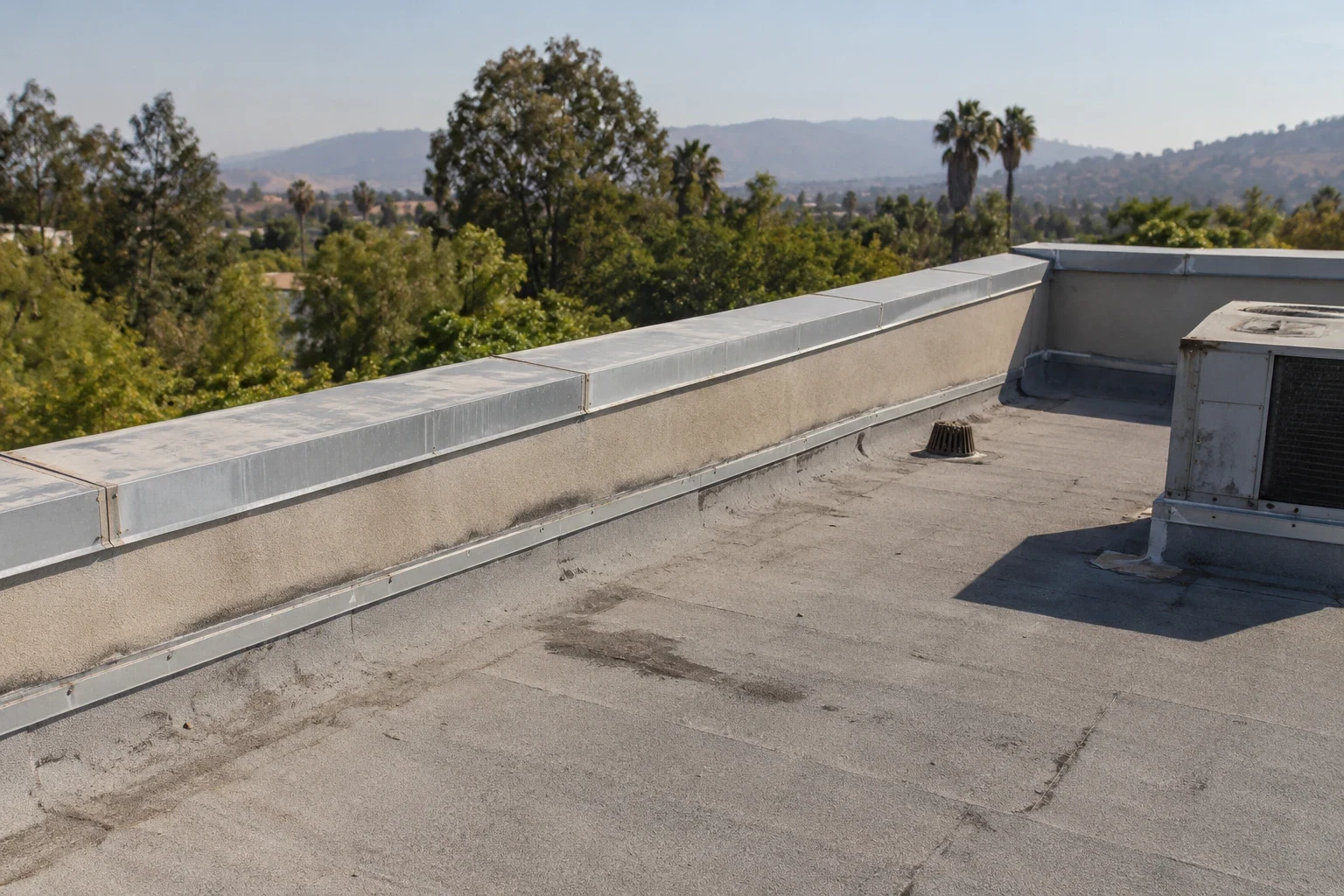
A missing drain clamp fastener and a deteriorated curb face require different corrections even when they appear within the same roof area. Hands-on commercial roof inspections identify accessible details and investigation limits. Repair of failed flashing connections needs sound receiving material and suitable equipment access. The roof plan shows the observed location, proposed removal and remaining connected tasks, giving ownership something specific to authorize.
Access and repair sequencing by building
An occupied office can need equipment isolation before a flashing joint is exposed. A warehouse may require material handling away from loading traffic. Reroofing with the building in use includes protection and sequencing agreed with the operating contact. For active leaks, roof entry can be coordinated at any hour, including holidays. We identify temporary measures separately from permanent construction and retain any concealed-condition question that remains after the initial visit.
Service Areas: Common Questions
Can one visit assess buildings in different communities?
Provide the addresses, roof-entry contacts and available records first. We arrange the assessment scope and access for each property. The resulting findings retain separate building locations so repairs and unresolved items can be assigned accurately.
Does a district name help determine the existing roof material?
Material identification needs the building itself and its available construction records. We compare those records with accessible covering and repair details. Local commercial uses help frame operating coordination but do not establish the roof assembly.
How should I request help for a leak outside office hours?
Give the address, entry contact and affected interior area, including operating hazards or access restrictions. We coordinate roof access and initial protection, then describe the permanent correction and investigation still required.
What information helps schedule a tenant-related roof alteration?
The proposed equipment layout, responsible service trade and approval contact help identify the work sequence. We examine the roof interface and flag removal, isolation or design tasks needed before the opening can be completed.
Contact Commercial Roofing Sunnyvale with the property address and roof-entry contact. We can prepare photographs and a marked roof plan that give the manager and ownership a clear list of corrective tasks.