Santa Clara commercial roofing addresses equipment flashing, drainage and occupied facilities. Get a condition-based repair and replacement recommendation.
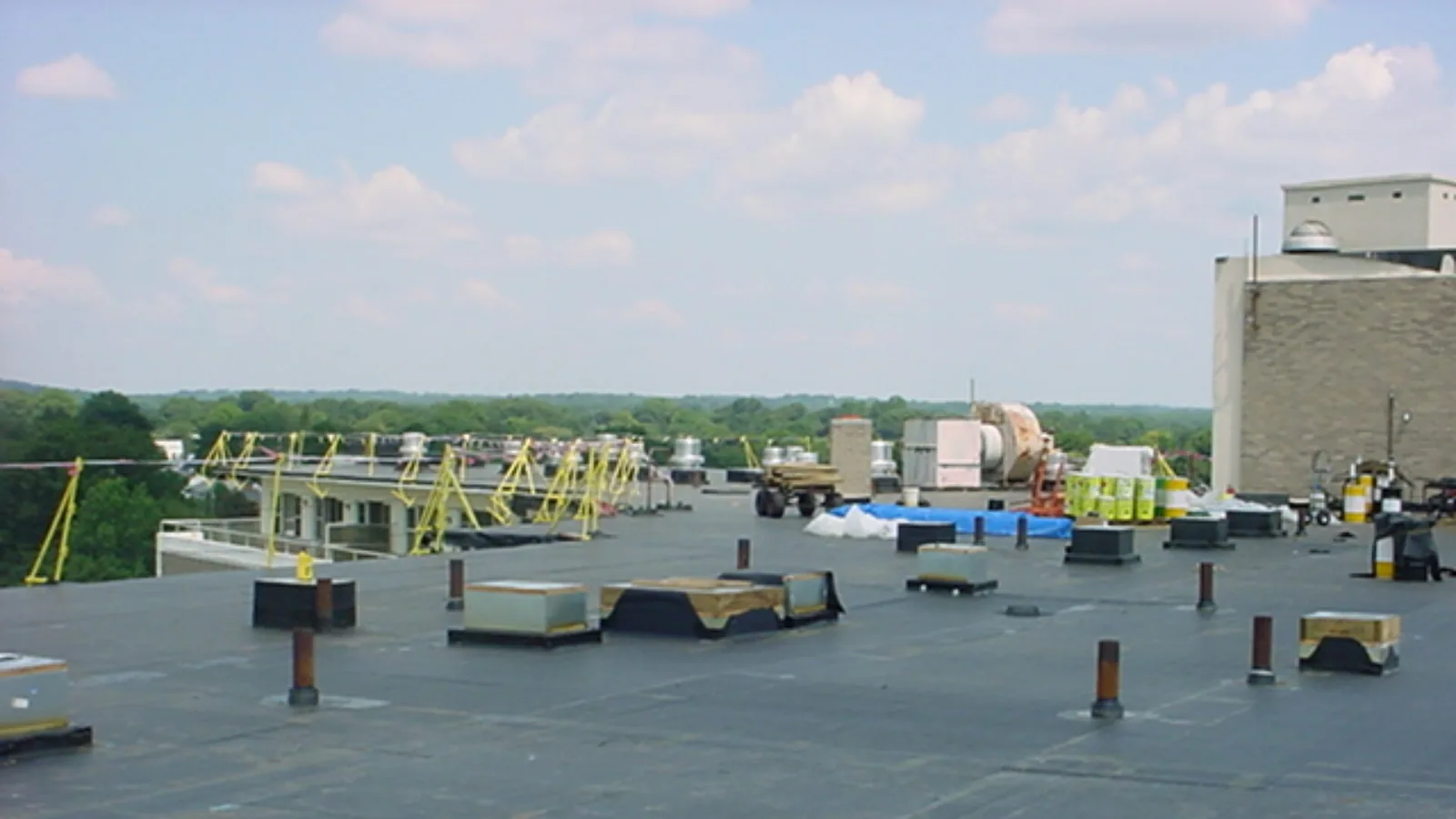
A crowded equipment zone on a Santa Clara commercial roof can hide the connection that needs repair. We look behind curbs, examine pipe boots at their bases and identify whether a service route has damaged the field material. The property manager needs a repair scope with the equipment interface understood, especially where an interior room cannot tolerate an unplanned interruption. Commercial Roofing Sunnyvale works on commercial roofs in Santa Clara, CA with that practical inspection focus.
Santa Clara includes data centers and technology employment associated with companies such as Intel, Nvidia and Applied Materials. Those uses call attention to operating requirements, but each building supplies its own constraints. We establish roof access, interior sensitivity and equipment responsibilities during the assignment. A technology address does not reveal the roof material or allow us to assume which systems can be shut down.
An opening above an equipment room needs a sequence with interior protection and a definite closure approach. We agree with management on the affected area, any operational restriction and the people authorized to approve access. Roof removal should have a practical work boundary, material supply and debris route before the first layer is lifted. Concealed deterioration may change that boundary; the scope should explain how the finding is recorded and brought back for a decision.
For a data-center roof assignment, the roofing work must fit the facility requirements rather than dictate them. Mechanical and electrical isolation stay with the appropriate trades. We describe roof connections, temporary protection and inspection hold points in terms the manager can coordinate. A separate shutdown requirement should be identified before work proceeds over sensitive space, not discovered after an opening has been made.
A unit set close to another curb can leave little room to prepare a repair. We inspect the available clearance, height above the finished roof and the condition of the receiving material. Heat-welded or adhered connections need suitable surfaces and enough access to complete them. A sealant bead across the visible edge may conceal an open joint without providing the intended flashing assembly. Where access prevents proper work, equipment movement becomes an explicit part of the recommendation.
We examine conduit supports for movement and wear, and we check sealed boots for cracks or separation at their attachment. Penetration flashing correction should include the full connection, not just the easiest face to reach. Roof photographs identify which component requires repair and which adjacent equipment must be coordinated. That helps the facility manager assign the work without confusing roofing with a mechanical adjustment.
A drain clamp ring can be loose while the strainer looks undamaged. We inspect the membrane at the bowl, the attachment and any visible evidence of movement. Standing water can come from a blocked route, a depression or an outlet arrangement requiring correction. Plumbing involvement may be necessary if the problem lies farther down the leader. We separate those possibilities rather than recommending a membrane patch for every wet area.
Where an assembly needs investigation, thermal moisture mapping with confirmation can support the inspection. Conditions and assembly characteristics affect the usefulness of the survey. We mark suspect zones, confirmed findings and inaccessible areas distinctly. That record informs removal boundaries and prevents a roof renewal decision from relying on a photograph that shows only the surface. Wet supporting material needs an appropriate corrective scope before a new covering is considered.
Santa Clara University and the city connections through Caltrain, VTA light rail and the Capitol Corridor are part of the occupied-building setting. Roof work still requires a property-specific delivery and pedestrian plan. We confirm the loading position, protected entrances and route for removed material with management. Institutional schedules, office activity and public access can require different work stages; proximity to transit does not establish an available staging area. Keep the accepted permission with the city and parcel reference used in the work order. Retain that contact for the next condition review.
The Great America and Levi's Stadium district adds event-related coordination, while work near Lawrence Station has its own building access arrangements. We retain separate records for each address. Urgent roof assistance is available after hours and during holidays or weekends. Safe access, the leak condition and interior protection needs determine what can be done immediately and which permanent work follows.
For work in Santa Clara, verify the property, building entrance and contact responsible for the affected operation before dispatch. A citywide service area includes different owner, tenant and campus arrangements; the location name is not an access release. Record any controlled room, sensitive equipment route or public entrance below the roof phase and identify who may approve a change. If the assigned property is near a shared campus boundary, confirm the parcel and operating party for each roof included in the proposal.
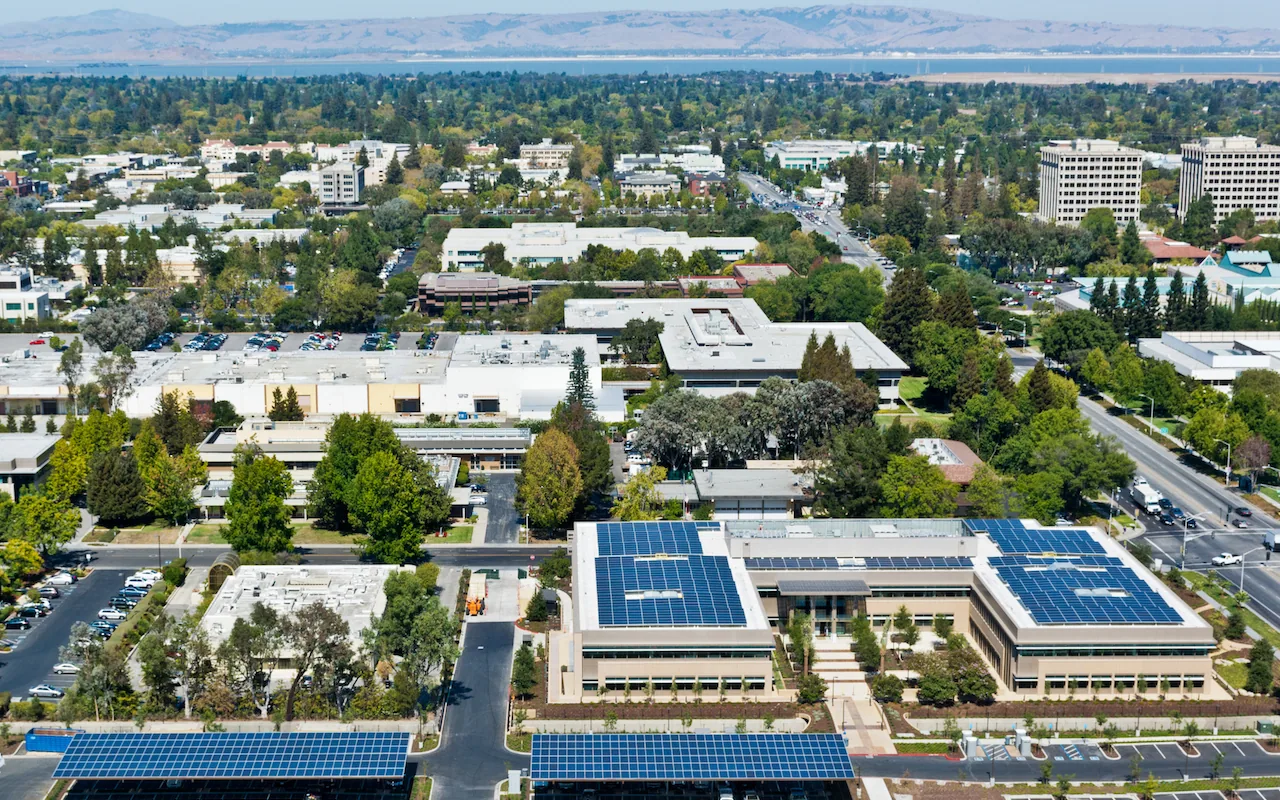
Several isolated defects can support a repair scope when the field and supporting layers remain serviceable. Broader deterioration may call for removal, replacement or a carefully reviewed recover. Our roof condition findings explain that distinction with locations and assembly evidence. We also identify deferred equipment changes that could disturb a repair, so ownership can compare the roof recommendation with its planned facility work.
Santa Clara projects need confirmation of the actual permit authority, accepted application basis and proposed scope. Energy compliance method and applicable exceptions can affect roof finish and insulation requirements. Fire classification and attachment are considered with the existing construction and the selected assembly. After completion, the facility record includes repaired joints, new openings and material information. Those details help the next service visit protect the work and return to the correct connection if a symptom reappears.
Start with the facility restrictions and the actual roof task. We identify the work area, required openings and means of temporary protection, then coordinate them with management. Some activities may be possible without a shutdown; others may require one because of noise, debris, vibration or the exposure involved. The agreed sequence should state that requirement before the crew begins the affected area.
Equipment density alone does not decide the assembly. We measure detail height, inspect the supporting layers and examine the access required for complete connections. Added material can reduce available clearance at curbs and drains. A recover recommendation must address those consequences and the applicable review. Where workable flashing or sound support cannot be established, removal may be necessary.
The two scopes need a single agreed interface. We identify who provides the curb, who secures the equipment and who completes the roof flashing. Existing deterioration or required height changes should be assigned as well. A shared detail and sequence allow management to compare the proposals without leaving an opening or duplicating work during installation.
Use the marked locations to arrange the equipment access needed for follow-up. We state the obstruction, what was examined beside it and the question still unresolved. The report can separate immediately reachable repairs from that investigation. Ownership should receive the limitation with the recommendation, because an unexamined concealed joint cannot be treated as a confirmed sound connection.
Schedule a component-by-component roof walk with Commercial Roofing Sunnyvale. Photographs marked on a roof plan will give you a corrective list to review with ownership.