
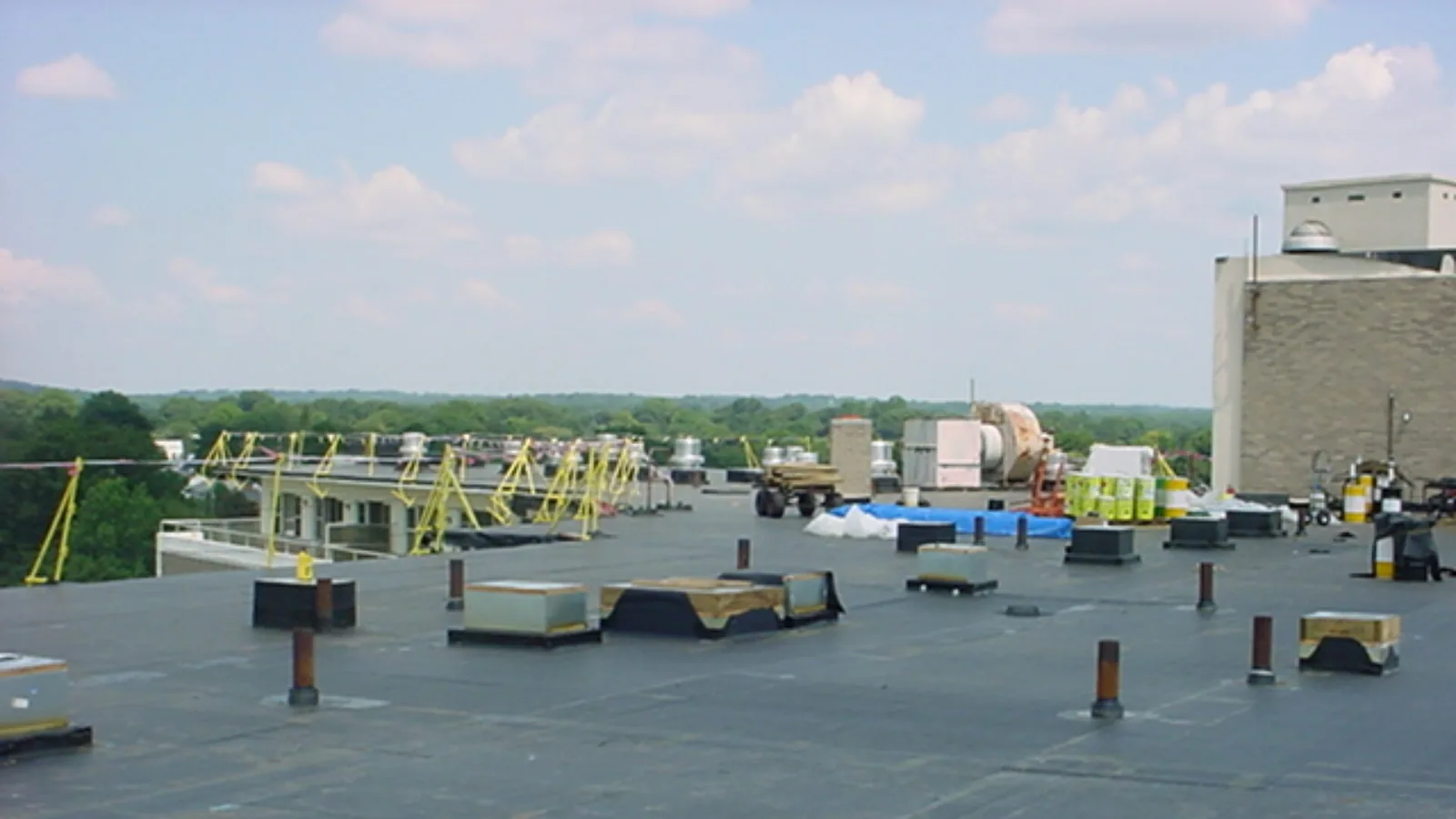
Infrared roof moisture surveys in Sunnyvale: assess suitable thermal indications, confirm selected findings and document coverage for roof-work decisions.
A damp board sample beside a curb leaves the property manager with a question about the adjoining field. We need to connect that opening with suitable evidence from the surrounding roof. An infrared moisture survey can help investigate the question when the assembly and collection conditions support thermal interpretation. Its findings should identify what was confirmed and what remains unresolved.
For a Sunnyvale, CA roof, the survey scope starts with the actual construction and proposed decision. We turn interpreted observations into located next steps, with supporting checks beside the roof plan.
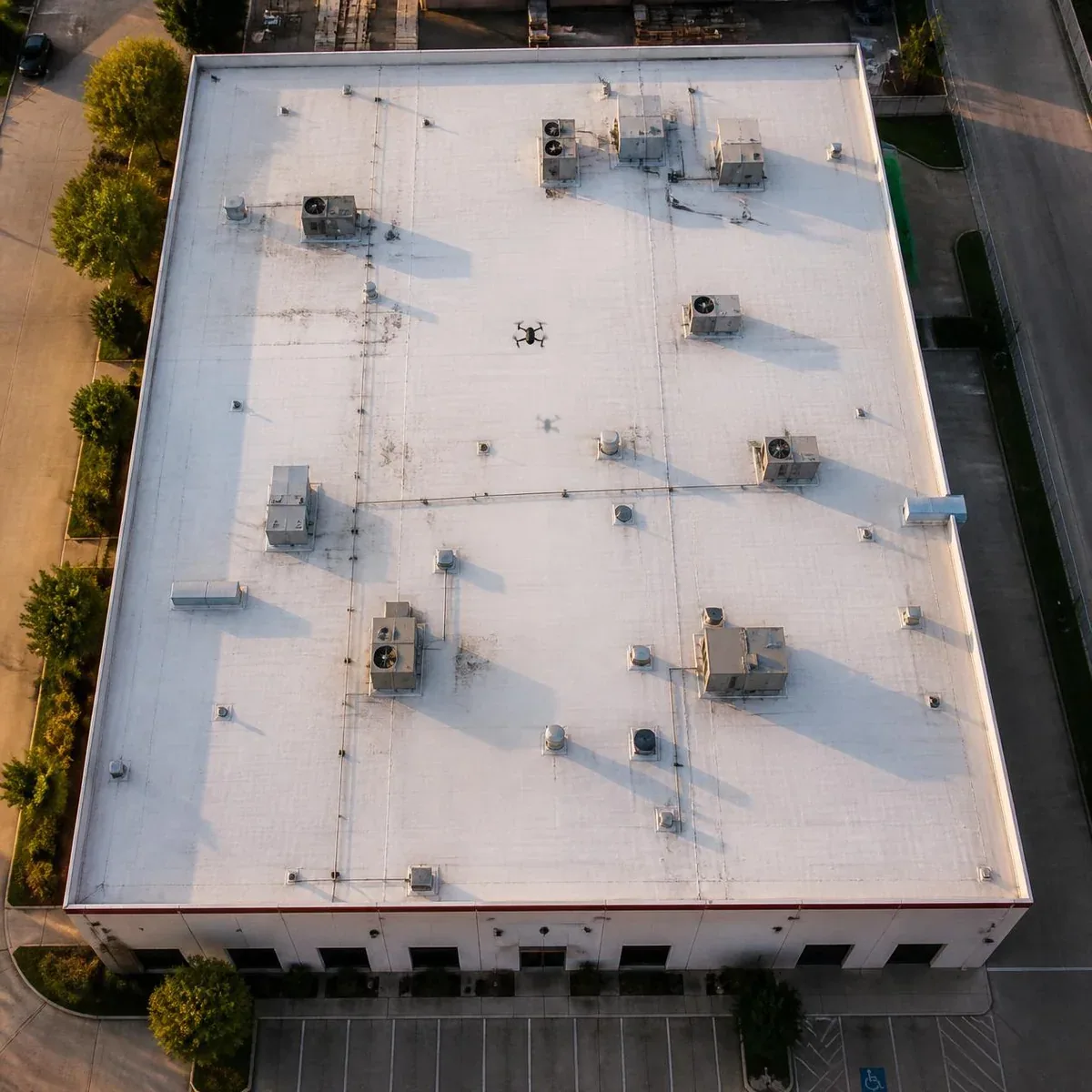
Provide the roof history, earlier sample locations and the reason for the investigation. A recurring leak may need a different boundary from a planned alteration or purchase assessment. We identify the zones included and the information needed from them. The property manager should understand that coverage before arranging roof access.
A due diligence survey needs to address the transaction questions and time available for further checks. Thermal work is one possible method within that assignment, selected for the actual roof.
For a recover proposal, moisture condition contributes to a broader eligibility review. Existing layers, support, loading, attachment and applicable requirements also matter. A clean-looking scan does not decide all those questions.
The camera measures the roof's surface temperature pattern. We interpret that record against the known construction, exposure and collection conditions. Moisture within certain assemblies can affect their thermal behavior, but a difference can also arise from changes in layers or the surface. Assess those possibilities before selecting areas for confirmation. The image itself does not show concealed insulation.
Ballast, surfacing, reflective materials and shaded zones can affect the usable pattern. The method needs to suit those conditions. Where interpretation would be inadequate, another investigation approach may be more useful.
A Sunnyvale survey scheduled after summer sun needs an interpretable temperature pattern, not simply a date within the city's drier season. Actual surface conditions and recent heating are still needed for scheduling. A dry season does not automatically make every roof or evening suitable for thermal collection.
Record relevant weather, surface condition and timing with the survey. Those details help explain the results and the areas that could not be interpreted adequately. They also matter if another visit is proposed later.
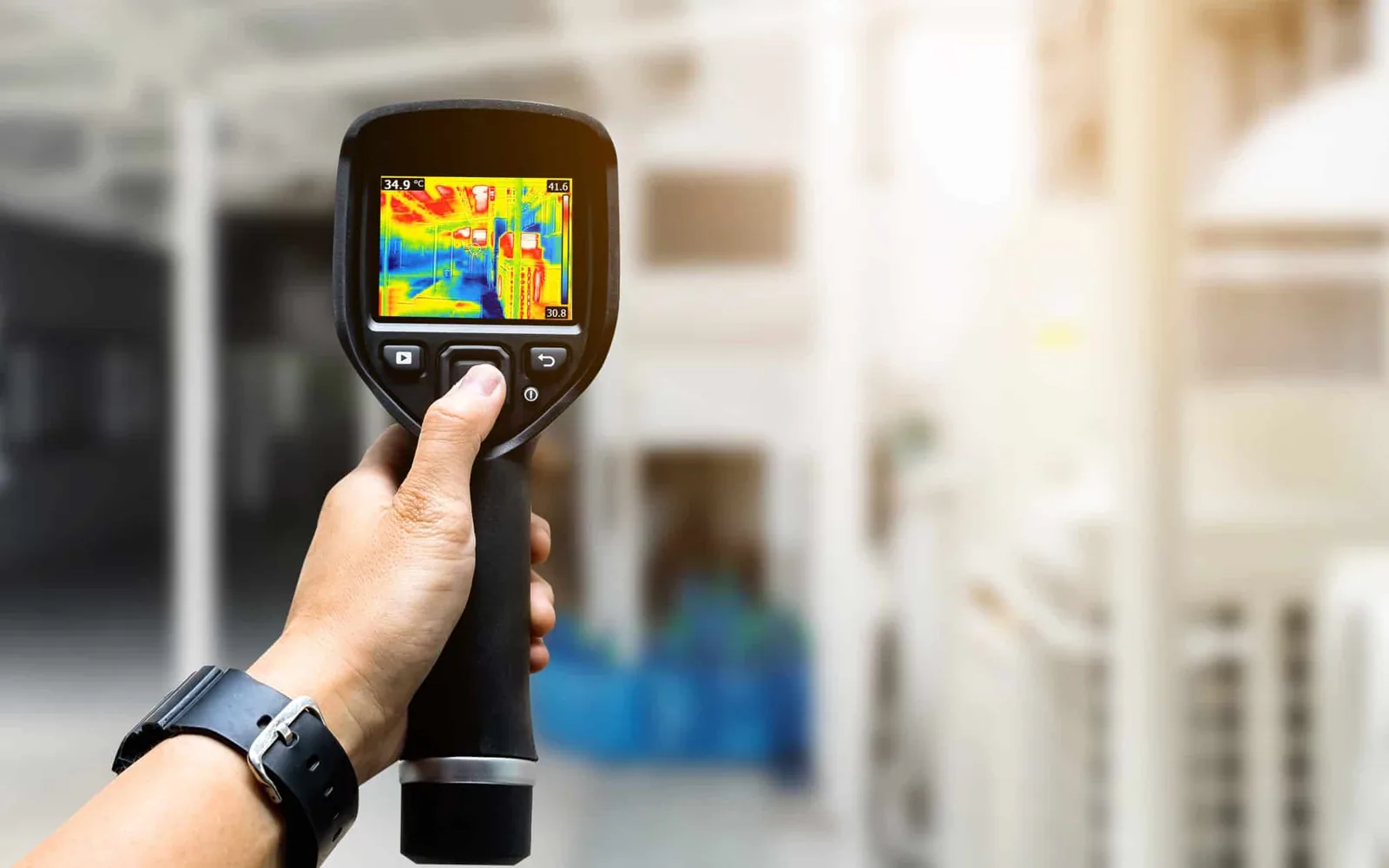
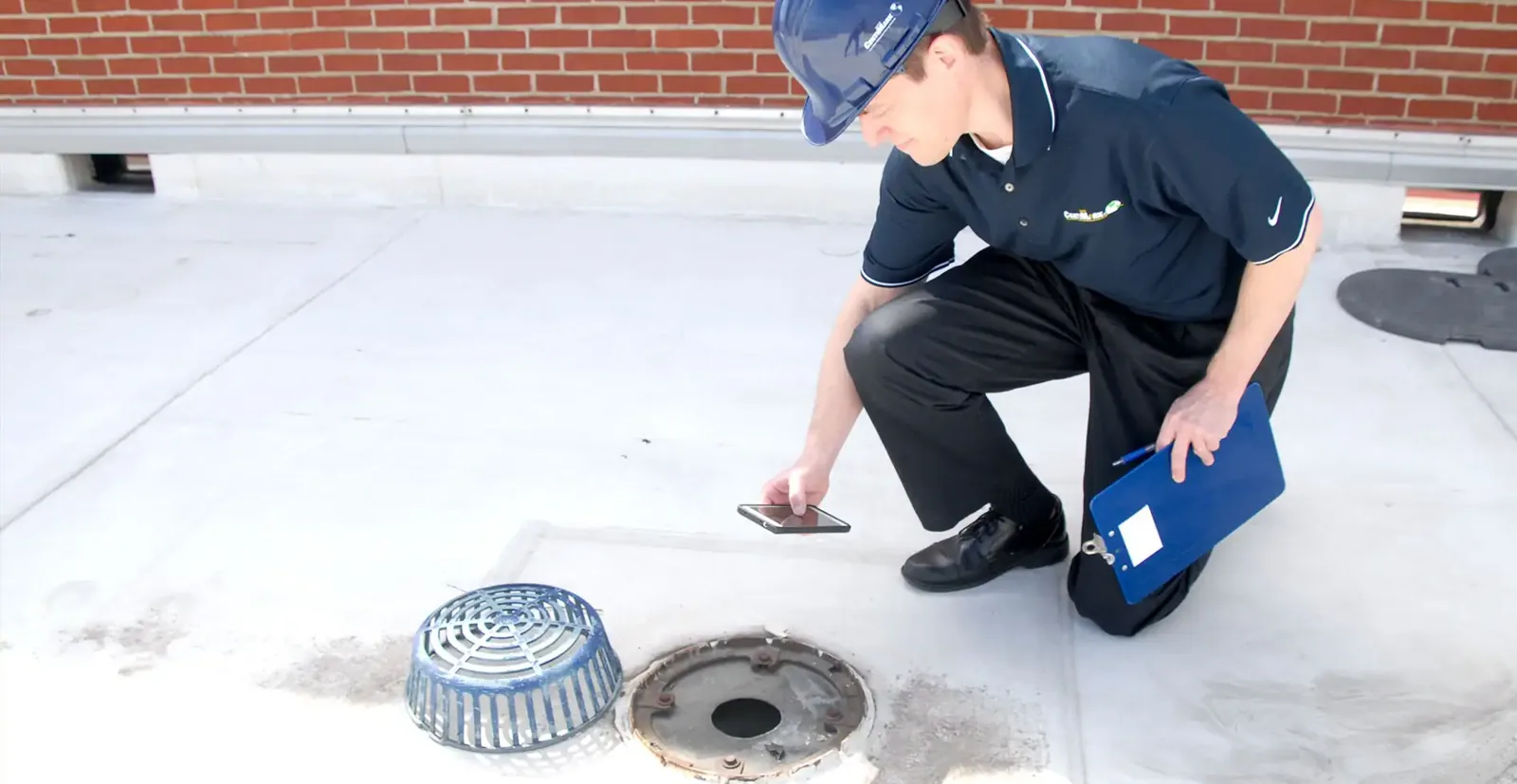
We locate interpreted indications using consistent roof-zone references. Visible photographs help place each thermal view beside curbs, outlets or equipment. The property manager should be able to find the corresponding area for follow-up without relying on an isolated bright image.
A warmer area can result from different layers, shading or surface conditions. Compare it with the available roof information. We select confirmation to resolve the relevant uncertainty rather than declare every temperature difference wet.
Collection through a drone inspection requires separate flight feasibility and permissions. That platform does not remove the interpretation or confirmation requirements. Keep the collected coverage and unexamined areas explicit.
Choose checks suited to the assembly and the question. Authorized openings can show layers and their local condition. Suitable instrument readings require context for the material and method. We retain the result, collection method and location together so another person can understand the evidence supporting the finding.
Samples apply to the openings where they were taken. They can support a wider assessment when combined with the thermal record and other observations. Explain how that evidence supports the proposed boundary and where more investigation remains necessary.
Plan a suitable closure before making an opening. The materials and detail must fit the roof found. Put the closure photograph and material description beside the opening reference. A later crew should be able to identify the investigation patch and separate it from earlier corrective work.
Dry material at an opening helps establish that location's condition. Review the extent of the evidence before reaching conclusions about other layers or untested zones. Likewise, one damp opening does not establish every removal quantity. The report should preserve that distinction through the work recommendation.
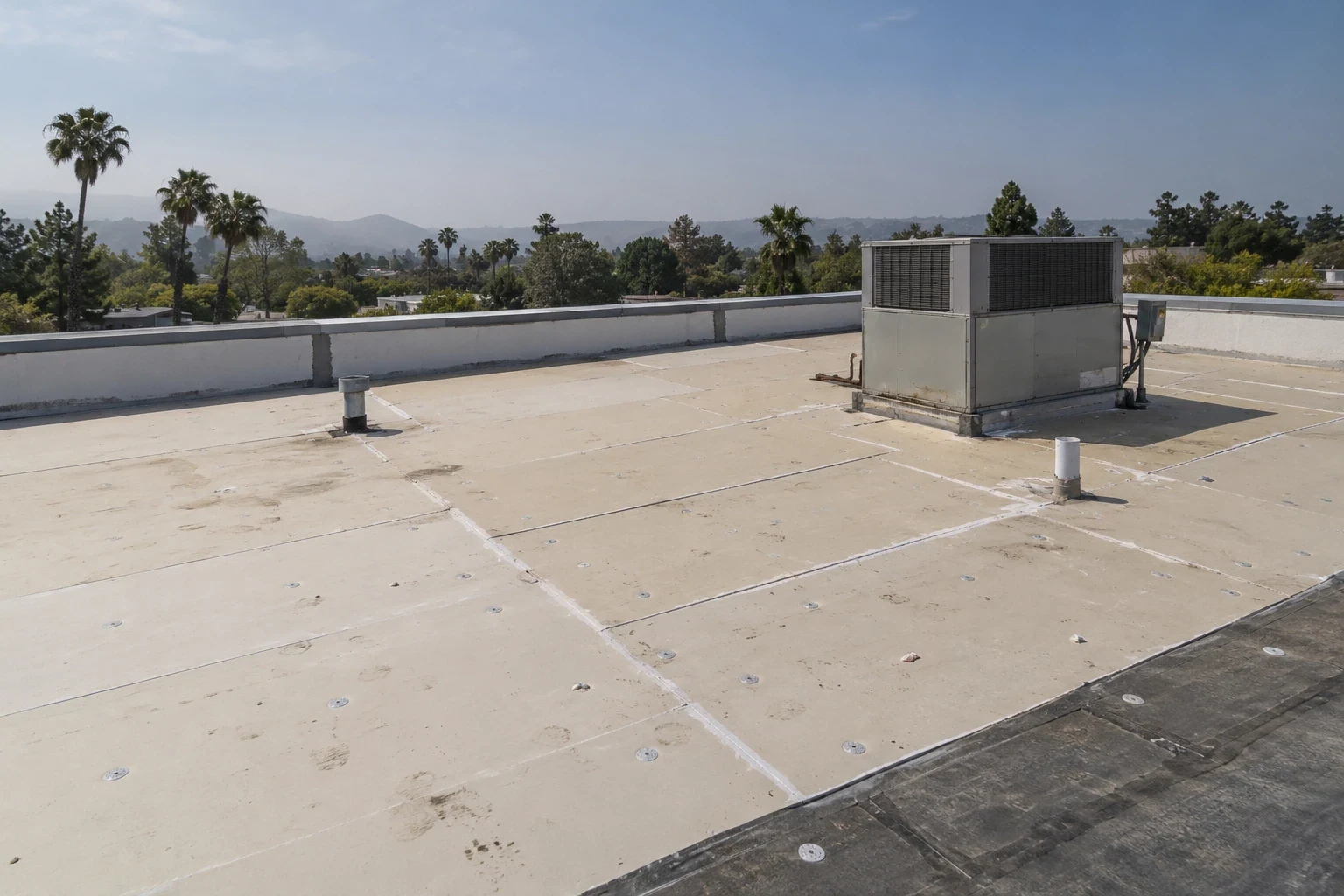
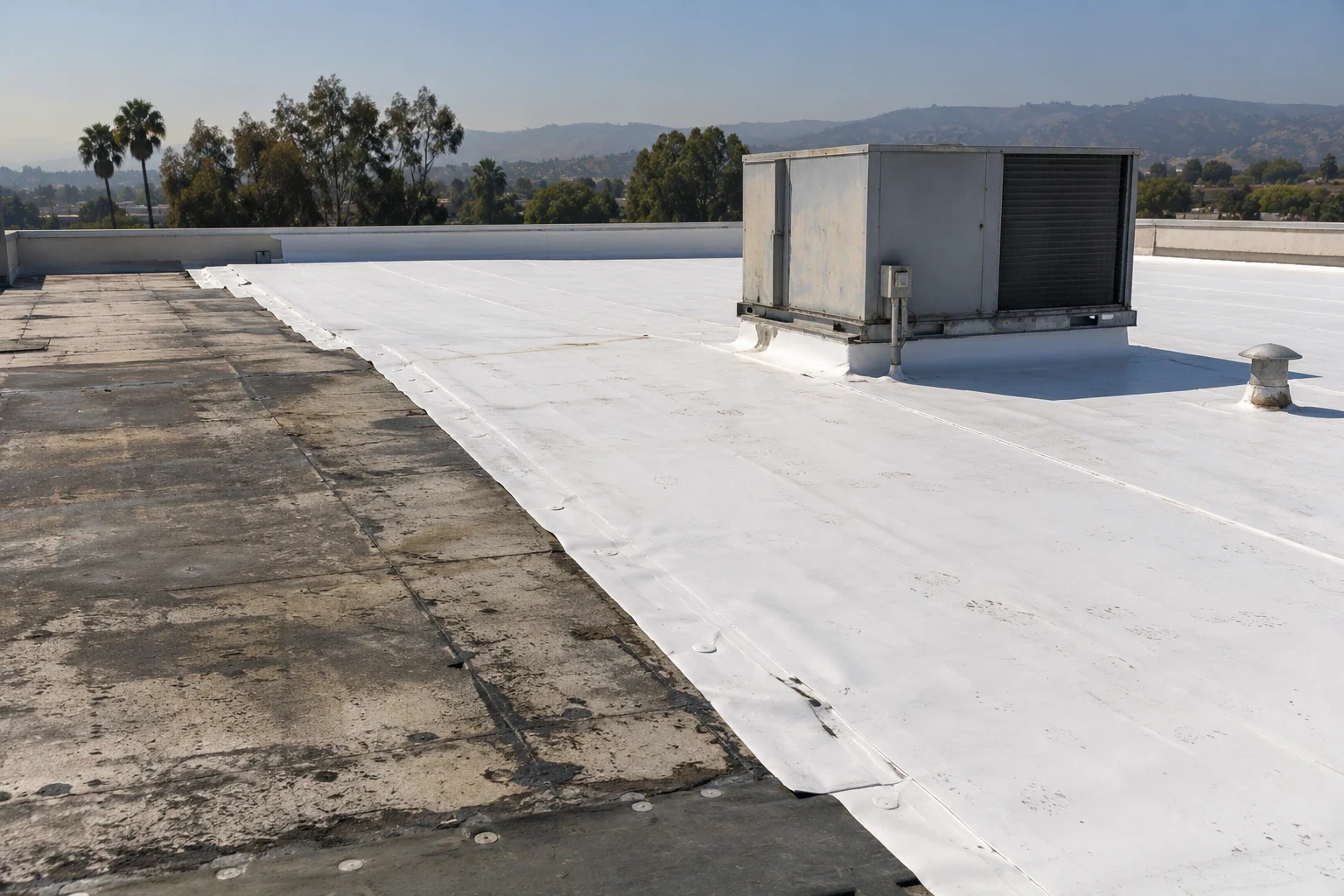
The survey record should separate interpreted areas, confirmed observations and unresolved indications. It must show coverage and limitations. Ownership can then review a proposed repair or removal boundary against the evidence instead of treating an image outline as an exact demolition quantity.
Insulation and cover board work may require treatment of damaged layers. Specify which materials were examined and what remains unknown. Opening the roof can reveal additional conditions, so include documentation and approval before the rebuilding scope expands.
A replacement recommendation needs the broader roof assessment. Wet-material findings contribute alongside condition, repair feasibility and accepted project requirements. The survey is not a universal predictor of whether one more repair will hold.
Leak investigation may be needed separately to identify an entry interface. A thermal pattern does not automatically locate the original source. Connect the roof findings with interior references and suitable detail examination.
Moffett Park's district setting places San Francisco Bay at its northern boundary and State Route 237 along the south. It occupies the northern end of Sunnyvale. A visit in Moffett Park needs its operator-approved entrance and roof-zone plan. Regional geography supports site coordination without establishing the property's drainage condition or concealed moisture.
Peery Park is an employment district with a 2016 adopted specific plan and a proposed amendment under review. For a Peery Park building, provide actual installation and alteration records. The roof investigation should follow that history and observed construction.
Collection may be planned outside normal staffing periods. Confirm access, keys and the contact who can receive the crew. Roof routes, fragile areas and current restrictions need a suitable examination plan regardless of the survey timing.
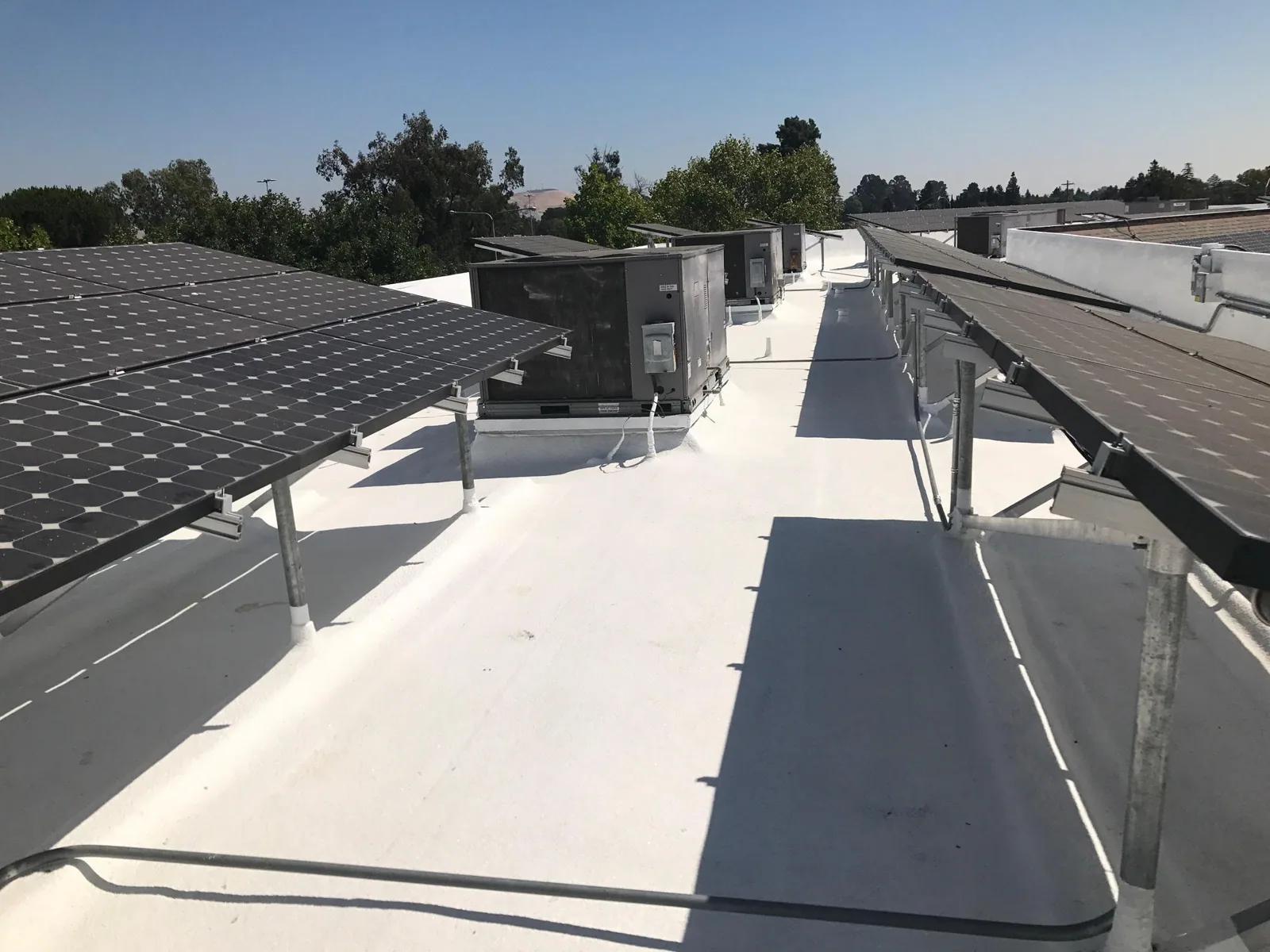
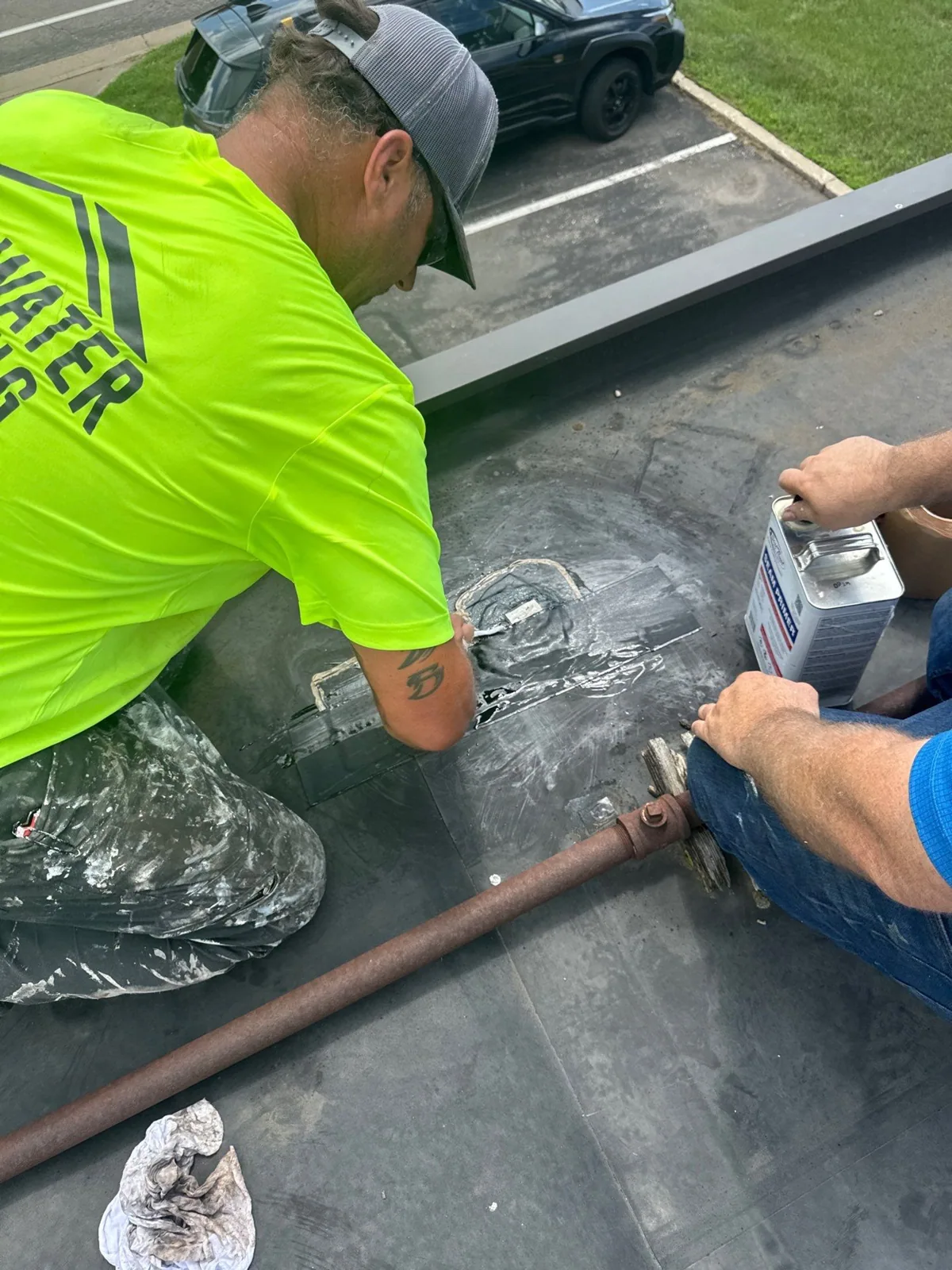
Keep report dates, collection conditions and confirmation locations with the delivered findings. Identify the person arranging further access, pricing or scope approval. A useful handoff gives each unresolved question a next action rather than leaving it behind a completed survey label.
Later thermal comparisons need consistent locations and enough condition information to interpret differences. A changed pattern alone does not prove that retained moisture disappeared or that a repair stopped every entry route. Compare appropriate confirmation and work records with the images.
The property manager receives an evidence-backed work list and its limits. Retain the accepted investigation record with later repairs so ownership can follow how each decision was reached.
Start with the roof decision and available evidence. We define coverage suited to that question and the assembly. A limited zone or broader investigation should have an explicit basis and recorded boundaries.
The assembly and actual conditions determine useful collection timing. Recent heating, surface moisture and other factors can affect interpretation. Record those conditions rather than apply one fixed hour to every roof.
Select the checks appropriate to the construction and unresolved indication. Openings need permission and suitable closure. Keep instrument or sample results identified by method and location.
Connect it with confirmed findings and supporting observations. State uncertainty and the approval process for newly exposed conditions. Ownership should understand which quantities are established and which require another decision.
Interior observations provide follow-up information without assessing every concealed layer. Use appropriate investigation for the actual condition question. The survey report should state its coverage and remaining limits.
Send the roof plan, earlier findings and access contact. We can review thermal suitability, confirmation needs and a located survey scope that gives ownership a clear work list and remaining decisions.