

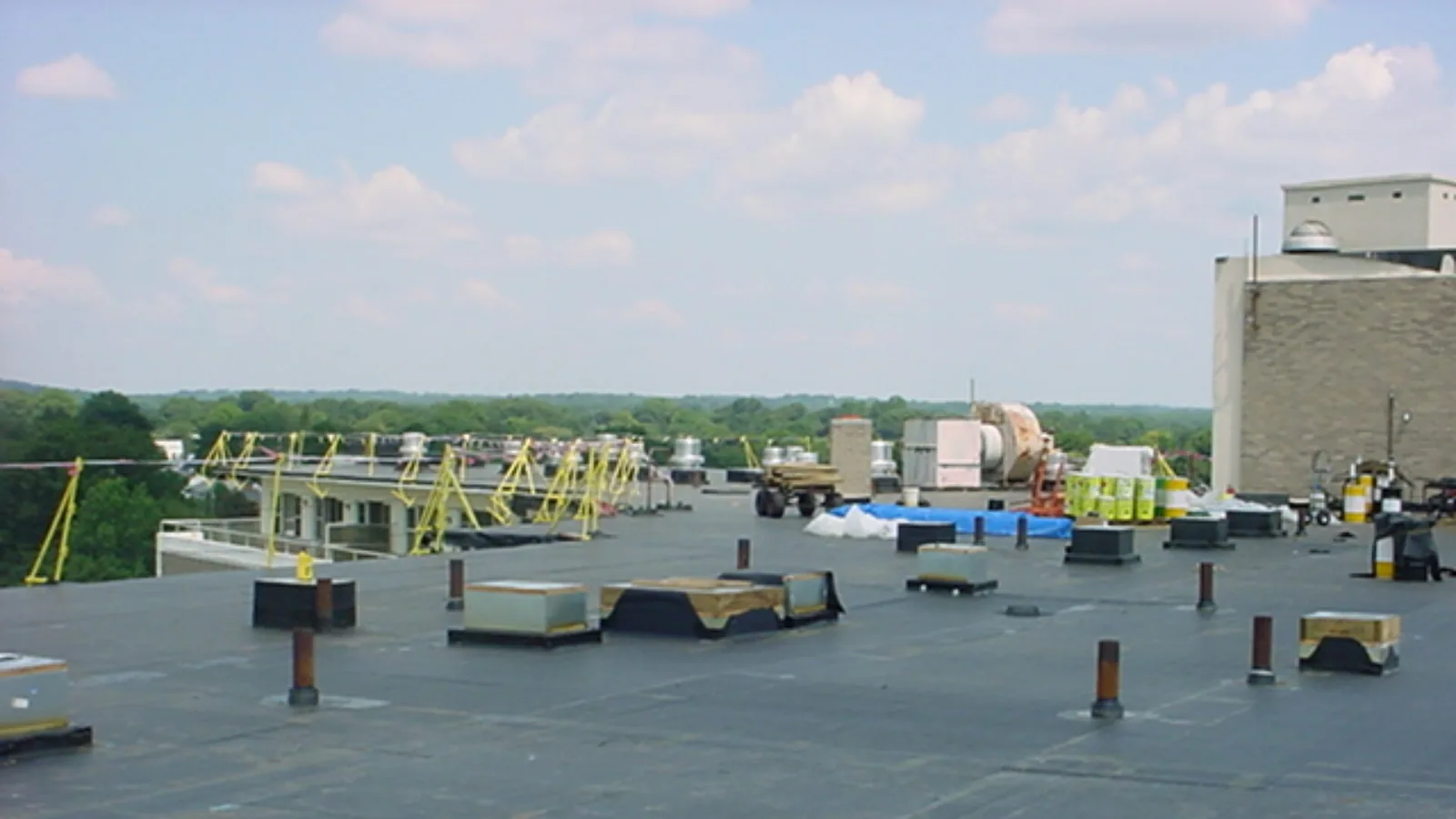
Review Sunnyvale silicone coating work with eligible substrate, specified preparation, adhesion assessment and defined detail and drainage corrections.
A silicone coating amount should identify the roof receiving it before the owner compares coverage prices. Earlier finishes, equipment residue and open connections can change the preparation behind the new surface. For a Sunnyvale property manager, the useful scope marks those tasks and shows which ones must be completed before application.
Commercial Roofing Sunnyvale assesses silicone roof coating options against the installed assembly. We identify condition evidence, product-specific preparation and final detail work. The proposal keeps a surface restoration distinct from another layer or drainage reconstruction. Ownership can review the defined finish without assuming it resolves every concealed or adjoining concern.
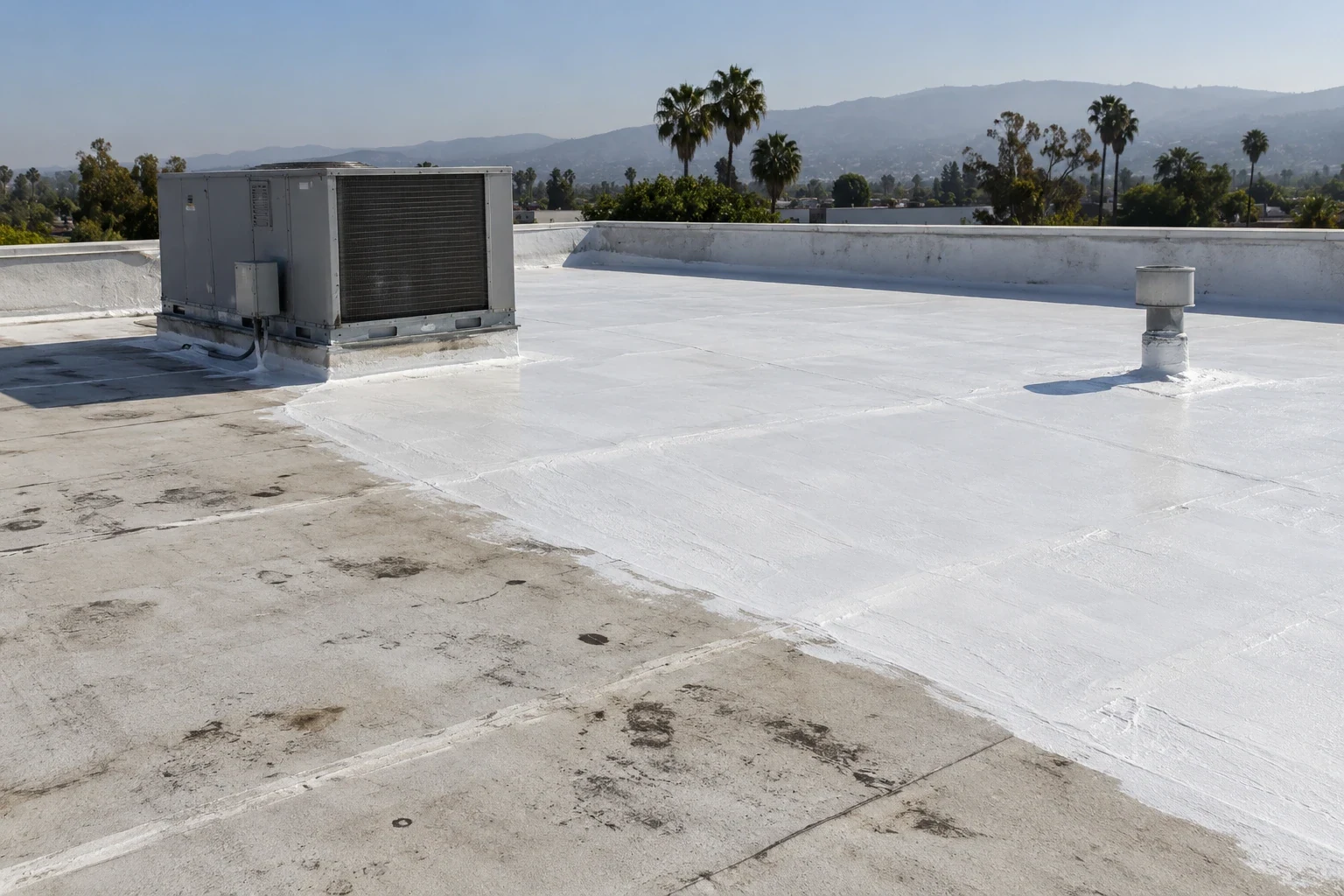
Obtain useful coating and roof records and compare them with the material at the proposed work area. Earlier repairs or additions may have different finishes. Locate those distinctions where they affect preparation. A general account that the roof was coated does not identify every product or current connection.
Select the actual silicone product and its intended application. Review substrate compatibility, required components and relevant installation instructions. A coating category alone cannot establish that the existing assembly is eligible or that the same cleaning and primer arrangement suits every section.
An acrylic restoration option has different product and application considerations. Compare both using the actual receiving material, exposure and complete detail. Similar color is not evidence of identical preparation, application limits or future recoating requirements.
A coating-readiness examination locates accessible deterioration, earlier work and connection defects. Keep restricted positions identifiable with the access required. The estimate should connect established findings to their preparation quantities. Keep any area deferred from coating labeled on the roof plan with its separate corrective action.
Where concealed condition changes eligibility, arrange investigation appropriate to that decision. Authorized openings need suitable closure. Samples record material at their local positions, while wider retention or removal needs evidence sufficient for the proposed extent. A visually intact top surface does not independently establish the layers beneath it.
Thermal observations require useful conditions and interpretation that considers surface or equipment effects. Confirm relevant material findings using suitable methods. An unconfirmed temperature pattern should not become a measured wet-area allowance by itself. State coverage and unresolved questions with the recommendation.
A silicone coating can preserve a suitable existing assembly only after the roof is examined for moisture, attachment and failed details. Identify saturated or unstable areas for separate correction and do not use a coating quantity to conceal an unresolved opening. Map ponding locations and note whether drainage correction is part of the proposed work. The estimate should distinguish cleaning and preparation from repairs that need new material, including work that remains outside the coating boundary.
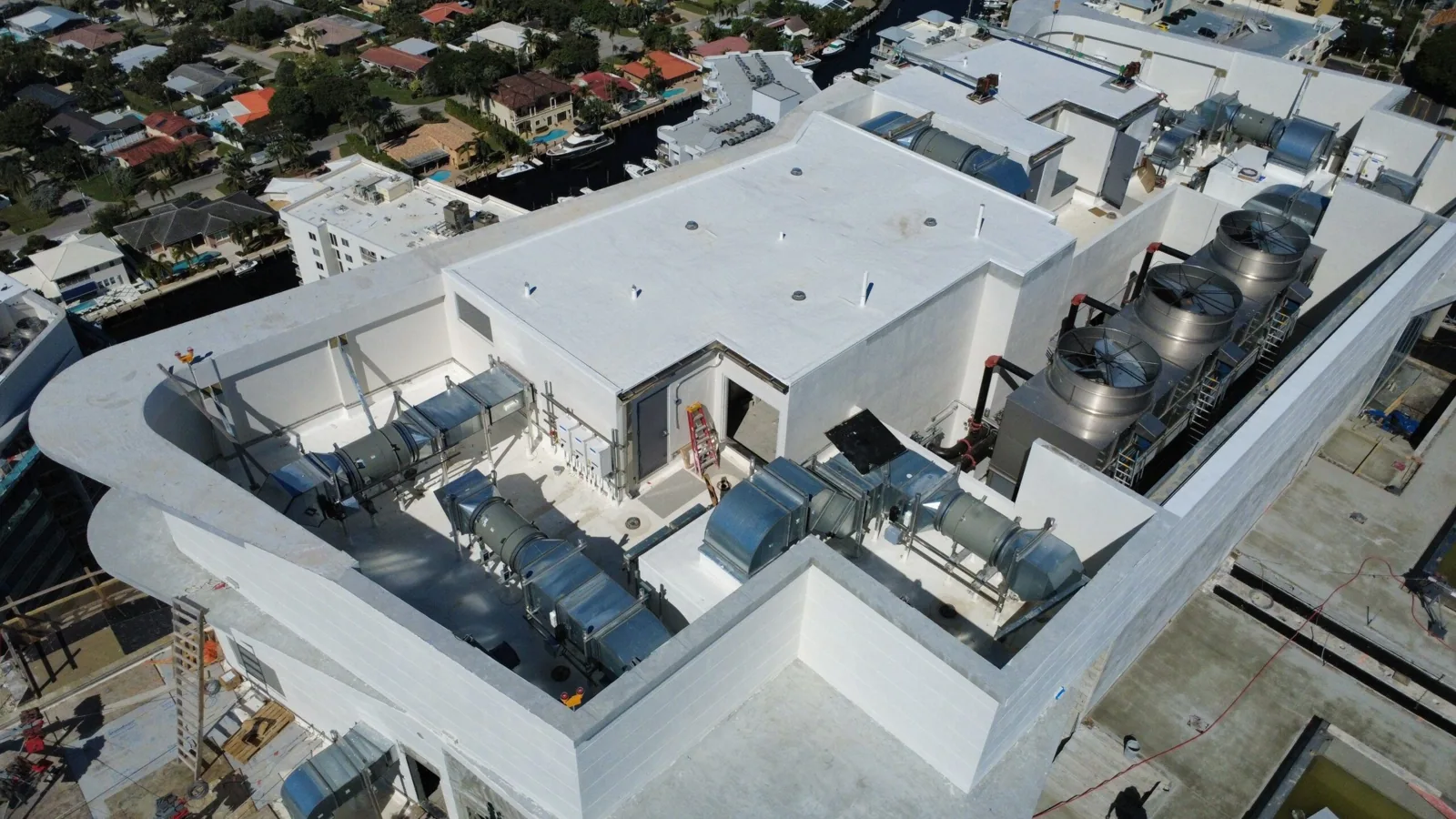
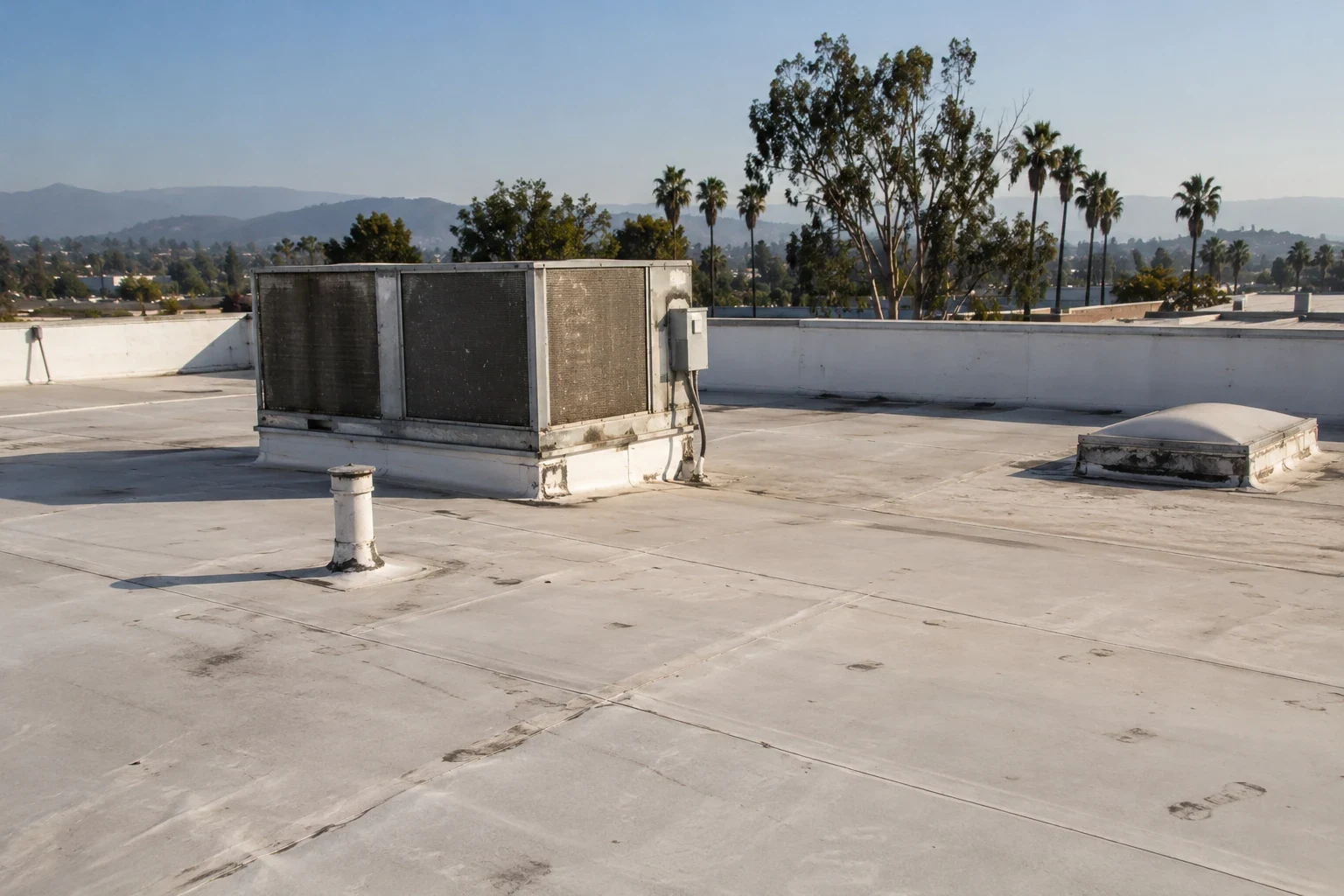
Define the cleaning needed for observed residue and the specified receiving requirements. Handling and disposal should suit the material and actual site arrangements. Another treatment or unsuitable surface can affect the primer, removal or reconstruction required before the chosen finish is applied.
Appropriate adhesion assessment can inform preparation where the selected product or condition requires it. Identify the method, positions and result it supports. A local check is not automatic acceptance of every unexamined surface. Keep different receiving conditions separate when they affect the proposed work.
A complete restoration scope carries cleaning and detail correction with the finish. A surface quantity alone can leave necessary preparation unspecified. The property manager should be able to compare what each proposal will make ready, apply and examine at completion.
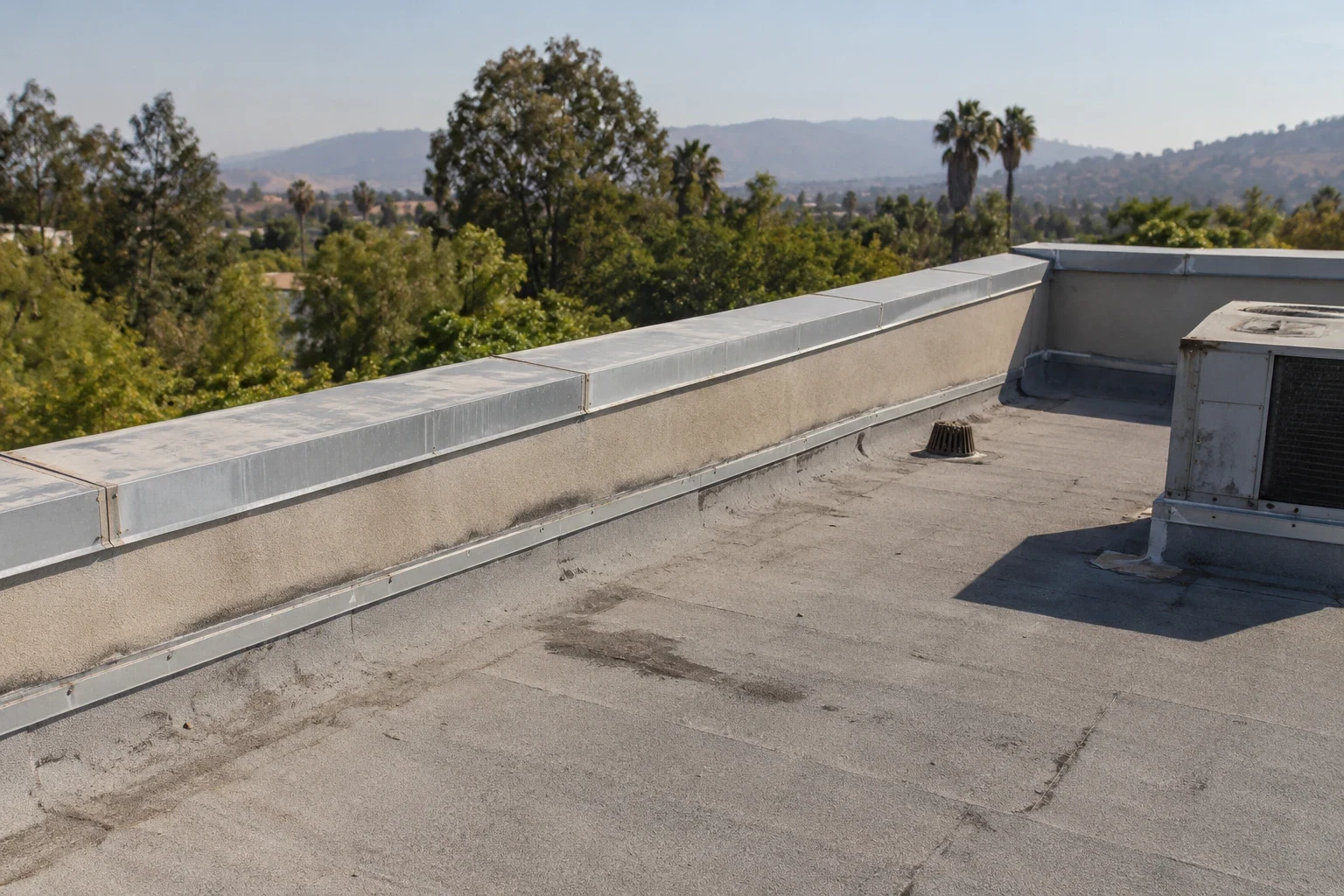
Locate open seams, curb transitions and outlet details before a field coating is priced as complete correction. The selected detail system needs compatible receiving material and its appropriate application method. A new finish should not conceal a damaged connection excluded from the authorized work.
Review water collection and the installed route to discharge. A particular product's documented ponding suitability does not itself correct inadequate slope or an outlet arrangement. Separate coating eligibility from the measured construction needed for a drainage concern.
Any proposed slope or discharge change needs suitable information and relevant design review. Include connected piping or supporting tasks where required. The silicone finish can complete its defined surface work while another drainage decision remains open; keep that distinction clear in the option comparison.
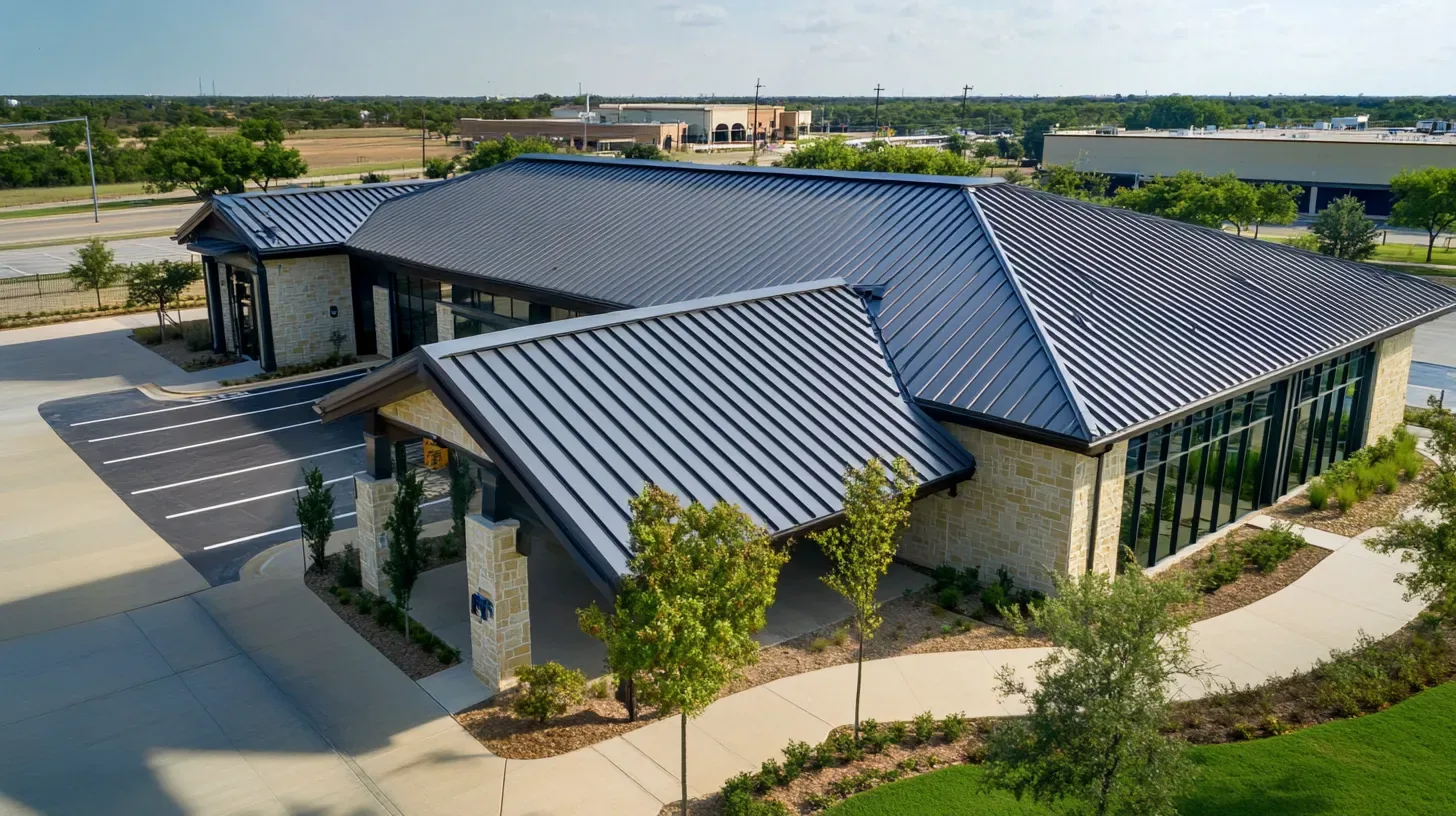
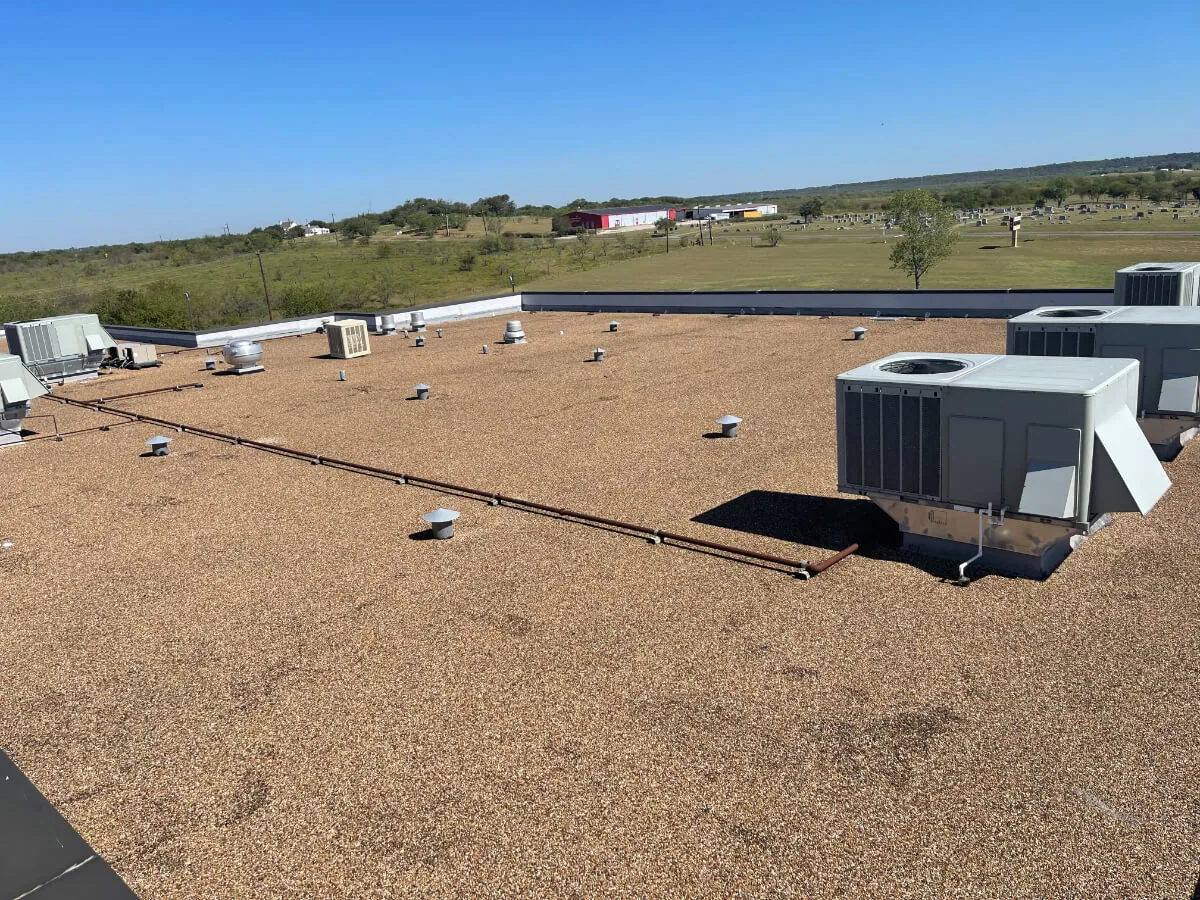
Use the specified product requirements for substrate, weather and application readiness. The chosen coating and detail components establish relevant conditions. A dry calendar date or an ambient average cannot independently approve the receiving surface or complete another prerequisite.
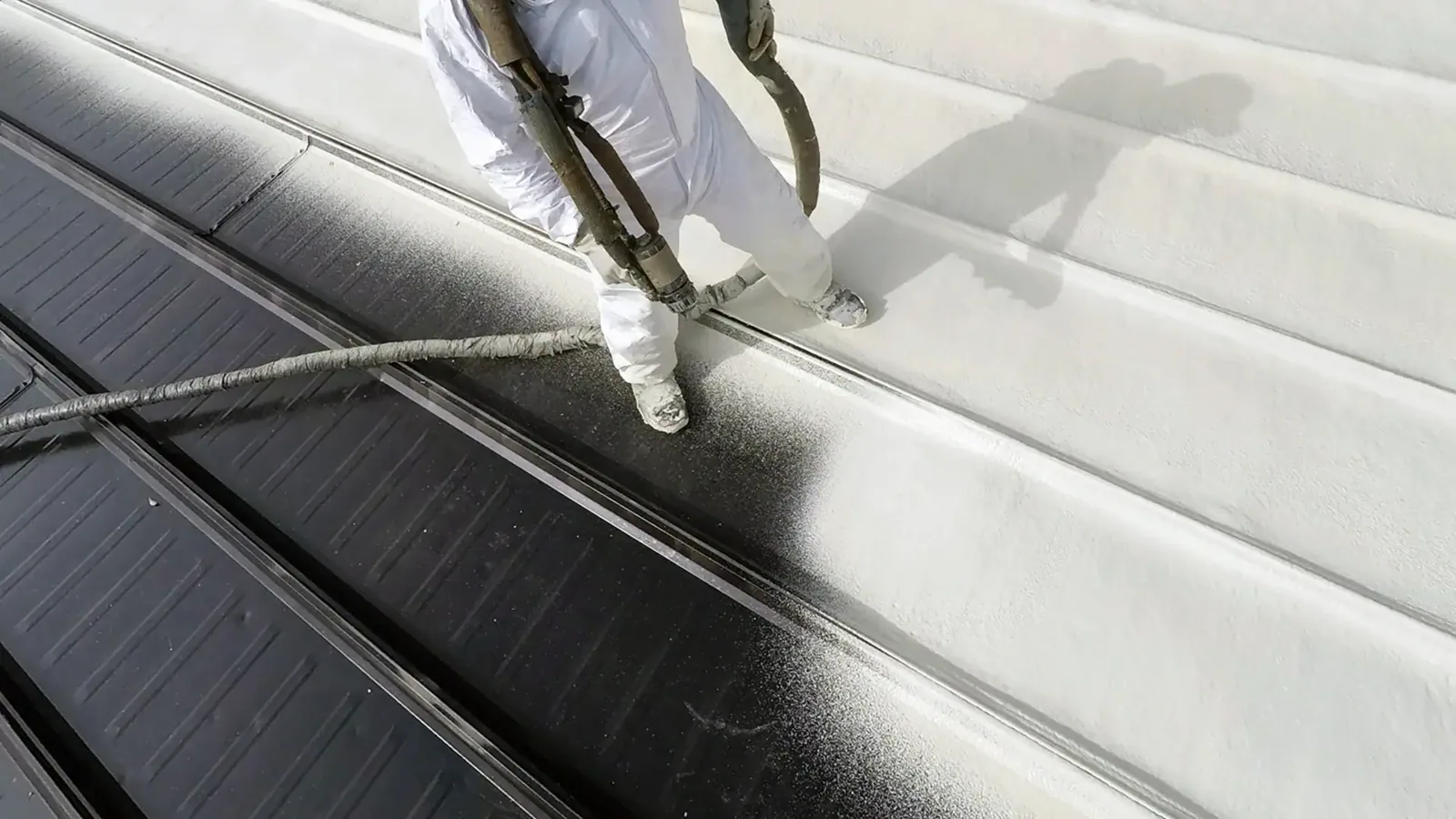
Establish the application and checking method appropriate to the product. Specified coverage and film requirements need their intended verification rather than an assumed result from the amount delivered. Record the areas and relevant checks that support acceptance of the finish.
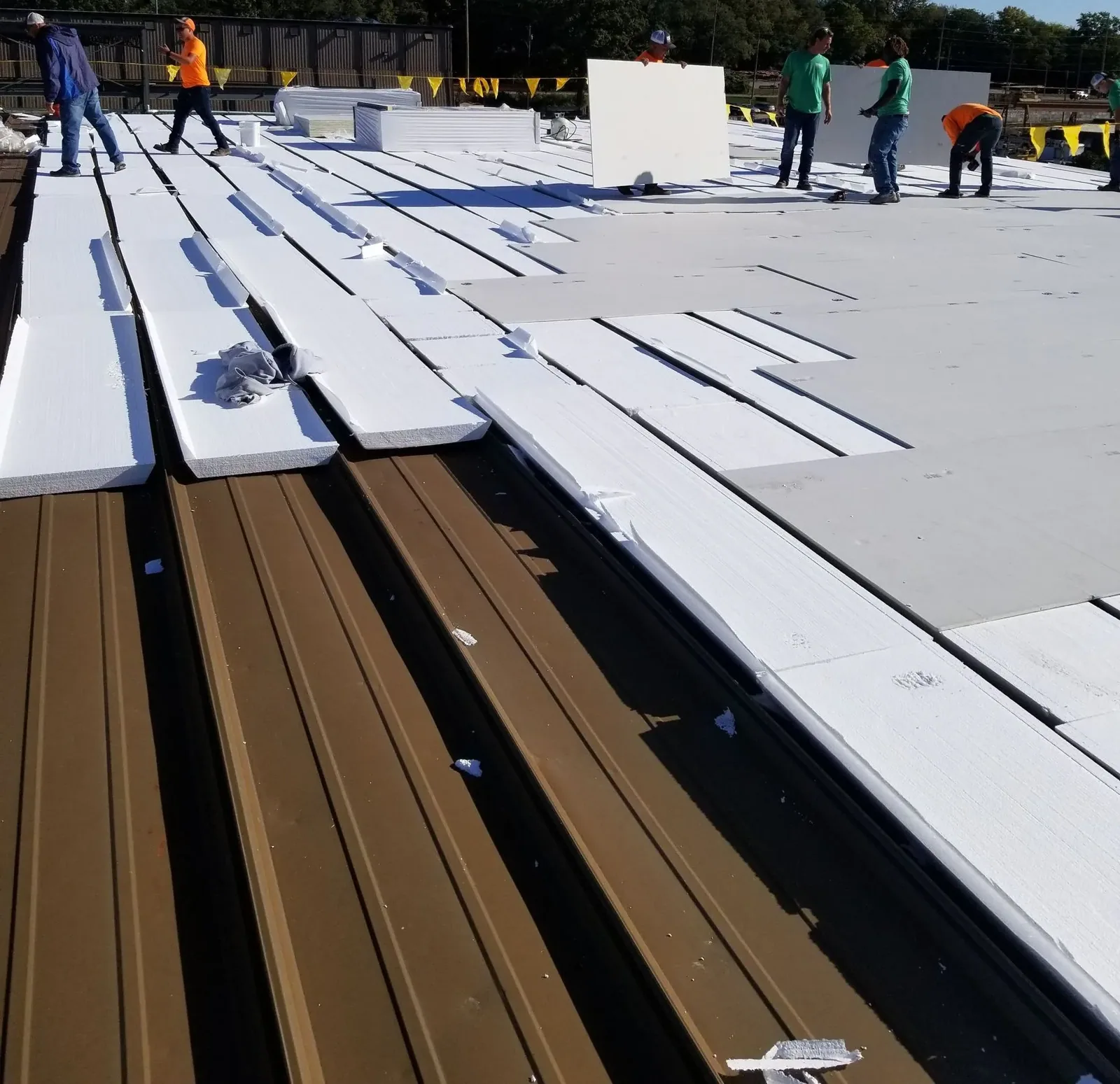
An SPF protective-coating task also needs the foam assembly and receiving condition reviewed. The finish may be one part of its system. Do not assume every silicone proposal includes reconstruction of damaged foam or hidden layers unless the measured work expressly carries that task.
For a Moffett Park coating assignment, establish the actual building and equipment contact. Research, office and industrial employment uses provide local orientation. The operator supplies current service information and permitted material handling for the proposed roof area.
At a Peery Park building, coordinate staging with present tenant activity. The specific-plan amendment remains under city review. That planning status does not supply an individual facility's operating window or receiving permission. Identify who can approve the practical route before the method depends on it.
Review work effects near intakes and occupied spaces with responsible participants. Roofing methods must preserve operating intakes. A planned air-handling change needs facility and HVAC coordination for an approved period, with return responsibility assigned. Entry permission does not release an unrelated service control.
Confirm the applicable project authority and accepted filing basis. Sunnyvale municipal provisions incorporate California's 2025 construction standards with local and later changes. Relevant assembly requirements need appropriate review, while energy applicability depends on actual alteration, compliance routes and exceptions.
Keep measured preparation separate from conditional reconstruction. If an added finding changes the task, locate it and submit its quantity, remedy and price through approval. Include unfinished-area protection and the next operation. Ownership should recognize which construction the original surface quantity accepted.
Retain selected products, preparation records and finished details at usable roof references. Relevant checks identify coverage. Actual issued warranty terms retain their notice, care and alteration requirements. Later recoating needs suitable assessment and product compatibility, not an assumed permission from the original silicone label. After equipment service, compare its altered junction with the recorded finish and assign a new preparation task where the surface has changed.
Identify the defect and selected compatible detail. A field finish does not automatically reconstruct a seam, curb or outlet task outside the defined scope.
Review documented product suitability separately from slope and discharge construction. A coating property does not independently correct inadequate geometry.
Establish the installed surface, observed residue, cleaning and any required primer or receiving reconstruction for the selected product.
Use specified installation and checking requirements, with the areas examined recorded. Delivered quantity alone does not establish the finished result.
Assess the current surface and proposed product. Different treatments or condition can change compatibility and the receiving task.
Arrange a detail walk with available finish records and the operating contact. We can mark cleaning, connection and receiving work needed before a selected coating is applied.