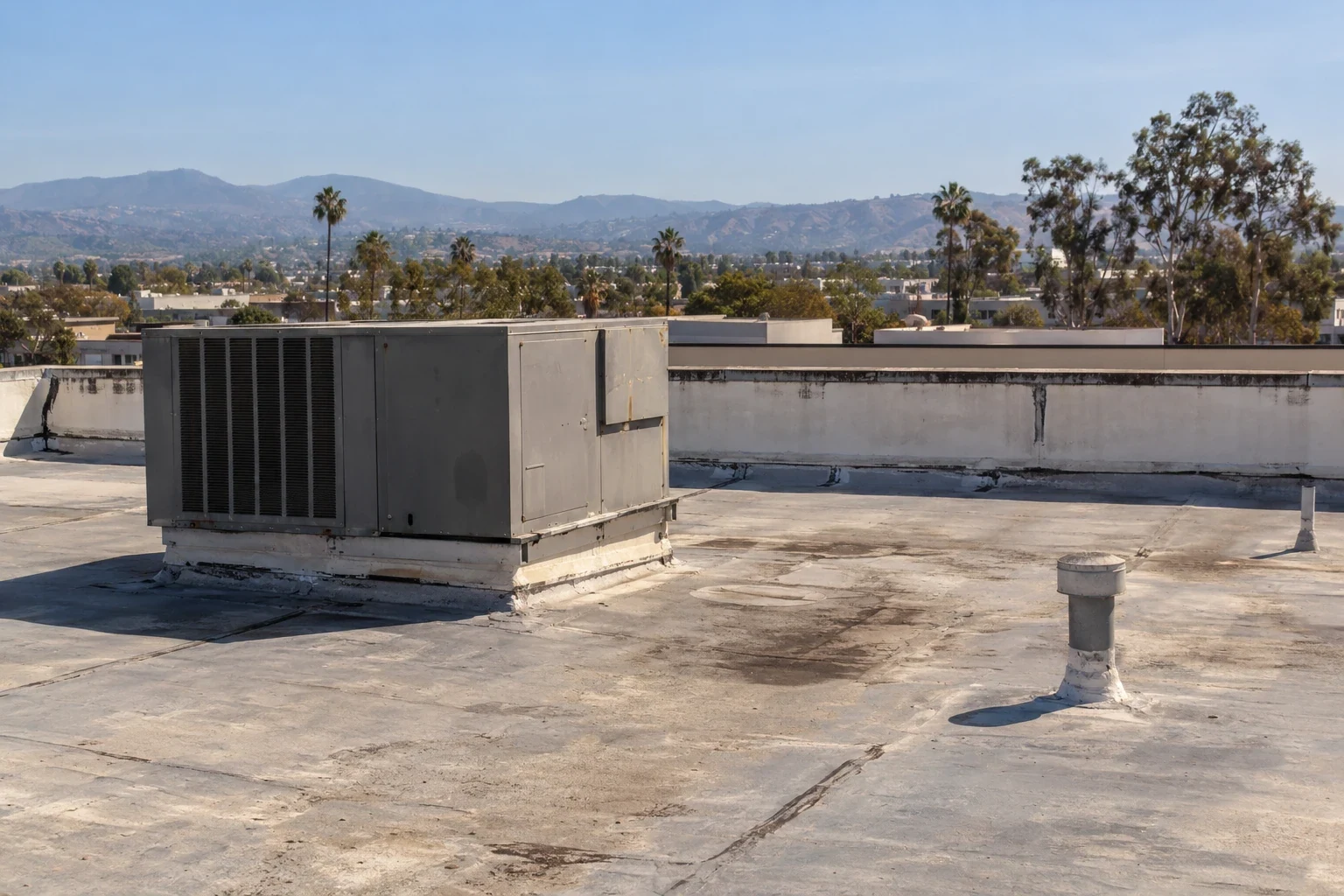
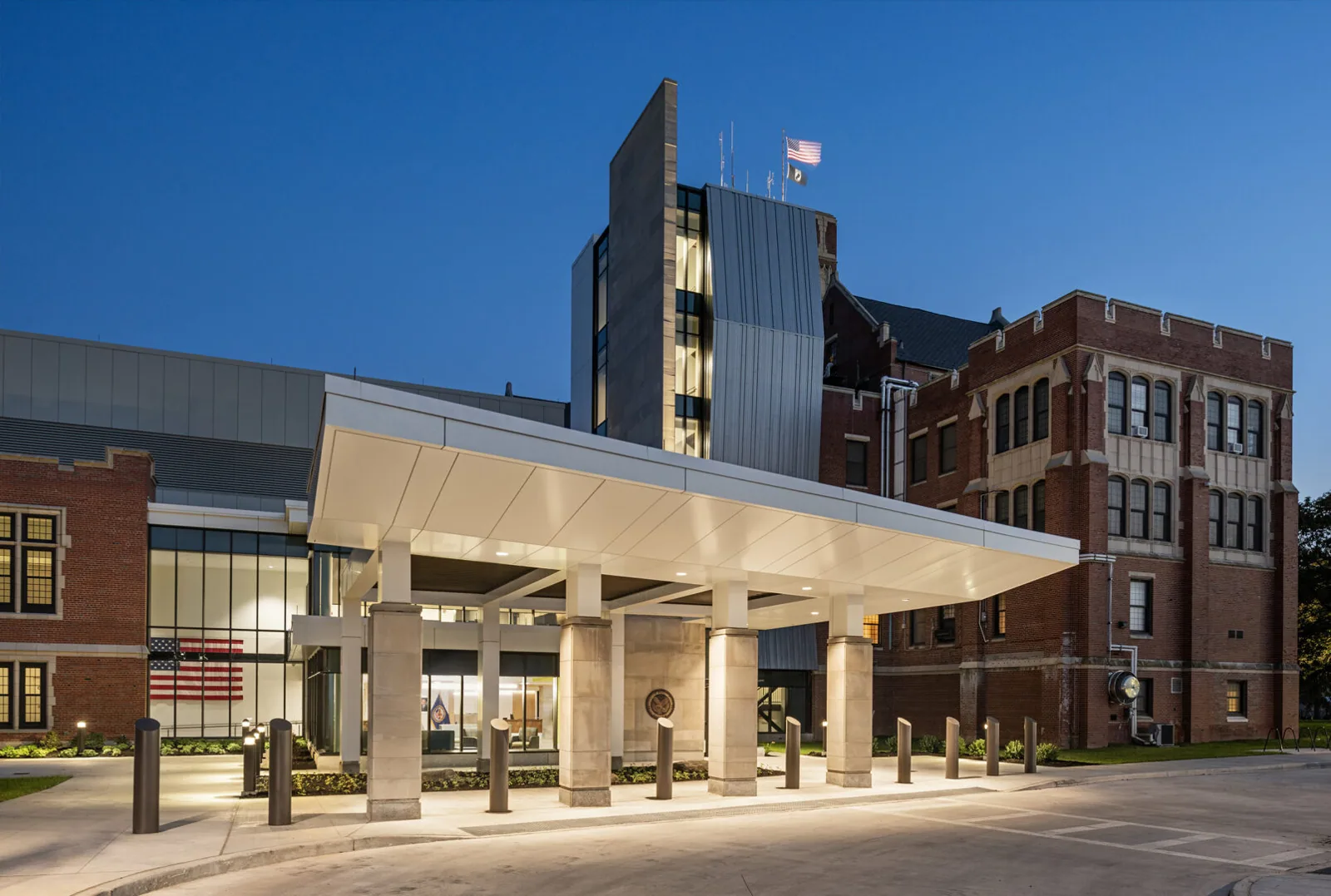
Sunnyvale manufacturing roof work addresses exhaust curbs, process openings and wet insulation. Plan repairs with clear production and trade responsibilities.
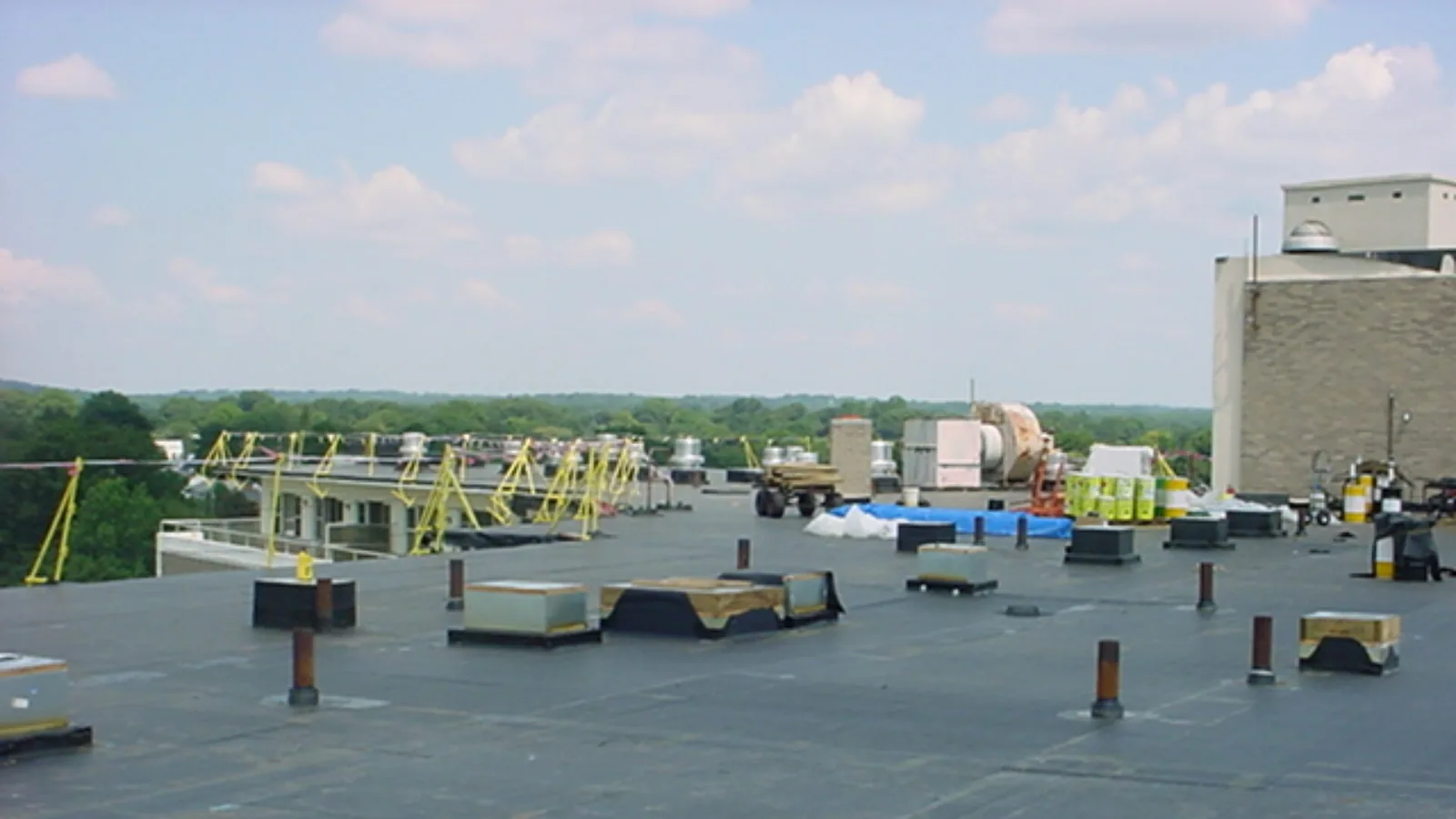
A powdery deposit against an exhaust curb deserves a closer look than the clean field sheet several feet away. On a manufacturing roof near Kifer Road in Sunnyvale, CA, the deposit may come from a process discharge, equipment servicing or ordinary debris. We examine the material, trace the affected detail and discuss operating conditions with the plant manager before selecting a cleaning method or repair. The roofing connection has to tolerate the intended exposure without obstructing the equipment.
The Lawrence Station area contains industrial and research buildings, which makes alterations to equipment and tenant space a practical inspection concern. Manufacturing properties near Lawrence Station still require an individual roof walk. We locate the active production areas beneath the roof, identify access restrictions and mark openings that cannot be disturbed until the responsible plant trade has made them safe.
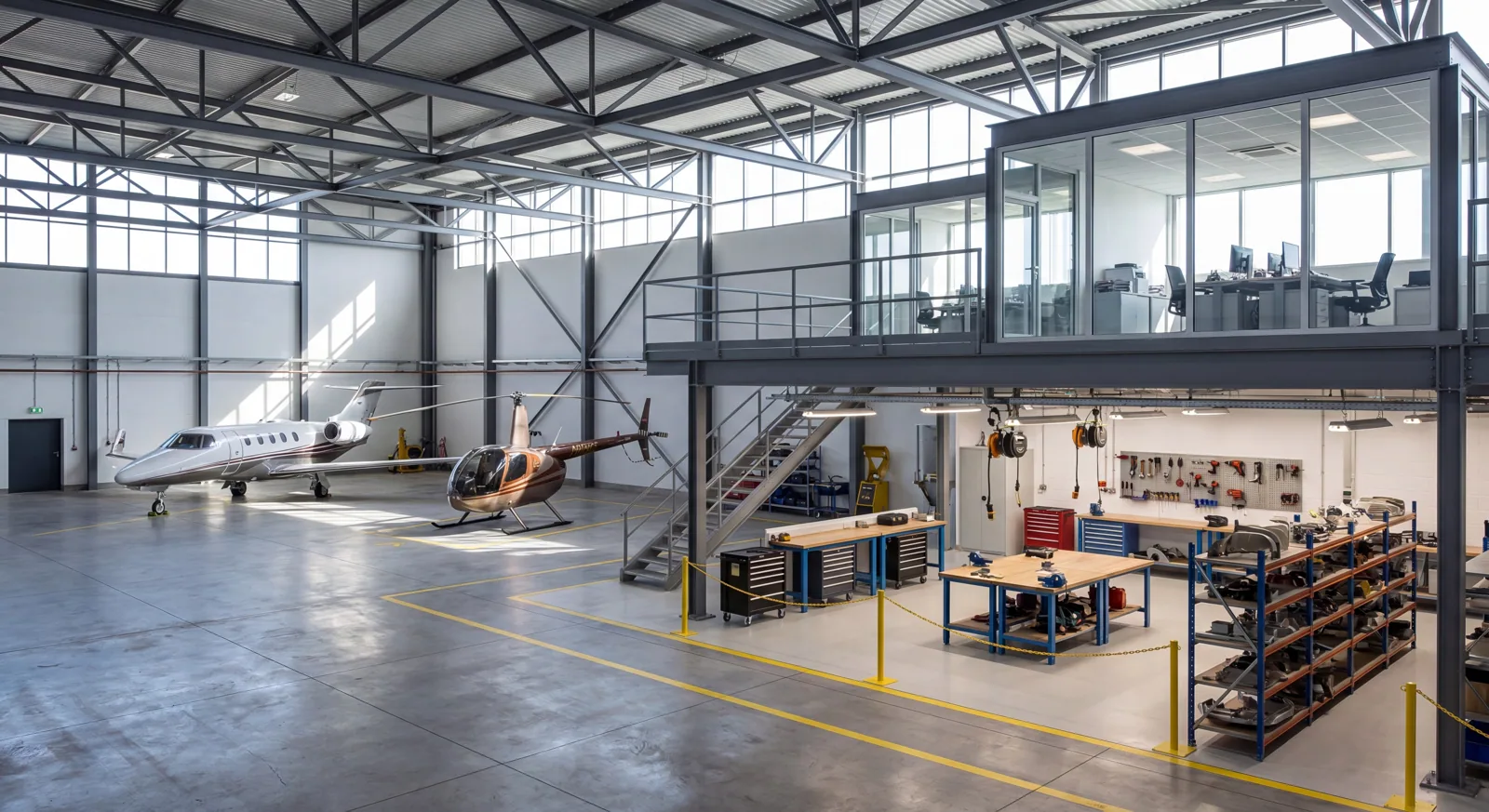
A sticky discharge beside a fan can hold dirt against a seam and interfere with the bond of a later patch. We identify the installed membrane and examine whether the exposure has softened, swollen or embrittled it. Cleaning needs to follow the material supplier's instructions; aggressive solvent use can turn a maintenance task into membrane damage. PVC roof material selection considers chemical exposure in addition to seam construction, and suitability requires the actual discharge information rather than a broad claim about manufacturing use.
The fan assembly has its own service needs. A leaking housing, condensate connection or duct joint belongs with the mechanical contractor, while we address curb flashing and its transition into the roof field. Photographs distinguish those locations so the plant manager can assign the work correctly. If a discharge keeps reaching the roof, repairing the sheet without correcting the source can leave the next patch exposed to the same condition.
A capped pipe beside a new conduit route can indicate an abandoned process connection. We ask the plant team to identify the service and confirm isolation before opening or removing anything. The electrical contractor handles energized circuits, and process specialists control their own equipment. Once the service is cleared, the roof work includes a suitable closure through the affected assembly, insulation continuity and a compatible field repair. A mound of sealant around a cut pipe is not the same as a properly closed opening.
Equipment curb and support work needs dimensions that preserve flashing height after insulation changes. Structural review establishes whether new supports and equipment loads can be carried by the deck and framing. We record the roof connection and coordinate installation order with the designer and equipment installer. Flex industrial roof alterations can involve similar equipment changes, but a plant's process restrictions may require a more specific shutdown sequence.
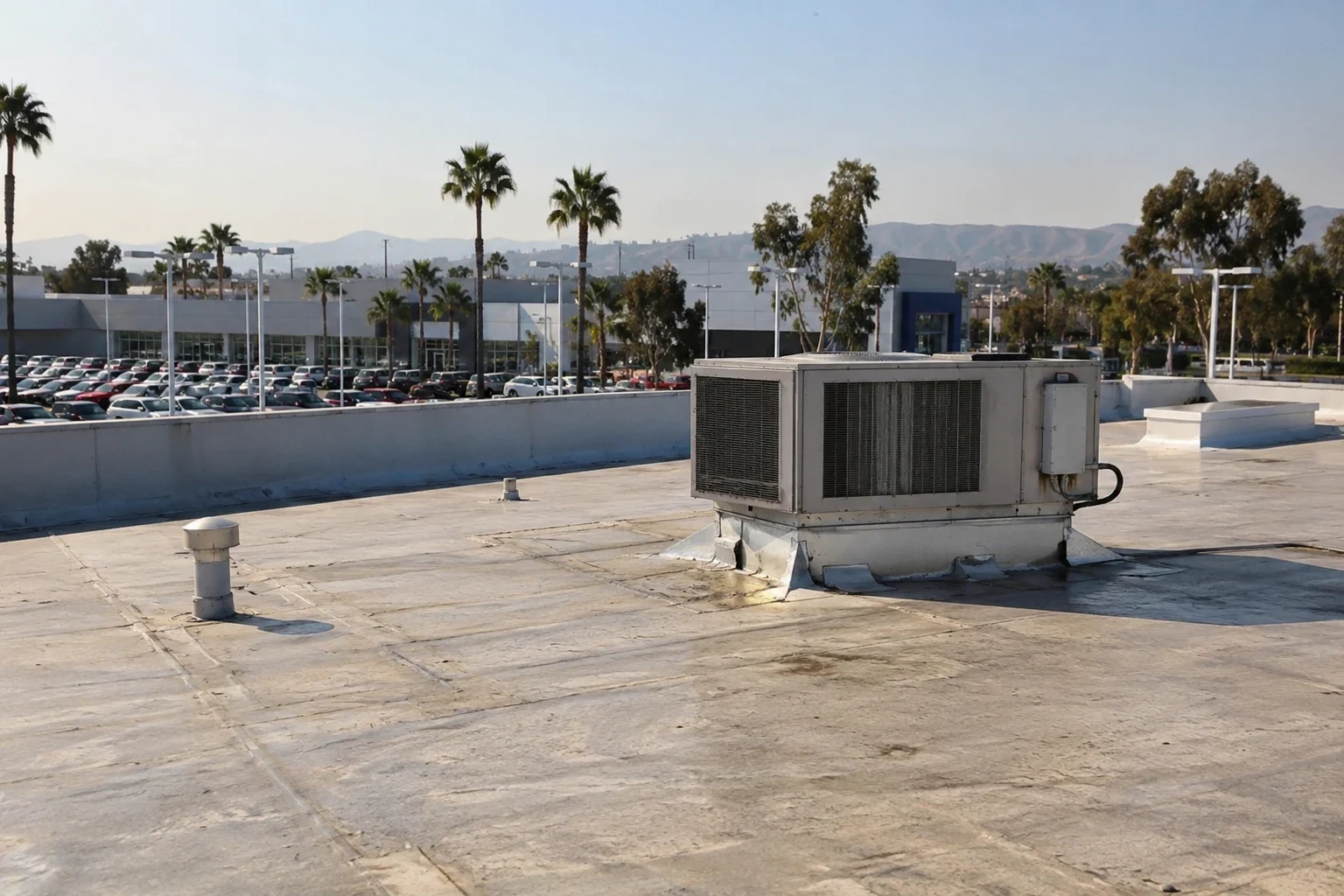
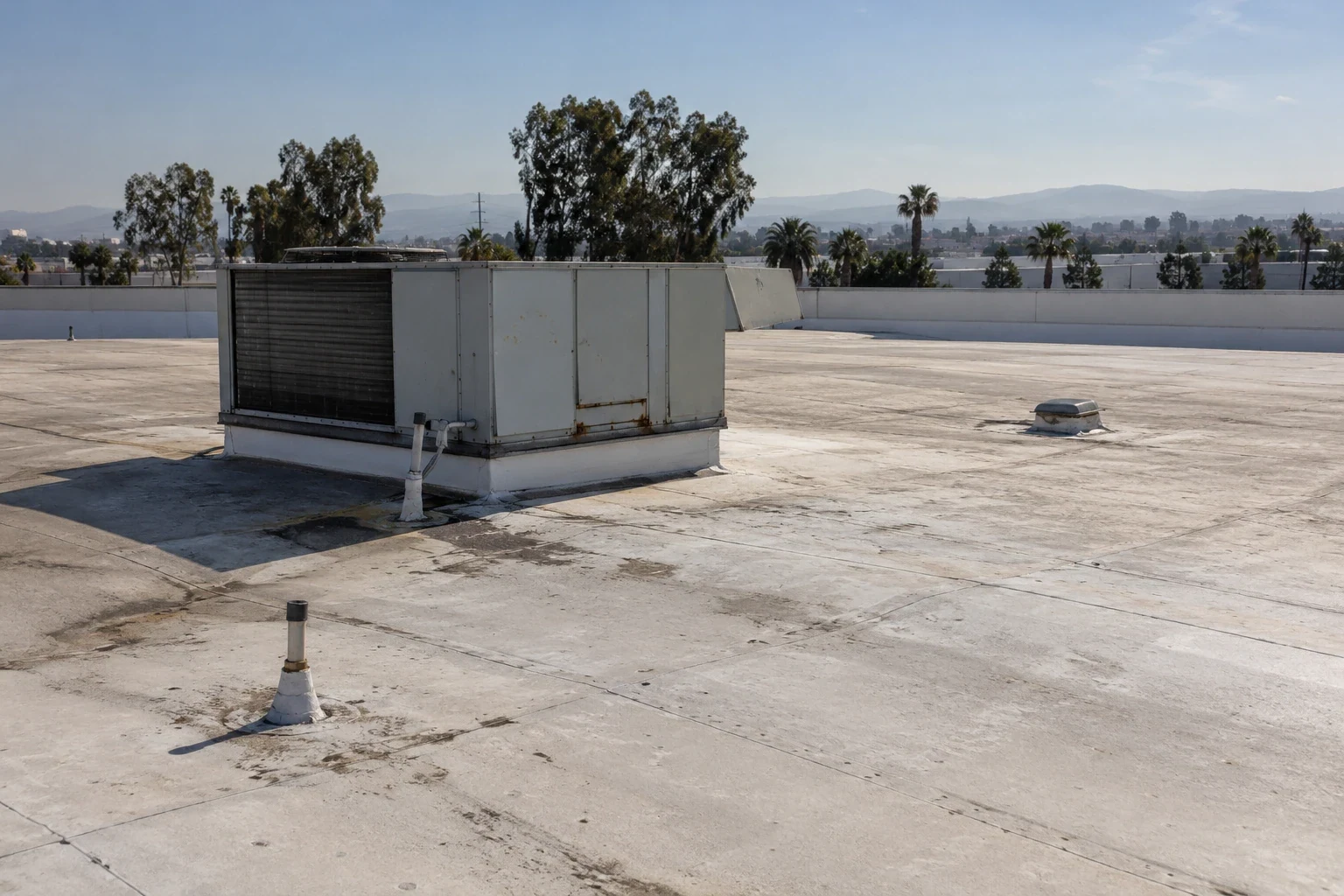
An open roof area over a production line requires more than a perimeter fence outside. We map the opening to the interior and agree on protection for machinery, materials and personnel. The plant manager controls the production interruption, while the roofing supervisor limits removal to an area that can receive a secure closure. Noise, dust and odors are considered with the facility team before selecting work methods. Air intakes near the work may need an operating plan from the mechanical trade.
A plant with warehousing attached can have different exposure and protection needs across one roof. Warehouse roof repair planning addresses stock and handling routes; production rooms may also need process-specific cleanliness or temperature controls. We divide the scope by actual interior use instead of treating the whole building as a single uninterrupted tear-off area. Each boundary includes temporary closure details and an identified person who accepts the interior protection arrangement.
Tie each roof opening to the production area beneath it and the process contacts who can review dust, odor, vibration or water-control concerns. Establish what must remain isolated while the deck or insulation is exposed, and confirm the temporary closure before moving to another bay. If a process line or exhaust condition affects the method, assign that review to the responsible plant participant. Keep production authorization distinct from roofing access so both are revisited when the scope expands.
A soft spot beside a drain or curb calls for investigation before a recover option is priced. We examine attachment and identify concealed layers through agreed test openings. Moisture readings help target that work but do not establish deck condition by themselves. Removal boundaries follow the condition found, including deteriorated insulation and unsuitable substrates. Replacement insulation and cover board must connect cleanly at curbs, sumps and changes in roof height without trapping water behind a new transition.
For an alteration on a plant within Sunnyvale authority, the accepted submission basis starts with the 2025 California Building Code and the city's amendments. The design team checks the work scope, existing occupancy and local roof-covering fire provision, including its exclusions and property applicability. Energy compliance uses the applicable alteration requirements, proposed conditioning and an accepted compliance method. The 2025 Energy Code applies to applications filed from January 1, 2026; insulation changes, roof replacement scope and available exceptions need a project decision rather than a manufacturing-wide prescription.
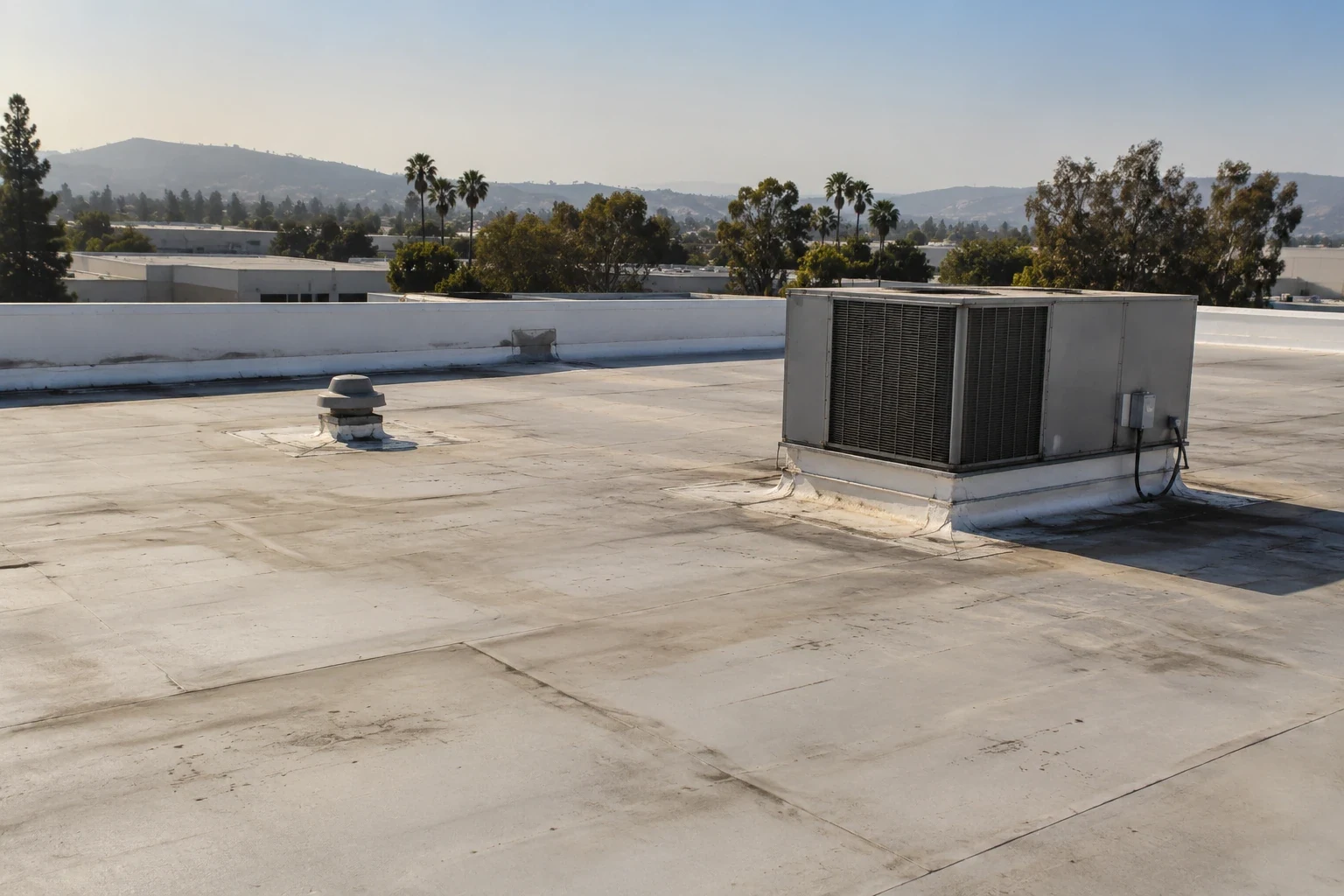
A drain strainer coated with process debris needs a different cleaning plan from scattered leaves. We record the debris and check the drain clamp ring, bowl flashing and the route water takes around equipment supports. Sunnyvale's cooler wet season follows long dry summers, so residues left during dry months can reach the inlets with the first sustained rain. A plumber investigates concealed piping restrictions, while any proposed change to drain position or capacity goes to the appropriate designer.
Peery Park is an employment district where roof access and equipment changes also need building-specific records. Its planning history does not tell us the assembly on a particular plant. We leave a marked roof plan that separates completed repairs from process-trade corrections and remaining investigations. A leak that threatens production outside the normal shift can require urgent attendance, including overnight or holiday work. Temporary containment is recorded with the permanent detail still to be completed.
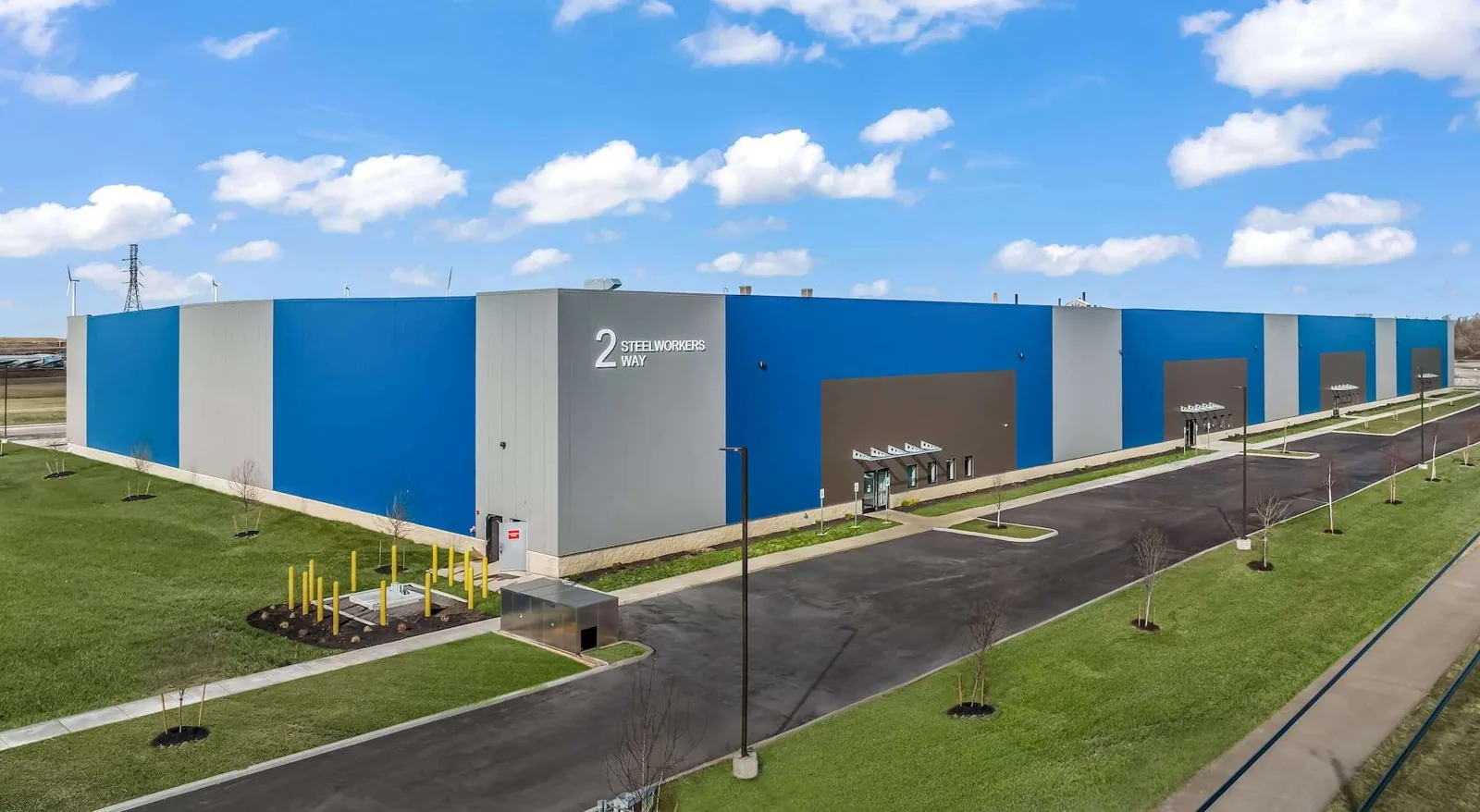
The affected material is examined first. We compare the contaminated area with sound field sheets, check whether cleaning restores a suitable repair surface and investigate deeper damage where needed. Local replacement may be practical, but ongoing discharge must be addressed by the plant and equipment team so the correction is not immediately exposed again.
Operating equipment needs review with the plant manager and mechanical trade. Heat, vibration, discharge and worker access can make a shutdown necessary even for a small flashing task. We identify the required isolation before scheduling and keep the roofing repair separate from responsibility for operating the equipment.
A discovered wet layer or damaged deck is photographed and tied to the opening location. We explain the additional removal and protection needed before extending the work. Structural damage requires the appropriate engineer or repair trade; the revised roofing detail then connects to an accepted support and substrate.
Completed detail photographs should identify the curb, pipe or field area rather than show an unlocated roof view. We also record material used, inspection observations and any remaining process or mechanical correction. The plant manager can then match each task to its location and arrange follow-up access without reconstructing the work from memory.
Arrange access with the production manager. We examine exhaust curbs, process openings and drainage, then prepare a photographed repair list that ownership can assign and review.