Roof repairs near Lawrence Station in Sunnyvale address industrial details and tenant alterations. Get photographs, repair boundaries and a clear work scope.
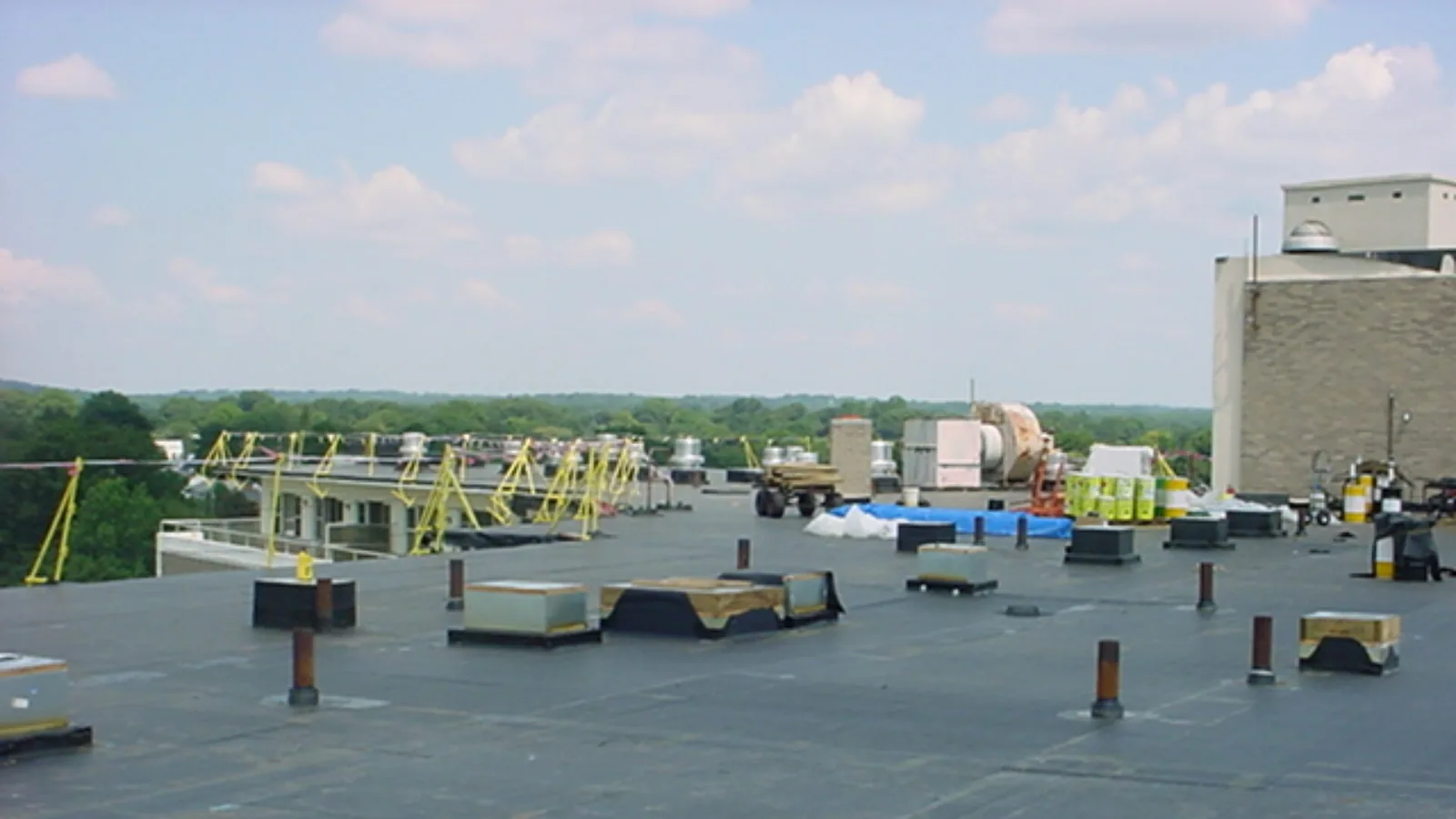
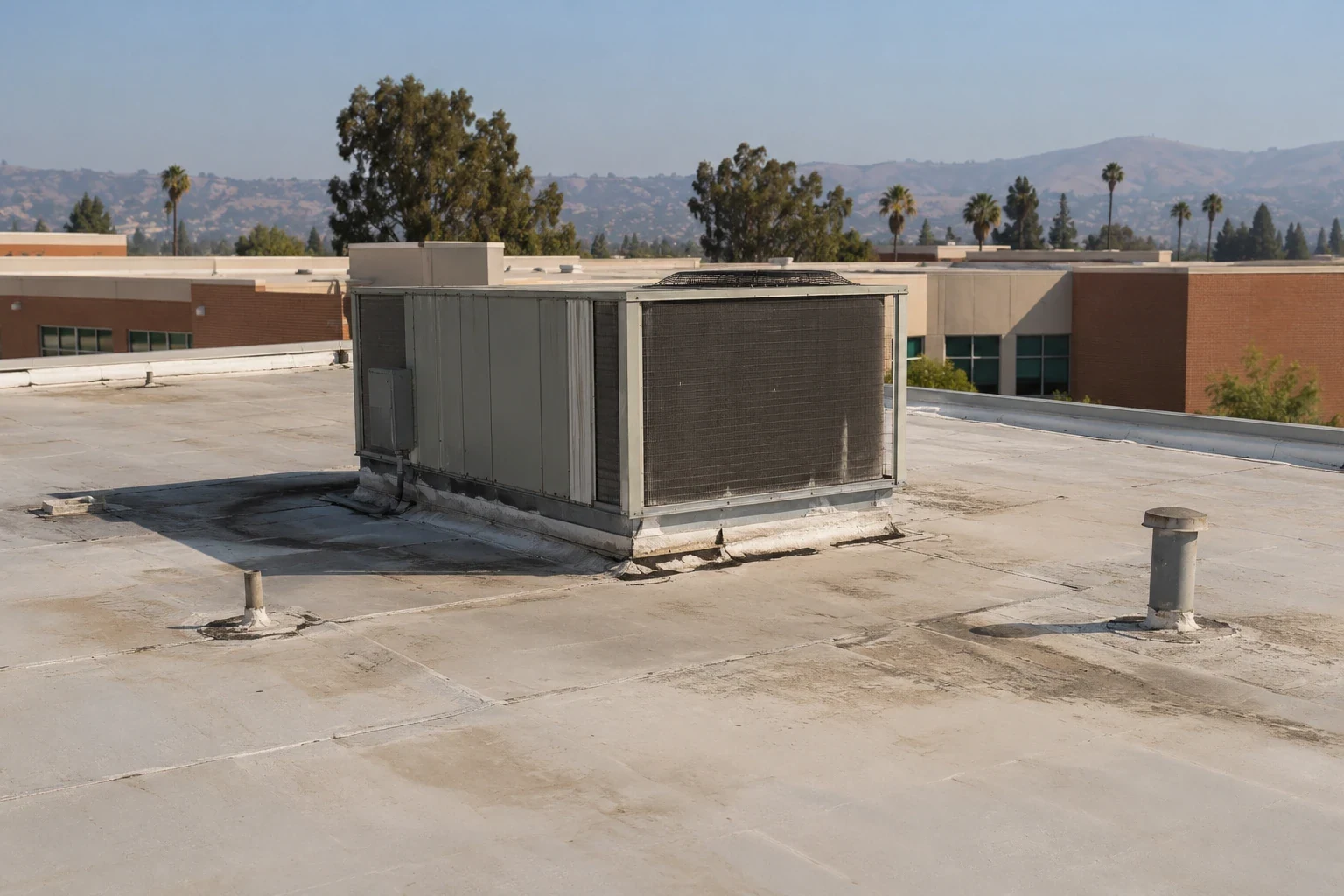
A closed conduit opening on an industrial roof near Kifer Road can look finished until its support and perimeter connection are examined. We check the retained field material, the closure construction and any moisture beneath the affected area. Commercial Roofing Sunnyvale repairs and reroofs commercial buildings in the Lawrence Station Area of Sunnyvale, CA. The manager gets a task tied to an actual detail, with investigation limits stated before the work is approved.
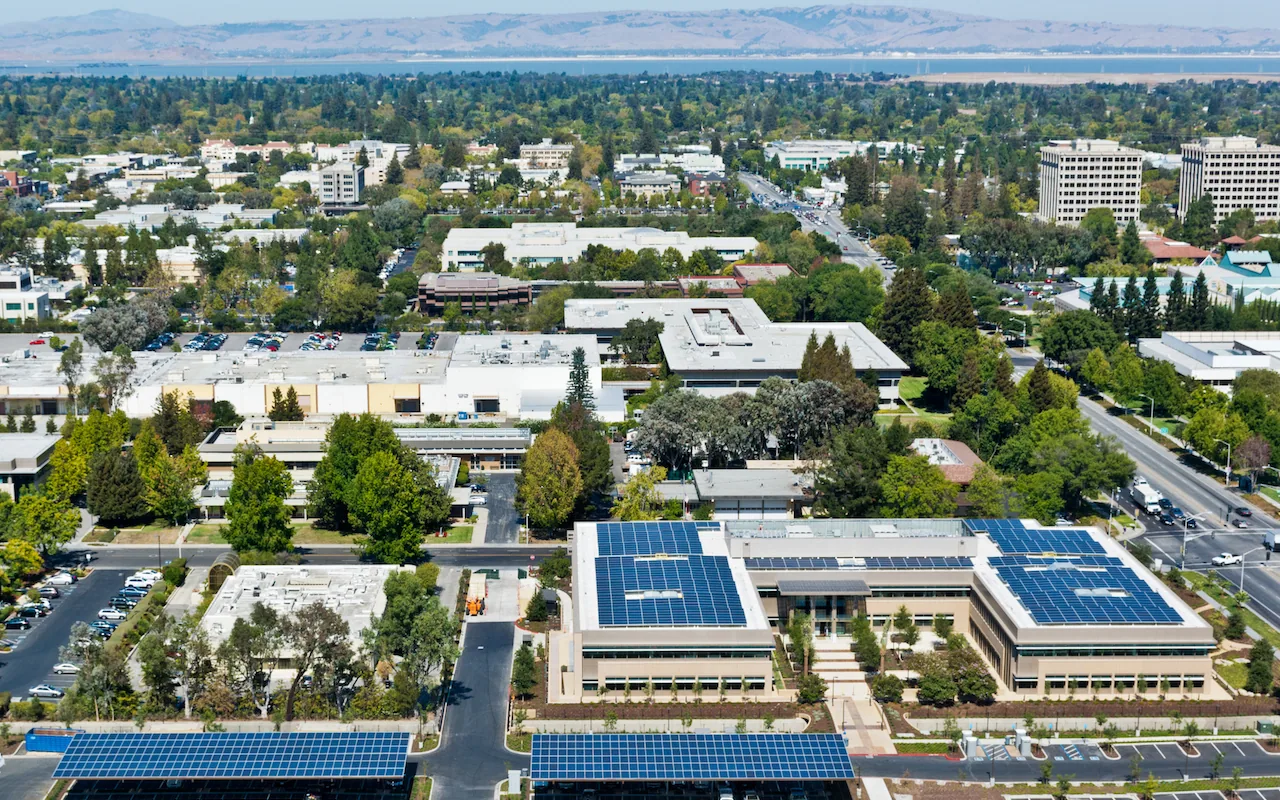
The Lawrence Station Area Plan includes land bounded by Lawrence Expressway, Kifer Road, Reed Avenue, Uranium Drive and Commercial Street. Its planning description identifies older one- and two-story industrial buildings. We use the actual building record and inspection to establish construction, previous alterations and the roof assembly at each property.
A production or service change may leave several kinds of roof opening in close proximity. We identify pipe boots, equipment curbs and closed penetrations individually. The surrounding membrane must remain sound enough to accept the proposed connection. Where old sealant has spread across a seam, careful removal and examination may be needed before the repair boundary can be established. The area immediately around the opening can be as consequential as the opening itself.
For roofing on flex-industrial premises, we review the spaces and equipment beneath the work with management. A roofing closure does not replace mechanical, electrical or structural review of altered equipment. Clear work boundaries keep those required tasks from being hidden in a general repair item.
A tenant improvement can add service routes before the roofing has been inspected. We examine where workers will walk, where supports will bear and how the new penetrations will connect to retained roofing. The equipment layout should allow the roof details to be completed and inspected. A support placed over an unfinished connection can create a future access problem as well as an immediate roofing defect.
Our penetration flashing repairs include identification of active and abandoned openings. We record the closure location and material for management. A later improvement can then distinguish a former penetration from a current service connection without relying on memory or a disconnected equipment label.
Soft roofing, repeated patching and a wet interior report can justify closer assembly investigation. We establish which observations are confirmed and which need an authorized opening. Wet insulation may extend beyond the visible surface defect. Removal boundaries follow what the investigation finds, with additional exposed conditions recorded before they are covered. The deck is checked for the condition relevant to the planned attachment and repair.
A localized industrial roof repair scope should identify the material being retained and the area being rebuilt. Broader roof deterioration may make replacement more practical. We explain that comparison with the observed assembly, rather than treating an older building date as proof that its current roof must be replaced.
A service yard can be busy even where there is little public foot traffic. We establish the actual delivery, waste handling and staff routes before roof materials are lifted. Management identifies rooms requiring restricted access and operations that cannot be interrupted without advance arrangements. The roofing schedule then identifies removal zones, temporary closures and the process for unexpected deck findings. Include an alternate waiting point if gate or tenant activity delays the approved route.
Workplace properties in Peery Park can use comparable access records, while their restrictions remain distinct. We protect the specific entrances and interior areas affected by the Lawrence Station project. Suitable walkway pads are placed along agreed service paths without obstructing outlets or concealing details that need future examination.
A Lawrence Station-area property may have a different work route from the neighboring business or industrial parcel. Confirm who controls the gate, loading position and roof access at the assigned building, then record any escort or shift restriction. The authorized receiver should identify the person who can release material handling and the person who approves the roofing scope. Keep those responsibilities distinct if the tenant, landlord and maintenance team are separate parties.
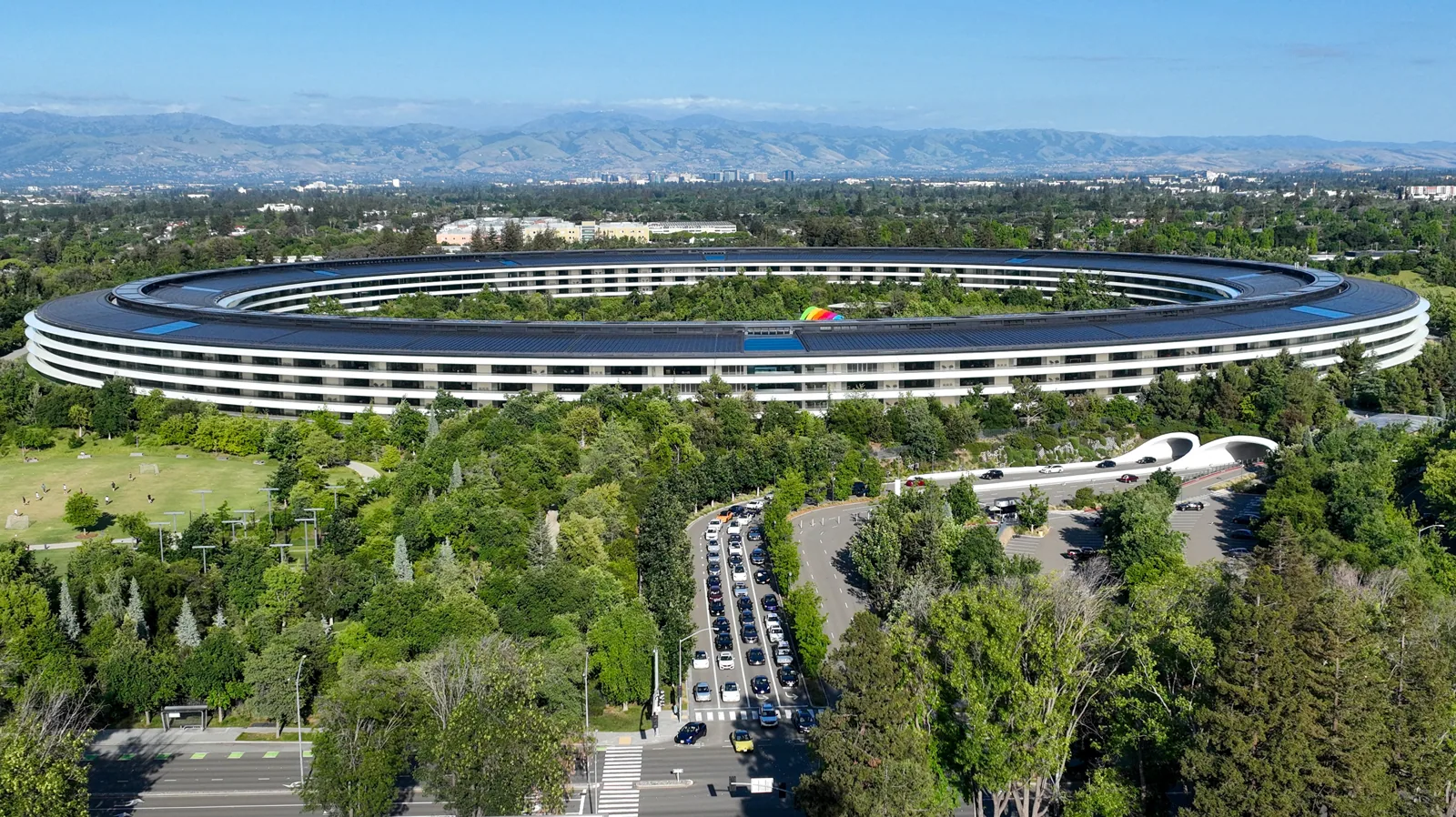
Published plans for an office, R&D and manufacturing campus on Kifer Road describe proposed floor area. They do not establish a roof quantity, current completion or an installed system. Our project scope follows the property address, present construction and responsible authority. The accepted code and submission basis are established before substantial reroof work is detailed, including any applicable local amendments.
Energy compliance is reviewed for the work being proposed, its method and applicable exceptions. For properties near Santa Clara, we confirm jurisdiction rather than extending a Sunnyvale permit assumption across a boundary. Our roof assessment for property decisions states what was accessible and what still needs investigation.
Sunnyvale’s cooler wet season follows months of dry summer conditions. Before that repeated wetting, we inspect drain bowls, scupper entries and the field material leading to them. Cleaning alone is incomplete if the drain clamp ring is loose or a scupper connection has separated. We photograph those components and distinguish a roofing repair from downstream pipe work.
Low areas need their own diagnosis. Water can remain because of debris, a depressed assembly or outlet performance. Proposed slope changes require a compatible connection to retained roofing and appropriate design review. We identify that preparation rather than presenting a new cricket as an automatic cure for every ponding location.
Roof access may allow much of the initial examination without entry below. We still need management to identify the interior location, restrictions and potential exposure beneath the opening. Any controlled investigation is coordinated before it proceeds. The final report states what was examined, what remained concealed and whether interior or equipment access is needed to settle the repair scope.
Building age alone does not establish the current roof assembly or condition. We inspect retained roofing, identify available construction records and investigate moisture where warranted. Repair, recover eligibility and replacement are compared against those findings. The proposal explains any concealed-condition allowance and the limits of the inspection before ownership approves a larger project.
Identify the interior position, time and any operational restrictions, with photographs where safe. Protect people and equipment through the responsible interior response. We can arrange urgent roof help during evenings, weekends and holidays. The roof investigation then relates that information to actual outlets, joints and penetrations without assuming the interior mark identifies the entry point.
Examine the installation sequence first. Repairs below proposed supports may need to be completed while access remains available. The equipment trade establishes its support requirements, and we identify the waterproofing details and compatible protection. Final photographs should be taken before supports conceal the connection, with the completed arrangement marked for future inspections.
It should separate accessible cleaning, flashing correction and any plumbing or design investigation. We identify the outlet location, observed component condition and the retained roofing around it. A slope correction also needs a stated boundary and connection detail. Those distinctions let ownership approve a defined task and understand why another trade may have to act before roofing can finish.
Contact Commercial Roofing Sunnyvale about the industrial roof details needing examination. We can prepare a roof plan with repair photographs and defined corrective tasks for your ownership review.