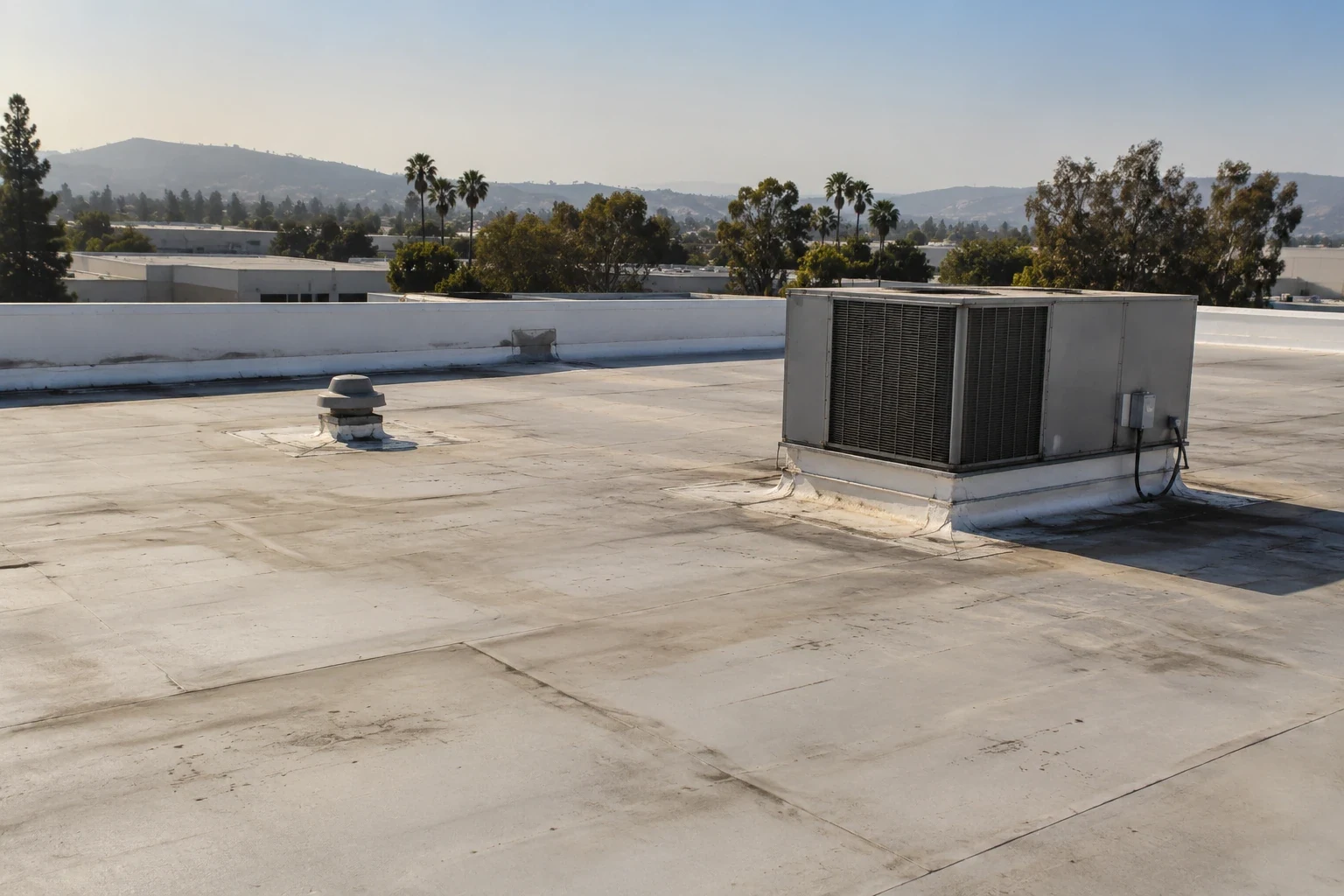
Sunnyvale warehouse roofing addresses wet insulation, roof drains, loading access and stored goods. Get a measured repair scope with marked roof photographs.
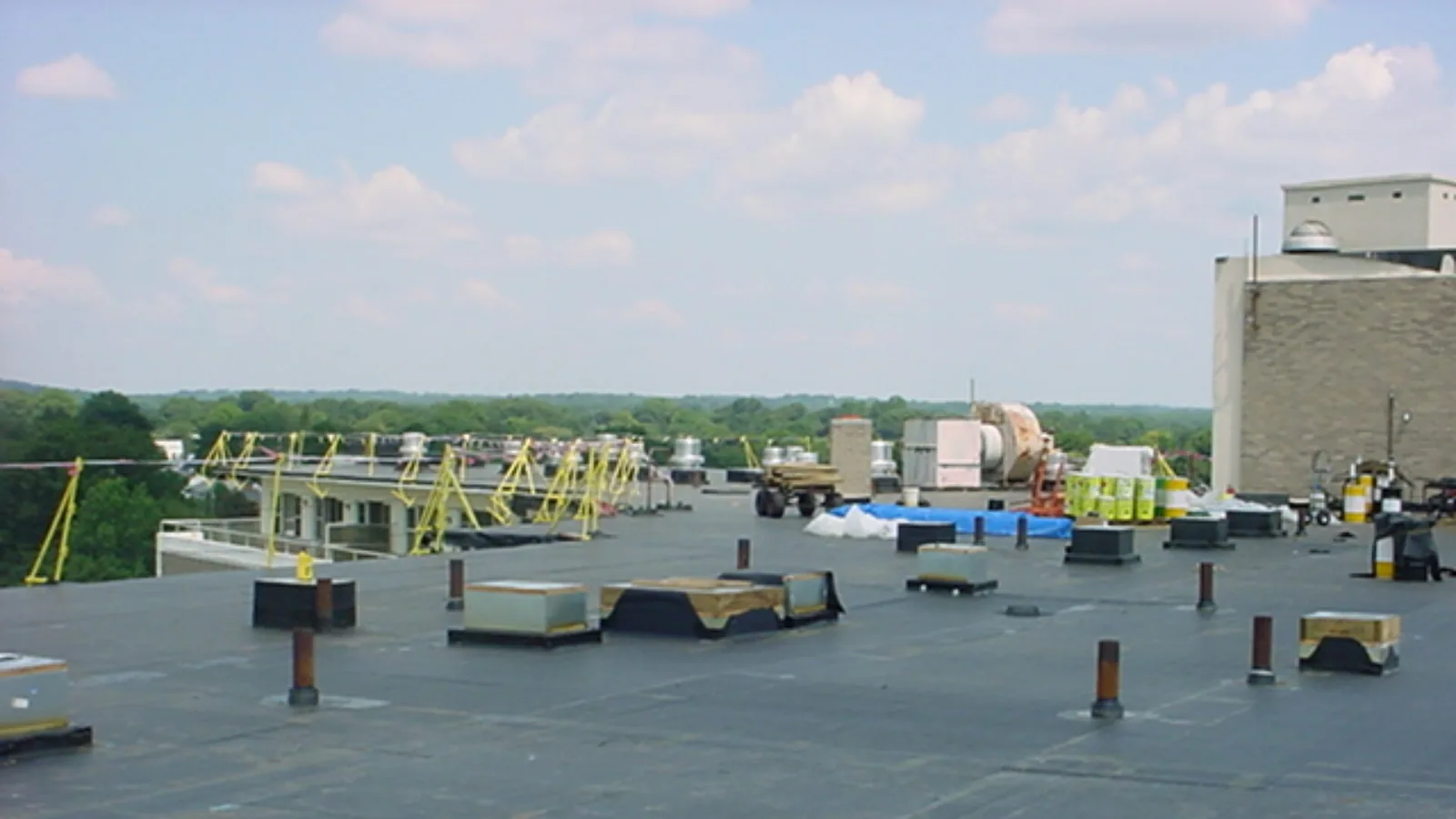
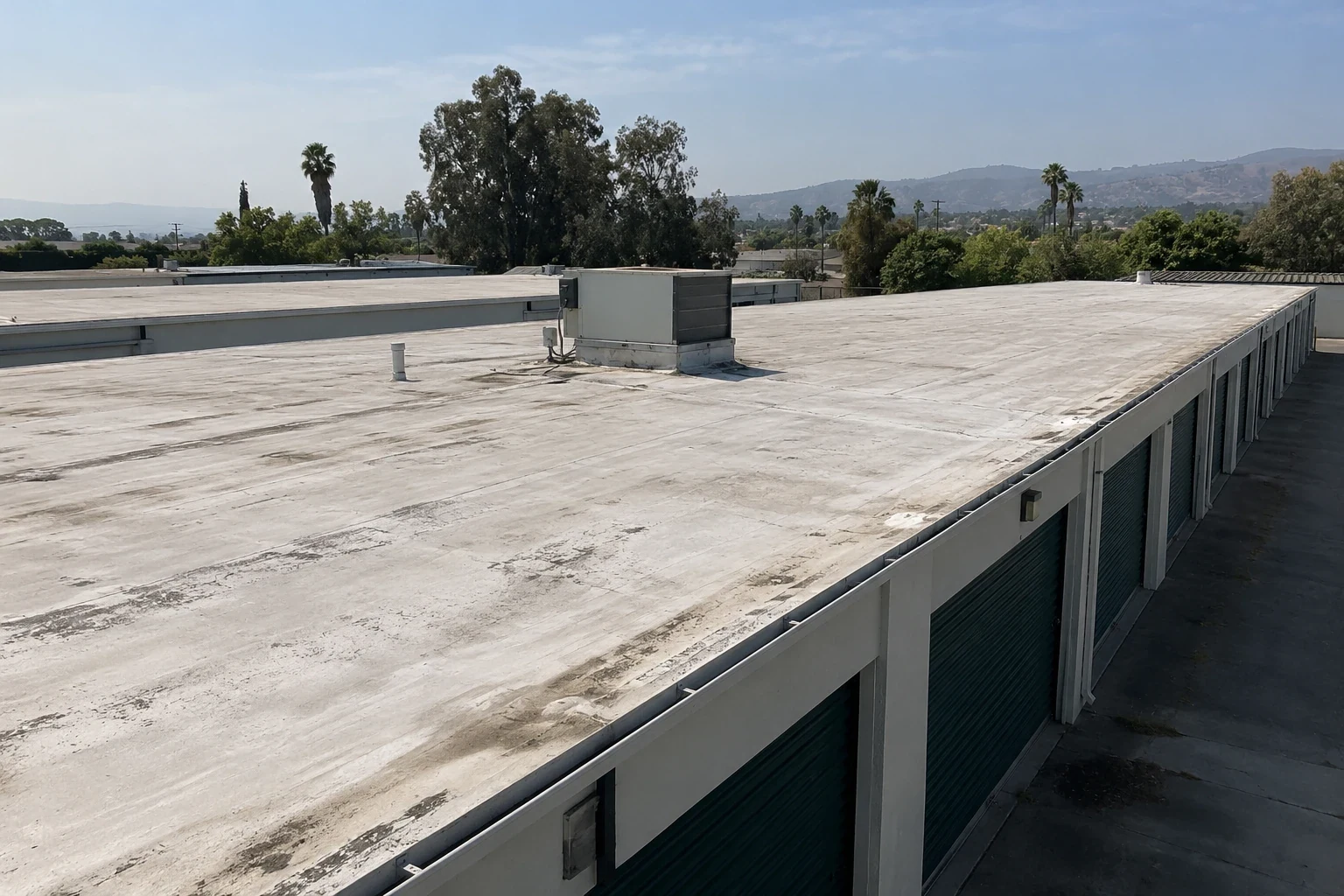
A scuffed membrane beside a warehouse exhaust fan tells us where service traffic crosses the roof. Loose pad edges, unsupported conduit and a puncture near the fan may need different corrections. At a warehouse in Sunnyvale, CA, we connect those observations to the storage operation beneath them. Water above pallet racks needs prompt control, but the permanent repair still requires a sound bond, compatible field material and a check for moisture beneath the damaged surface.
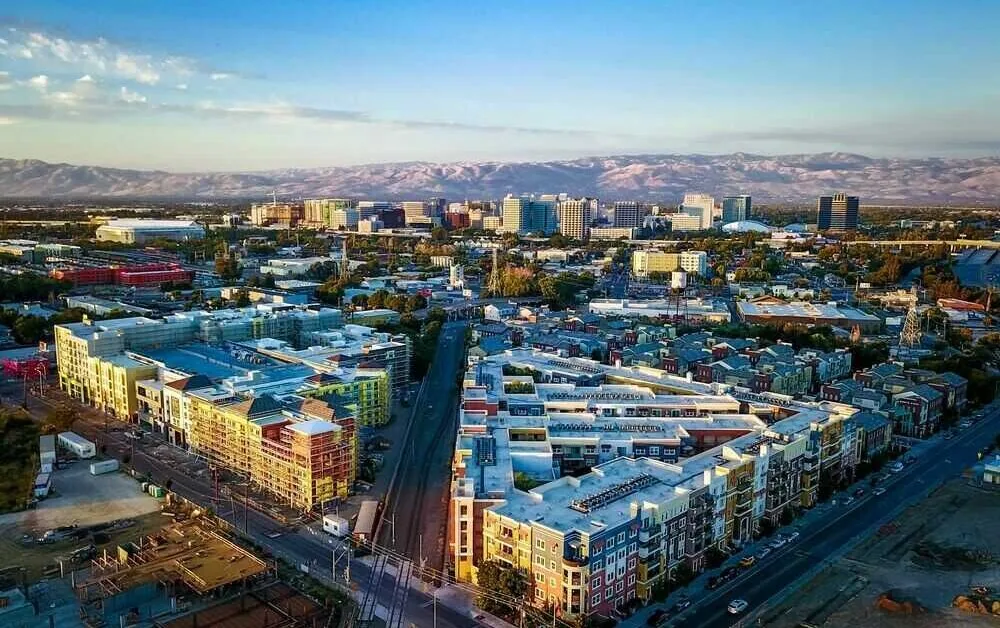
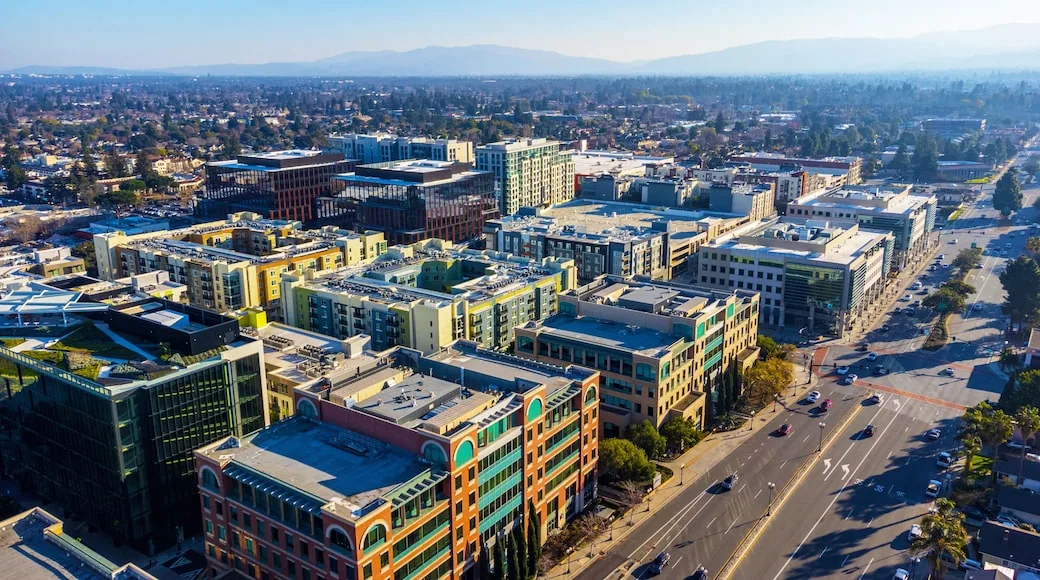
The Lawrence Station area includes industrial and research buildings along Kifer Road. That setting helps establish the commercial context, not the construction of a particular warehouse. We obtain the roof layout and examine the deck, perimeter and openings directly. Warehouse properties near Lawrence Station need a roof scope tied to the actual storage arrangement, loading access and equipment, including any tenant changes absent from the available drawings.
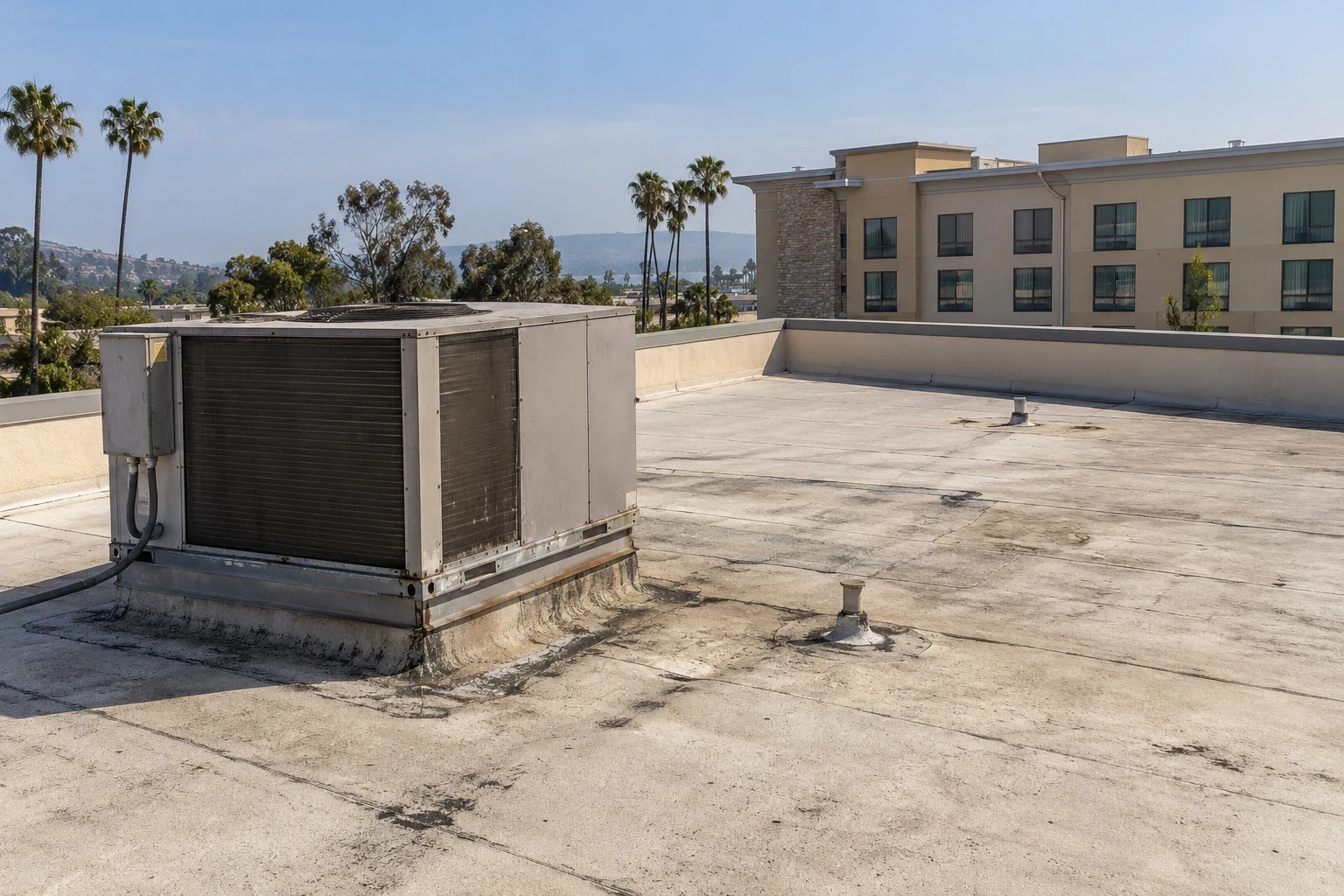
Membrane damage near a service path can be small at the surface and wider underneath. We clean enough of the detail to identify the cut, examine the attachment nearby and check the insulation where evidence warrants an opening. A compatible patch requires the preparation and joining method specified for that material. For a thermoplastic repair, the weld is examined after it cools; coating over a dirty cut does not create the same connection.
A forklift does not need roof access to affect the work plan. Its route through the loading area can conflict with material deliveries and debris removal. We arrange the staging position with the warehouse manager and keep the access path separate from active handling operations. On the roof, service walkways should reach equipment without blocking drain flow. We identify pad placement and support corrections that reduce repeat damage after the roofing crew leaves.
A dark ring surrounding a drain can represent an old water level, surface deposits or material deterioration. We inspect the drain clamp ring, the membrane at the bowl and the slope into the inlet. A missing strainer can expose the pipe to debris; an intact strainer can still be obstructed. Drain and scupper corrections include the roofing connection, while a plumber investigates restricted piping and confirms the drain system capacity where that issue is suspected.
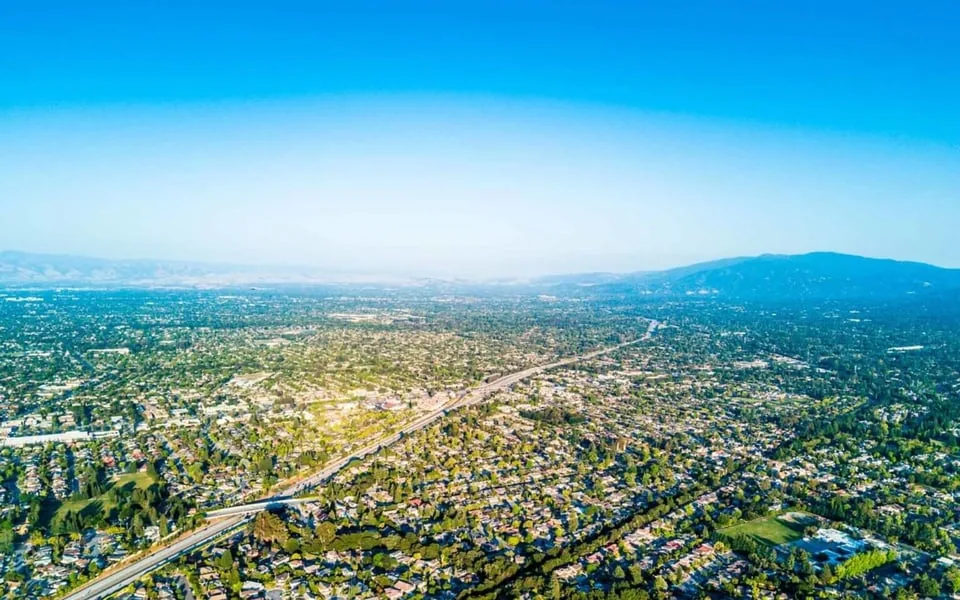
Long dry summers followed by cooler-season rain in Sunnyvale make a dry-day appearance an incomplete assessment of drainage. We record low spots and inspect adjoining seams rather than assuming that standing water is harmless because it has evaporated. Moffett Park is another northern Sunnyvale employment district where a property inspection must establish the roof elevations. Its location or planning totals do not establish the drainage condition of a storage building.
A warehouse converted to temperature-controlled storage introduces an assembly question beyond the visible covering. Interior humidity, insulation continuity and vapor movement need review with the design team. Cold storage roof construction must account for the intended interior conditions. We identify existing layers and locations where an equipment support or pipe interrupts them, then coordinate the roofing connection with the refrigeration and mechanical trades.
Additional conveyor controls, exhaust equipment or solar standoffs should not be installed as isolated penetrations without a support and flashing arrangement. The engineer checks the structural load path as required; the electrical trade handles wiring and safe isolation. We close abandoned openings after their services are removed. For buildings with a more intensive dispatch operation, distribution center roofing also requires coordination of dock activity and vehicle movements during the work.
Recovering a warehouse roof requires evidence that the retained construction can accept another system. We examine layer count, attachment, moisture and deck condition within the scope of the investigation. Wet insulation that remains enclosed can reduce thermal performance and compromise attachment. Openings and test results establish removal boundaries more reliably than a diagram drawn only from stains. Insulation and cover board work also considers transitions around curbs, drain sumps and roof edges.
For a reroof in Sunnyvale jurisdiction, we establish the responsible authority and the accepted permit basis before choosing details. The local building-code basis combines the 2025 California Building Code and Sunnyvale amendments. Roof covering fire classification needs a property-specific review of the local provision, its applicability and exclusions. An energy designer reviews the proposed alteration under the 2025 Energy Code for applications filed on or after January 1, 2026. Conditioned status, insulation scope, compliance method and applicable exceptions affect the result; a warehouse label alone does not select the requirements.
Map roof conditions to the warehouse grid or another permanent reference that staff can recognize from below. When insulation or decking is opened, keep the removal boundary small enough for the finding to be reviewed before stored goods are exposed to dust or weather. The daily closeout should note temporary protection, any material left staged overhead and the next area scheduled. Match roof access with lift traffic and inventory moves so the operator can clear a receiving lane only for the task that needs it.
A roof opening above tall racks needs a protection arrangement that warehouse staff can actually maintain. We map the work zone to the interior, discuss moving vulnerable stock and establish who checks the protected area during the shift. Tear-off limits should follow the amount of new assembly that can be installed and secured that day. Temporary closures need compatible materials and a deliberate connection to the remaining roof, especially beside a curb or perimeter return.
The cost assessment includes access, concealed deterioration, equipment density and handling constraints. We show the difference between a puncture repair and replacement of an affected assembly. A photographed roof condition record gives ownership identifiable findings and investigation limits. Active water entry can require a night, weekend or holiday response; we remain available at those times and document any temporary measure that still needs a permanent correction.
The inspection also checks roof hatch access and the condition of the landing beside it. A damaged hatch curb or missing safe service route can affect every subsequent visit. We record that work independently from a leak patch.
Exterior patching can often proceed without opening the deck, provided the damaged area is sound and the method does not introduce a hazard below. We inspect the assembly and coordinate the position with warehouse staff. Wet-insulation removal or deck repair needs a separate interior protection and stock-movement plan.
Each puncture needs its own repair before a restoration system is considered. We assess material compatibility, attachment and moisture, then inspect the completed repairs. A coating is unsuitable as a shortcut over an unstable or wet assembly. Its preparation and thickness requirements must be included in the work.
An equipment walk reconciles the drawing with the installed roof. We locate each fan, examine its curb flashing and record active and abandoned services. The mechanical contractor confirms operating requirements before removal or disconnection. The corrected roof plan preserves those positions for later maintenance.
Cleaning the inlet removes one possible restriction. We then inspect drainage levels and the connection into the bowl, and may coordinate a piping check with a plumber. Persistent water in a depression can require tapered insulation or another designed correction rather than repeated strainer cleaning.
Schedule a roof walk with the warehouse manager. We photograph the field damage, equipment details and drainage findings, then mark a clear corrective list for ownership.