Distribution roof work in Sunnyvale coordinates dispatch lanes, dock activity, drainage and rooftop equipment. Review a photographed scope before work starts.
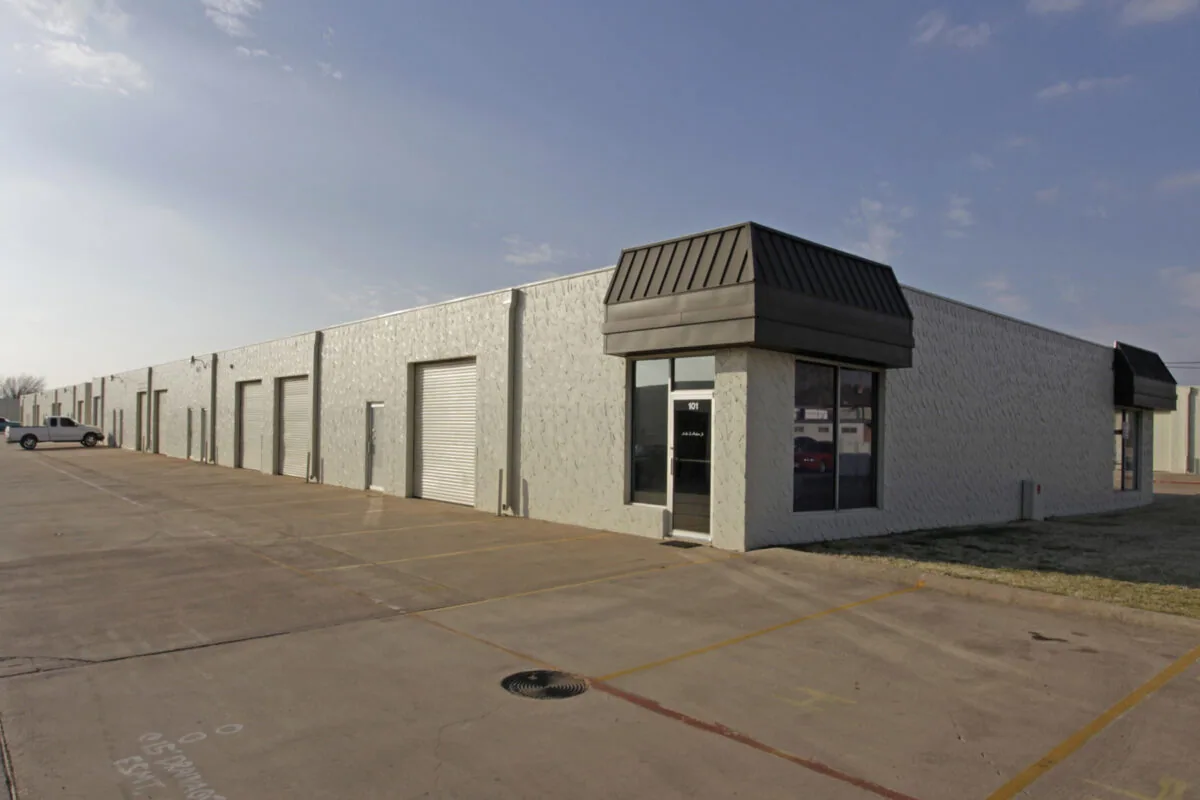
The roof edge above a dispatch lane can make a simple flashing repair a difficult access task. A work lift, falling debris protection and the movement of delivery vehicles must all fit the same space. On a distribution property in Sunnyvale, CA, we examine the roof defect and its access together. A clean repair detail matters, and so does an arrangement that lets the dock supervisor protect people while the work proceeds.
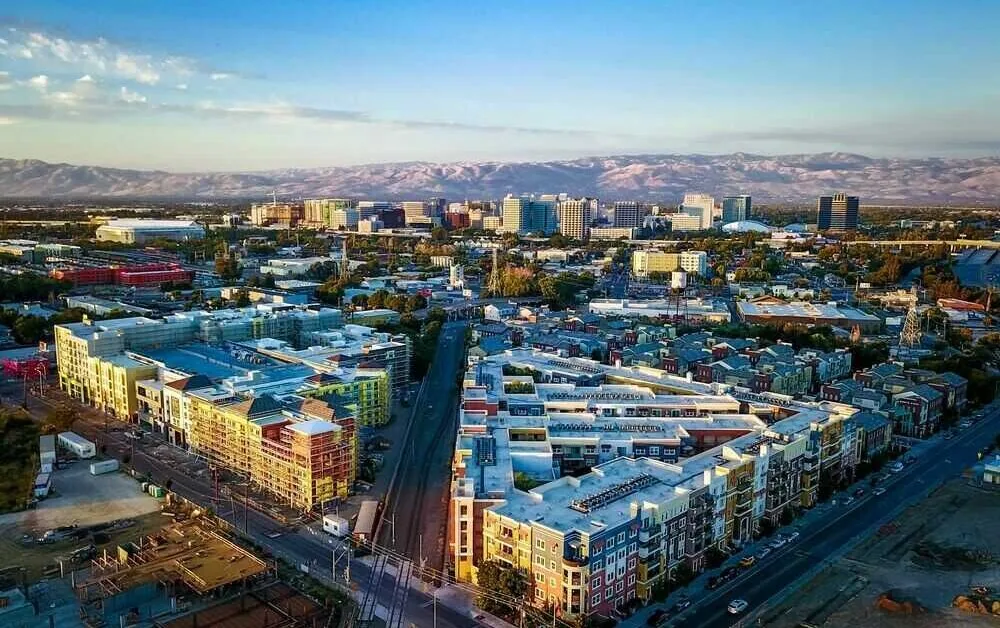
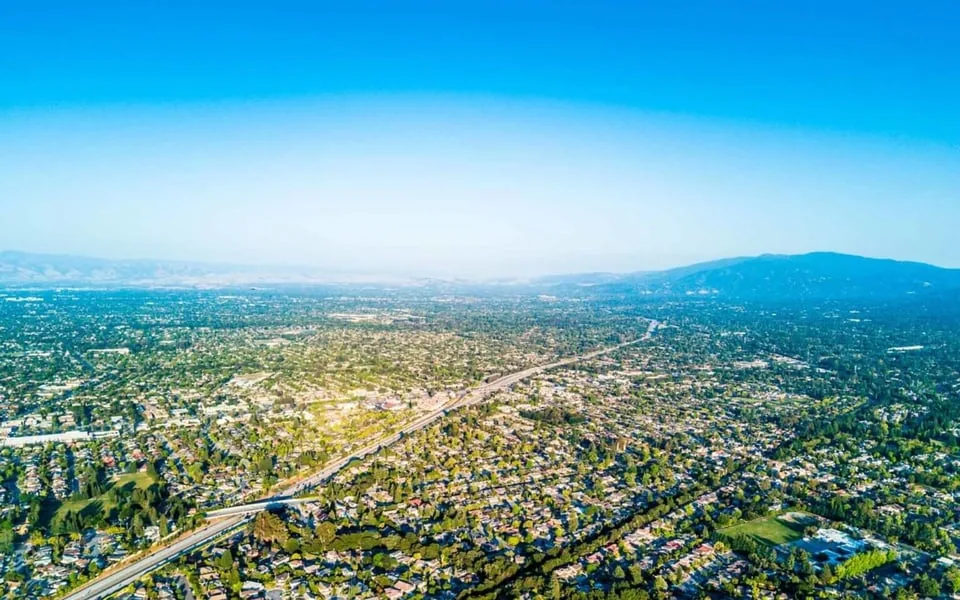
State Route 237 connects Sunnyvale with Milpitas and Mountain View. A dispatch operation serving that road network still needs its own delivery schedule evaluated rather than assumptions about quiet hours. In the Lawrence Station and Kifer Road industrial area, roof work near Lawrence Station begins with the actual building, equipment and loading pattern. We record the roofing problem without inferring assembly or roof age from the district.
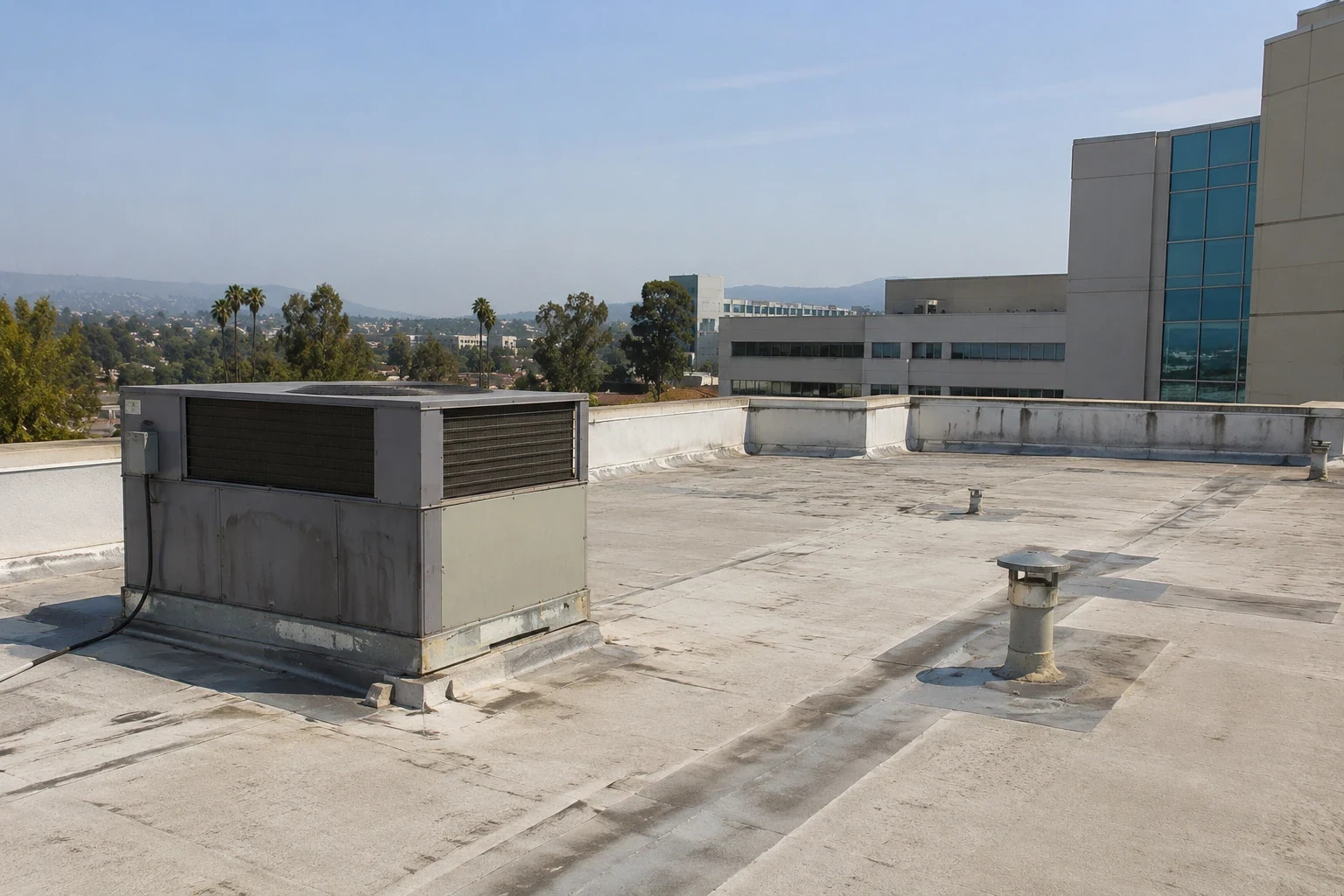
A crane delivery can conflict with a trailer queue before any roof work begins. We review lifting positions, exclusion areas and material storage with operations personnel. The lift provider selects and operates suitable equipment; the property manager coordinates the affected traffic routes. Roofing deliveries need a designated receiving position that does not turn a marked emergency route into storage. Loads placed on the roof require approval appropriate to the deck and structure. Record which dock and roof zone share the planned equipment route.
The roof staging plan identifies where insulation bundles and removed material can sit. Concentrated stacks impose a different demand from the installed assembly. A structural engineer evaluates loading where necessary, and we adjust placement to the approved limits. Warehouse roof repairs share the need to protect stored goods, while dispatch facilities may need additional coordination around sorter schedules, trailer exchanges and time-sensitive outbound freight.
Divide a large roof assignment into identifiable zones tied to dispatch operations and delivery windows. Confirm where lifts, dumpsters and incoming materials can wait without obstructing trailer turns or emergency routes. For each zone, state the crew access, opening limit and closing detail required before the next dispatch change. If a sequence slips, give the property team a revised handoff showing the area still available and the receiving lane it may affect.
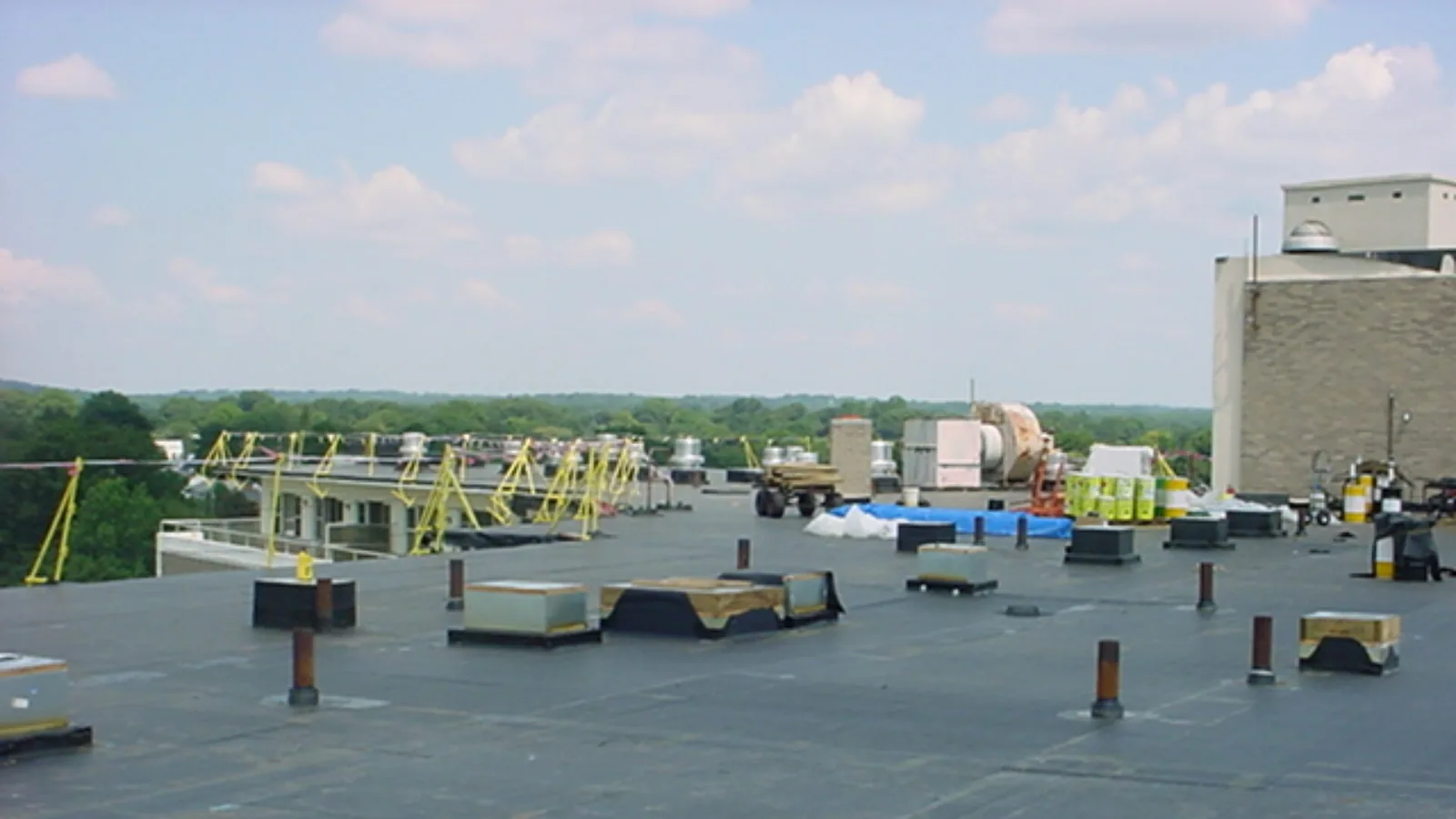
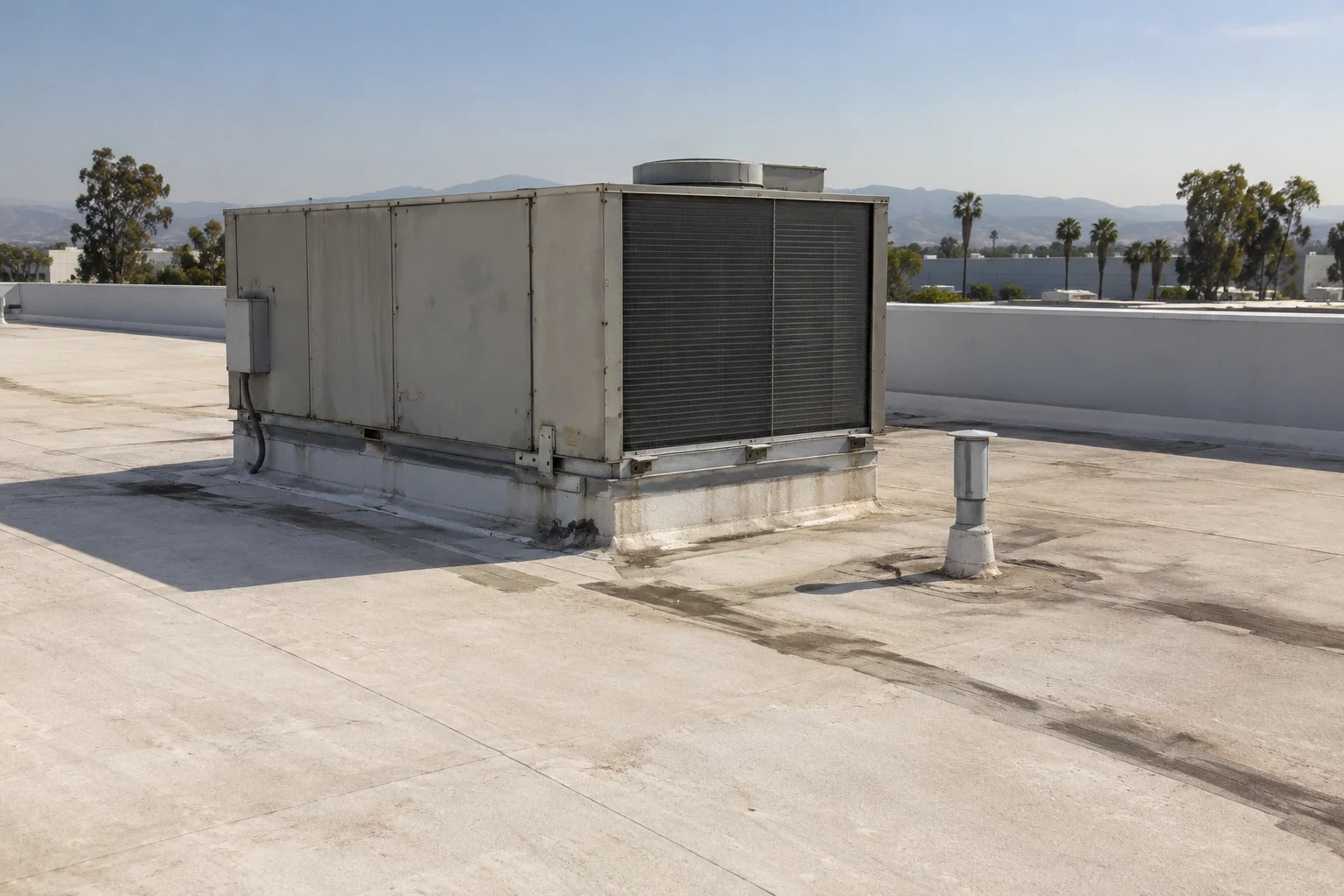
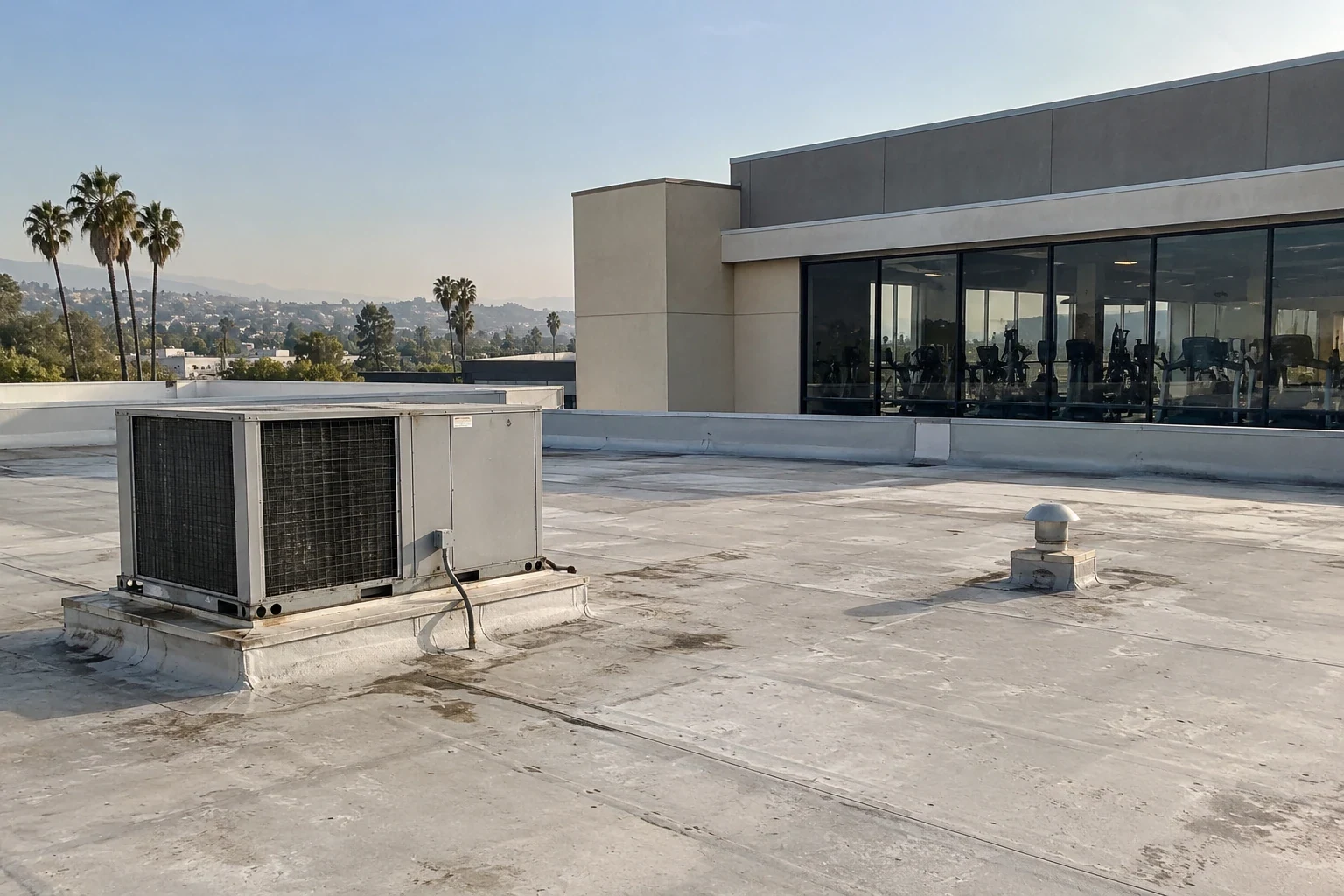
An exhaust curb beside a communications route has several separate interfaces: the curb flashing, conduit supports, equipment connection and adjacent field seams. We inspect each interface and record which trade must address it. A weathered pitch pan can require removal of unsuitable sealer and reconstruction of the detail. An abandoned cable opening should be closed after the electrical or communications trade confirms its use has ended, rather than buried under another layer of roofing material.
Weld inspection on compatible thermoplastic sheets uses a seam probe at the completed seam edge. Loose sections are marked and prepared for a repair appropriate to the installed material. A split recurring at a fixed support may indicate movement or restraint that patching alone will not resolve. Equipment curb and support repairs include the roof connection, with mechanical stability and structural support reviewed by their responsible trades.
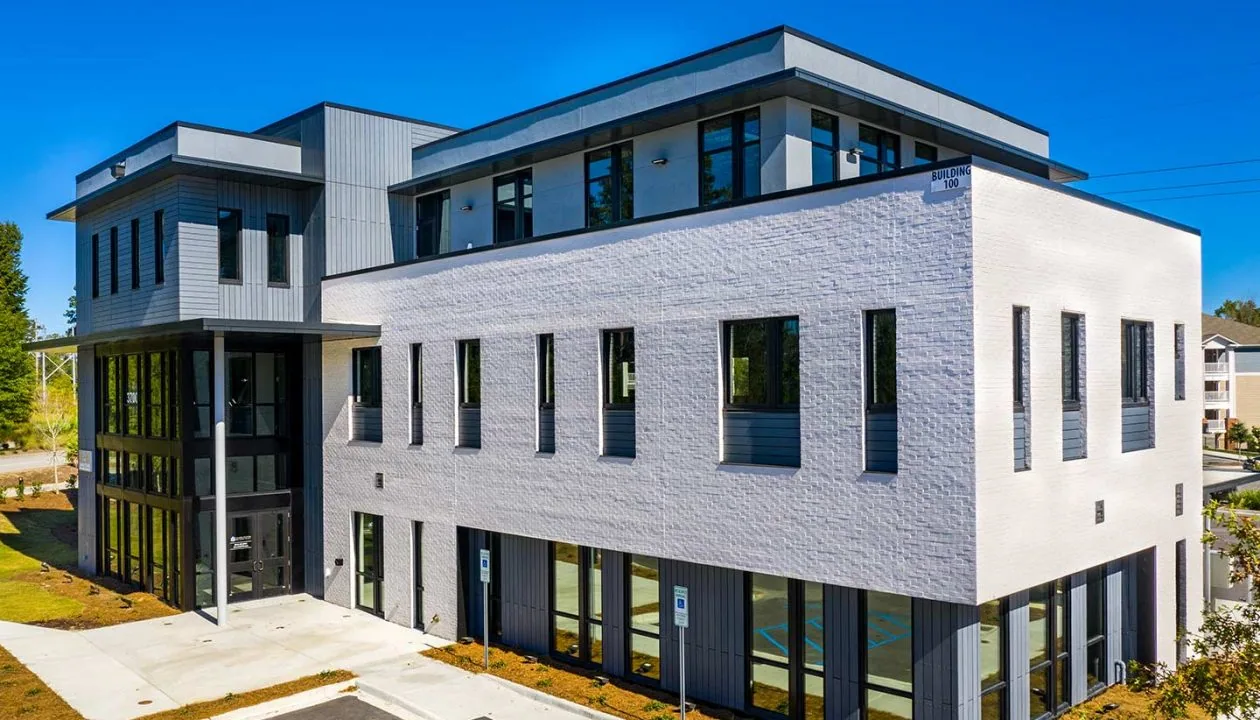
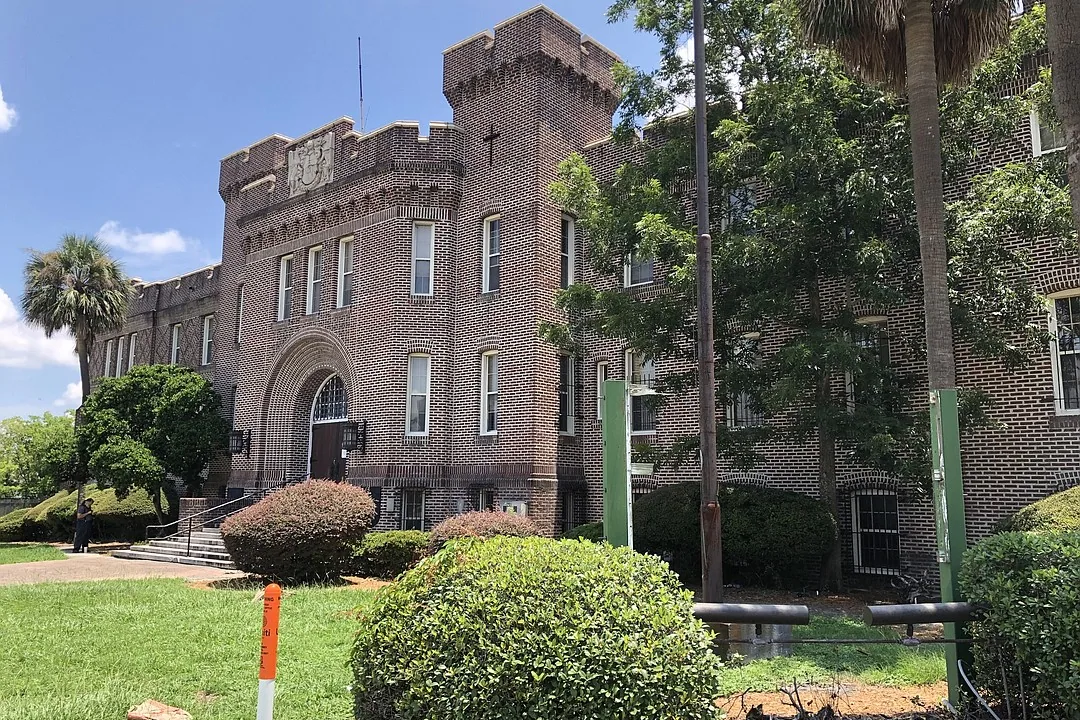
Packaging debris can collect at a drain strainer even where the roof field is otherwise clean. We inspect the bowl, drain clamp ring and outlet detail, and identify service paths that carry loose material toward the inlet. Sunnyvale has long dry summers and a cooler wet season. Cleaning before that rainy period helps expose defective connections while permanent repairs can still be planned, rather than treating every interior leak as an unexpected emergency.
Low areas behind curbs deserve measured attention. A cricket that sends water into a narrow channel can leave debris trapped against the flashing. We examine the direction of drainage and the available outlet elevations. Persistent ponding repairs may involve insulation shaping or a redesigned outlet, not just surface treatment. Moffett Park is a northern Sunnyvale employment district, but its planning designation cannot establish the slope or drain capacity of an individual distribution roof.
A roof inspection distinguishes repairable seams from failures involving wet insulation or the deck. We examine the affected construction and use targeted testing when the surface observations leave uncertainty. An infrared image can help locate thermal differences under suitable conditions, but it does not replace confirmation of moisture. The findings identify removal zones and areas where an existing assembly might remain, subject to attachment, material and permit requirements.
A building containing offices, conditioned handling areas and unconditioned storage may have different energy considerations within one address. For an application filed on or after January 1, 2026, the 2025 Energy Code review considers alteration scope, compliance method and relevant exceptions. The energy professional establishes those requirements. Sunnyvale jurisdiction uses its 2025 California Building Code adoption and local amendments; we confirm the actual authority and accepted submission basis, then review fire classification and the amendment exclusions for the proposed assembly.
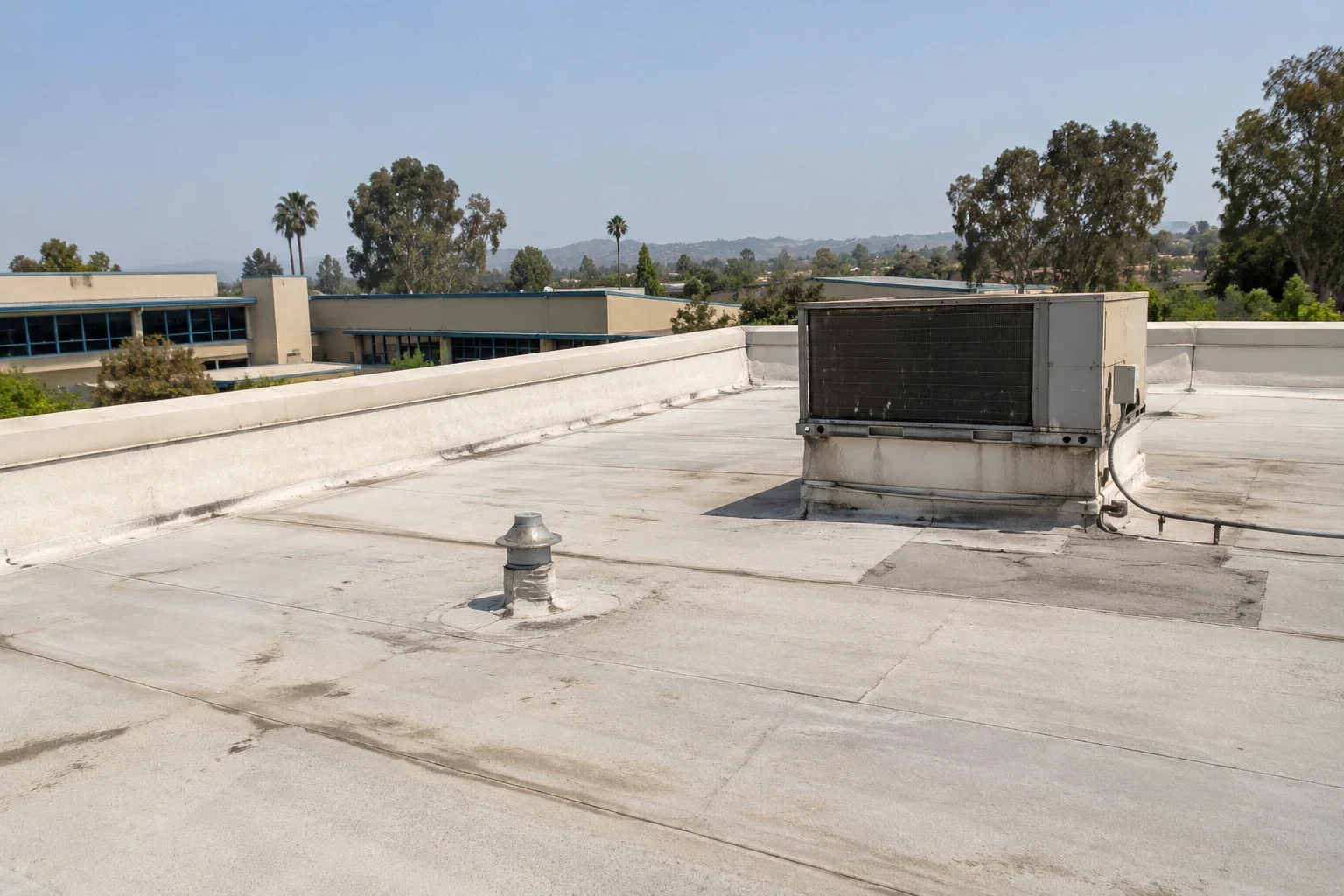
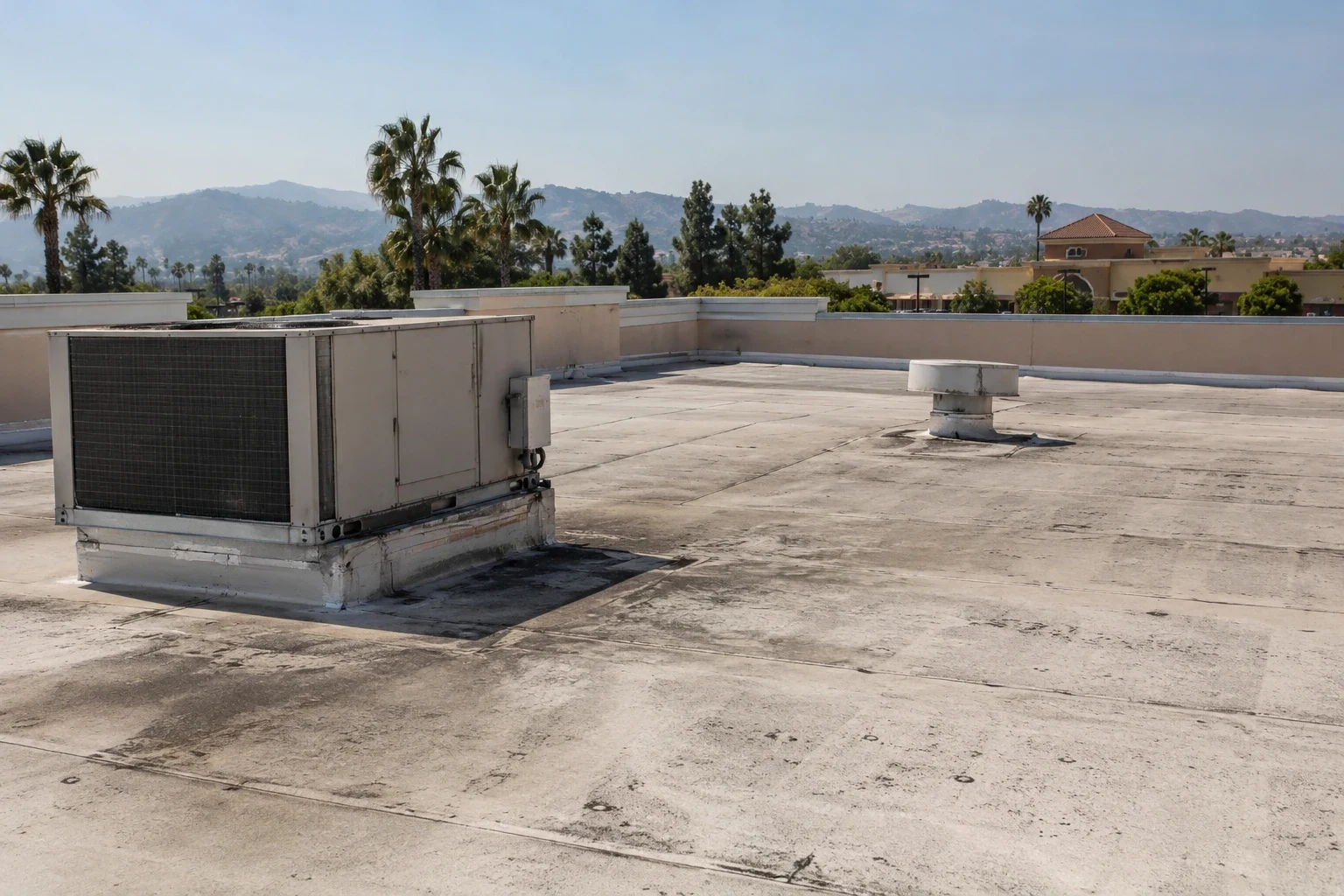
A new roof needs a usable route to units that will receive regular service. Walkway pads should follow access requirements and stay clear of drainage paths. We photograph completed curb corners, pipe boots and edge connections before equipment or stored materials obscure them. If a facility also contains production processes, plant roof coordination should address process exhaust and shutdown requirements in addition to dispatch access.
We provide the manager with repair positions, completed details and any remaining trade tasks. Planned roof maintenance then checks those positions and the drain routes rather than relying on a general impression of the surface. Cost and timing change with interior protection, concealed damage and access restrictions. For water entering during an off-shift period, we take calls through nights, weekends and holidays, with temporary protection and permanent work kept distinct in the repair record.
Completed membrane details also need protection during later equipment service. The facility manager should receive the permitted walking route and the locations where new openings need roofing coordination. We mark damaged supports that remain outside our scope, so equipment crews can address their work without reopening a finished roof connection.
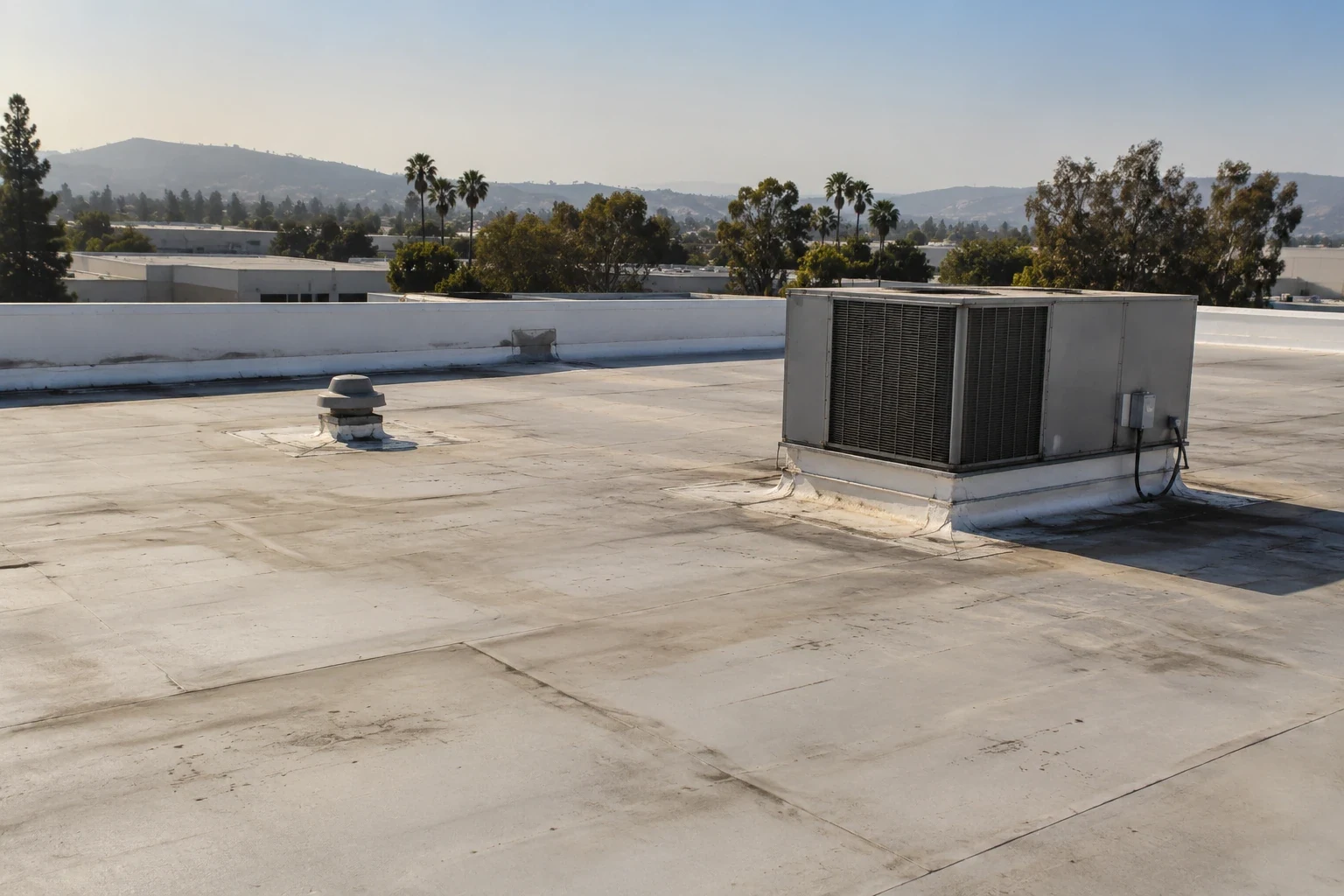
A protected route may allow some movements to continue, but work beneath a lift or active debris zone needs exclusion. We review the exact location with the dock supervisor and identify temporary lane changes. The roof scope should include those restrictions before the access equipment arrives.
Electrical and controls changes can add wiring routes or supports even without a new rooftop unit. We inspect any proposed penetration and check existing support positions. The equipment designer and electrical trade establish their requirements; we coordinate a compatible roofing detail and a record of the completed opening.
Their input helps identify delivery peaks, off-shift operations and routes that cannot be obstructed. We can inspect the roofing with the property manager, then use the supervisor meeting to refine staging and work limits. An access arrangement made without operations input may require revisions before mobilization.
Separate the completed roof areas from temporary closures and unfinished trade connections. We record detail photographs, changes to drainage and the equipment access route. Each phase needs an identifiable boundary and the remaining work listed, so the next shift does not mistake temporary protection for the finished assembly.
Bring the property manager and dispatch schedule to the roof assessment. We return marked photographs and a repair list that identifies the detail, access needs and ownership decisions.