

Preventive roof maintenance in Sunnyvale: plan suitable detail checks, record upkeep by roof location and turn observed defects into clear ownership tasks.
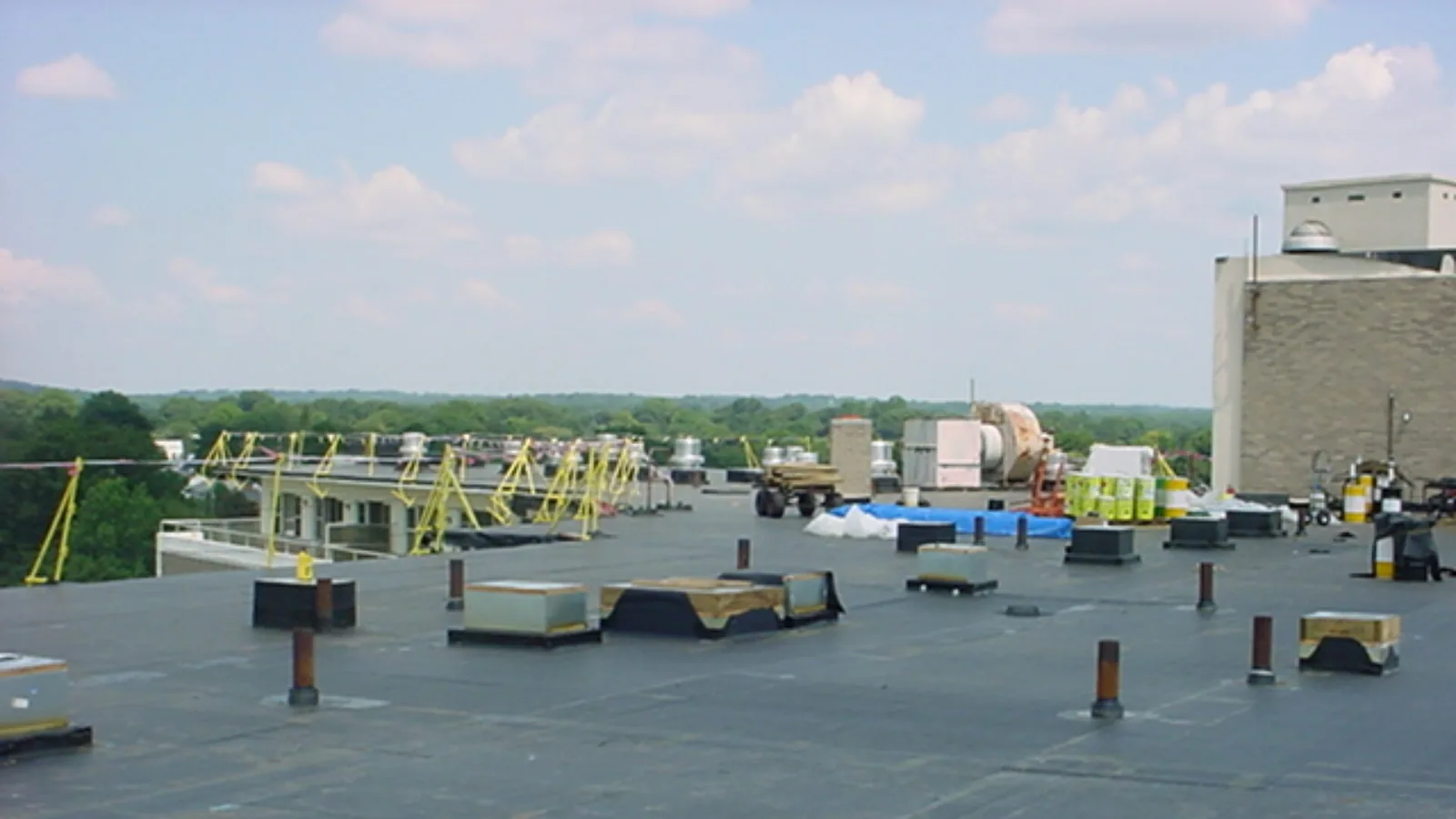
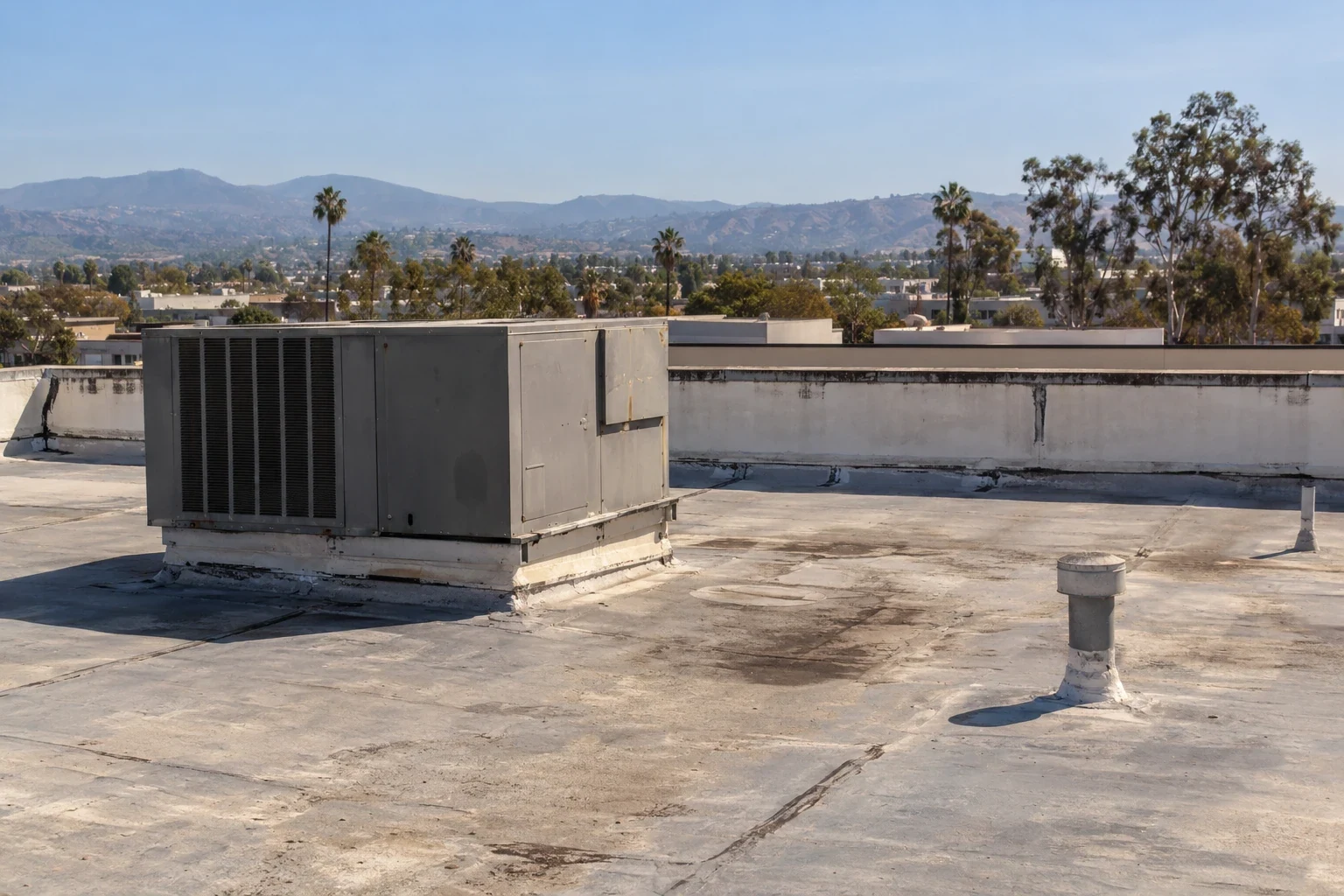
Debris caught beside a curb and a worn walkway pad give the property manager two different upkeep tasks. On a Sunnyvale, CA office or research property, the maintenance visit should locate both and examine their relevant connections. Clear the accessible collection area through a suitable method. Review the service route and pad condition under the installed system requirements.
Preventive roof maintenance keeps routine work connected to a condition record. We identify completed upkeep, defects requiring repair and details needing another examination. Ownership receives the tasks with roof-plan references and a defined next step.
Roof drawings, product documents and prior work records help establish the visit scope. Identify installation zones and repairs made with different materials. A roof inspection can provide the initial condition record. Its inaccessible areas and unresolved questions should remain on the working list rather than become implied acceptance through a routine maintenance visit.
Choose upkeep tasks appropriate to the actual roof. Accessible debris removal, drain checks and detail observations can be useful, while cleaning or applied maintenance materials need their own compatible method.
Use the installed product and coverage documents for relevant requirements. A program should identify which work is included, who approves additional repairs and how incomplete tasks are reported. The property manager can then explain the visit to ownership using a clear scope.
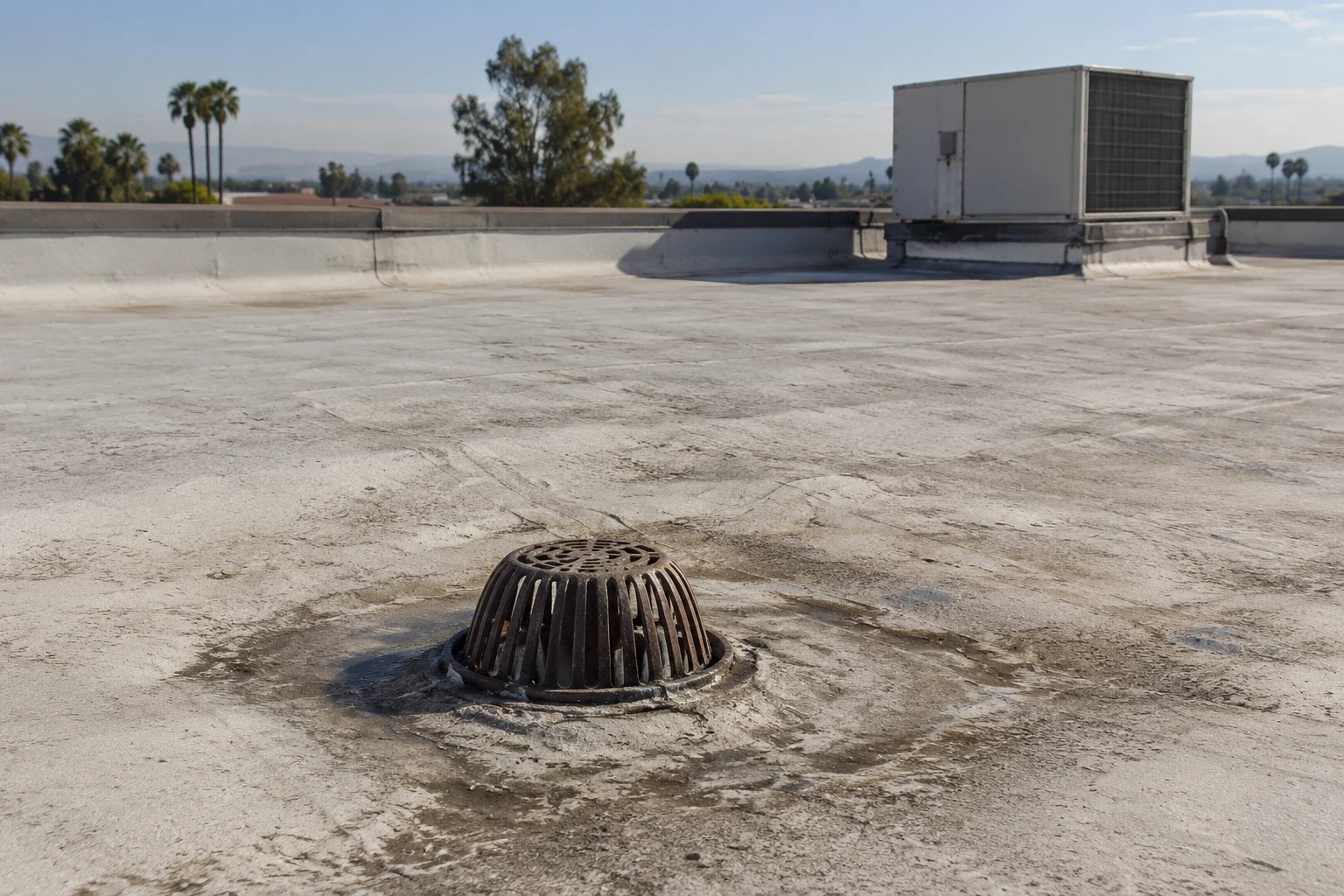
We examine accessible drain strainers, drain clamp rings and scupper connections within the agreed work. Record debris before removal where useful. A suitable clearing method should keep material out of concealed piping. Cleaning the visible opening and correcting a damaged membrane connection are separate tasks with separate completion records.
Drain and scupper work may be needed for a defective component or outlet interface. Poor discharge can require further investigation of the downstream route. A clear strainer does not settle that concealed question.
Sediment or staining may identify where water has collected. Record the location and available observations before proposing geometry changes. A new cricket or outlet requires actual layout and appropriate design information; debris beside a curb alone does not establish the solution.
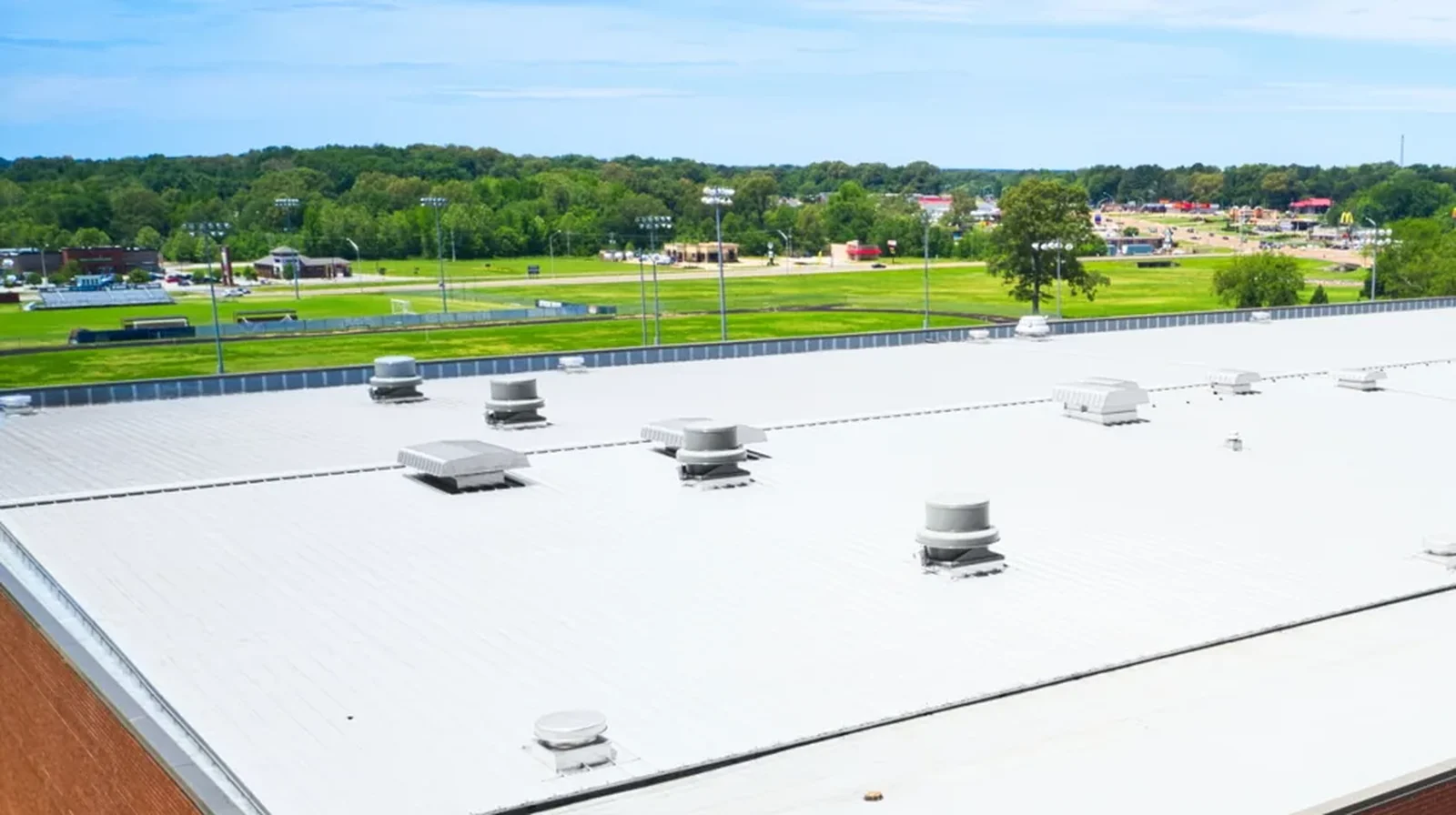
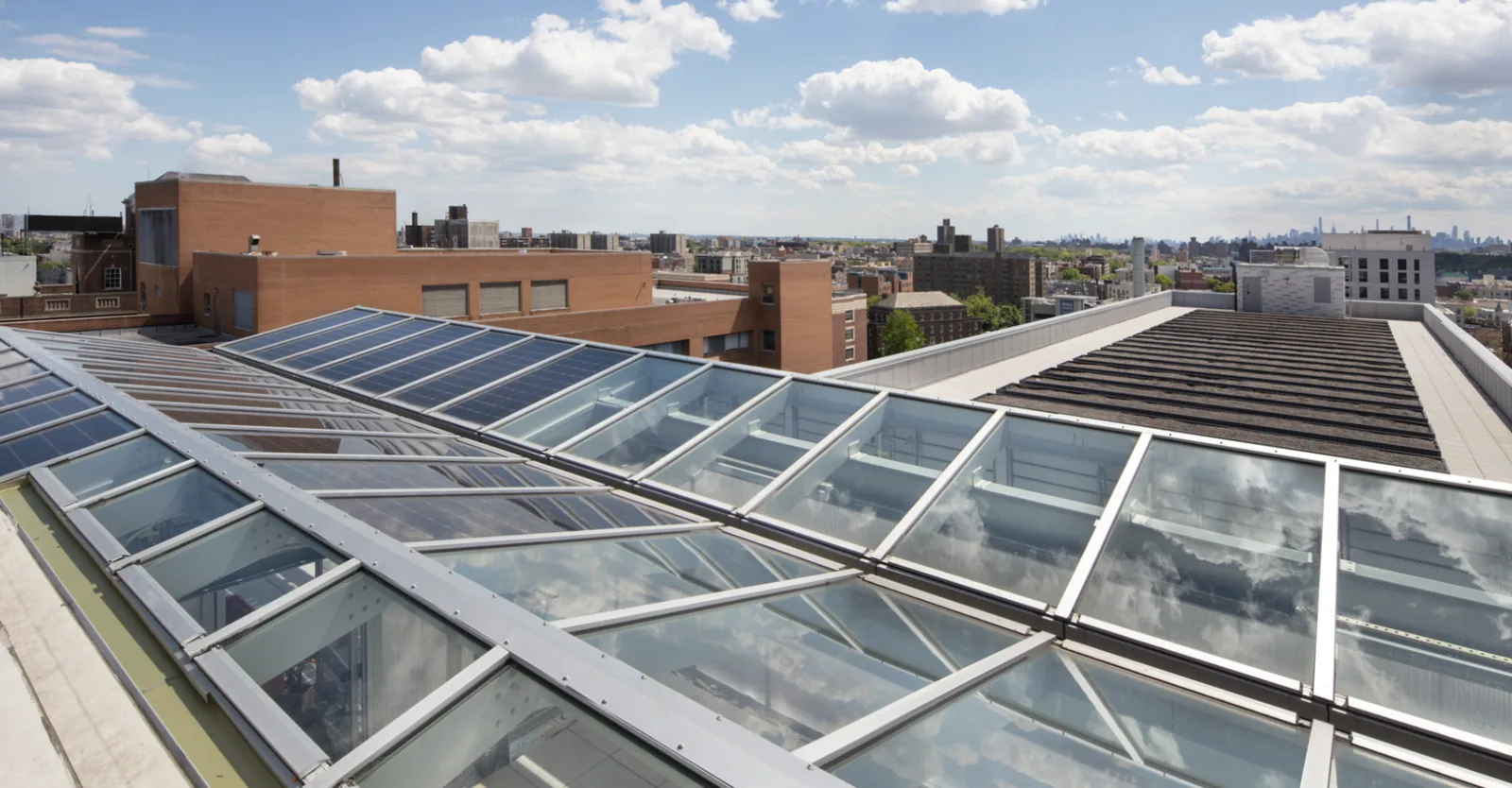
Field and detail checks must suit the membrane or ply system. We observe accessible openings, displacement and surface changes, then identify whether a compatible local correction can be planned. A seam probe appropriate to one thermoplastic connection is not a universal inspection tool for every roof assembly.
Penetration flashing should connect to a component whose current service status and condition are understood. New or abandoned openings belong on the roof plan. Another trade may need to address a component before the roof-side correction can be completed.
Perimeter metal and gutter work can involve substrate and fastening questions as well as the cover or joint. Record the observed interface. Do not treat another layer of sealant as the automatic answer to a loose component.
Monitoring recommendations need a named condition and review point. Identify what change requires another assessment. Explain the consequence and basis for delay to ownership. A watch label needs that reasoning and an assigned review point.
Equipment service brings people and tools across the roof. Agree on suitable routes with the operator and service teams. Walkway pads or other protection should fit the installed assembly and actual access needs. Their placement should preserve drainage and access to the details that require upkeep.
Conduit and equipment support work may need a responsible trade or design input. The maintenance record can identify damage or an unsuitable-looking connection without resolving structural capacity. Assign the appropriate next review.
After tenant changes, compare available records with the current accessible interfaces. Timing alone does not establish who caused a defect. Photograph the condition, identify relevant work information and keep the corrective question clear for the property manager.

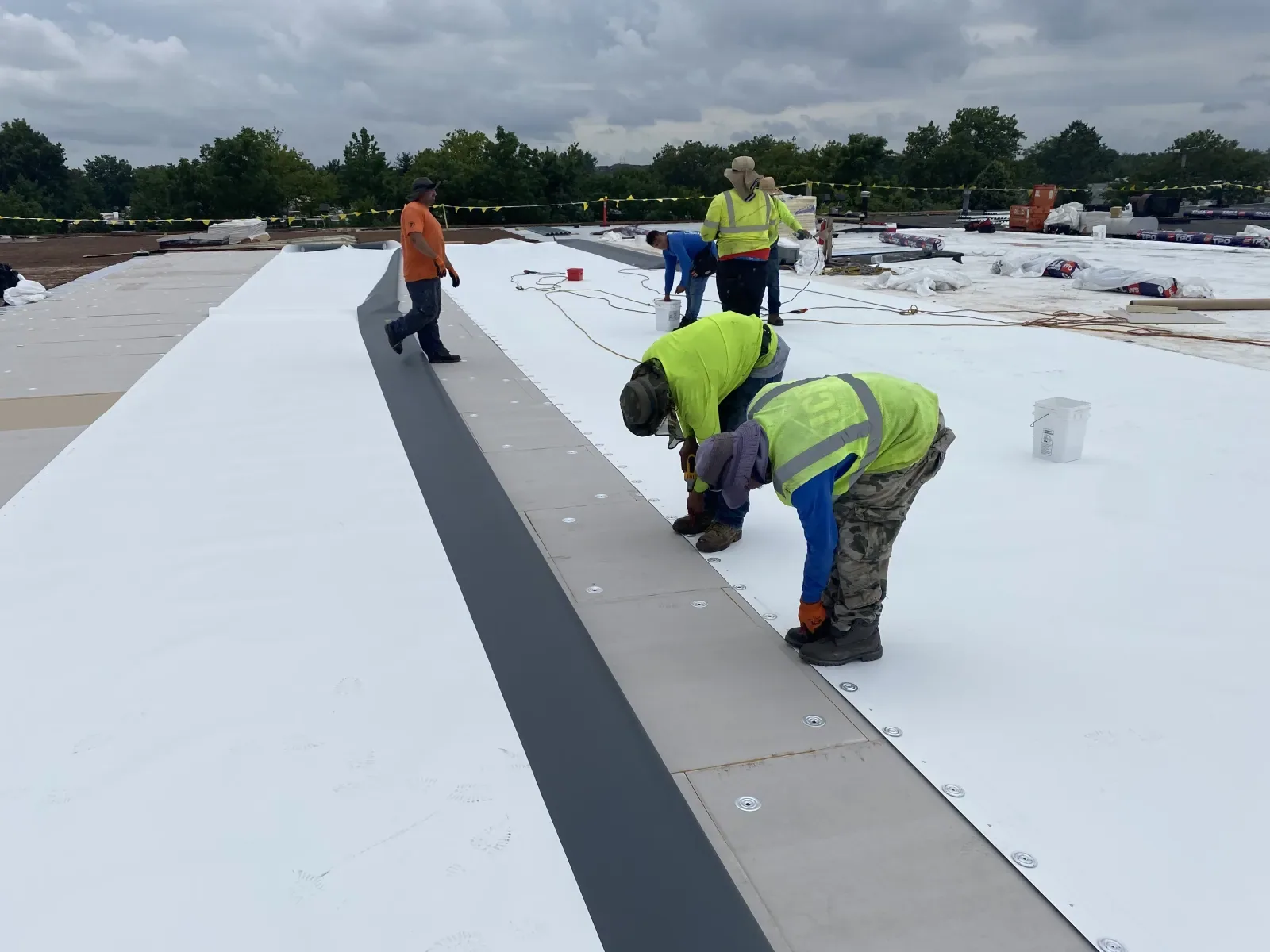
Confirm the roof entrance, receiving instructions and operator-approved period for each visit. Access can change when another project or tenant activity begins. A familiar building still needs current arrangements. The crew should know which areas are restricted and which contact can resolve a changed route.
Product application and cleaning methods need suitable conditions. Check moisture, surface temperature and preparation against the actual requirements. A routine visit should record an item as incomplete when those conditions prevent the intended work.
HVAC, electrical or fire-control adjustments require responsible qualified contacts. Coordinate any necessary change for a planned period with defined restart responsibility. Roofing upkeep should not include arbitrary changes to operating equipment or covered intakes.
Keep material handling and debris routes agreed with the operator. Staging near an exit or receiving area can affect building activity even when the work stays at roof level. Those arrangements belong in the visit plan.
The interval before Sunnyvale's wet winter is useful for locating drain debris, checking clamp rings and recording which defects need a repair visit rather than routine cleaning. Suitable checks during drier periods can identify accessible debris and defective details before the wetter season. Actual roof conditions should still decide which cleaning or repair methods can proceed.
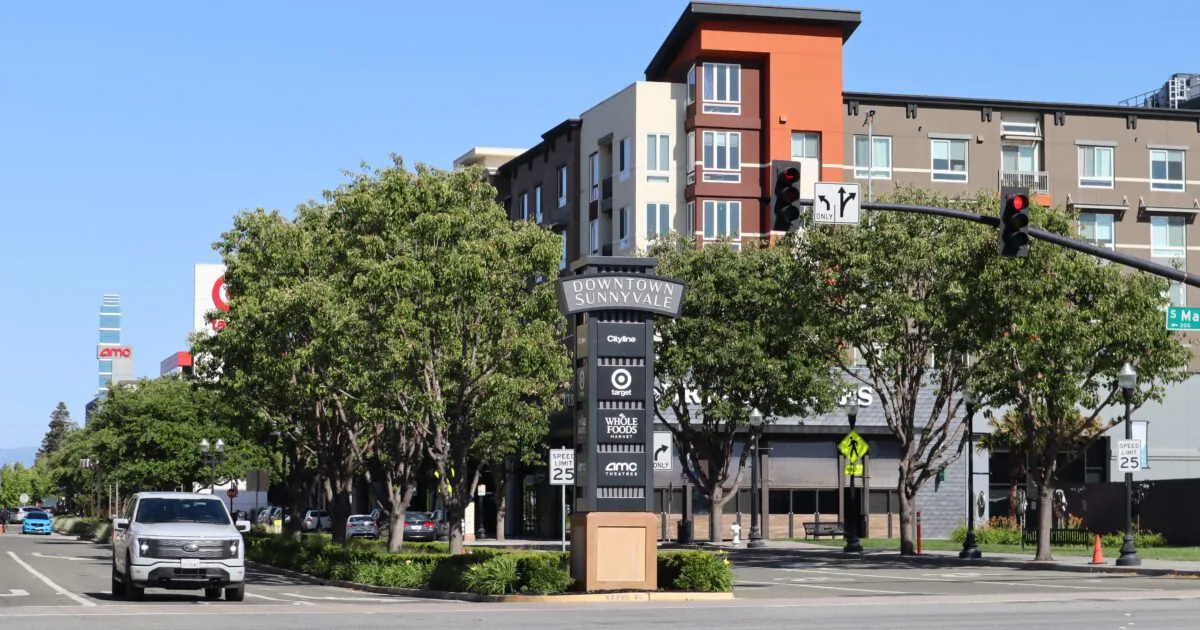
Retail premises and other commercial uses line Sunnyvale's El Camino Real. For El Camino Real work, agree on delivery access and the roof-transfer route with the operator. Those arrangements help a maintenance visit reach the intended outlets and equipment details without obstructing the accepted entrance.
The employment properties in Peery Park have a district plan adopted in 2016; its amendment is still under review. Before a Peery Park maintenance visit, ask the operator about tenant improvements that changed rooftop connections. A new conduit position or equipment support gives the detail walk a specific junction to examine.
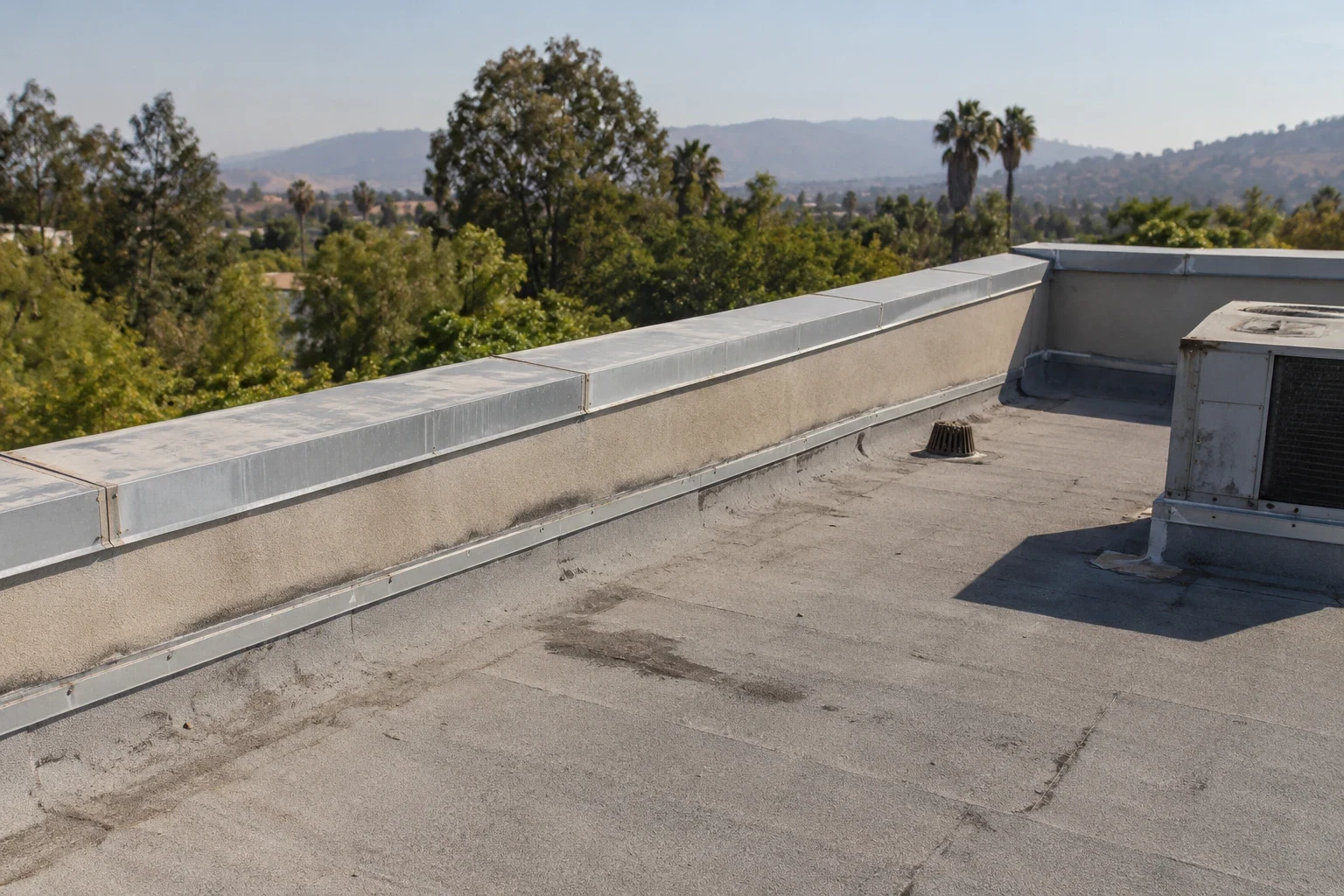
We retain completed tasks, observations and photographs by roof location. Give each unresolved item a responsible contact and next action. A later visit should be able to find the same drain, flashing or service-route issue and understand the work performed previously.
Planned roof repairs can use those findings to develop compatible corrective details. Measurements or further investigation may still be needed before pricing. The upkeep file should explain those requirements rather than imply every observed defect was repaired.
Coverage and inspection terms remain document-specific. Keep the applicable maintenance requirements with the building record. A scheduled visit supports informed upkeep without promising that no concealed defect or later change will cause entry.
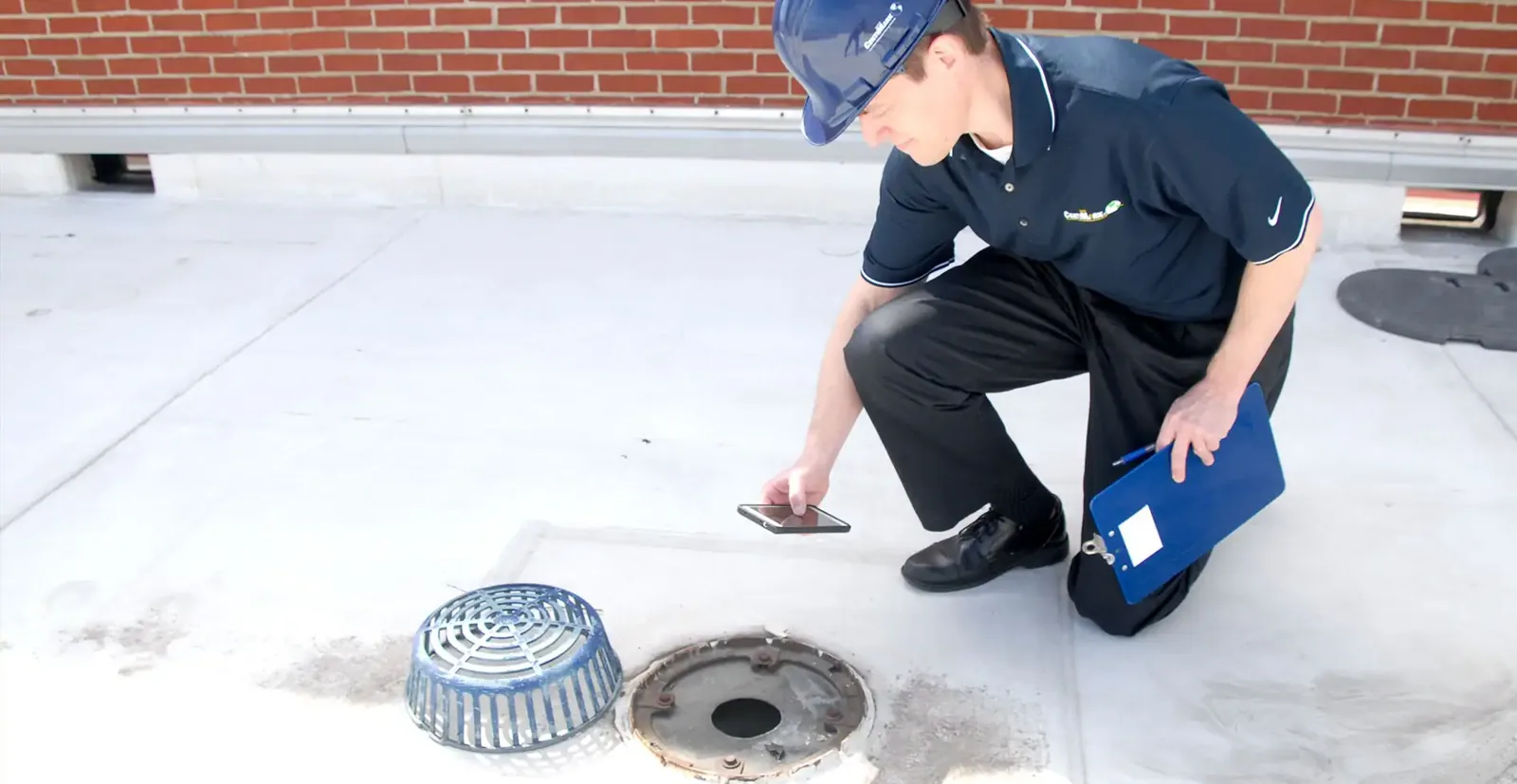
Located completed tasks and a clear list of unresolved findings make the visit useful. We identify repairs, monitoring and further examination separately. Include photographs and the action needed for each remaining item.
Select work from the observed detail and compatible product requirements. Some joints need another correction or component review. Routine sealant application should not replace a suitable assessment.
Agree on suitable routes and installed-system protection with the operator. Identify equipment and details needing access. Keep later changes or reported damage on the same roof-plan references.
Record the incomplete item and reason, then arrange the appropriate next visit or method. The property manager should know which exposure remains. Avoid marking the whole work list complete when one connection still needs attention.
Use the located findings to define the corrective interface and any investigation still needed. Keep completed upkeep separate from proposed repair quantities. Ownership can then approve a scope that matches the roof evidence.
Share roof documents, recent changes and the access contact. We can define suitable maintenance tasks and return a located work record with repairs and follow-up ready for ownership review.