Compare Sunnyvale KEE roofing with specific product documents, actual exposure, suitable receiving layers and complete equipment and drainage interfaces.
A proposed KEE membrane beside research-building exhaust needs its product and service conditions reviewed together. The property manager may have a material name without enough information to accept the connection. In Sunnyvale, a useful comparison identifies the particular sheet, the existing assembly and the receiving work the roof detail requires.
Commercial Roofing Sunnyvale assesses KEE roofing options and defined corrections. We record accessible findings and connect the proposed material with its application requirements. Equipment, supporting construction and operating restrictions remain visible in the scope. The owner receives a complete task to compare, with another examination assigned where the available evidence cannot settle the option.
KEE refers to ketone ethylene ester used in membrane formulation. Select the actual roofing product and obtain its technical and assembly information. The category name alone does not establish every composition, application or approval. A branded KEE proposal should identify the sheet and related components it will install.
Compare the proposed documents with the existing construction. Separate another elevation or addition where product information differs. A record describing the main field may not establish an earlier patch at the affected curb. Keep those locations recognizable when preparation requirements change.
A PVC assembly comparison should use similarly specific information. Broad labels can obscure differences in formulation and installation. Compare the complete detail and relevant exposure requirements rather than assuming every sheet described with related chemistry has identical suitability.
Confirm the membrane manufacturer, product designation and accessory records before treating all KEE sheet as one interchangeable material. A repair detail should state which cleaner, primer, flashing or joining method is accepted for the identified assembly. If records are incomplete, use an investigation or supplier clarification that addresses this roof rather than inferring compatibility from color or thickness alone. Retain the response with the scope and note any adjoining component excluded from that confirmation.
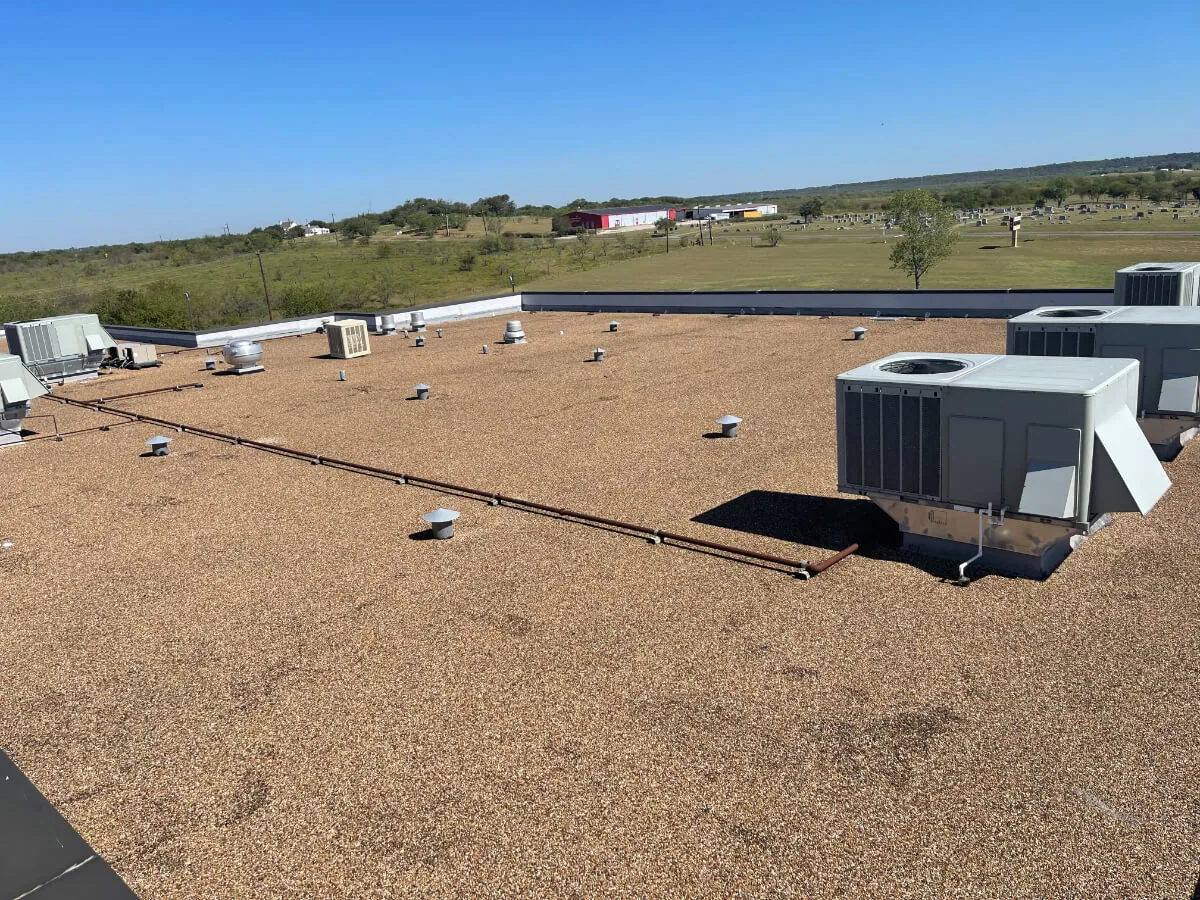
Ask the operator about exhaust, residues and equipment attention at the proposed work area. Examine accessible material and compare the account with the location. A research or industrial address can guide questions without proving a chemical reaches this particular roof section.
Check the selected product's documented suitability for the established exposure. Substance, concentration and service circumstances can matter to that review. Further input from the manufacturer or another qualified participant may be required. A general resistance statement does not establish permission for every roof environment.
Keep unresolved exposure information with its responsible contact. The roofing quantity can be defined while a product-selection question remains open. Explain which material decision needs that information before an order relies on it. A premature surface reservation can leave the connection requirements undecided.
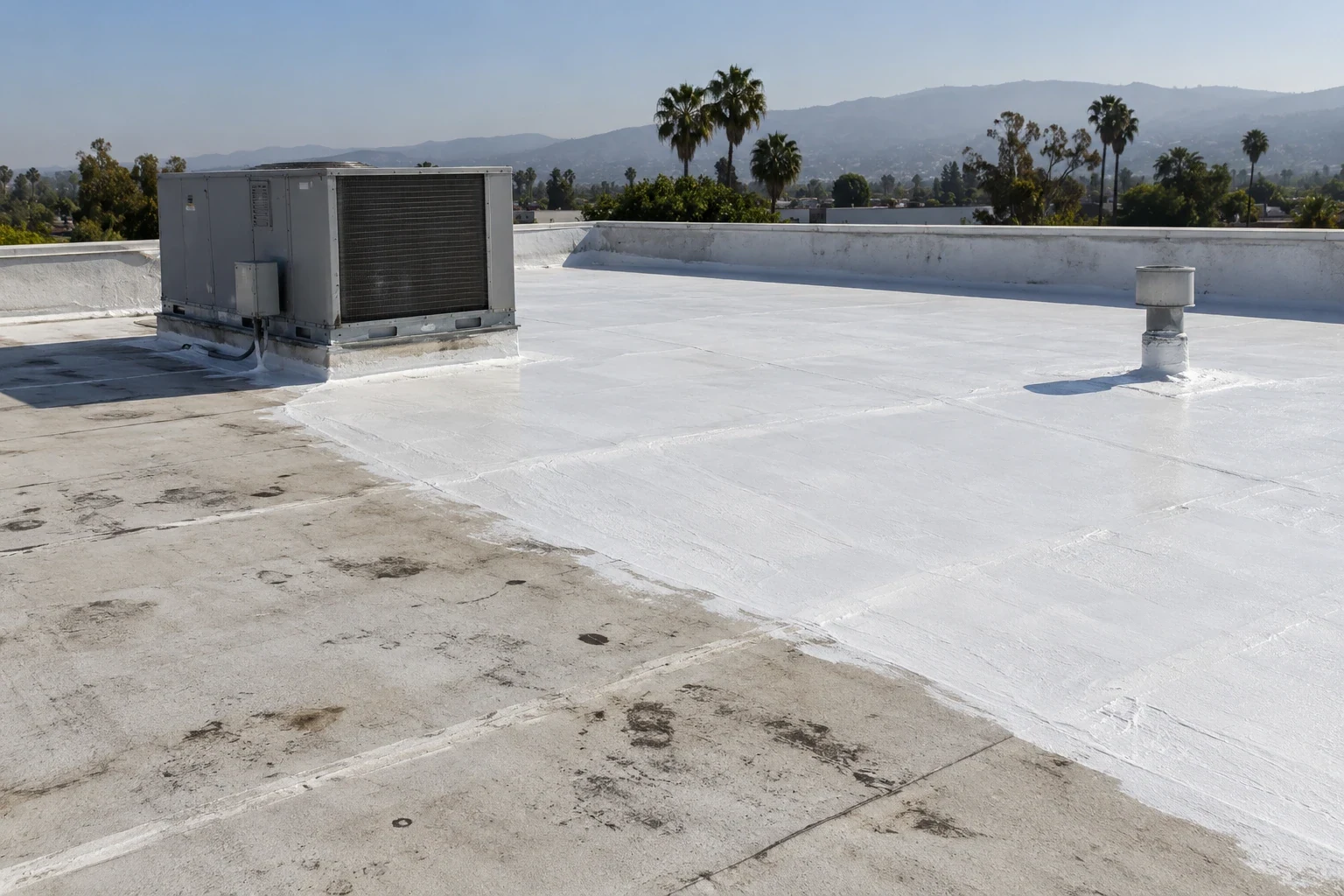
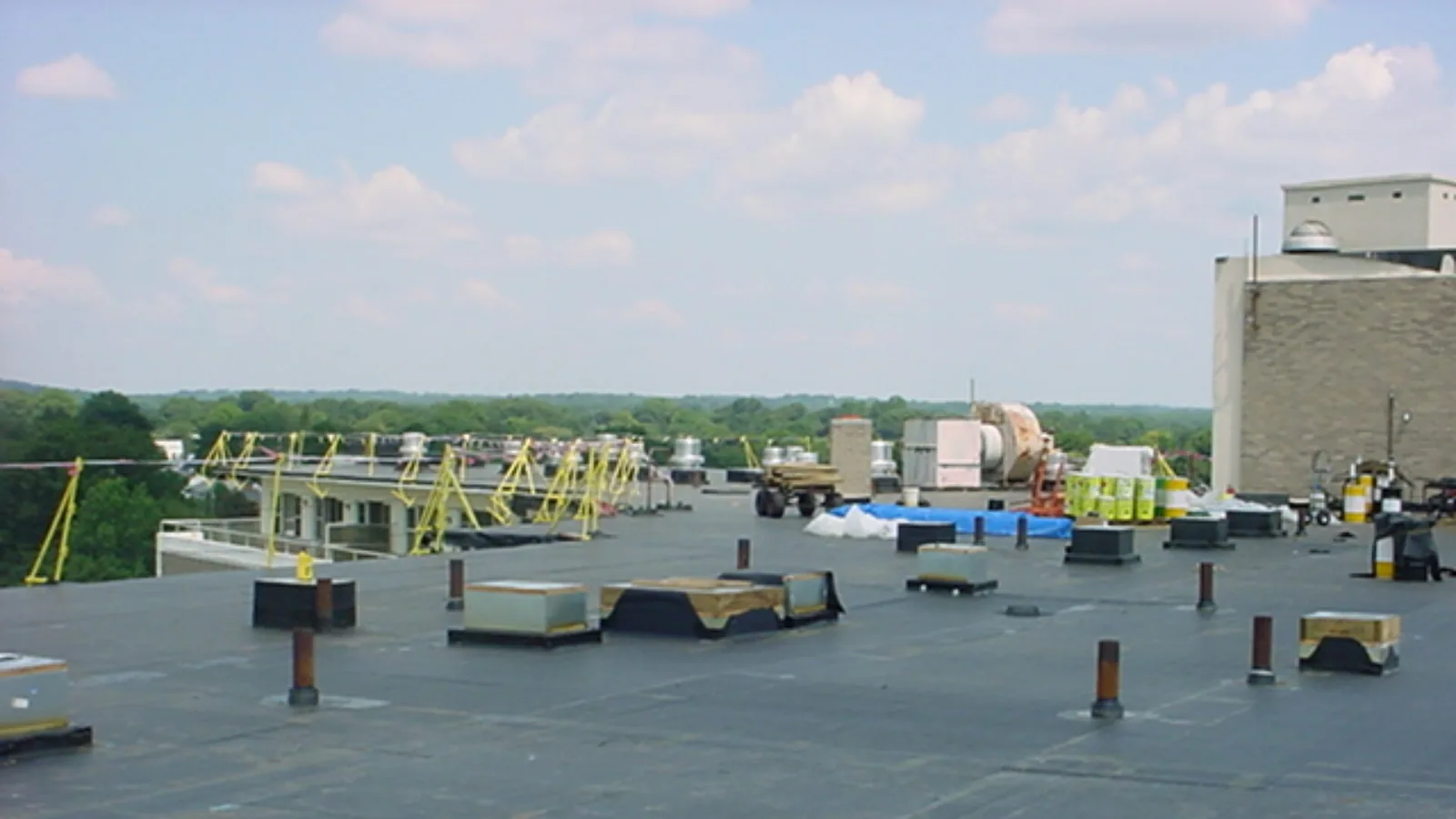
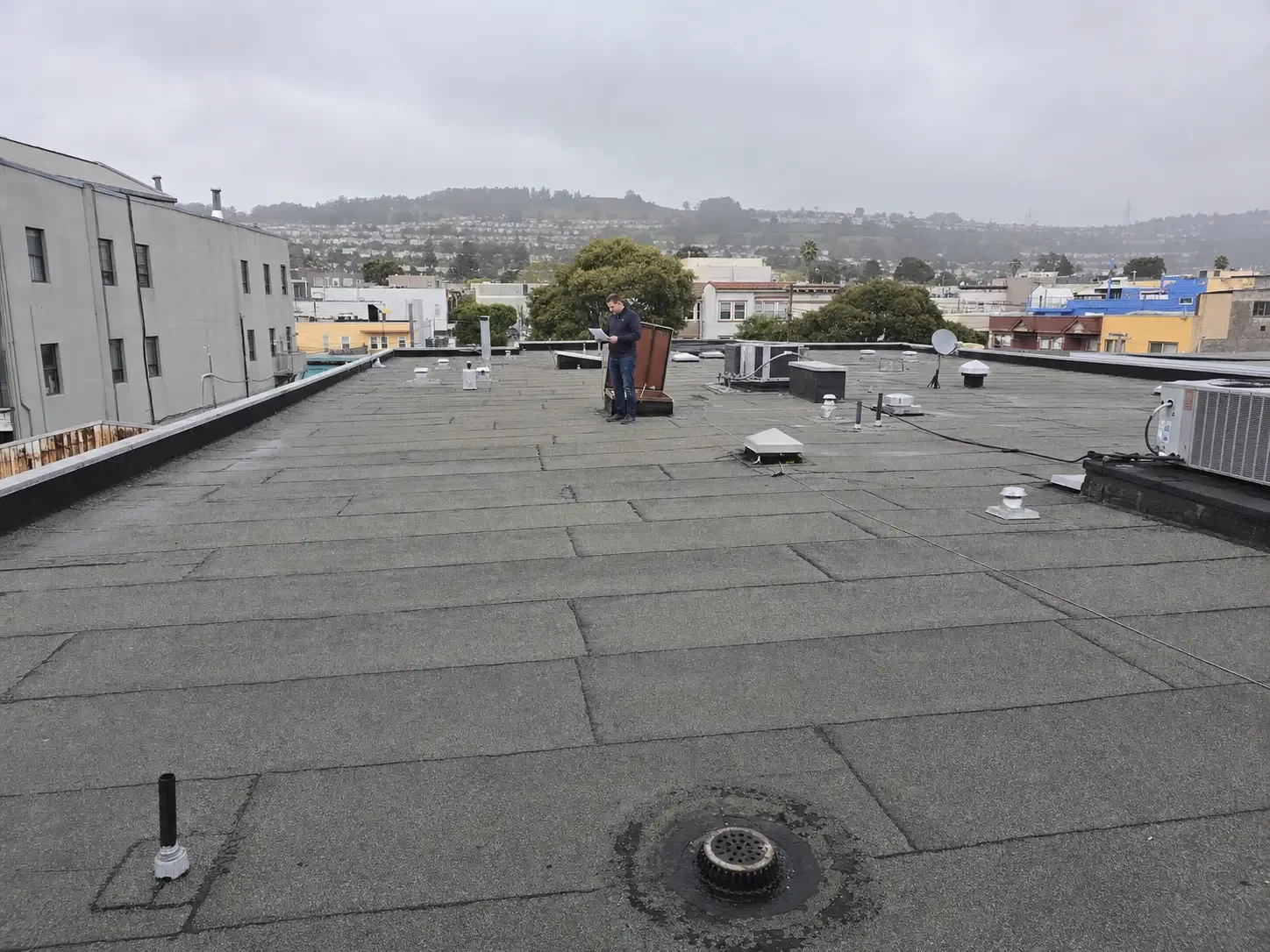
Examine the accessible lap, field and adjoining flashing where the concern is reported. Locate earlier repairs and coatings that may affect preparation. The intended permanent connection needs a suitable receiving boundary and the selected system's products and methods. Describe that work at its physical position.
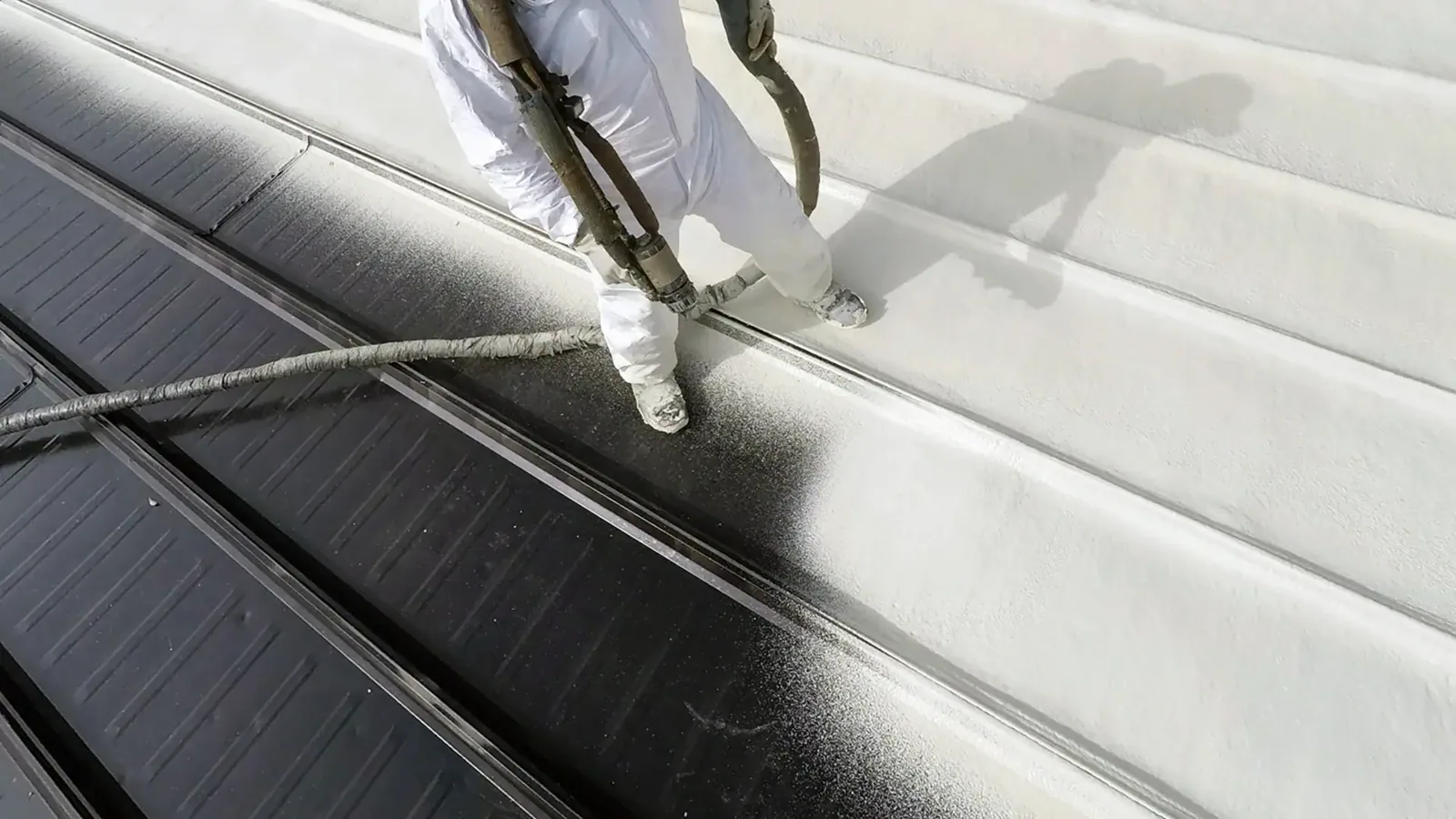
A thermoplastic membrane detail can use specified hot-air welding, but the actual product and assembly requirements still govern. Assess surface condition before treating a generic welding length as the complete repair. Where deterioration prevents a suitable connection, measure necessary receiving reconstruction separately.
Flashing interface review includes usable space around the curb or pipe. Confirm finished roof height and access for preparation. Another component or support task may need to supply that geometry before roofing can close the junction.
The sheet description does not establish hidden insulation, deck or attachment condition. Gather relevant drawings and identify which concealed question changes the roof option. Arrange suitable authorized investigation and closing details. Mark openings and retain their actual material findings.
Insulation and board decisions depend on the assembly being proposed. A local sample can show its condition without settling a whole-roof retained option. Wider quantities need sufficient evidence for the area under consideration, together with relevant support and attachment review.
Thermal observations can direct further confirmation when suitable conditions permit useful interpretation. Surface and equipment influences belong with that account. Do not turn a temperature pattern into a confirmed removal amount alone. The owner should see the examined coverage and remaining question beside the proposed construction.
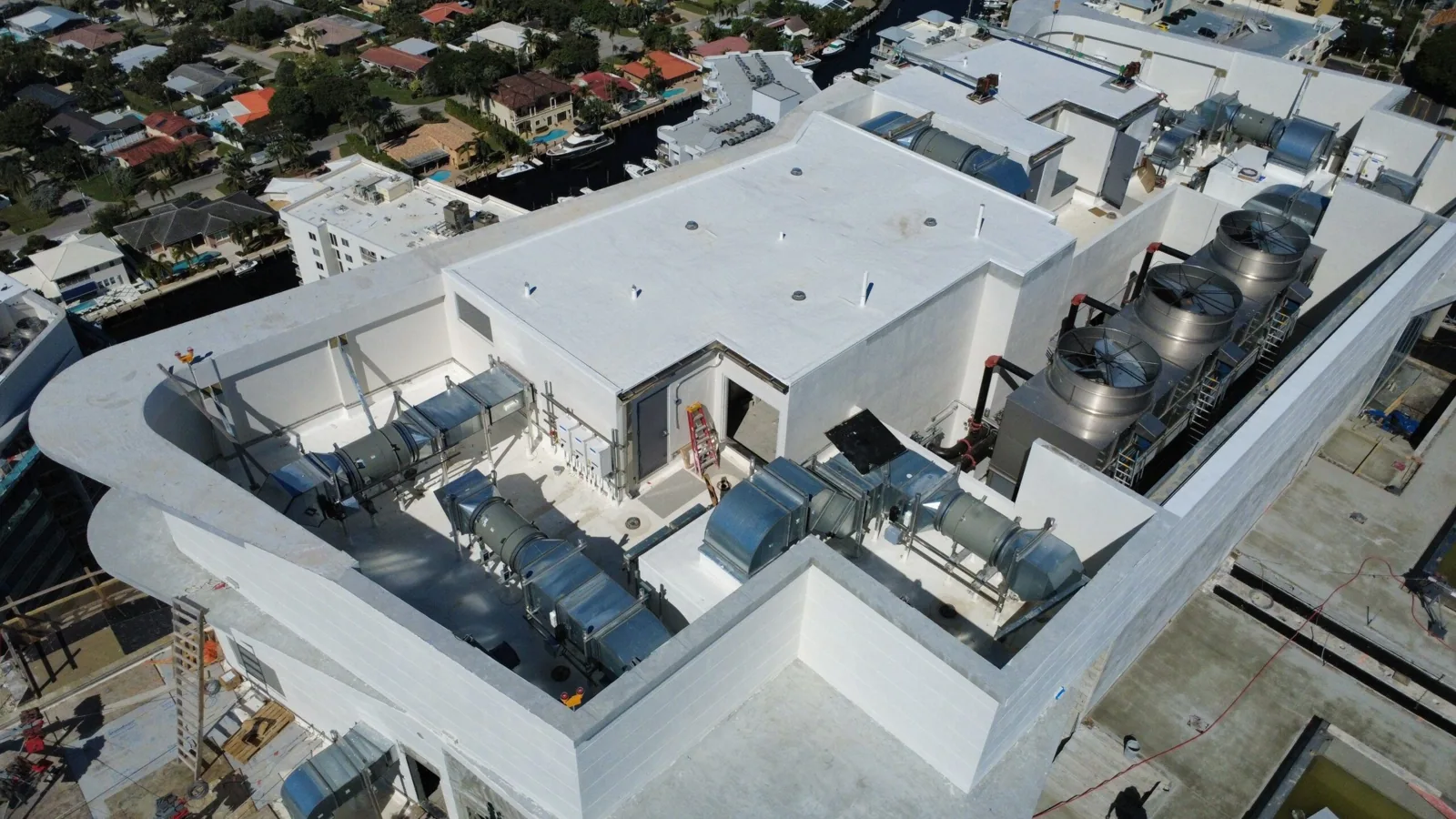
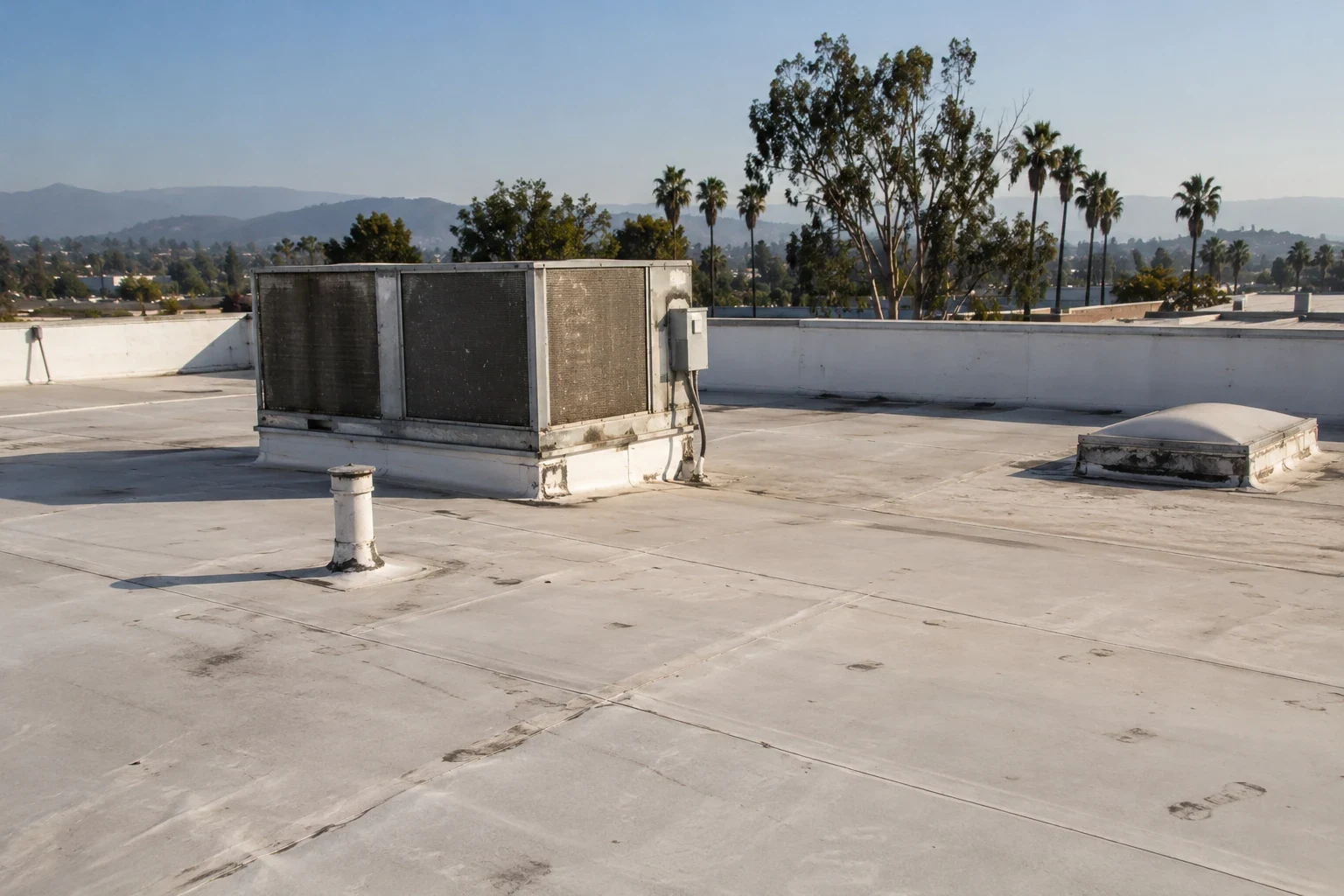
Compare repair, retained assembly and replacement tasks using their full preparation and final details. Include removal or reconstruction needed to reach suitable material. A different membrane does not independently correct inadequate drainage, unsuitable support or a blocked equipment interface.
A TPO option needs its specified components and connection method reviewed against the same building information. Compare relevant product suitability with the practical installation task. Color, broad service descriptions or an asserted universal life advantage should not substitute for that assessment.
Carry handling, disposal and protection required by the chosen option. Keep conditional deterioration separate from measured work. If removal changes the boundary, locate and measure the finding, propose the remedy and return its price and phase effects through approval. The initial quantity should remain traceable to the task it accepted.
At Moffett Park research and workplace properties, confirm the actual operator and equipment contact. The district's office, research and industrial uses provide orientation. Obtain current access and service information directly when it affects membrane selection or the method beside a unit.
For a Lawrence Station area building, coordinate the roof route with current tenant improvement participants. Material transfer, equipment service and roofing preparation may require separate arrangements. The established commercial setting does not supply the individual building's operating period or receiving permissions.
Located connection findings can keep those prerequisites visible. Qualified service teams establish any planned equipment operating change with the facility. The roof method should preserve functioning intakes and identify another receiving task before preparation depends on it. Roofing completion retains its own construction boundary.
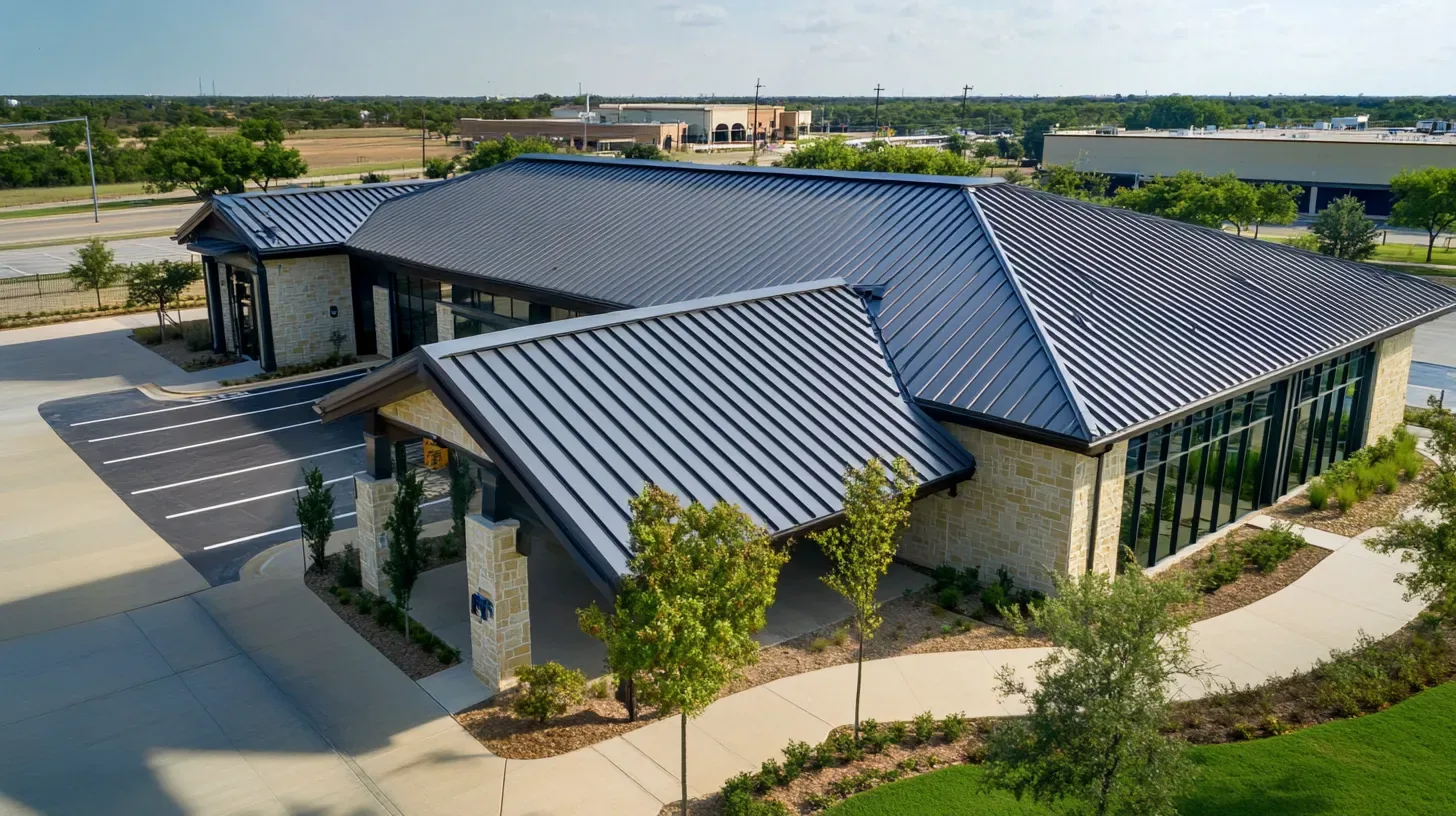
Confirm jurisdiction and the accepted project submission basis for the alteration. Sunnyvale's adopted building provisions include the 2025 California standards and municipal changes. Assembly fire, support and attachment requirements need appropriate review. Energy applicability follows the actual work and relevant compliance routes or exceptions.
Selected product requirements determine application and receiving readiness. Sunnyvale's long dry summer and cooler rain season help organize planning, while actual conditions govern the operation. Choose a practical work boundary, suitable protection and closing method using available crews and the prerequisites already resolved.
Record specified products and completed connections at the original roof references. Retain useful preparation photographs, accepted changes and relevant checks with their coverage. Applicable care and issued warranty documents guide later service. Another water observation should receive a dated account and supported examination against the installed work and subsequent alterations.
Obtain the particular membrane and component information. The broad category does not identify every formulation, assembly requirement or applicable approval.
Establish the actual service conditions and observed residues. Review them with the selected product documentation and appropriate qualified input.
Its finding applies to the sampled position. A larger retained option also needs adequate condition coverage and relevant support, attachment and project review.
The finished layer height and preparation approach must suit the permanent connection. Another equipment or receiving adjustment may be needed.
Keep specified products, located finished details, accepted revisions and relevant checks alongside applicable care and issued warranty documents.
Provide the proposed product information, roof records and relevant equipment contact. We can locate receiving tasks and unresolved questions for a complete assembly comparison.