
Round-the-clock emergency roof response in Sunnyvale: assess reported exposure, coordinate feasible protection and document the permanent repair decisions.
Loose metal reported beside a roof entrance and water entering a tenant space require separate immediate decisions. The property manager needs the affected locations and responsible building contacts. We use that report to coordinate the roofing assessment and feasible protection. Interior equipment and access restrictions remain part of the operator's response.
Emergency roof response in Sunnyvale, CA is available around the clock, including weekends and holidays. Access, crew readiness and current conditions affect the visit and work that can proceed. The first record should describe the observed exposure, completed measures and remaining next steps.
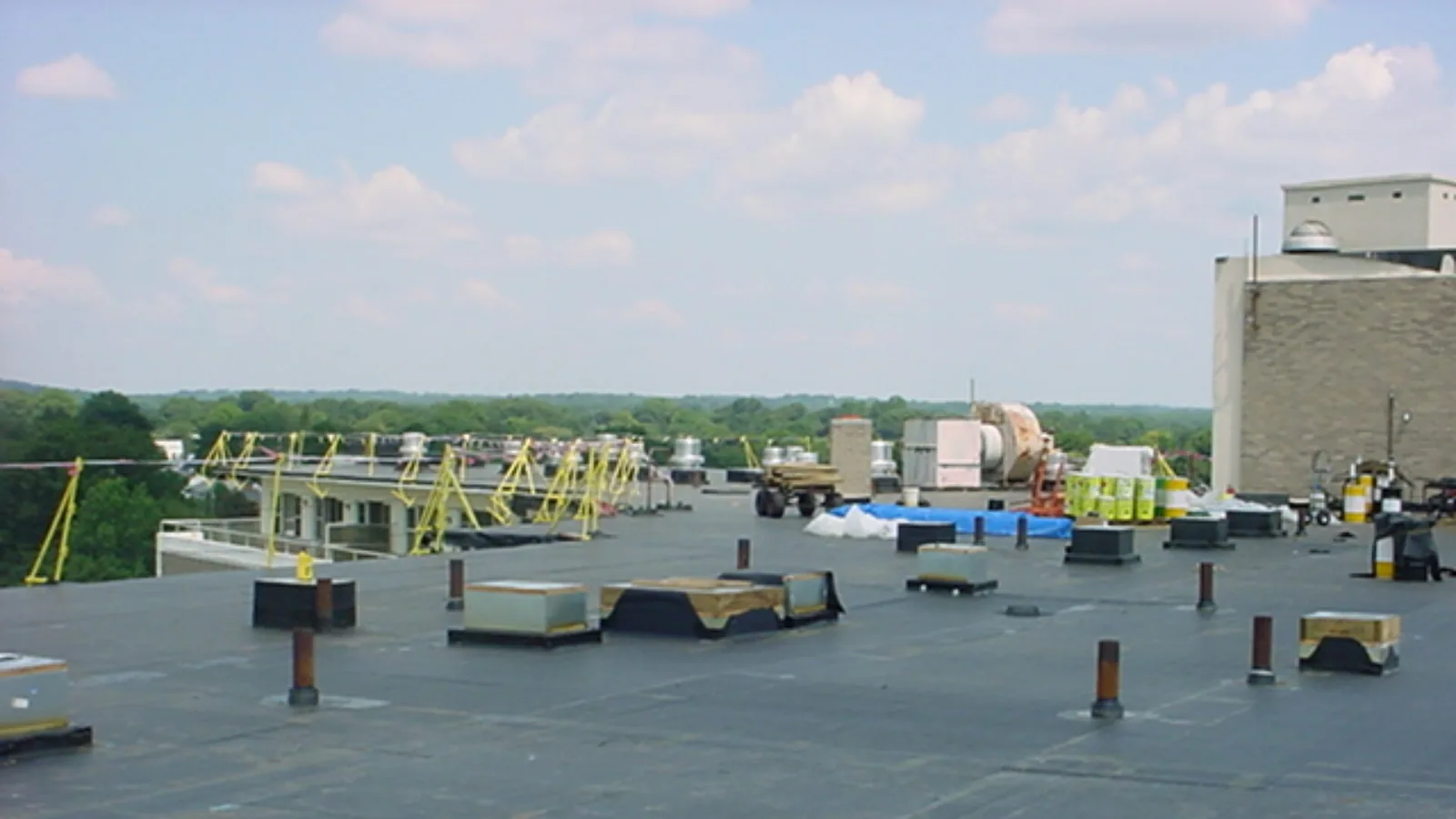
Give the address, receiving contact and location of the visible condition. Note whether water is still entering and what activity or equipment lies below it. Photographs collected from a safe position help place the report. We do not need an occupant to climb onto an unfamiliar roof for another image.
Identify water near electrical equipment promptly. The responsible qualified contact should handle electrical assessment and operating clearance under the building's procedures. Moving or covering equipment can also need operator approval, especially around sensitive processes.
Include roof entrance information and current restrictions. A hatch may lead through a controlled room or an area unavailable at that hour. The usable route matters more than a general statement that the building has roof access.
The crew assesses the proposed route and accessible work area before choosing a measure. Loose components, fragile surfaces and uncertain support may limit the examination. Record those restrictions and the contact responsible for resolving them. A site status should remain understandable even when roof work cannot start immediately.
At Moffett Field, obtain the actual facility's authorized access and photography instructions. Approval for one activity does not imply permission for another. Secure installation roof work should follow the assigned property's project process.
Roofing activity around HVAC, electrical or fire controls needs the appropriate qualified contacts. Coordinate necessary changes for a defined work period. An arbitrary cover over an operating intake is not an accepted protection arrangement.
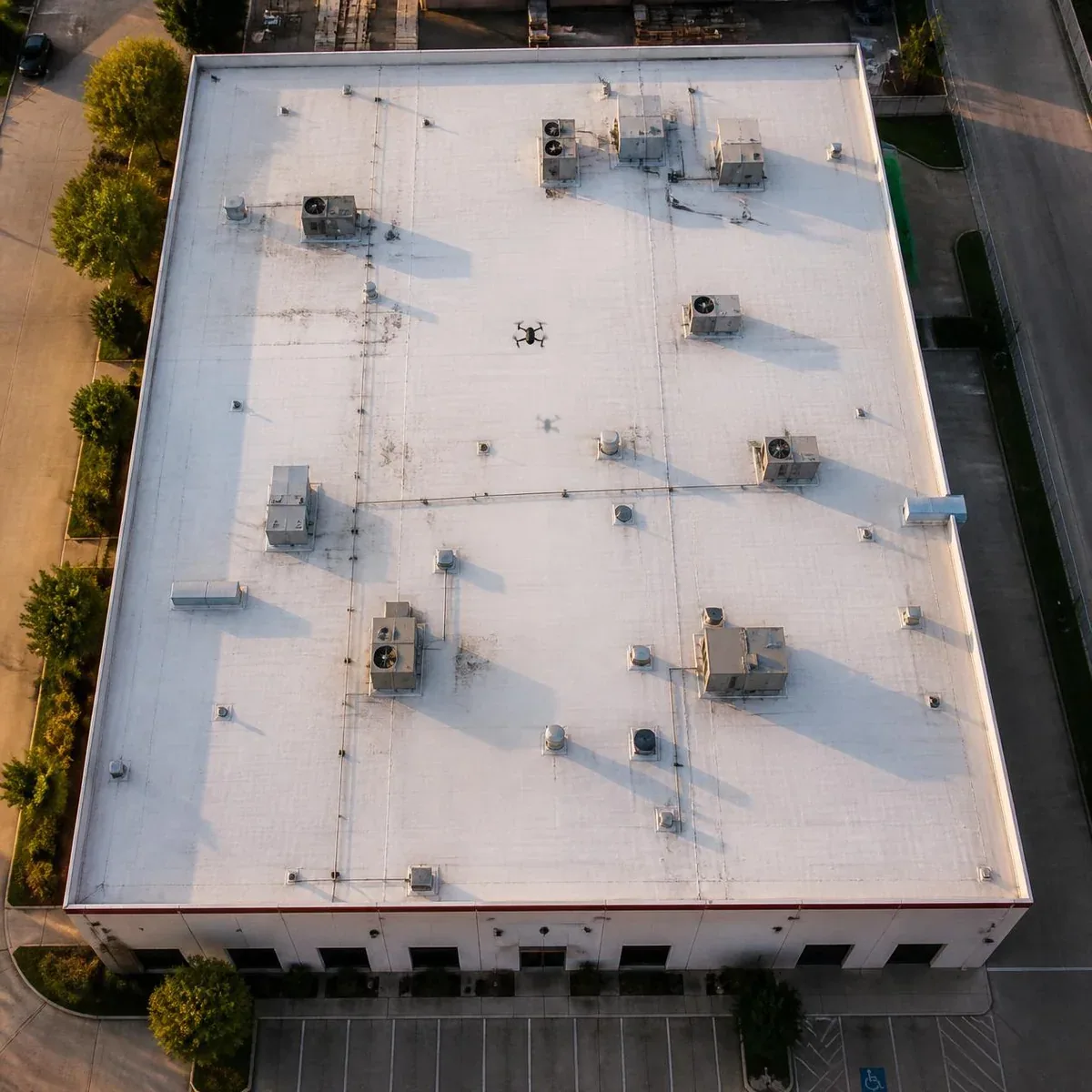
Choose protection for the accessible defect, surrounding material and current conditions. A suitable localized seal may be feasible at an identified opening. A larger exposure may require a different covering or temporary membrane arrangement. The measure needs a planned connection and suitable support.
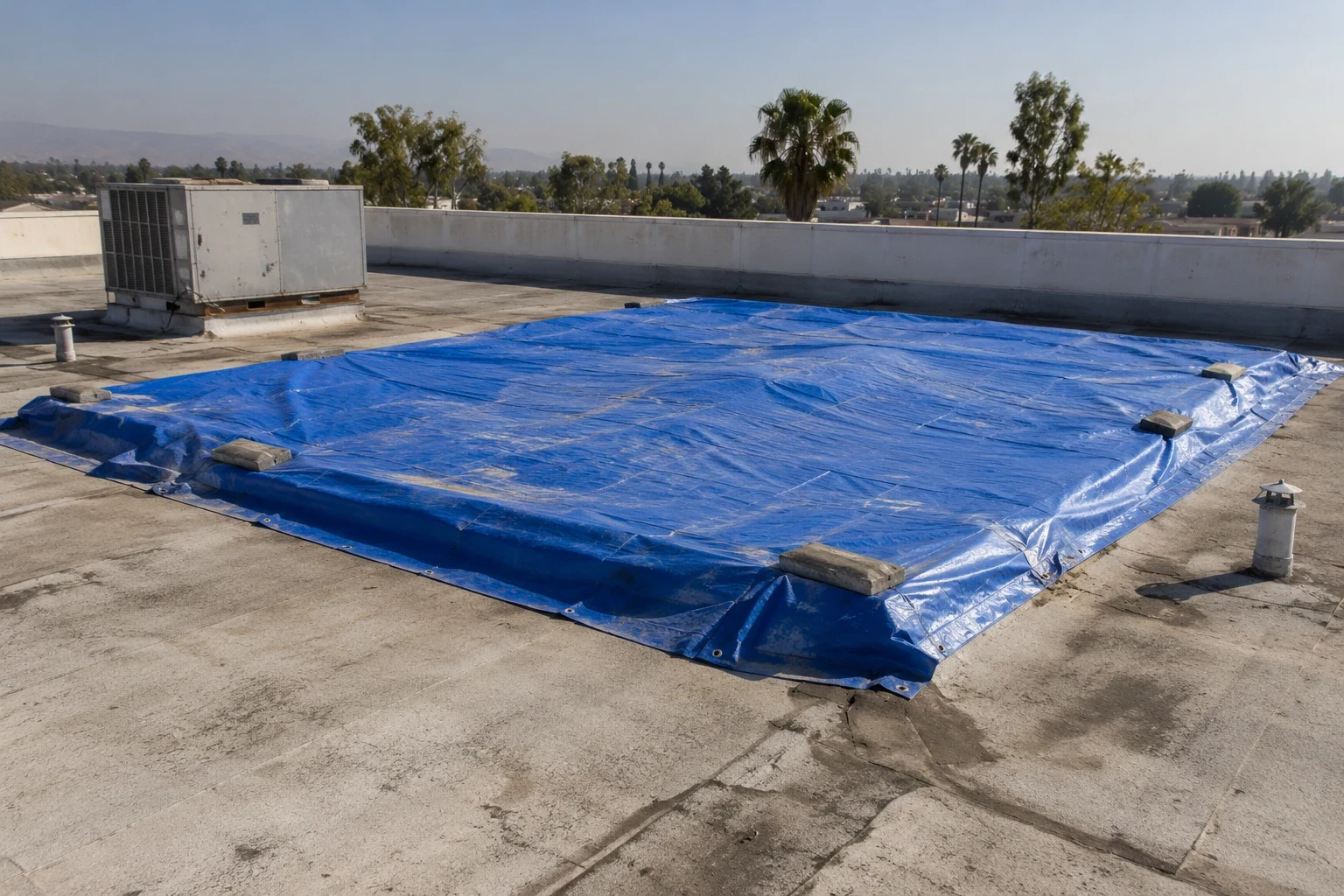
A tarp needs a securing approach selected for the actual site. Weight, fastening and handling can introduce problems if the receiving material or support is uncertain. We assess those conditions rather than apply one standard fastening pattern to every emergency covering.
Record the temporary work's location, limits and check requirements. There is no universal duration that a covering remains effective. Arrange follow-up and the permanent-work decision while its condition and intended boundary are clear.
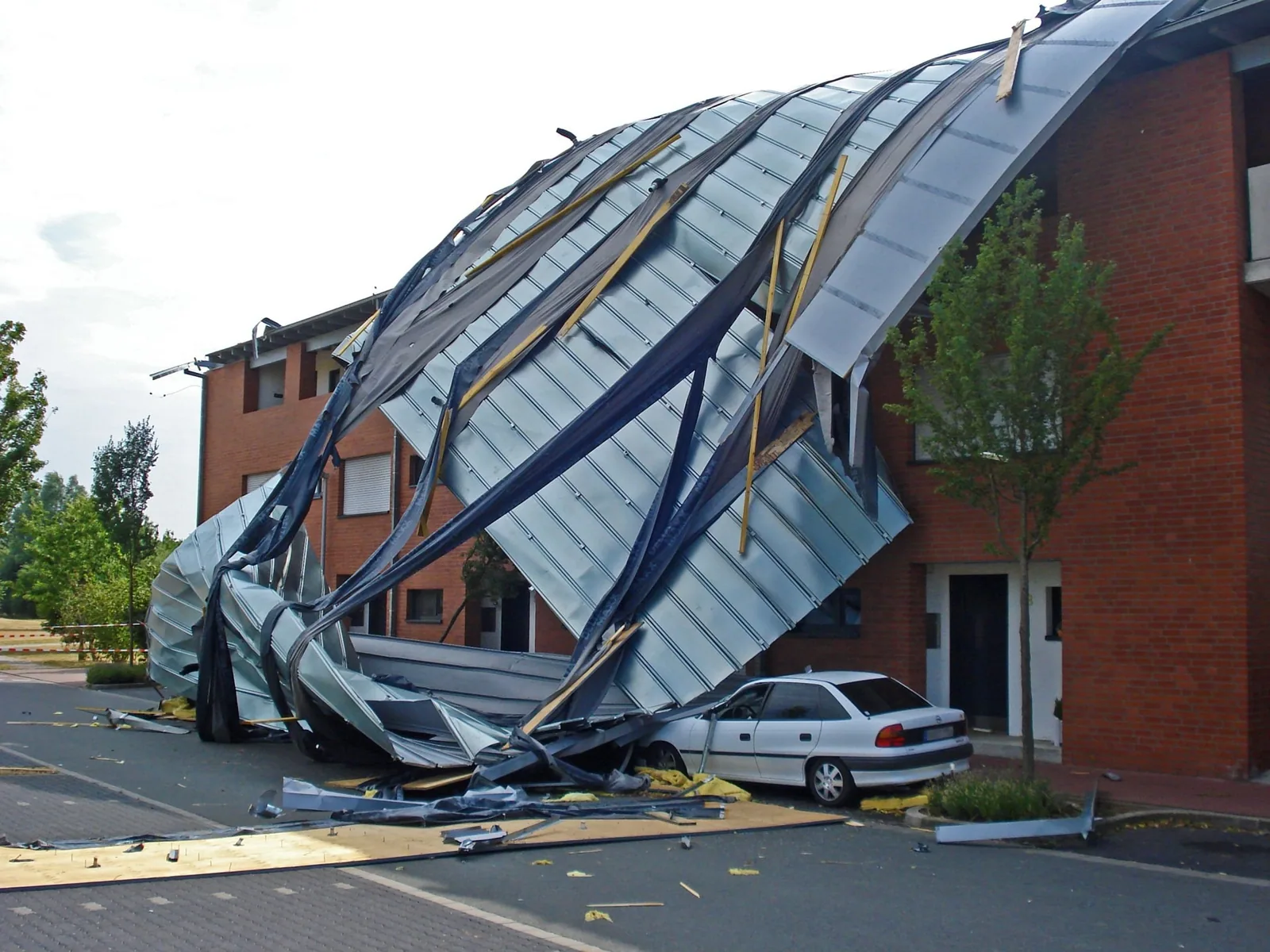
A wind-damaged perimeter may need component removal, securing or another control before permanent repair. Identify the actual interface and accessible substrate. The observed condition should set the response sequence.
Before leaving a temporary measure, note its footprint, attachment approach, drainage effect and limits. Name the person who will check it after a weather change or renewed report, and set the next review point. If safe access or material conditions prevent a complete closure, state what remains exposed and which follow-up task is needed instead of treating the first response as a permanent repair.
We connect interior reports with a roof sketch and examine relevant accessible details. Water can move through concealed routes, so the reported drip does not establish the entry point. The effect of temporary work is useful follow-up evidence without proving every path was resolved.
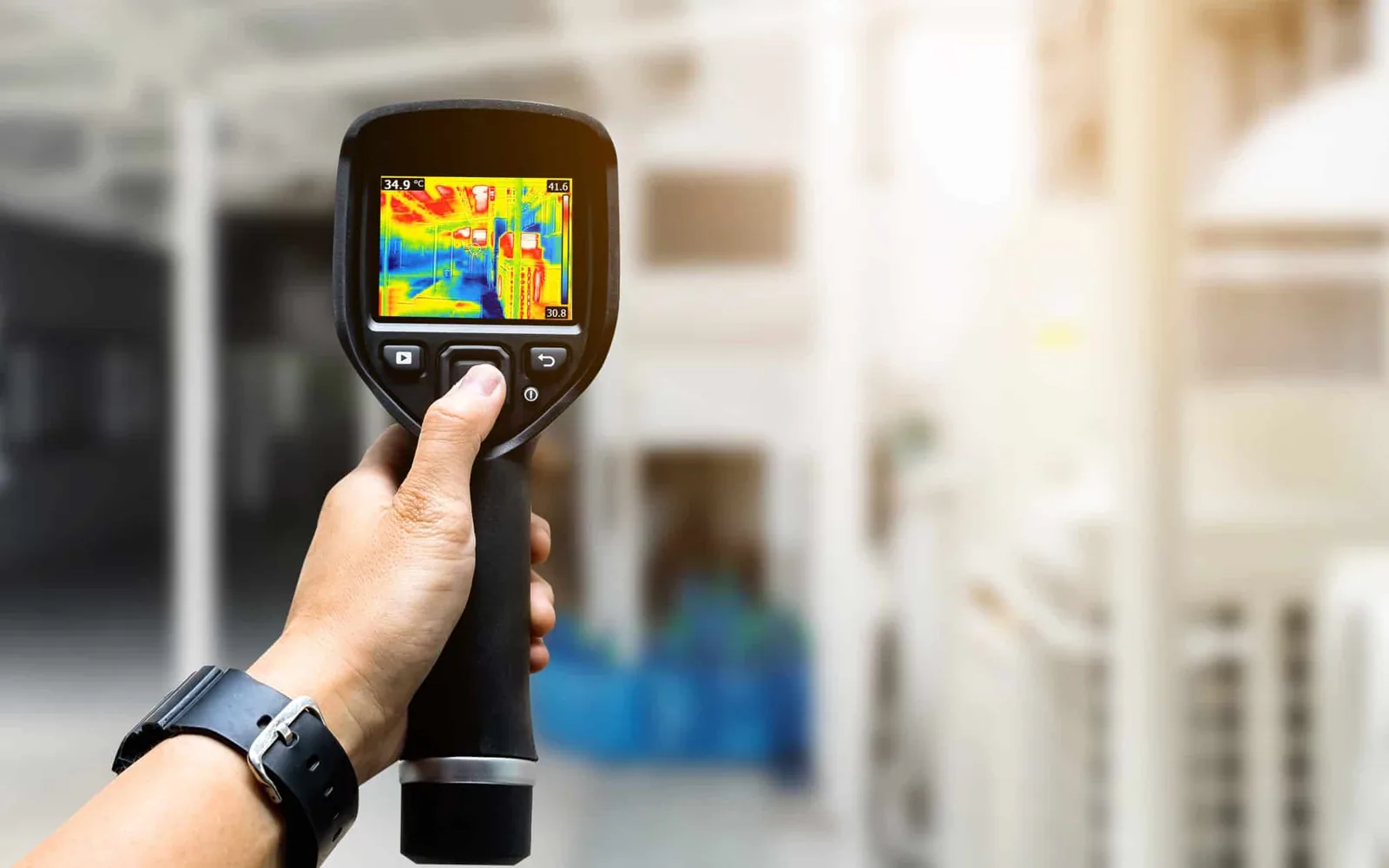
Commercial roof leak repair can continue the source investigation and define a compatible correction. Suitable tests need authorization and protection for the assembly and occupied space. Thermal or instrument findings require appropriate interpretation and selected confirmation.
Opening the assembly may reveal underlying damage. Define the removal and closure plan before that work starts. Newly exposed deck or support concerns can need another approval and the appropriate professional detail. The property manager should know which decision holds the rebuilding work.
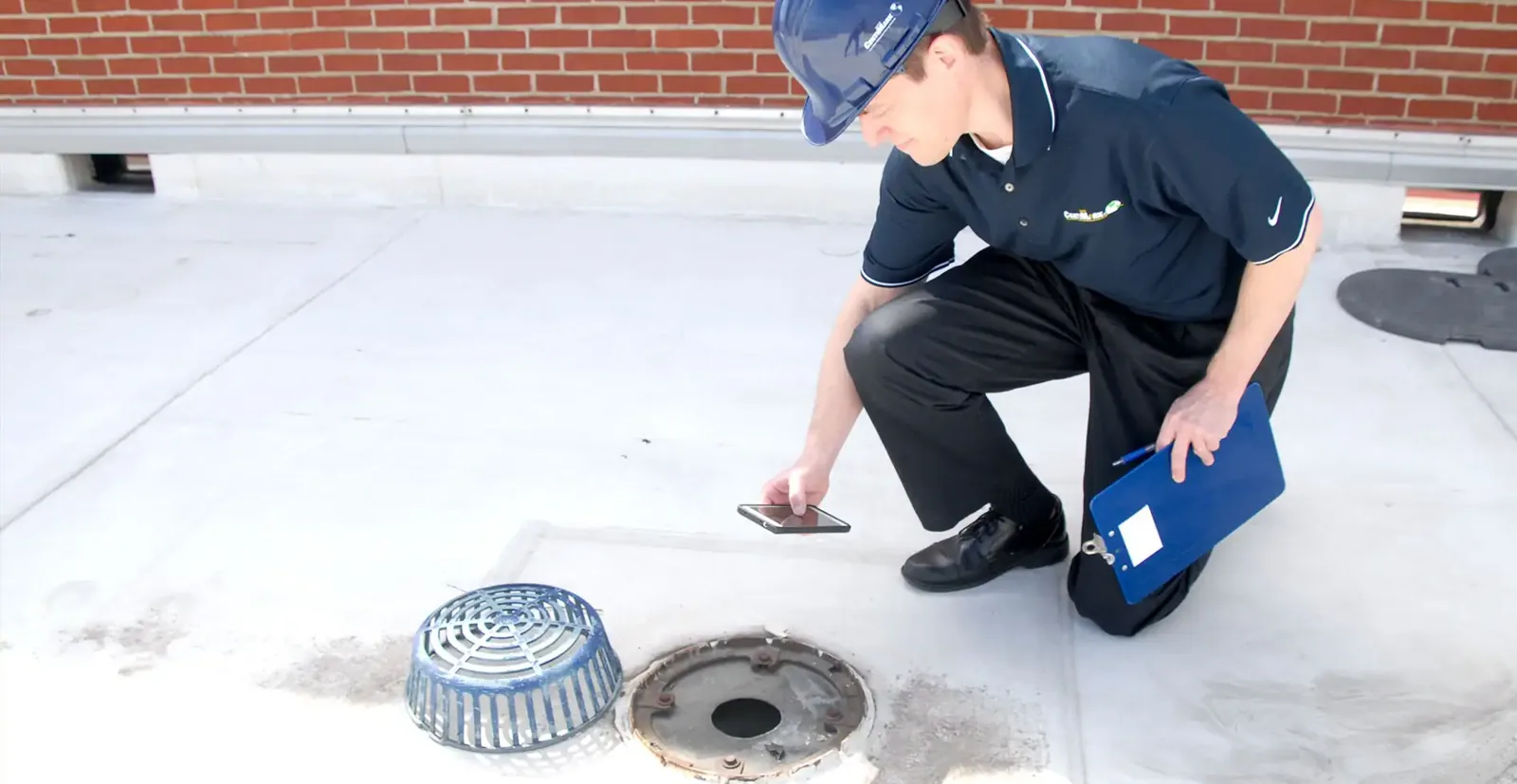
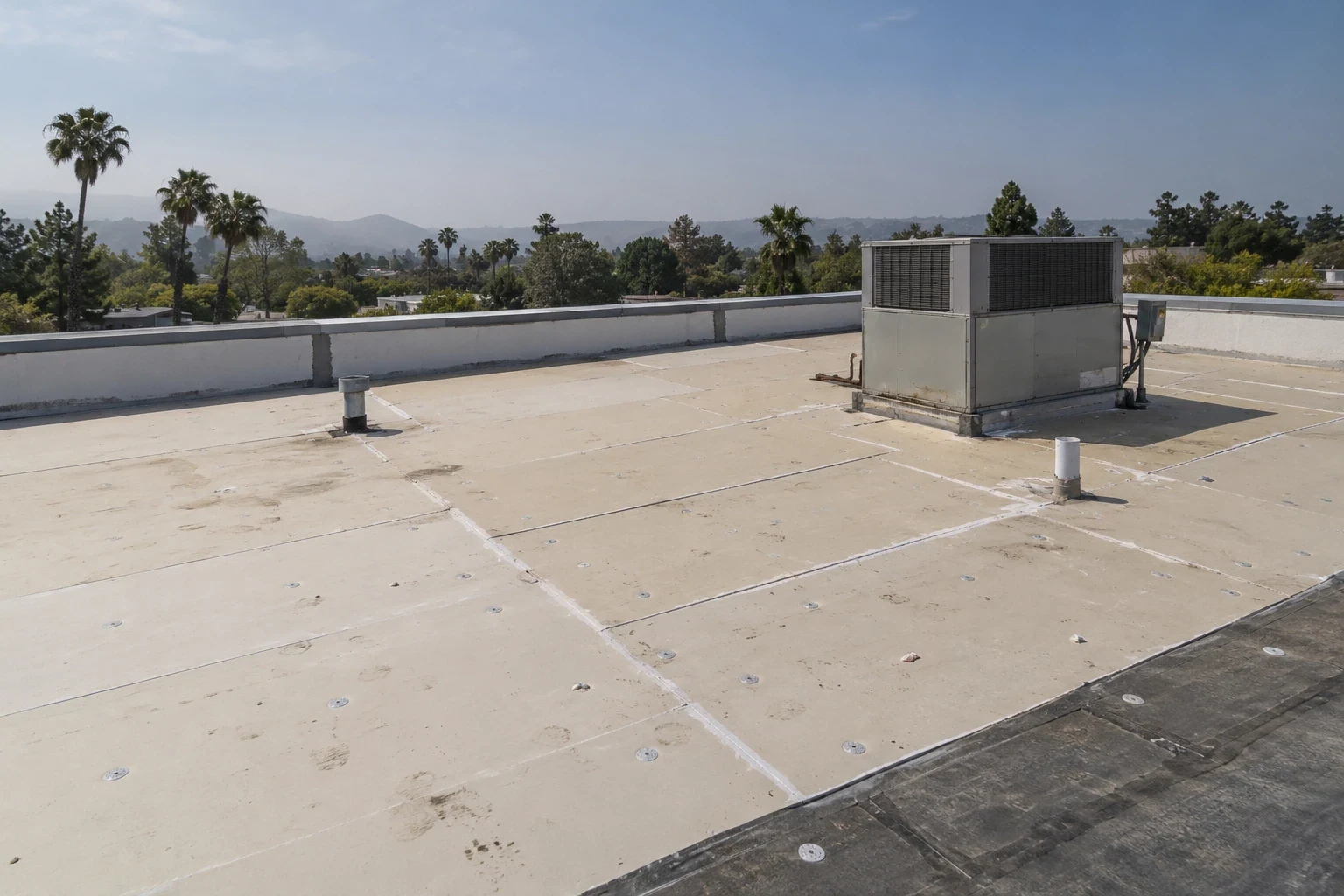
A permanent repair should identify the field material and the affected connection. Seams, curb flashing and drain interfaces have different requirements. We select compatible components and preparation for the roof found. The scope should show how the corrected detail joins suitable surrounding work.
Equipment or wall damage can require another trade alongside roofing. Assign each connection before treating the overall interface as complete. A repaired membrane does not automatically clear a damaged rooftop unit for service.
Storm damage repair can develop from the broader findings after initial protection. For fire-related damage, access and specialist assessment may need their own sequence. Record the relevant controls and acceptance before rebuilding.
Keep emergency measures separate from additional permanent work and approvals. The record should allow ownership to understand what was necessary for protection and what remains part of the accepted correction.
Winter rain in Sunnyvale can leave a receiving surface wet when temporary protection is needed, so we assess the exposed connection before selecting the attachment method. Actual roof conditions and product requirements determine what protection or repair can be installed. The season alone does not establish a suitable bond, handling period or expected temporary-work performance.
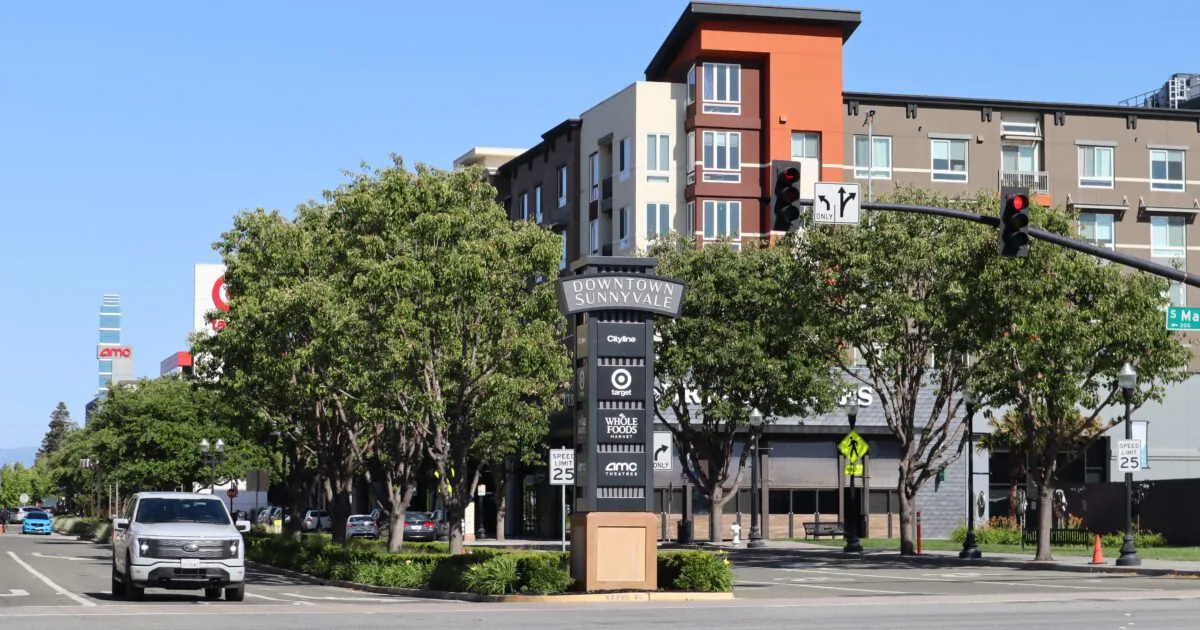
In northern Sunnyvale, Moffett Park extends north from State Route 237 toward its San Francisco Bay boundary. A site in Moffett Park needs its receiving gate and roof-zone references in the response record. Nearby district geography does not establish the property's wind damage or drainage condition.
The Lawrence Station and Kifer Road setting includes industrial and research buildings. For a Lawrence Station Area report, provide the particular operator and affected space. Those details help coordinate the visit and protection around actual building activity.
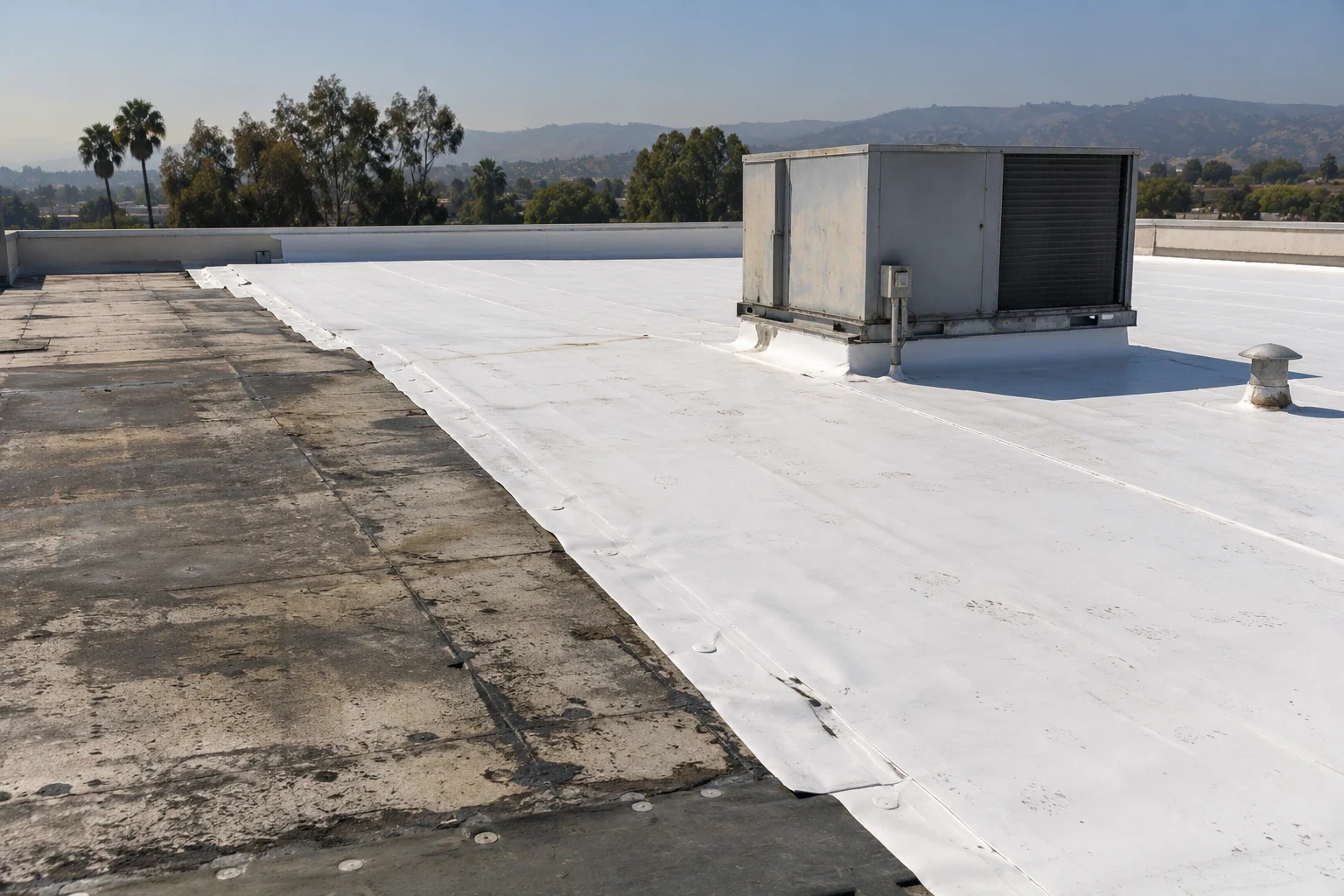
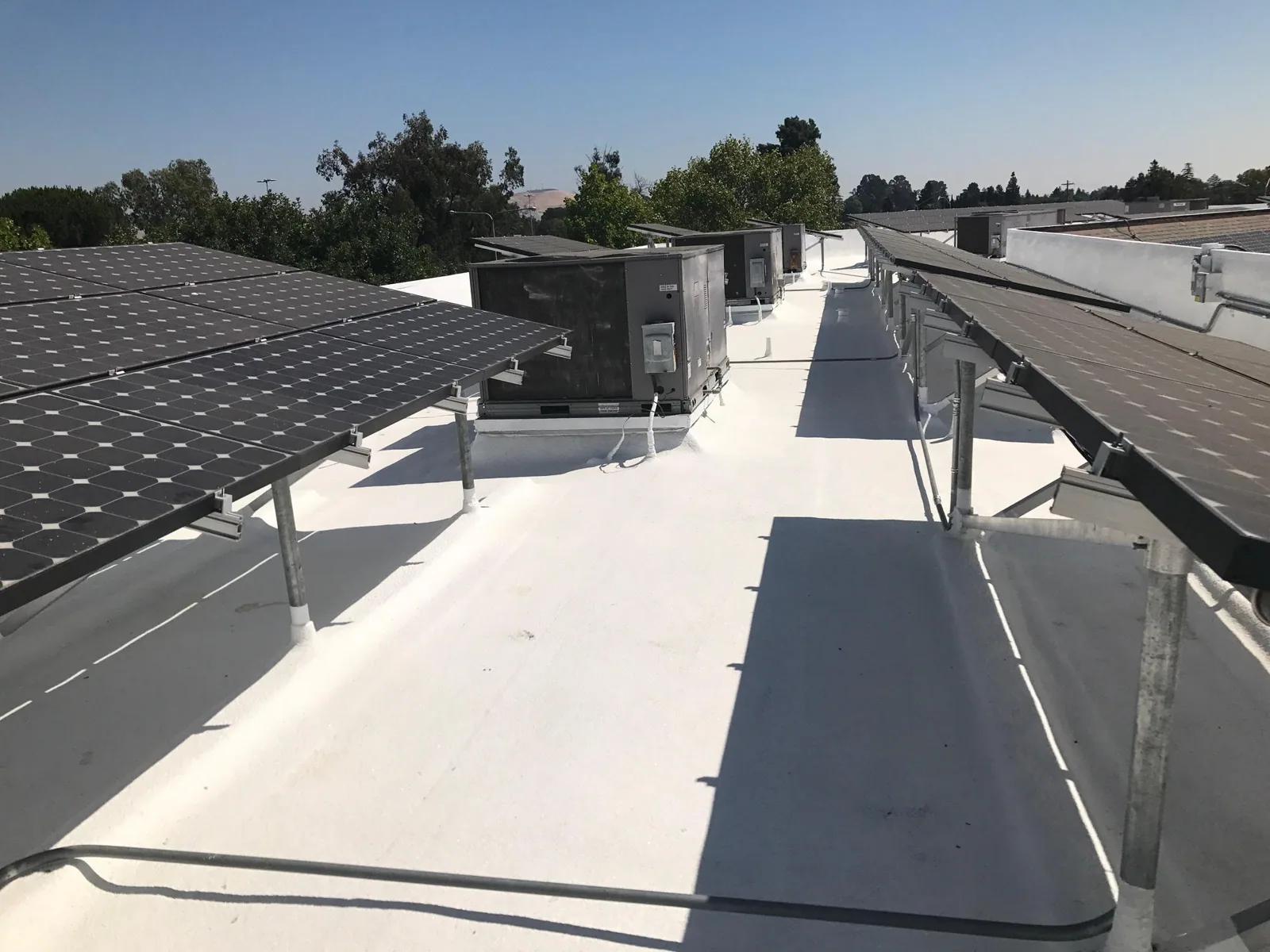
Record visible conditions before work where safe, then document the installed measures and remaining exposure. Keep locations and dates with each stage. Claim documentation can use those records, with coverage decisions following the actual policy and review.
The property manager receives completed work, temporary-work limits and a clear list of next actions. Assign further inspection, component work and permanent-scope approval to the appropriate contacts. A later visit should be able to return to the same detail and understand what changed.
Roof acceptance and interior equipment clearance remain different responsibilities. Keep their assigned contacts and unresolved decisions visible through the final handoff.
Identify the location and notify the responsible qualified building contact. Operating and electrical clearance follow the site procedures. We coordinate roof assessment with the reported exposure and interior restrictions.
Its condition, method and site exposure need ongoing review. Record its limits and arrange the permanent decision. A general duration promise does not replace the checks needed for the installed measure.
Provide the authorized contact and usable receiving route. Confirm access and documentation permissions for the roofing activity. The response needs the assigned property's requirements rather than assumed base-wide procedures.
Accessible findings may establish a local defect while other questions remain open. Document what was confirmed and what needs further investigation. Temporary protection and permanent correction should stay distinguishable.
Retain dates, located photographs, work descriptions and approvals. Include temporary limits and assigned follow-up. The file should describe observed conditions and completed measures without implying an unexamined area was cleared.
Call with the address, visible exposure and building contact. We can coordinate assessment and feasible protection, then provide a located work record and next-step list for the property manager and ownership.