


Commercial roof leak repair in Sunnyvale: examine reported entry, choose suitable investigation and document compatible detail repairs on a located roof plan.
A changed conduit route on a Sunnyvale, CA industrial building leaves several roof details to examine: the current support, its flashing connection and any abandoned penetration nearby. A reported ceiling drip makes their locations important. We put the interior report and accessible roof observations on the same roof plan, then identify the connection that needs closer investigation.
The property manager receives a repair task tied to what was found. That task names the field material, affected detail and any remaining access or testing needed before the correction is settled.
Ceiling photographs help when they include a room, wall or column reference. We record the reported timing, affected activity and any changes to rooftop equipment or tenant space. Timing guides the investigation without settling the cause by itself. A dry-day drip can involve retained water, a mechanical source or condensation; the actual assembly and operating conditions need examination.
Water can move through concealed layers or along building components before becoming visible. We compare the interior locations with the roof layout and accessible details. There is no fixed travel distance to apply across different decks and insulation arrangements.
For a property in the Lawrence Station Area, Kifer Road and Lawrence Expressway provide useful site references. The visit still needs the particular building entrance, roof access contact and permission to examine the affected tenant space.
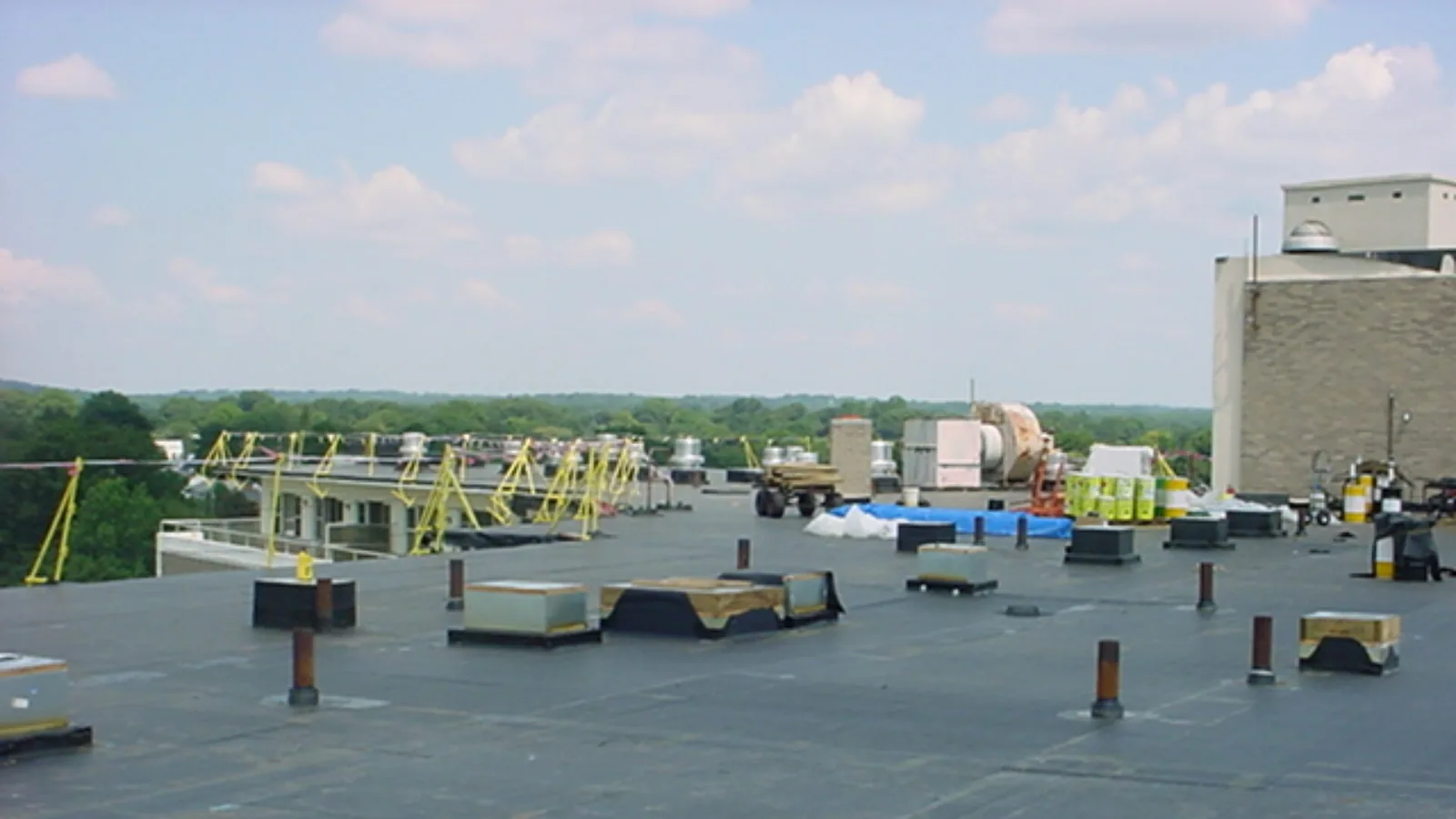
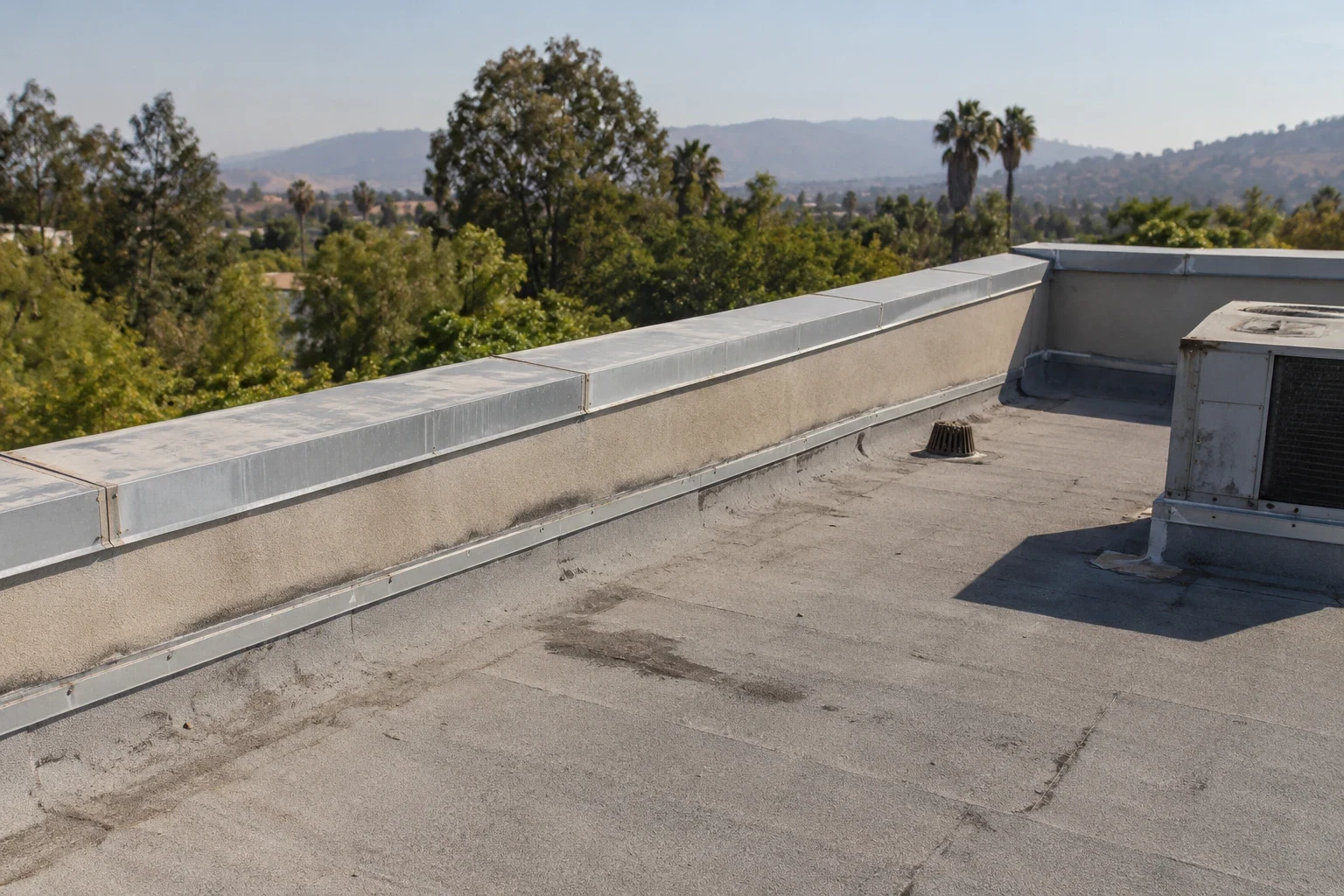
A curb detail should connect sound field material to an accepted component with suitable clearance. We examine accessible flashing, joints and adjoining equipment conditions separately. A split connection at the roof and a defective equipment component can require different trades. The roof plan keeps those findings distinguishable instead of grouping everything under one patch.
Old conduit openings need a defined closure detail. Identify whether the component is still active before removing or altering it. The responsible electrical or mechanical trade makes that decision; the roofing task then completes a compatible field connection.
Penetration flashing repairs can involve a sealed boot, curb connection or another product-specific detail. We select the correction from the installed material and observed interface. A pitch pan or applied sealant is not an automatic repair for every opening.
The examination may leave a source question unresolved. We choose additional investigation suited to that question, the assembly and the occupied building. Any water test needs permission, protection and a controlled plan, including the observation points and stopping conditions. Reproducing an interior drip is evidence to interpret with the tested area and other findings.
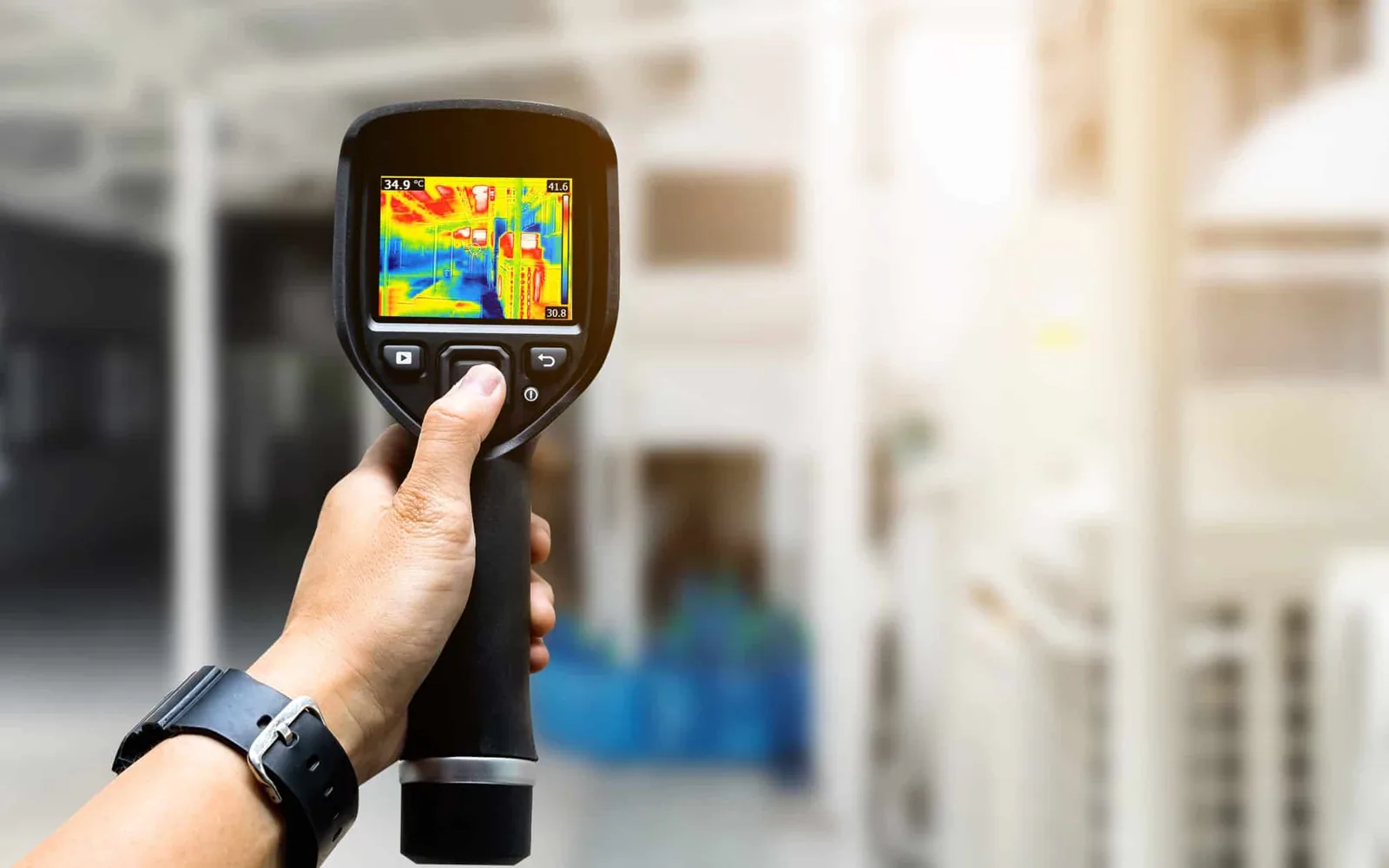
An infrared moisture survey can help investigate suitable roof areas through thermal interpretation. Collection conditions matter. Selected indications need confirmation before we describe concealed material as wet.
At each authorized opening, record the exposed layers and whether the material shows the condition being investigated. Their locations should correspond with the roof plan and results. A sample does not automatically define every wet boundary or identify the original entry point. We state the supported finding and the question still requiring another check.
Record the test location, method, weather and observed result together. Where a controlled water test is appropriate, isolate one detail at a time and set a stop condition before introducing water. Protect occupied finishes below and identify who will observe the interior. A negative result describes that test under those conditions; it does not certify concealed construction beyond the area reached.
Round-the-clock response is available for urgent roof concerns. The feasible work depends on crew readiness, safe access, current conditions and suitable materials. We coordinate the reported exposure through emergency roof response and keep the property manager informed of the intended work boundary and remaining limitations.
Temporary protection should suit the accessible defect and surrounding roof. An unsecured covering can create another hazard. We identify the installed measure, its location and the next assessment or permanent-work step in the record.
Building contacts need to address the interior as well. Water near electrical equipment calls for the responsible qualified assessment. HVAC adjustments require a planned operator-approved period and the appropriate trade. Roof work does not establish that affected equipment is ready to operate.
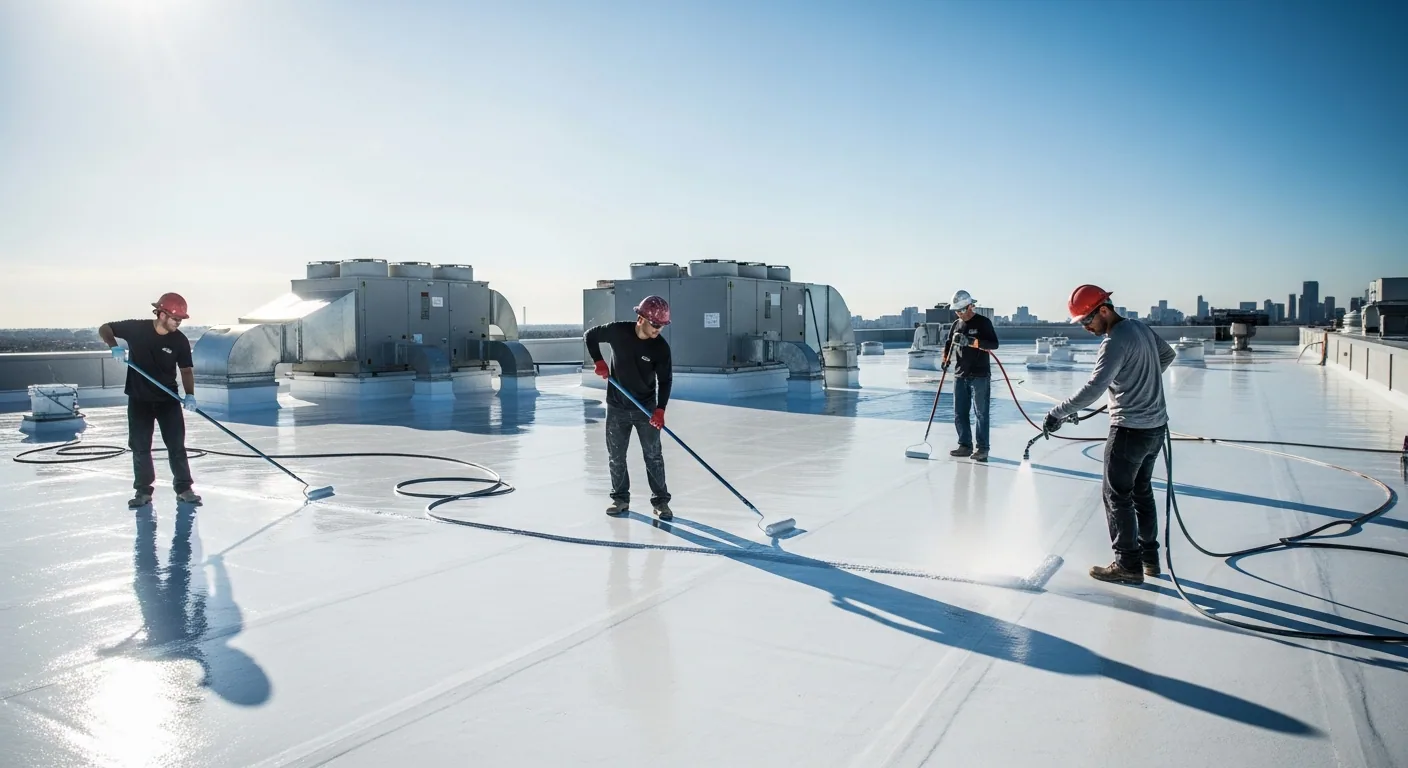
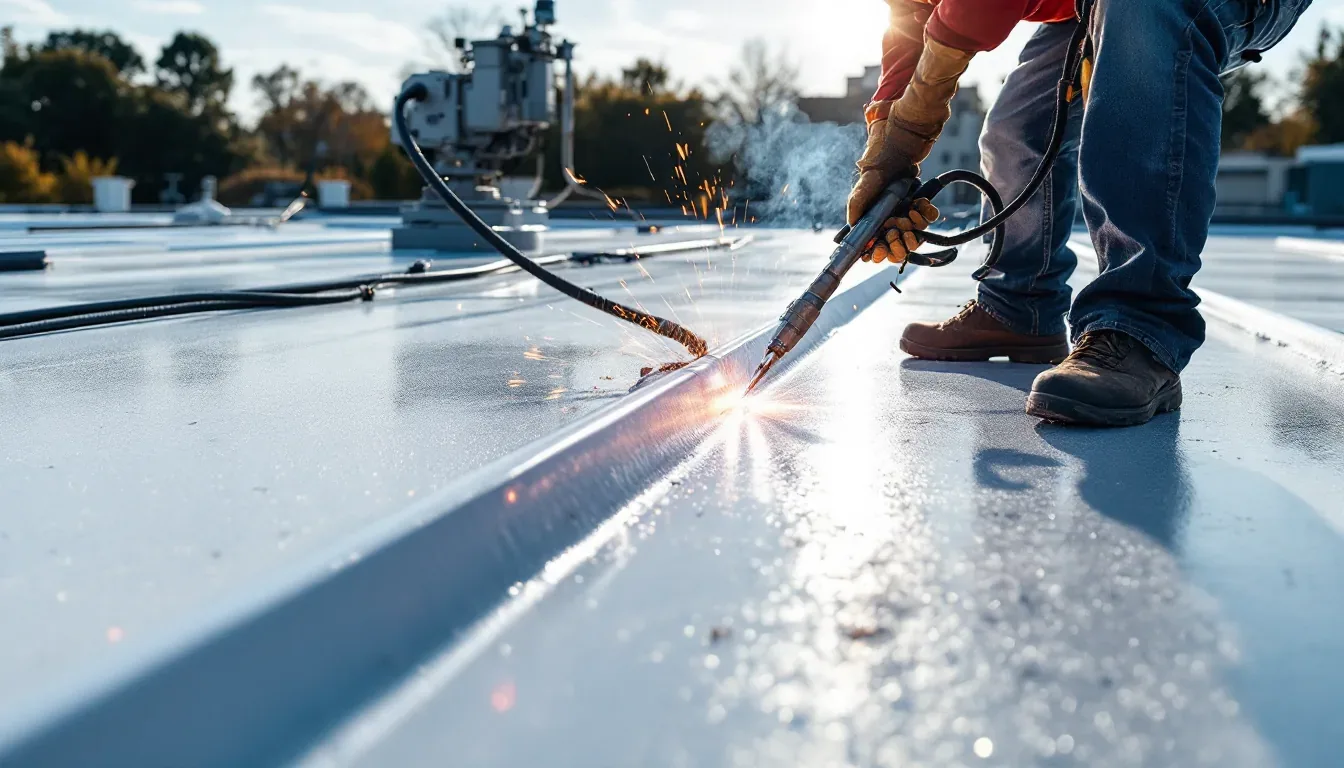
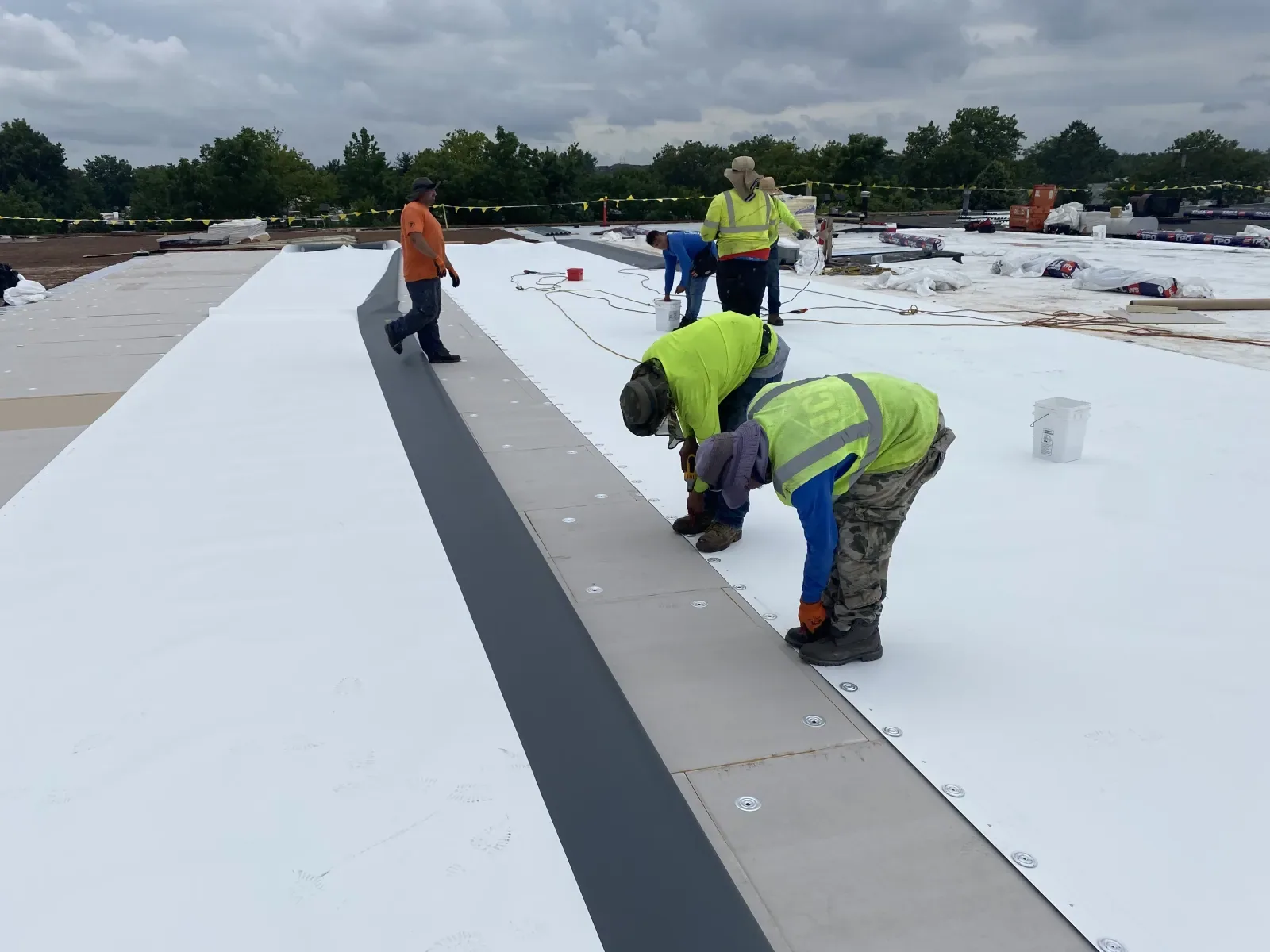
A suitable repair joins compatible material to an accepted receiving surface. We define preparation, the corrective detail and its connection to the surrounding field. Thermoplastic, rubber and bituminous roofs need their own methods. The existing product and condition determine which connection can be made and what checks are appropriate.
Where removal exposes damaged material, the scope needs a documentation and approval process. Record the layer and location before widening the work. Structural concerns or damaged supports can require another professional's input before rebuilding.
Planned roof repair should also identify adjoining trade work. A corrected flashing connection can remain dependent on equipment or wall work. We keep that interface assigned until the detail can be accepted as complete.
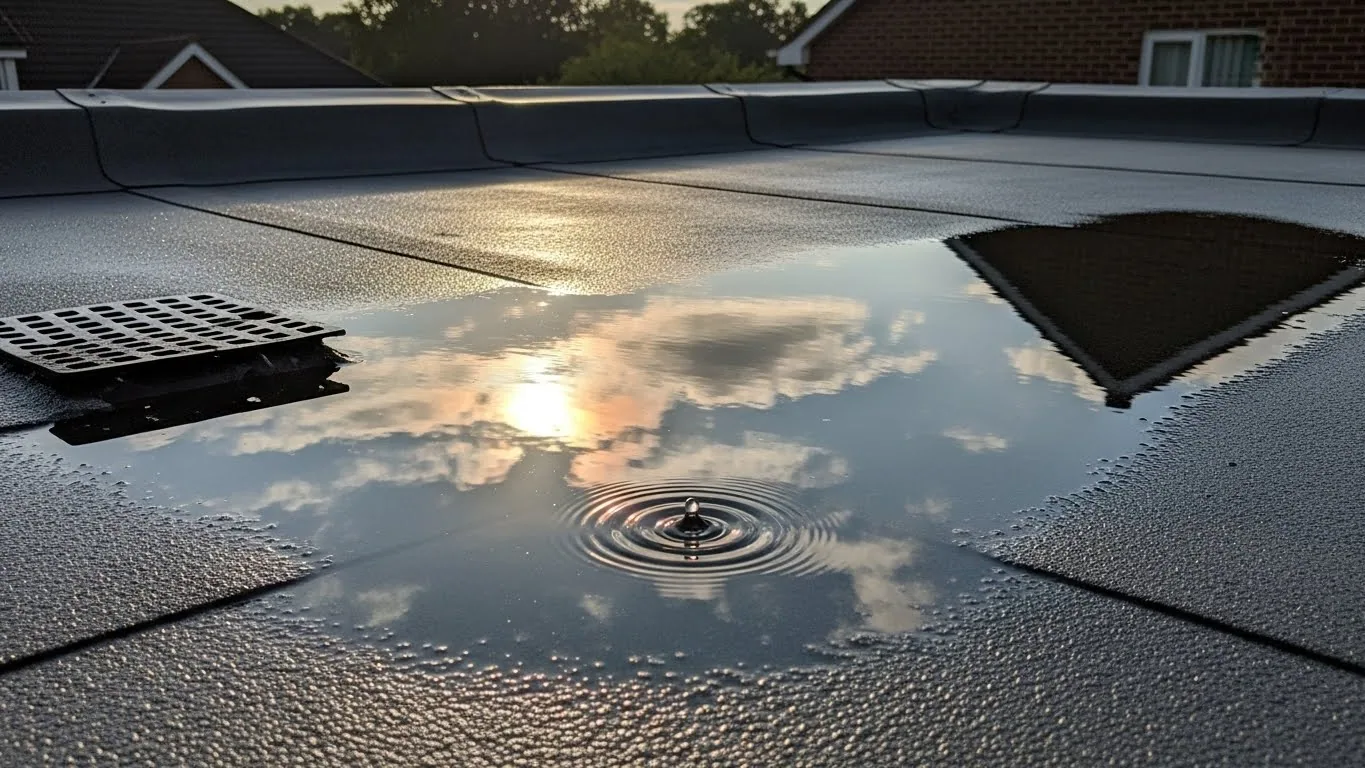
During Sunnyvale's long dry summers, an inactive leak still needs its suspected seam or flashing checked; the absence of recent rain cannot establish that the entry has closed. A dry-season examination can make accessible debris and damaged connections easier to address before the wetter period. We check the actual outlet and nearby field rather than assuming a clear-looking surface establishes the full drainage condition.
Drain and scupper work may address a damaged component or roof connection. Debris removal and a downstream drainage investigation are separate tasks. Stains or sediment can guide closer review without establishing retained water depth or capacity.
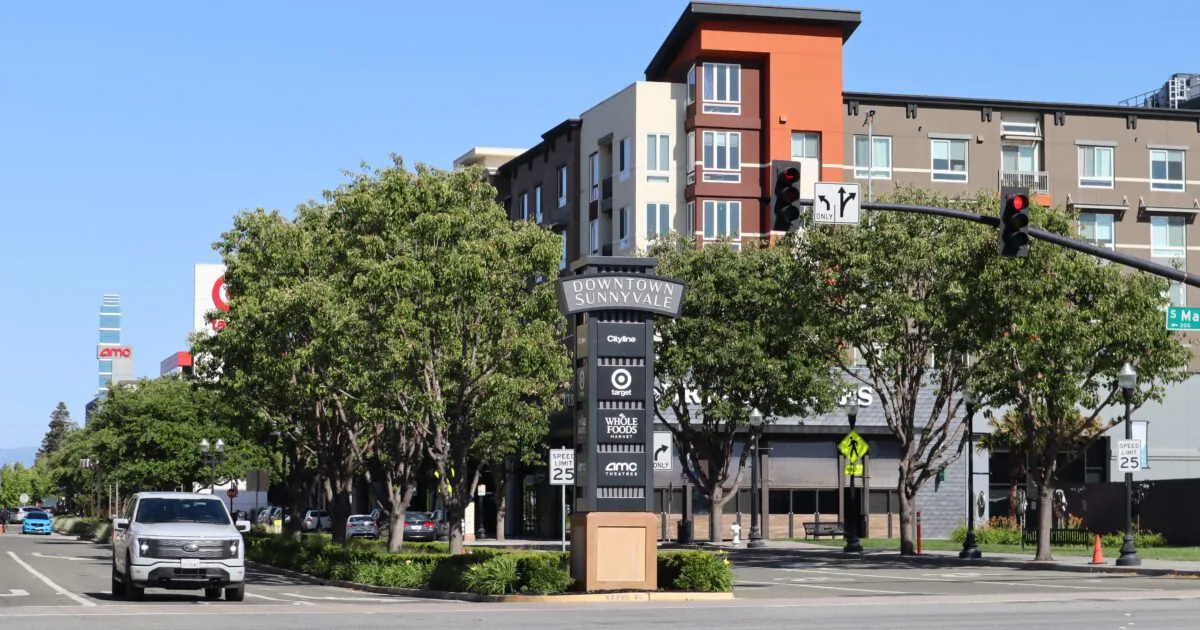
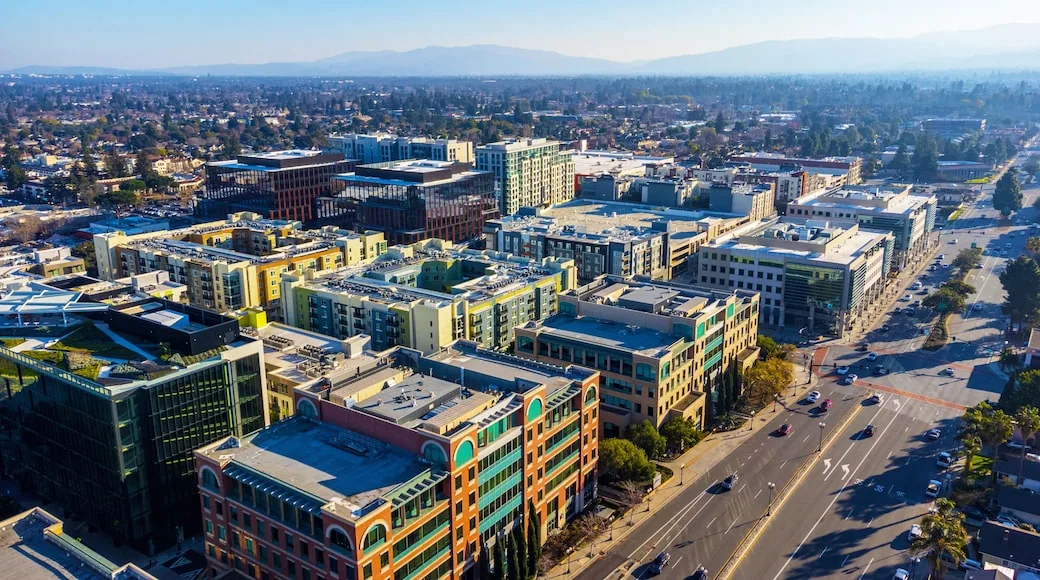
Moffett Park occupies northern Sunnyvale between State Route 237 and San Francisco Bay. For a project there, the operator's receiving instructions and roof-zone references belong with the visit plan. The district setting supports local coordination; the observed roof details define the corrective work.
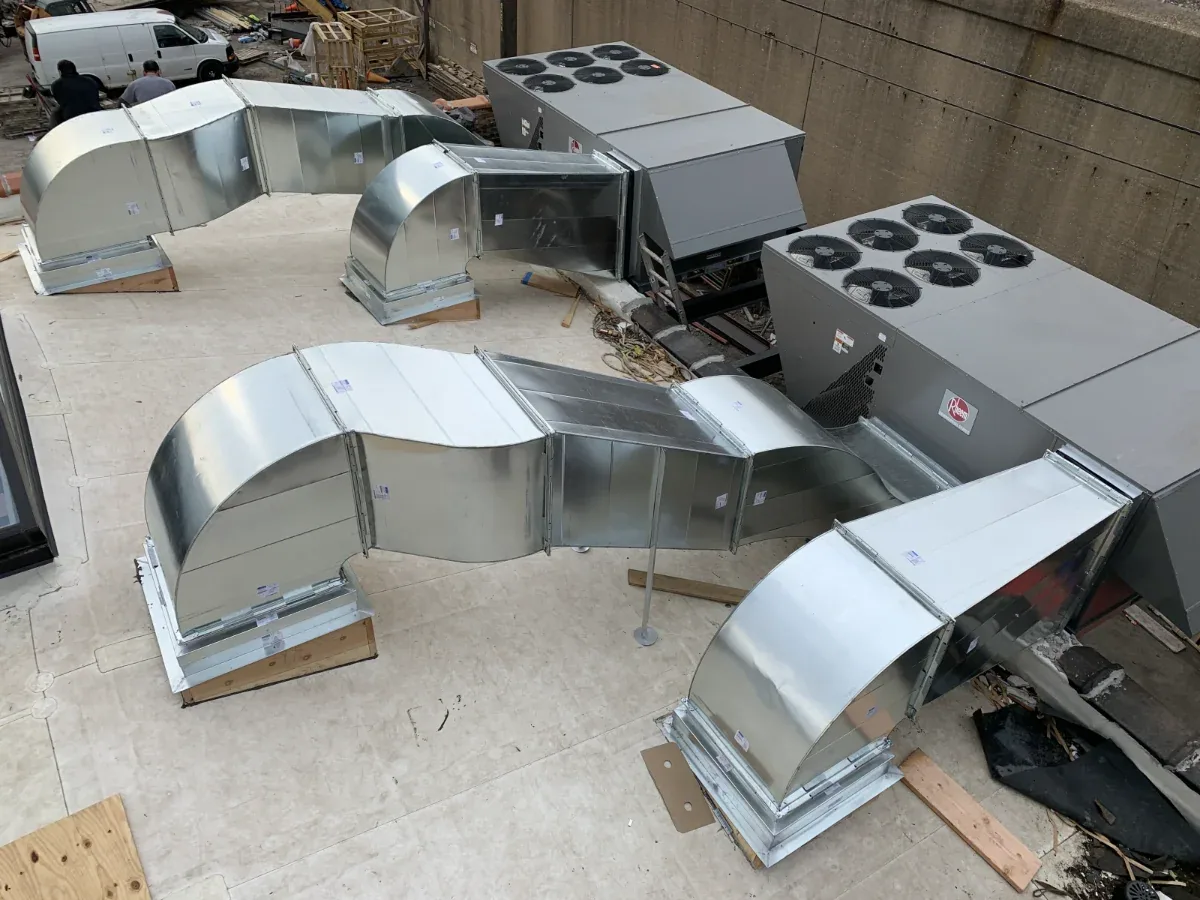
The final file should show the reported condition, investigation and work by location. Include relevant checks, accepted changes and photographs of completed connections. Claim documentation can use the dated record, with coverage and payment decisions following the actual policy and carrier review.
A quiet ceiling after repair is useful follow-up without proving every concealed layer is dry. We identify appropriate checks and any remaining question in the handoff. The property manager can pass ownership a clear repair list with completed work and assigned next steps.
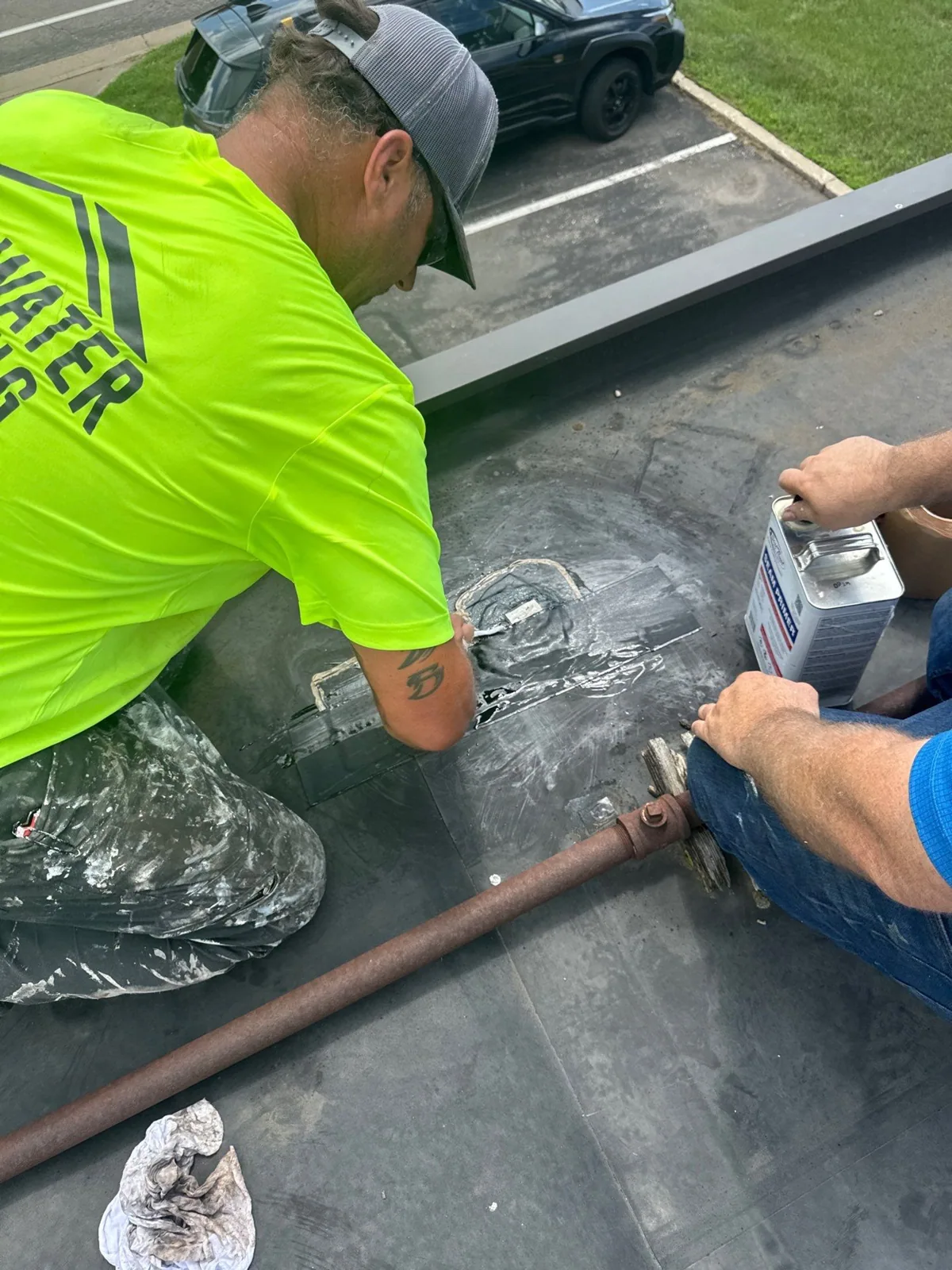
Provide the equipment-work record and interior location references. We examine the roof connection and coordinate component questions with the responsible trade. Keep the reported timing as evidence rather than treating it as proof of one source.
Review the failed connection, surrounding condition and earlier work first. A recurring defect can need another detail or adjoining trade correction. Broader recommendations should follow the assembly findings and feasible repair options.
The initial measure needs its scope and limits recorded. Some suitable localized work may be complete, while other conditions require investigation and a rebuilt detail. We distinguish those outcomes in the work record.
Evidence from the leak, assembly or planned repair can justify another method. Choose appropriate coverage and confirmation rather than a preset survey for every call. Keep the results connected to the proposed removal boundary.
Located photographs, the corrective task and relevant checks make the file useful. Include unresolved interfaces and follow-up responsibilities. The record should explain what was accepted without implying every unexamined condition was resolved.
Send the dated ceiling images and roof access contact so we can compare the reported entry with the accessible seams and flashing. The photographed repair list will identify the supported correction and any further test ownership needs to approve.