Los Altos commercial roof repairs focus on retail and office details, drainage and tenant changes. Get a marked inspection and a practical scope for ownership.
A small retail roof can have several tenant penetrations competing for space beside one drain. On a Los Altos commercial property, we examine those connections individually: the sealed boot, the equipment curb and the repair left after an older tenant alteration. The manager needs to know which task closes a current opening and which construction issue needs wider correction. Commercial Roofing Sunnyvale works on commercial roofs in Los Altos, CA with repair lists that name the parts.
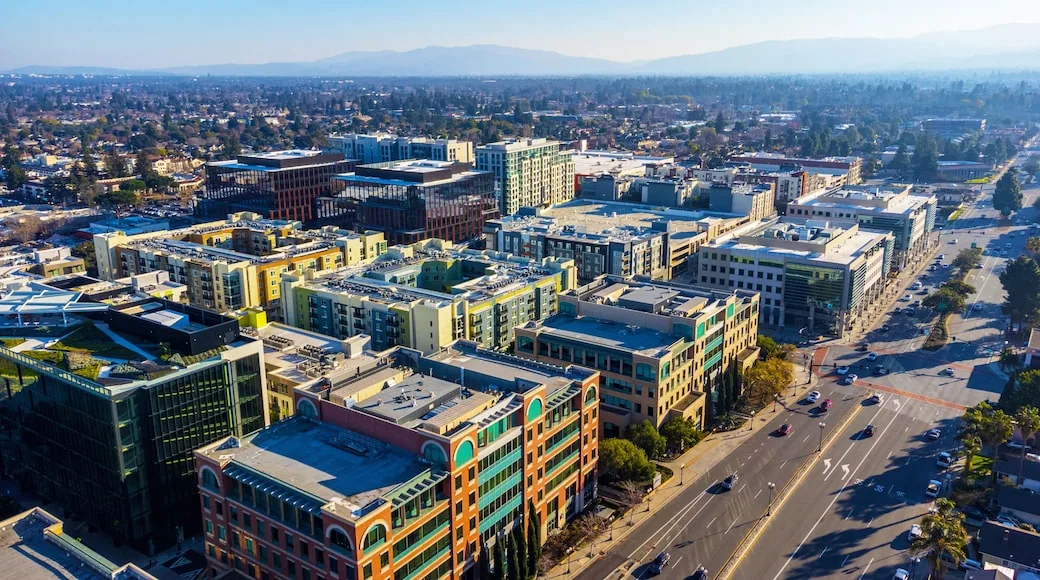
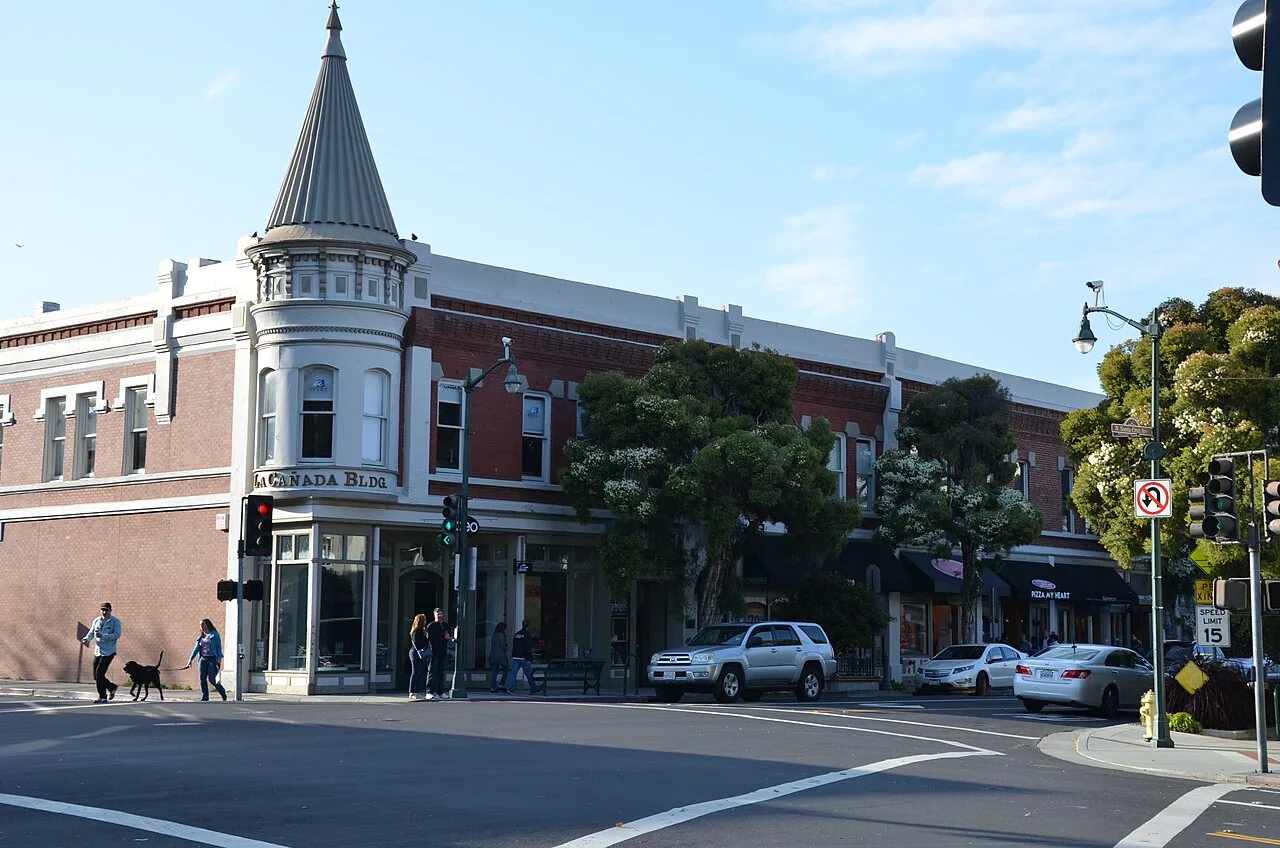
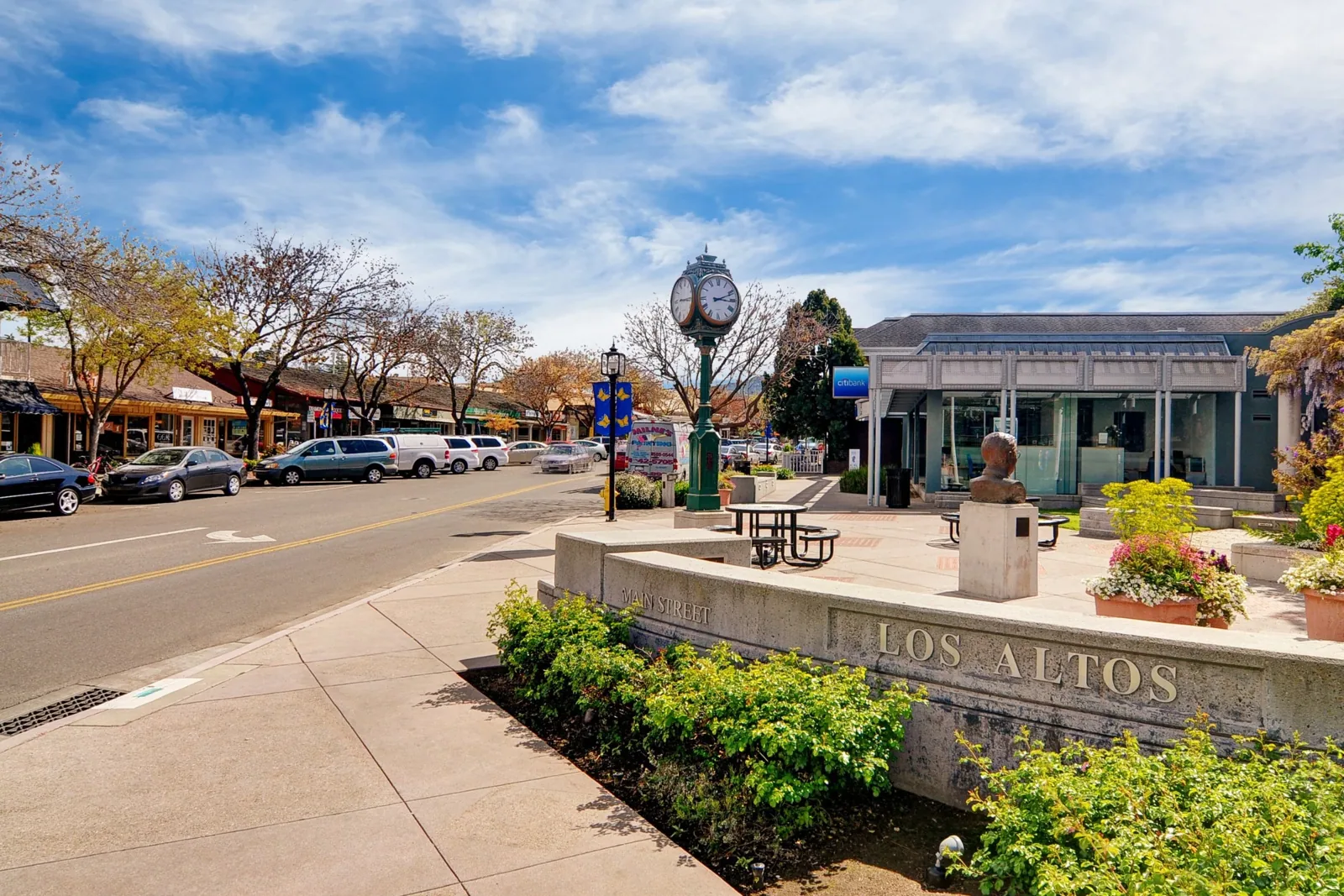
Los Altos concentrates commercial uses in its downtown triangle and small shopping and office areas along Foothill Expressway and El Camino Real. Those settings make roof access and tenant coordination relevant even on a compact assignment. We confirm the actual building entry, occupied spaces and material handling route. A familiar commercial corridor does not establish a roof type or tell us whether an old patch remains suitable.

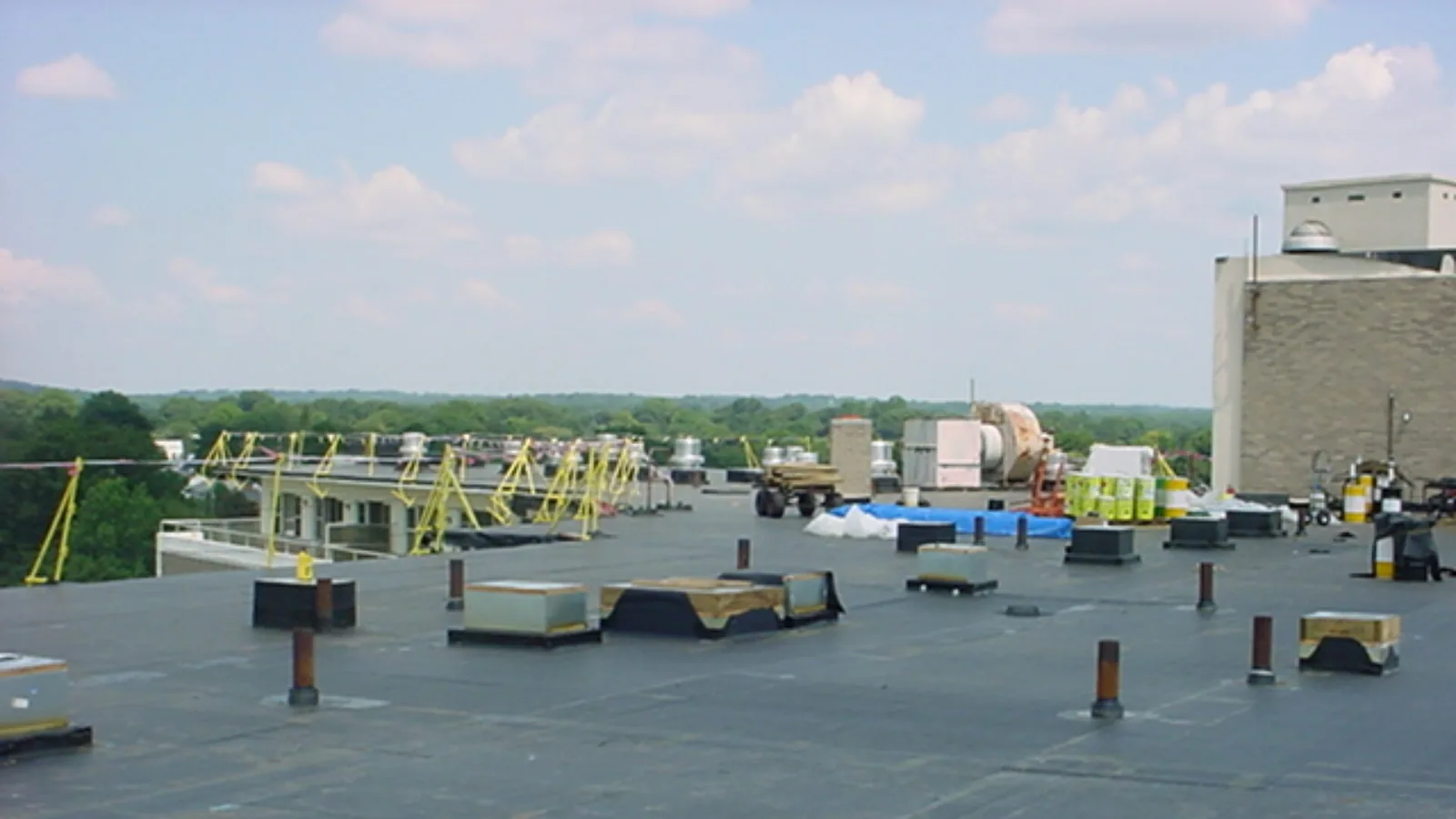
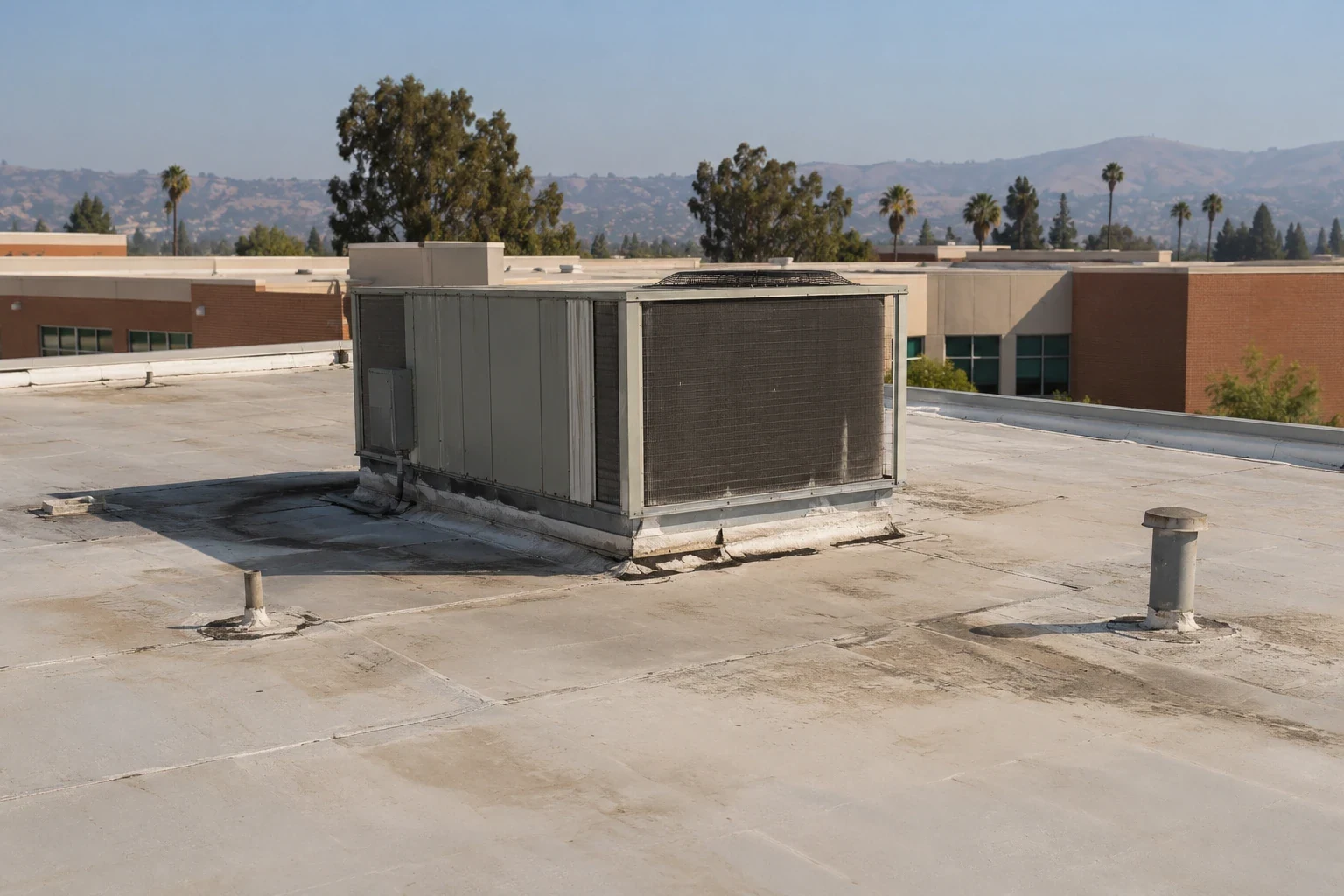
A roof may have a sound open field and poor connections clustered around equipment. We inspect those details rather than using the overall appearance to dismiss them. A cracked boot needs evaluation of its attachment and receiving surface. An old pitch pan needs the contents and remaining penetrations understood before repair. Where a removed unit left a curb, both its cover and base flashing require examination.
Leak investigation and repair combine the roof observations with interior symptoms and any available service history. A ceiling mark alone does not identify the entire corrective scope. We look for possible routes, test or open areas when appropriate and identify uncertainty clearly. The manager gets a location and task for each confirmed defect, with any next investigation stated separately.
An office entrance and a retail delivery door can need protection at different times. We discuss those routes with management before material arrives or debris leaves the roof. Foothill Expressway and El Camino Real provide local commercial context, but permission and space for staging must be established at the property. A repair with minimal removal may still need a protected work area where equipment or material passes above an active entrance. Have the property contact confirm the arrival period and protection limits with each adjoining tenant before materials are moved. List each affected storefront and its assigned reopening check.
Assignments in nearby Cupertino and Mountain View can be scheduled with a Los Altos inspection when management coordinates several addresses. Each building keeps its own finding record. Shared tenancy or ownership does not mean that a repair material suitable at one building will bond to the covering at another. We identify the existing roof before selecting the connection.
In Los Altos, confirm the building and tenant contact for the actual roof assignment before selecting a delivery or lift position. Smaller commercial properties may share driveways, parking or walls with neighboring uses. Mark the area below the repair, identify any adjacent storefront that needs protection, and confirm who can authorize temporary restrictions. If the work reaches a neighboring roof or shared drain, leave that condition outside the current quantity until its owner and connection are reviewed.
A tenant leaving a commercial unit can leave unused conduit, sign wiring or an equipment support behind. Roofing closure should follow proper abandonment by the responsible trade. We check the opening, backing and surrounding membrane before defining the repair. An opening cut through several layers may need a wider closure than its visible diameter suggests, particularly where the adjacent material is wet or deteriorated.
For repairs at penetrations and skylights, the flashing needs to meet the existing assembly cleanly. A raised lid or glazing problem may belong to another component scope, while the curb connection remains roofing work. We distinguish those responsibilities in photographs and written tasks. Future tenant alterations should then return to the roof plan so another penetration is not installed through a recently repaired or inaccessible detail.
A walkway pad is useful only where it protects a real service route without trapping debris across the flow path. We examine the pad edges, the nearby surface and the route water takes toward the outlet. Cleaning reveals the drain connection for inspection; it does not establish that the slope is adequate. A persistent low area can need a local correction, with the supporting layers examined if softness or moisture is suspected.
Maintenance of drains and exposed roof details should leave a usable record of what was cleaned, repaired or deferred. We check boots and curbs alongside the outlets rather than treating leaf removal as the entire roof visit. Nearby Sunnyvale has dry summers followed by a cooler wet season, which makes early preparation relevant for coordinated properties. The Los Altos roof itself still determines the required tasks and inspection access.
Several patches do not automatically justify replacement. We inspect the field, attachments and supporting layers to determine whether repairs can form a coherent scope. Widespread material deterioration or wet assembly layers may instead require broader renewal. Our repair and renewal planning explains the distinction and the effect on tenants. Equipment changes planned by ownership should be considered at the same time so a repair is not disturbed soon after completion.
The actual property address and permit authority determine the project review. We confirm the accepted application basis before deciding applicable roof energy provisions, compliance method and eligible exceptions. Fire classification and attachment are reviewed with the selected assembly. Emergency roofing assistance remains available through evenings, weekends and holidays, subject to safe access and conditions. Following permanent work, a marked roof plan records repaired details and any item that still needs another trade or additional examination.
An isolated repair may allow nearby tenants to remain in use, but we first identify the roof work area and the interior beneath it. Equipment access, noise and material handling can affect more than the leaking unit. We define protection and coordination with management before proceeding. If the assembly requires wider removal, the adjacent tenant may need a different arrangement for that stage.
Examine each curb and decide whether it has a retained purpose. A serviceable curb may be reused with an appropriate new connection; an unnecessary one may warrant removal and a proper assembly closure. We check backing and surrounding material before choosing either approach. Equipment abandonment and structural questions should be completed by the responsible parties so roofing does not conceal an unresolved component.
Photographs show the outlet condition, surrounding water path and defects that remain after cleaning. A cleared strainer can sit over a loose or damaged membrane connection. The manager should be able to distinguish a completed cleaning task from a needed repair. Marked locations also help a later visit return to the same drain instead of reporting only that the roof was serviced.
Each item should identify its roof location, observed condition and corrective work. We distinguish immediate repairs from optional renewal planning and identify access or trade work still needed. A small building can still have multiple roof materials or tenant alterations. Clear component-level tasks let ownership approve the appropriate work without treating all roof concerns as one undifferentiated patch allowance.
Commercial Roofing Sunnyvale can examine the affected connections and mark photographs on a roof plan. Bring ownership a repair list tied to the actual details of your building.