
Cupertino commercial roof inspections examine equipment supports, drainage and tenant alterations. Get specific repair and renewal advice for your building.
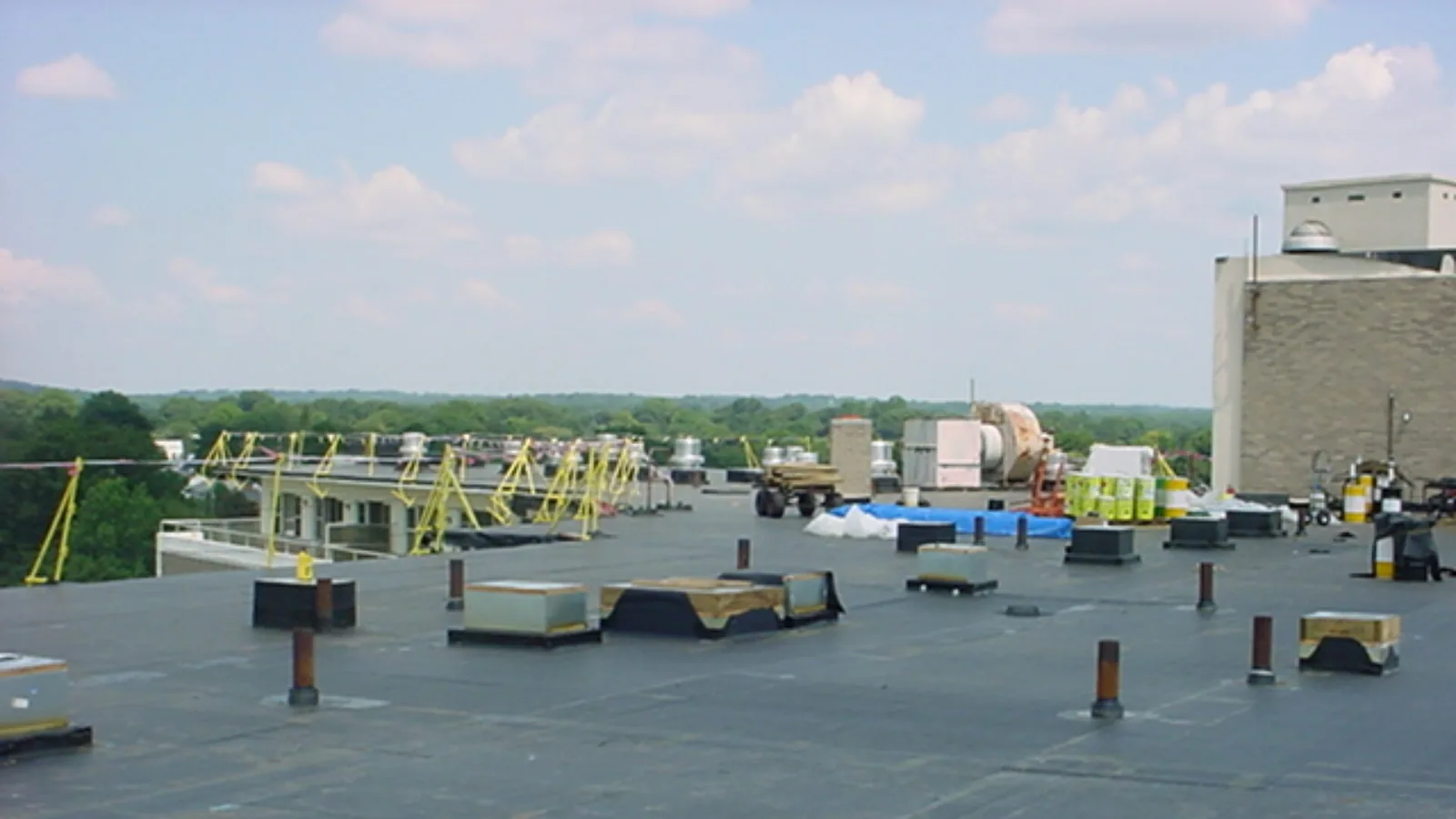
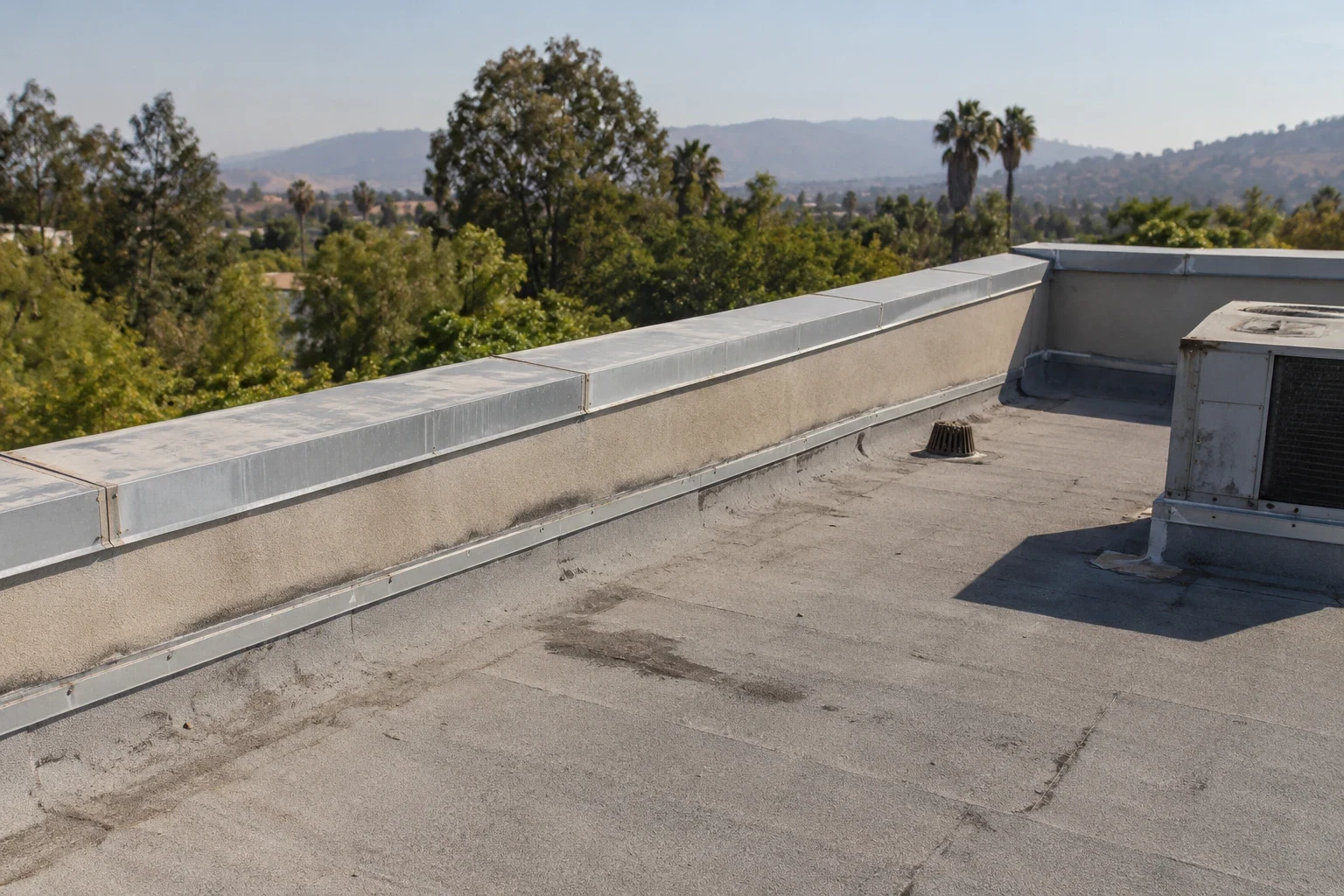
A shifted conduit support beside a commercial rooftop unit can wear the surface each time the equipment is serviced. On a Cupertino property, we inspect the contact area, nearby joints and the connection at any penetration before choosing a repair. The property manager needs the roof task and the equipment task identified together. Commercial Roofing Sunnyvale provides commercial roofing in Cupertino, CA with that attention to the small components that can interrupt occupied space.
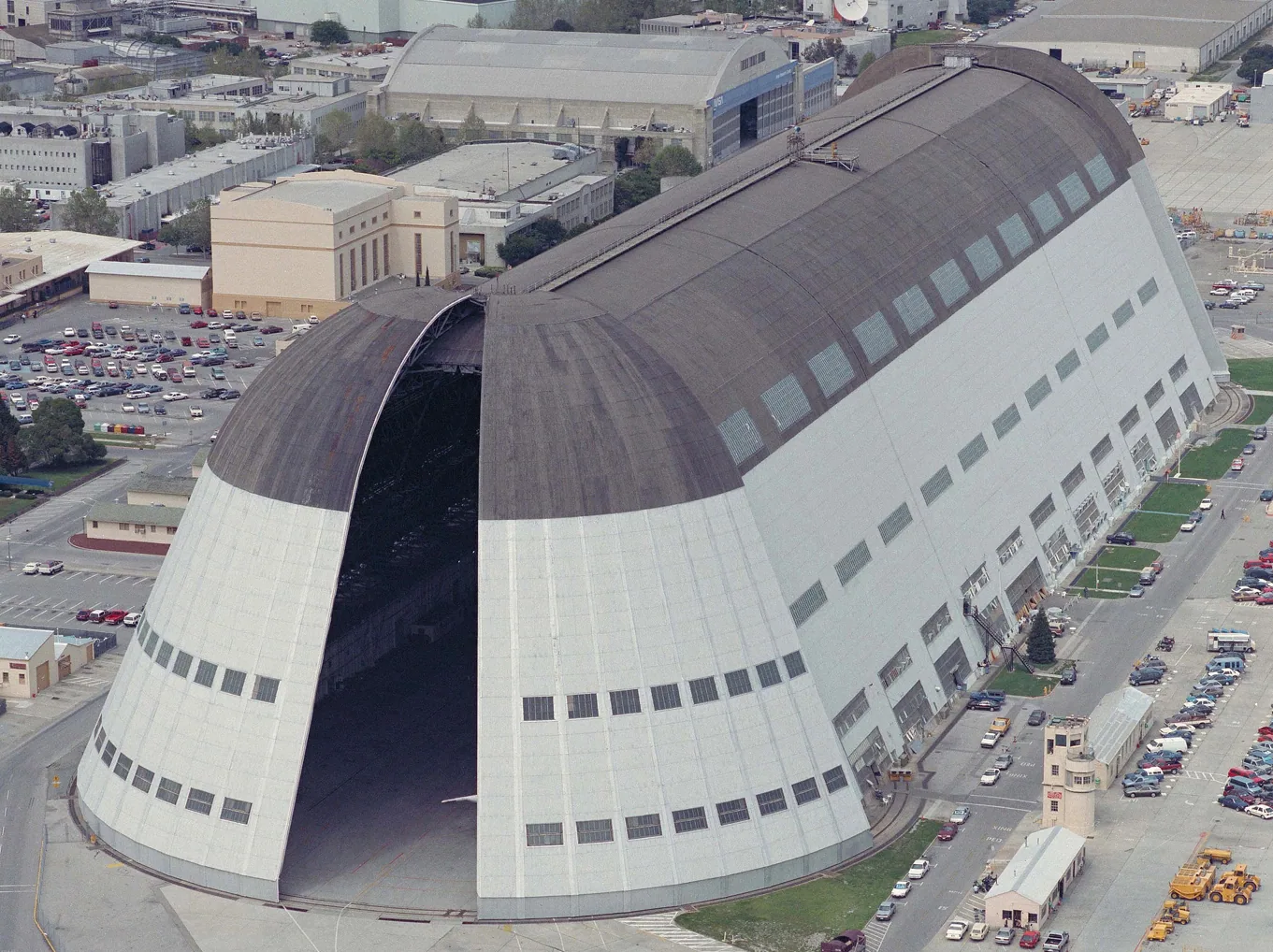
Apple Park brings rooftop solar into the local institutional and office setting. De Anza College is another significant campus use. Neither establishes the material or condition on another Cupertino roof. We examine the installed assembly and the actual access routes, then prepare a scope suited to the building. A campus label is useful for discussing coordination, but the curb, boot and drain details decide what roofing work is required.
A loose support should not be fastened through the roof without a designed connection. We inspect how it is intended to bear on the assembly and identify where movement has caused abrasion or displaced protection. Its correction may include work by the equipment trade, a properly prepared membrane repair and a service path that keeps future visits away from vulnerable details. Simply covering the worn area while leaving the support free to move repeats the same problem.
Our equipment support and curb work distinguishes the roof connection from electrical, mechanical and structural responsibilities. We record the affected locations before the alteration proceeds. Removed cables and pipes need suitable abandonment by their trade before the roofer closes an opening. A complete scope should show who handles that sequence and how the final weathering connection meets the surrounding field material.
Stevens Creek Boulevard is Cupertino's main arterial, and I-280 and SR 85 cross the city. Those routes help identify an approach for material deliveries, but the final access plan concerns the property entrance, loading position and roof lifting area. We check overhead clearance and protected pedestrian routes with management. An occupied commercial building may need different arrangements for removal debris and incoming material, especially where entrances must remain usable throughout the work.
Managers with properties in Los Altos or the Sunnyvale El Camino Real corridor can coordinate inspections across their buildings. Each scope retains its own address, assembly and access restrictions. A repair discovered at one location should not be copied onto another without inspection. The same owner may have a straightforward open roof and a roof with extensive equipment clearance issues.
For a Cupertino property, confirm which building entrance leads to roof access and where a delivery can wait before the facility contact is asked to meet a crew. A boulevard address may serve several suites or shared parking areas, so identify the exact operator rather than relying on the street name alone. Keep access routes for service vehicles separate from visitor paths, and agree on a contact who can approve an alternate if the planned entrance is unavailable.
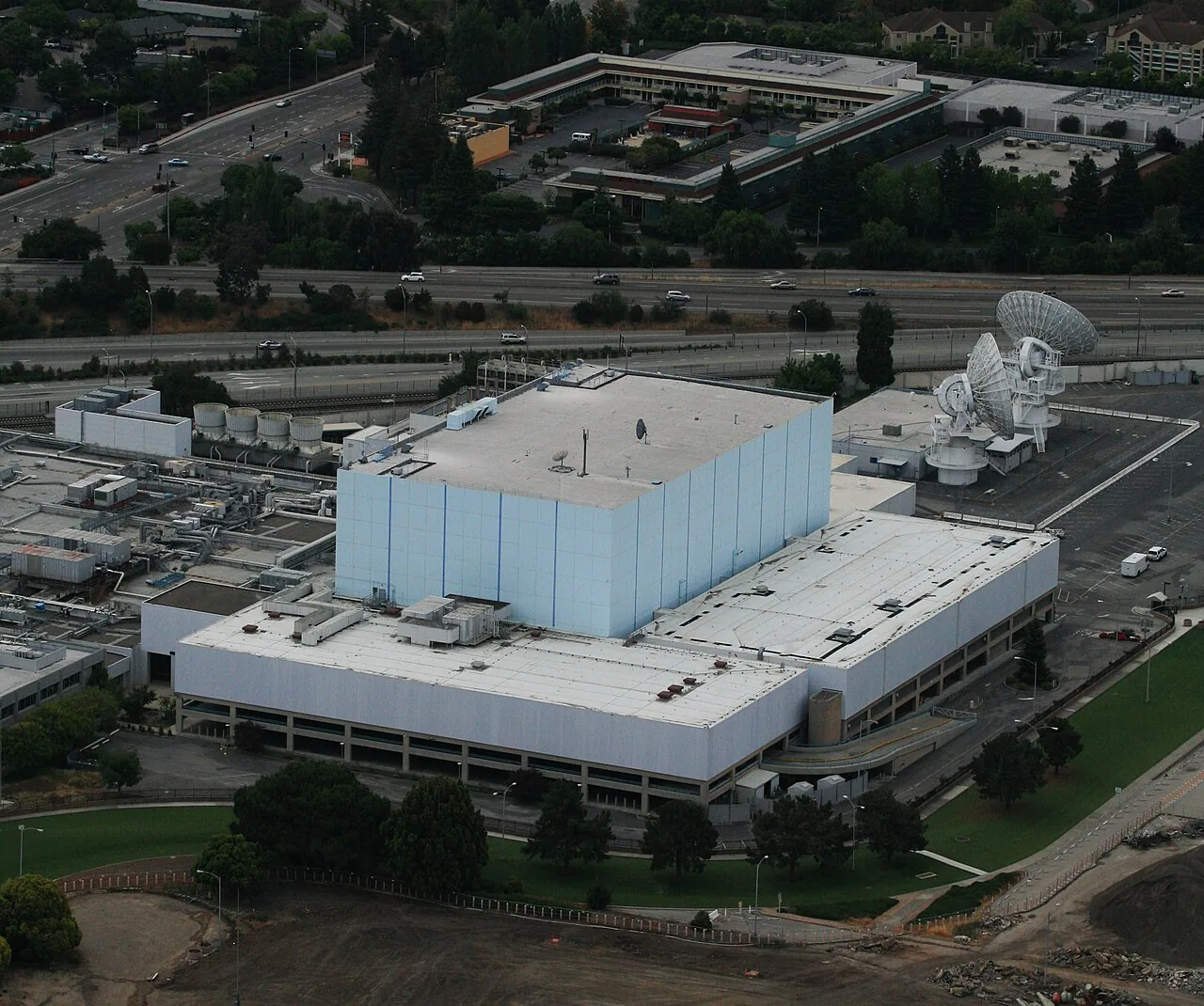
A solar installation makes the available inspection area important. We record which seams, supports and openings can be reached, and which require equipment coordination. Protective pads need to stay in position without creating a debris pocket against a drain route. Penetrating hardware needs an appropriate flashing connection. We identify the product receiving any repair before specifying welding, adhesion or a liquid-applied detail; those methods are not interchangeable across materials.
For roof work associated with solar, existing moisture and attachment need evaluation before another installation covers the surface. Roof finish and equipment output do not establish structural capacity. The appropriate specialists determine support loads and electrical requirements, while we define the compatible roof connection and preparation. That division gives the manager a coordinated project rather than an equipment drawing with the waterproofing left unresolved.
A low area behind a unit can hold water after the visible debris is cleared. We inspect the cricket, the adjacent field and the outlet elevation to establish a workable route. A displaced walkway pad may narrow that route; a depressed supporting layer may need removal and correction. Our examination follows the actual arrangement instead of assuming the drain itself is at fault because water remains nearby.
Where a roof has uncertain wet areas, a moisture survey with field confirmation can inform further investigation. Suitable conditions and access matter to the results. We identify confirmed moisture separately from suspect areas and record any sample openings after reinstatement. Replacement or recover recommendations then have a defined basis, with inaccessible material called out rather than silently treated as sound support.
A college or office assignment needs the rooms beneath the work area identified before removal is scheduled. We coordinate roof access, interior protection and equipment tasks with management, including activities that cannot tolerate an interruption. Night or weekend scheduling can be considered where the scope supports it, but the sequence still requires suitable access and safe working conditions. Emergency roof help is available outside business hours, including holidays, for active problems needing prompt assessment.
We compare repair with commercial roof replacement after examining the existing layers and details. The project address establishes the reviewing authority and accepted permit basis. Applicable roof energy rules depend on that basis, work scope, compliance method and exceptions. The final scope includes fire classification, attachment and transitions appropriate to the selected construction. Completion photographs and a marked roof plan show what changed and identify any remaining equipment-related limitation. Completed roof work should have a named handoff to the next equipment trade. We identify protected connections and areas that need care during service, rather than leaving the manager to infer them from a general completion photograph.

Have the seams and supporting construction examined before equipment restricts access. We identify isolated repairs, uncertain moisture areas and broader assembly concerns. The roof work may be straightforward, or it may require changes to the proposed equipment sequence. Settling those details first helps prevent removal of newly installed components just to reach a connection that could have been corrected earlier.
Inspect the material under the displaced pad before putting protection back. Abrasion, punctures or trapped debris may require a repair, and the support arrangement may need correction by its responsible trade. We also check the nearby water route. A pad replacement alone is incomplete if movement continues or the new position holds debris against a drainage path.
Interior sensitivity and the work activity determine that requirement. Roof openings, equipment isolation, debris handling and vibration can affect different rooms differently. We identify those interfaces with management before setting the stages. A shutdown can then be assigned to the specific task that requires it, rather than assuming the entire facility must close or that all work can proceed over active rooms.
Reflective material is one part of a project-specific compliance review. We confirm the accepted application basis, roof scope, chosen method and applicable exceptions with the responsible authority and design professionals as needed. Insulation and assembly details may also matter. The proposed covering should be selected after that review rather than treated as automatic compliance because of its color.
Ask Commercial Roofing Sunnyvale for a roof walk with equipment, seams and drains marked on the roof plan. We will prepare photographs and a clear corrective list for your review.