Los Gatos commercial roof repairs start with close examination of drains, curb flashing and changed openings. Get a repair list for ownership.
A shallow curb beside a changed exhaust fan can leave a Los Gatos shop with too little room for sound flashing. The repair begins at that connection, with the installed material identified and the adjoining surface checked for moisture. Commercial Roofing Sunnyvale serves Los Gatos, CA with hands-on roof examinations, corrective work and replacement planning. We separate a defect that can be repaired locally from a detail that needs rebuilding before another bead of sealant goes on.
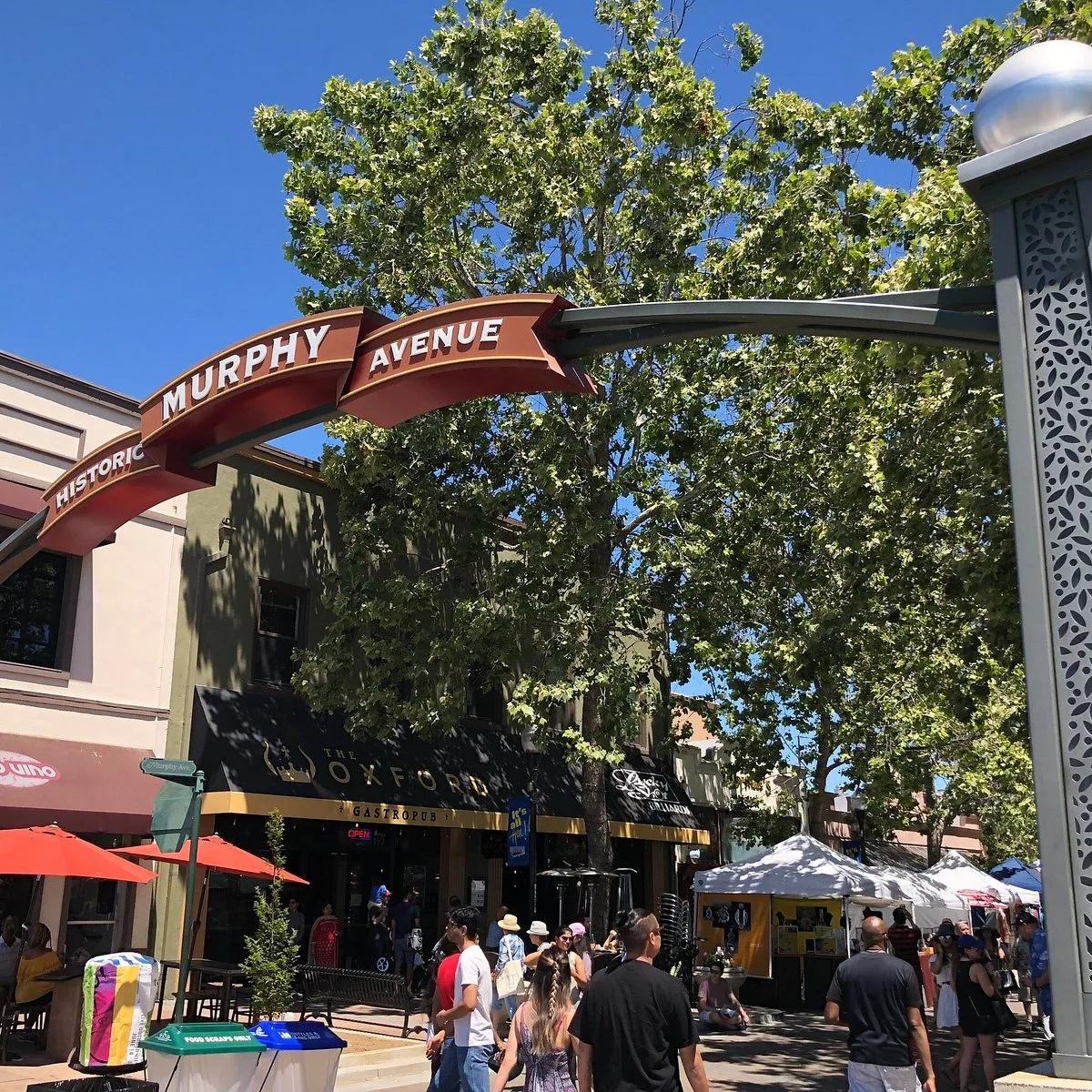
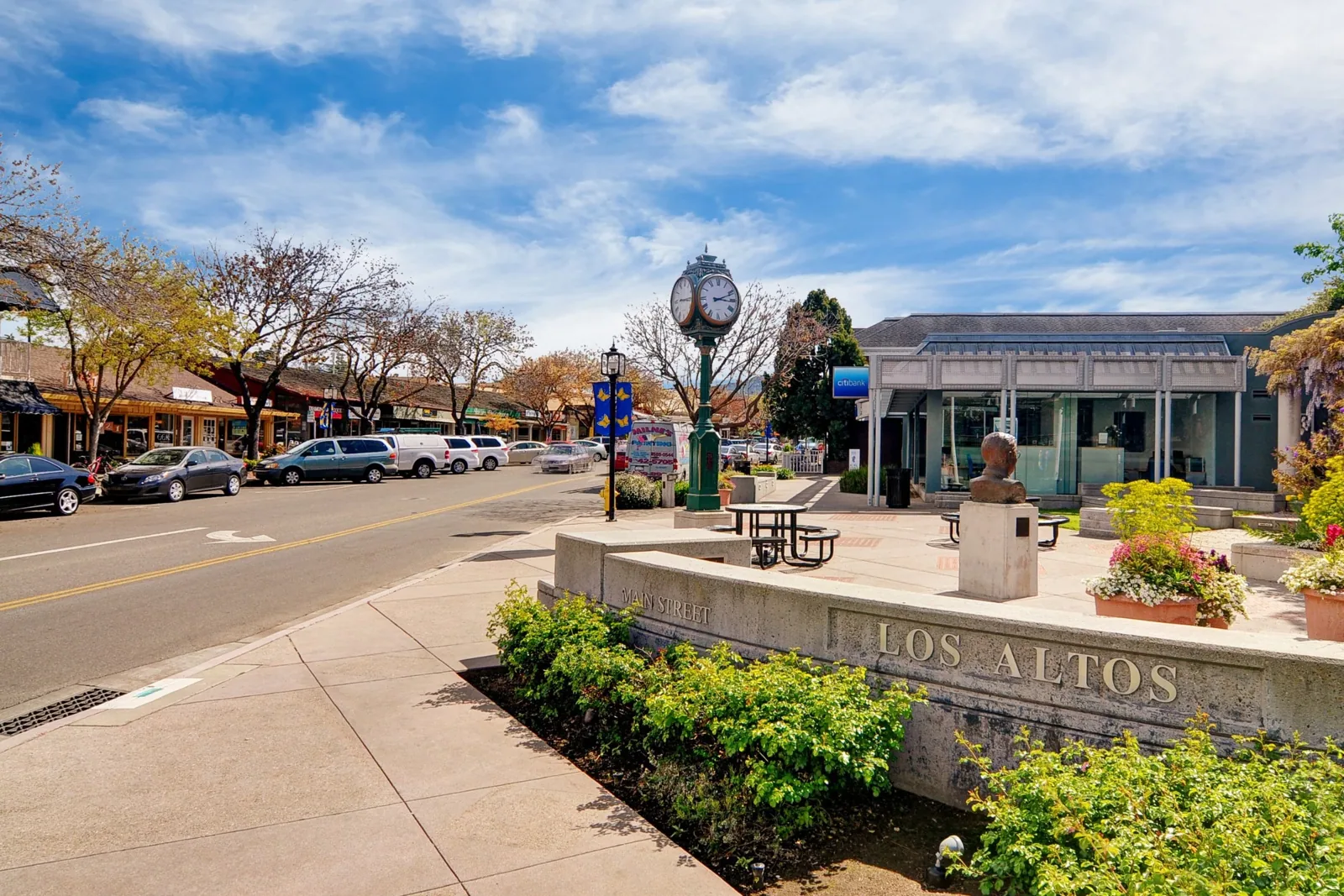
The commercial buildings along Santa Cruz Avenue and Main Street call for attention to access as well as roofing. An occupied shop needs a protected entrance, a place for removed material and an agreed route for the crew. We record those constraints alongside the roof findings so the property manager can arrange the work without leaving the tenant to sort out the details.
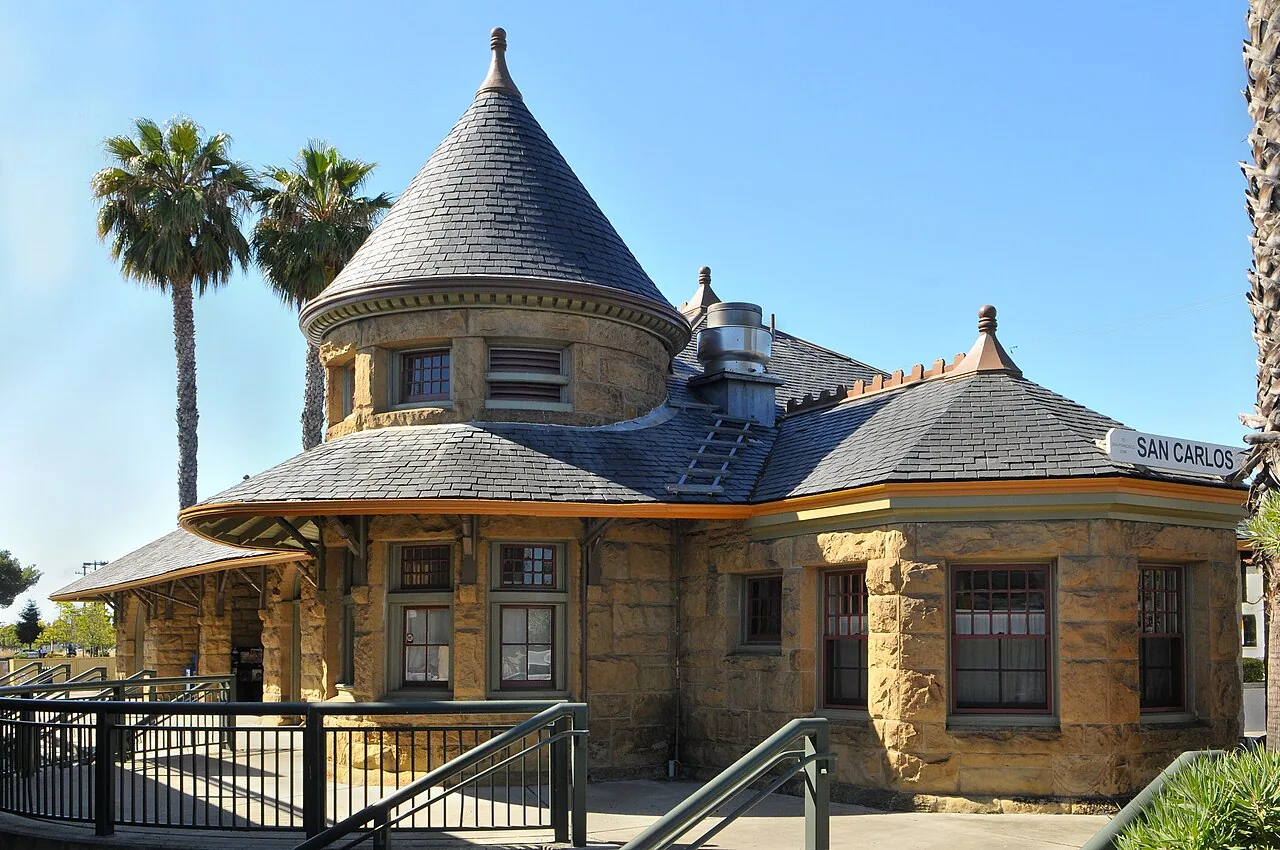
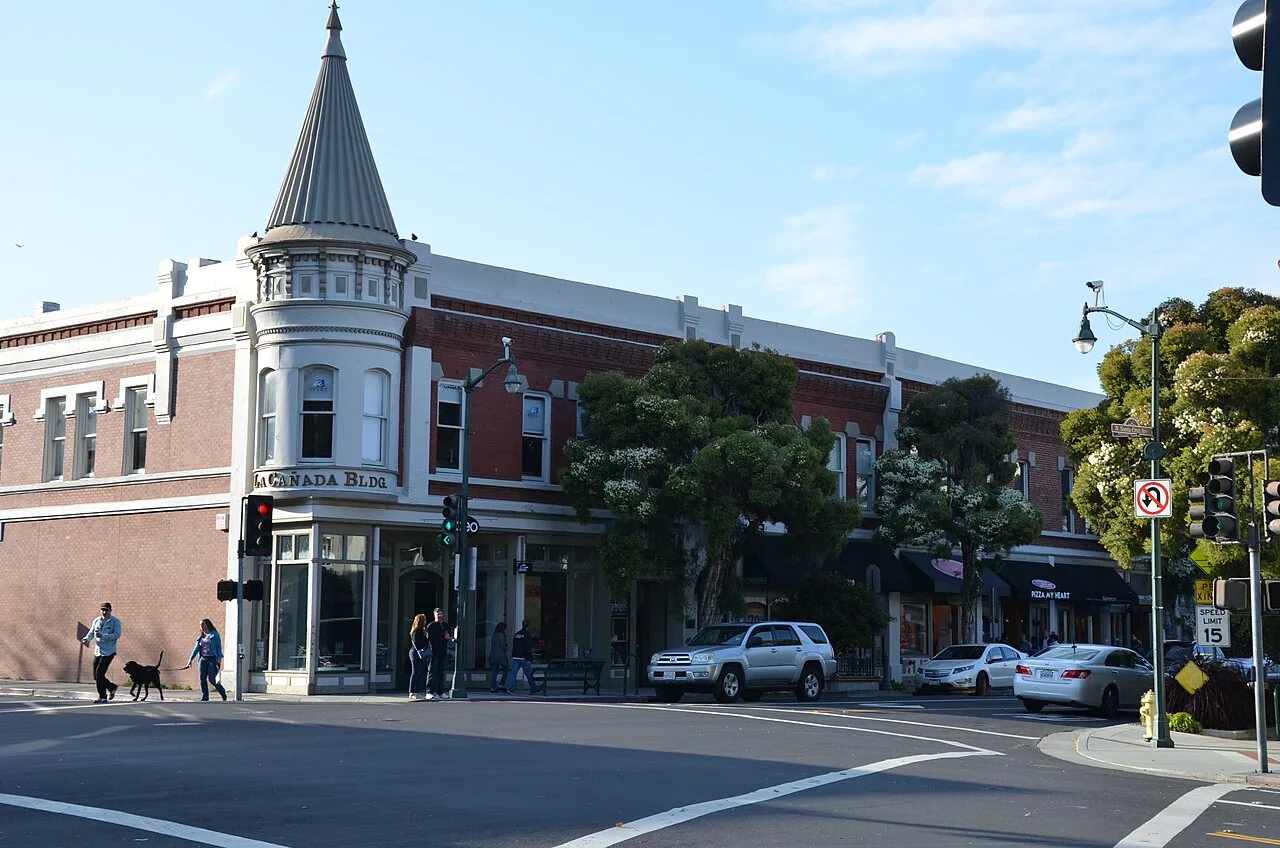
Restored Victorian-era buildings are part of downtown Los Gatos. That history does not tell us what covering, deck or repairs a particular building has now. We examine the current construction before selecting a patch, including the connection between low-slope material and any adjoining pitched roof. A loose transition, obstructed outlet or unsupported sheet edge needs a complete corrective task. Covering a visible gap without checking its backing leaves the attachment problem unresolved.
Our work on occupied retail roofs includes staging that keeps customer paths clear. We discuss deliveries and noise with the manager before removal begins. Roofing access from an alley, ladder or interior hatch receives its own review; convenience does not establish that a route is suitable for material handling.
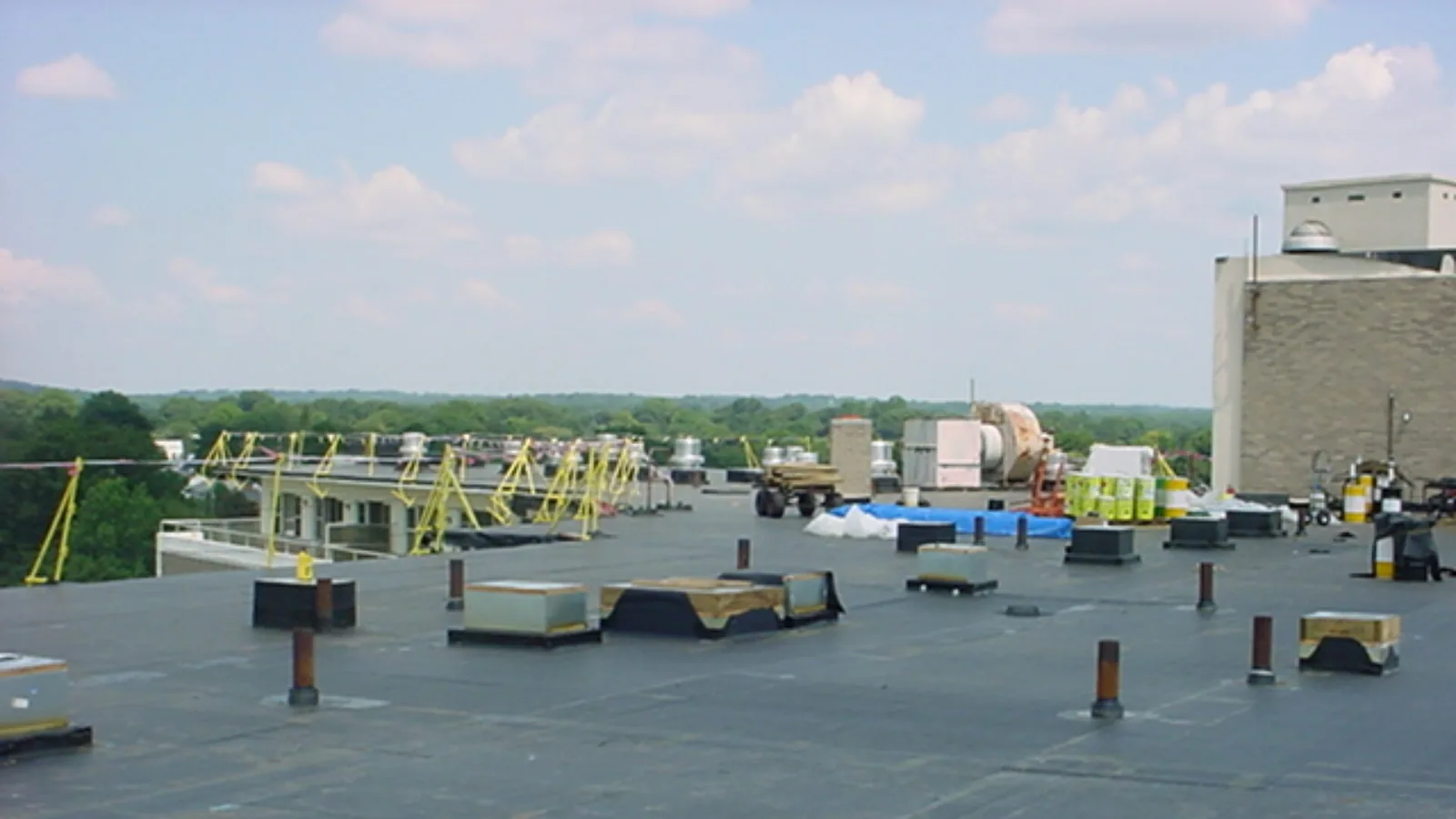
A ceiling mark gives us a place to begin indoors. We match it to the roof plan, record when water appeared and look at the higher details that could feed that location. At a fan we inspect the curb corners, fastener openings and flashing height. Around a conduit we examine its sealed boot and the support beneath the line. Our leak tracing and repair follows the water possibilities through those connections rather than treating the interior mark as the repair location.
A dry visit still has value. Loose laps, exposed reinforcement and a pitch pan with cracked filler can be recorded without rain. Where the suspected path remains uncertain, we explain the next investigation and keep the finding separate from an established entry point.
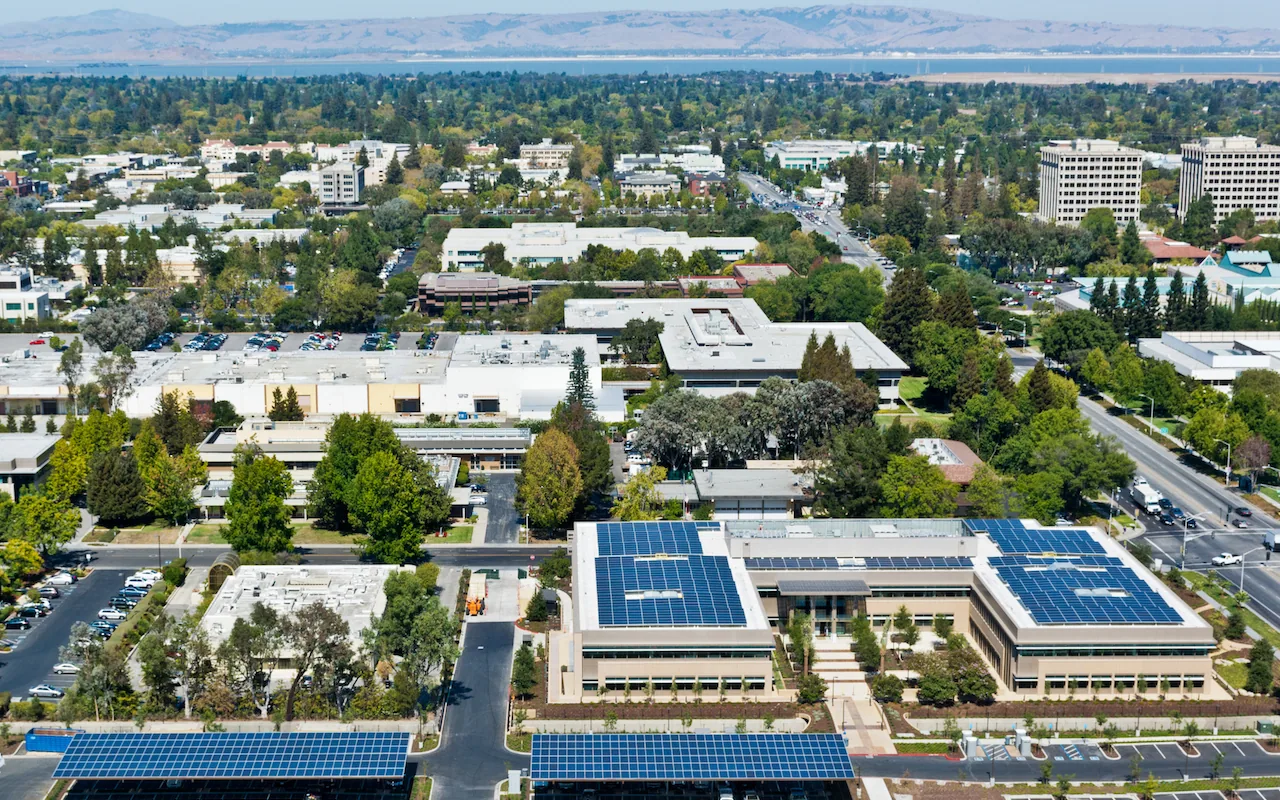
A proper patch needs room beyond the damaged area. We clean the adjoining field material, determine whether it can accept the required bond and use components suited to the assembly. Heat-welded repairs receive a seam probe after cooling. Asphalt-based repairs need preparation appropriate to their covering, while a rubber membrane requires its compatible preparation and adhesive method. The material name alone does not establish whether an old, coated or contaminated surface is ready for repair.
Softness beneath a blister or repeated wetting beside a curb can change the scope. Selected openings may be needed to establish which layers are damp and whether the deck needs further evaluation. We identify those locations before removal. A coating cannot turn saturated insulation into a sound base, and a new surface over damaged support leaves the structural concern in place.
During a close roof inspection, we also look for repairs that have hidden the original connection. Thick mastic beside a wall can conceal an open lap below it. We describe what is visible, then specify the preparation or limited opening needed to see whether the underlying detail can be retained. That distinction belongs in the scope before a repair is priced.
Los Gatos receives about twenty-one inches of rain annually in its foothill setting. Rainfall does not prove that any individual roof has drainage trouble, but it makes a working discharge path a practical maintenance priority. We remove loose debris from the inlet, inspect the drain clamp ring and examine the membrane connection beside it. An outlet that remains high above surrounding low spots can require slope correction instead of another cleaning visit.
Our drain and scupper work distinguishes a roofing defect from a downstream piping problem. We also record overflow arrangements and visible restrictions. Interior staining during heavy rain may involve both trades, so the manager receives the roof task and any plumbing investigation as separate items.
For a Los Gatos roof assignment, confirm the property and its drainage route before choosing a weather-dependent repair period. A clear roof drain still needs its connected leader and discharge point considered when interior water follows a storm. Record debris, ponding and any downstream restriction separately so a plumbing task is not mistaken for a membrane correction. If rainfall interrupts the work, identify the temporary protection, open connection and next inspection needed before the area can be closed permanently.

A replacement proposal should state what comes off, what remains and how the new covering meets existing walls and equipment. We measure the usable flashing height before adding insulation or a cover board. That added thickness can crowd a door sill, raise the surface beside a curb or reduce drainage clearance. We examine those effects while the choices can still be compared, including a limited repair where the surrounding construction remains serviceable.
The permit basis follows the actual Los Gatos address, authority and work scope. California energy provisions depend on the accepted application basis, compliance method and applicable exceptions. We establish those items before calling a reflective covering or insulation change required. Managers arranging nearby properties in Saratoga or Campbell receive building-specific scopes rather than an assumed common assembly.
For occupied work, the removal sequence must also account for fresh-air intakes and indoor use. We set temporary protection, control loose material and close opened roofing before leaving an exposed work area. Emergency leak response is available through nights, weekends and holidays; stabilization is followed by an examination of what permanent work remains.
We first establish which visible elements are subject to review and which roofing connections are failing. Retaining a sound visible element may be possible while rebuilding the concealed water connection, but its attachment and clearances need examination. We present the proposed treatment with photographs so ownership can resolve appearance and approval questions before material is removed.
Coordinate the two tasks if the equipment change is already scheduled. A patch fitted to a curb that will be removed can be temporary work only. We inspect for active entry, provide necessary stabilization and then prepare the permanent flashing to the final curb dimensions, with the equipment trade responsible for its connections.
A clear inlet only establishes that debris is not blocking that opening at the visit. Water can remain in low areas away from the drain or back up through a restricted leader. We inspect the inlet elevation and roof approach, then identify any downstream testing needed before deciding which correction belongs in the roofing scope.
A useful decision package has photographs tied to locations, the observed assembly, the extent of moisture investigation and a defined removal limit. We describe the practical repair alternative where one exists and identify unresolved deck or equipment work. Those qualifications let ownership compare actual construction tasks rather than two proposals with different hidden assumptions.
Arrange a detail-by-detail visit. We will mark photographs on a roof plan and prepare a corrective list with access needs and remaining investigations for ownership.