Saratoga commercial roofing examines shop transitions, roof drains and equipment openings. Plan careful repairs with photos and clear removal limits.
A metal exhaust duct passing through a shop roof needs more than a neat ring of caulk. In Saratoga, the field covering, the duct movement and the connection beneath its sleeve all affect the repair. Commercial Roofing Sunnyvale provides commercial roofing in Saratoga, CA with that level of detail in the examination and the scope. We show the property manager where water can enter, what material is present and which connection needs rebuilding.
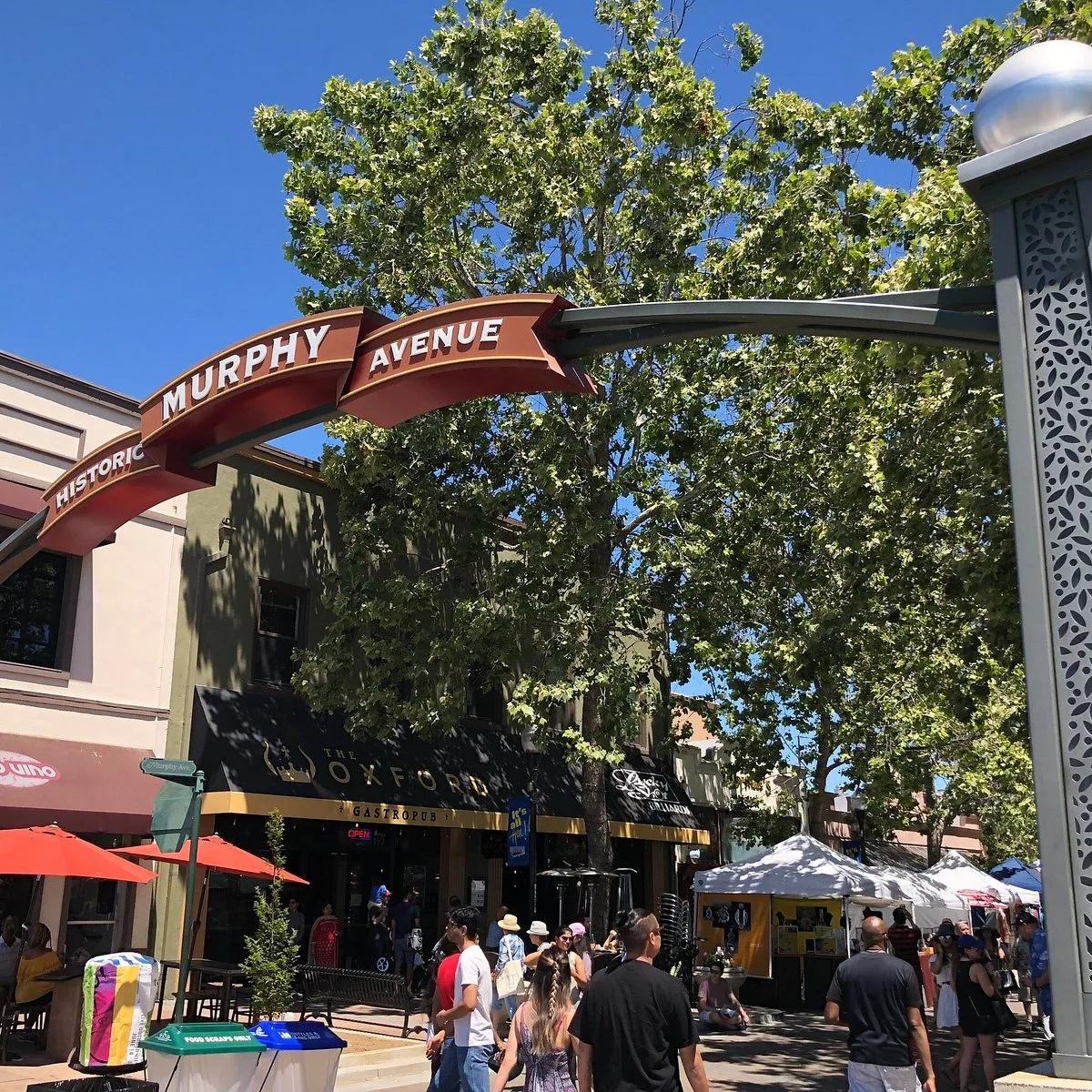
Saratoga Village on Big Basin Way has dining, shops and other commercial uses. A roof task there begins with the tenant use as well as the surface above it. A kitchen exhaust, a customer entrance and an interior access hatch each impose different restrictions on preparation, protection and the timing of removal.
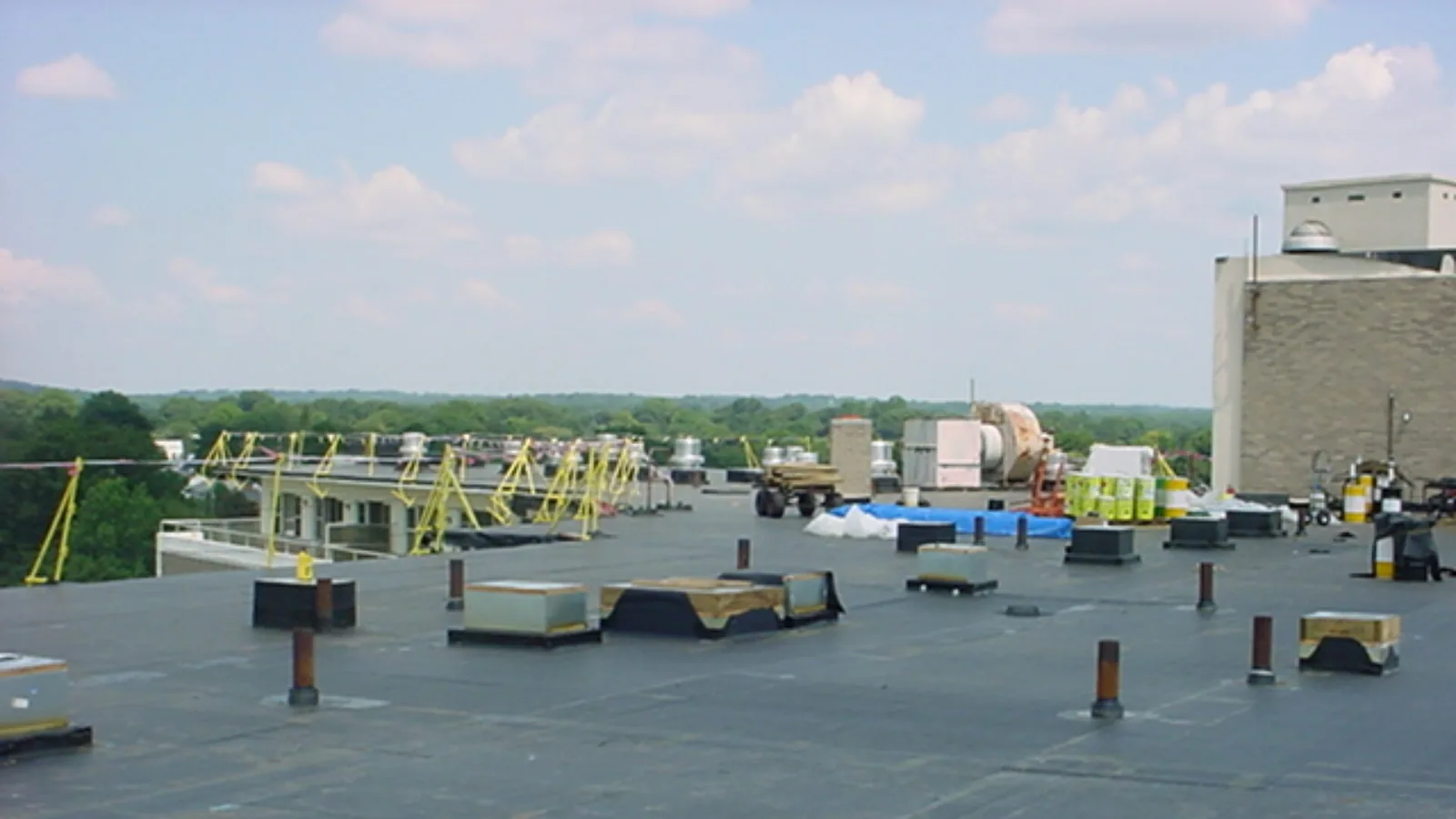
A changed kitchen layout can leave more than one generation of rooftop equipment. We compare the equipment that remains with available alteration records, then examine the abandoned penetration rather than accepting a metal plate as a finished closure. The opening needs suitable deck support, continuity of insulation and a compatible weather connection. The responsible equipment trade handles disconnection; our scope states what roofing and substrate work follows it.
Our roofing for restaurant buildings considers grease contamination and intake protection. Deposits beside a fan may interfere with bonding, so cleaning and a test of the receiving surface come before a coating decision. Walkway pads can help protect service paths, but they should not trap water or conceal an already damaged seam.
Quito Village and Argonaut are also Saratoga commercial areas. We examine the actual roof at each address; the commercial setting cannot establish its age or covering. A shopping property with separate tenants may have shared drains and multiple equipment responsibilities. Marking the openings by roof location and tenant connection gives the manager a more useful record than a general statement that the roof needs maintenance.
Work near Big Basin Way calls for a discussion of delivery space and pedestrian protection. We set removal and loading limits before the crew arrives. Managers coordinating sites in Los Gatos and Cupertino can schedule examinations together, while repair recommendations remain tied to each building and its installed details.
At a Saratoga storefront or shopping property, plan roof access around customer entry, kitchen exhaust and neighboring tenant activity. Confirm which operator controls the service lane and who can approve a short entrance restriction. Mark the roof zone above the affected suite and any shared parapet or drain that crosses a tenant line. If the correction reaches a neighboring area, document that interface and obtain its owner's authorization rather than extending the original estimate by assumption.

A lap that looks closed from above can still have a narrow loose section at its edge. We inspect accessible seams with a method appropriate to the material, including a seam probe on welded membrane after any new weld has cooled. Excess adhesive, brittle old patching or incompatible coating can make the next repair harder to bond. We identify those conditions before deciding how far preparation must extend.
Repair of a failed membrane seam needs sound material on both sides of the connection. Where that margin is unavailable, the task may require a larger replacement piece or rebuilding the adjoining detail. Cosmetic sealant over an open bond does not give the manager the same repair as a prepared and tested seam.
A drain surrounded by a low ring of roof material can collect sediment even after loose leaves have been removed. We examine the approach, the bowl connection and the drain clamp ring, then follow the visible discharge arrangement. Piping beyond the roof may need a plumbing check. We distinguish the observed roof restriction from that separate investigation so the proposed work does not promise to cure a blockage we have not located.
Dry-season visits can establish those details before rain returns. We record debris, surface cracking and water marks without describing them as proof of a storm loss. Regional weather alerts justify preparation; they do not establish damage at a Saratoga property. Photographs and actual conditions decide the corrective task.
Our scheduled maintenance work records those drain conditions so cleaning and necessary construction are not confused in the next service order.
A coating proposal needs an examination of the assembly beneath the exposed surface. We look for damp layers, loose areas and previous treatments that could interfere with adhesion. Selected openings or a suitable moisture investigation can help define removal limits where the surface alone is inconclusive. The manager receives the finding, the test location and the remaining uncertainty. A fresh finish should follow repairs to the defects that would otherwise remain hidden under it.
We compare coating and restoration work with localized repairs or replacement using the actual substrate condition. Preparation, flashing reconstruction and time for materials to cure are part of that comparison. A roof with sound field material but several failed openings may need a different scope from one with widespread damp insulation.
Replacement changes the relationship between the roof surface and its doors, curbs and outlets. Added insulation needs room at those details, and any slope correction needs a defined discharge path. We establish the actual jurisdiction for the property and the accepted permit application basis before selecting code requirements. Roof energy compliance follows the scope, method and eligible exceptions rather than a blanket assumption that one reflective product solves the entire review.
Opening a roof over an occupied business requires a daily closure plan. We agree on noise-sensitive tasks, protect entries and keep removed material within the designated handling area. Active leaks can be addressed at any hour, including holidays. After temporary control, we return to the failed construction and define the permanent repair with its supporting preparation.

Combining the work can avoid rebuilding flashing twice, provided the final curb and duct dimensions are available. We identify active water entry first, then coordinate removal with the equipment trade. The permanent connection is prepared for the installed arrangement, with photographs showing the finished roofing before the alteration is treated as closed.
A repair piece needs a reliable connection outside the damaged area. Dirt, old mastics and weakened surface material can extend beyond the tear itself. We mark the preparation limit and describe how the new material will bond there, so ownership can see why a small opening may require a broader but still localized task.
Examine the opening before selecting the finish. A loose sleeve, split boot or unsupported closure needs its own repair, and wet insulation may need removal. We include those tasks ahead of coating when the remaining assembly is suitable. Applying finish over an unstable detail leaves movement and moisture problems beneath the new surface.
The roof plan identifies the affected opening, equipment and drain relationship. Lease responsibilities need confirmation by management, but the construction task can still be clearly described. We distinguish roofing labor from duct, electrical and plumbing work, then provide a record ownership can use to assign those separate parts without leaving an opening unfinished.
Let us examine the curbs, seams and drainage connections with you. The marked roof plan will give ownership specific repairs and clear questions to resolve before scheduling.