Sunnyvale restaurant roof work addresses exhaust curbs, grease-affected membrane and tenant openings. Coordinate roofing with kitchen and mechanical access.
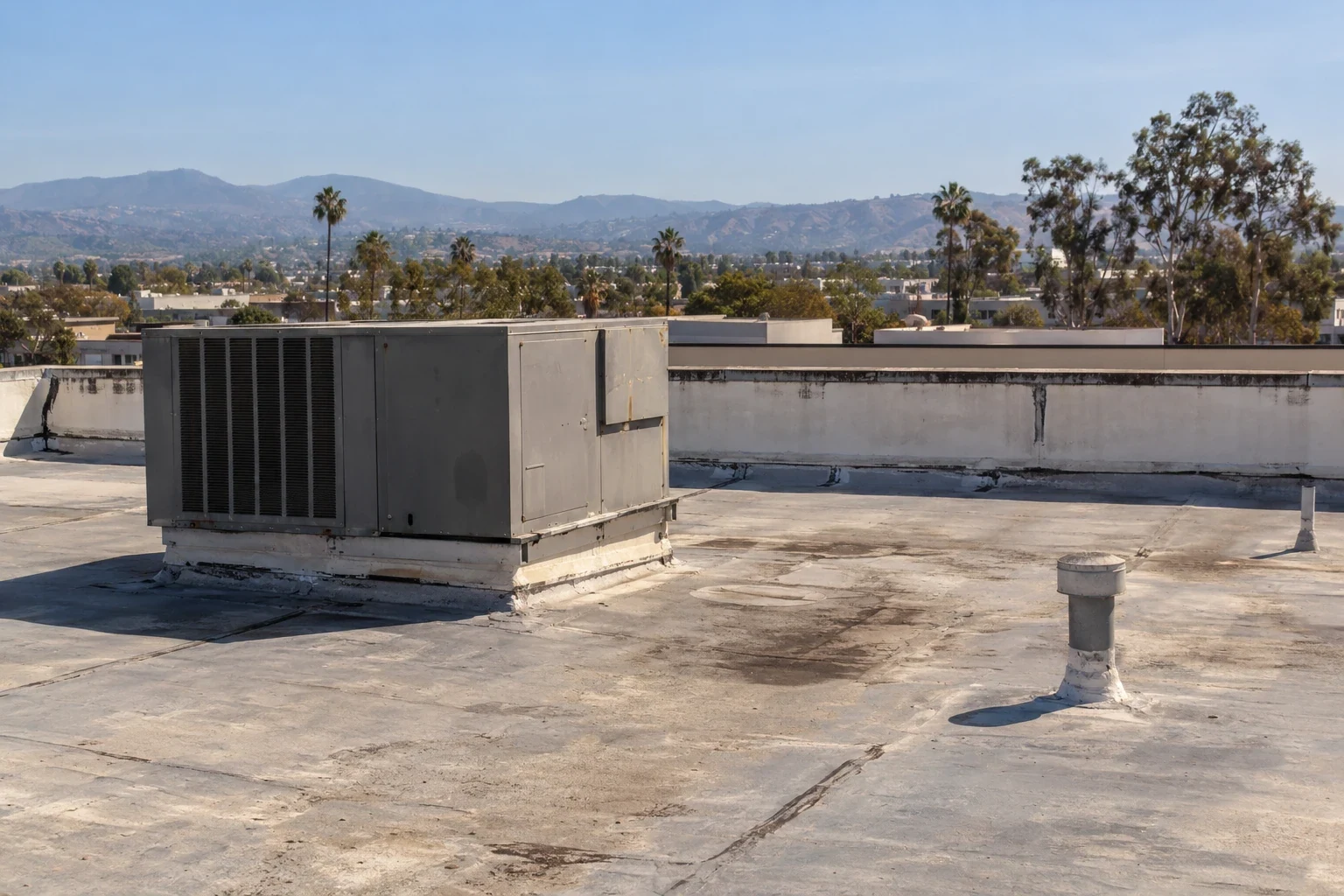
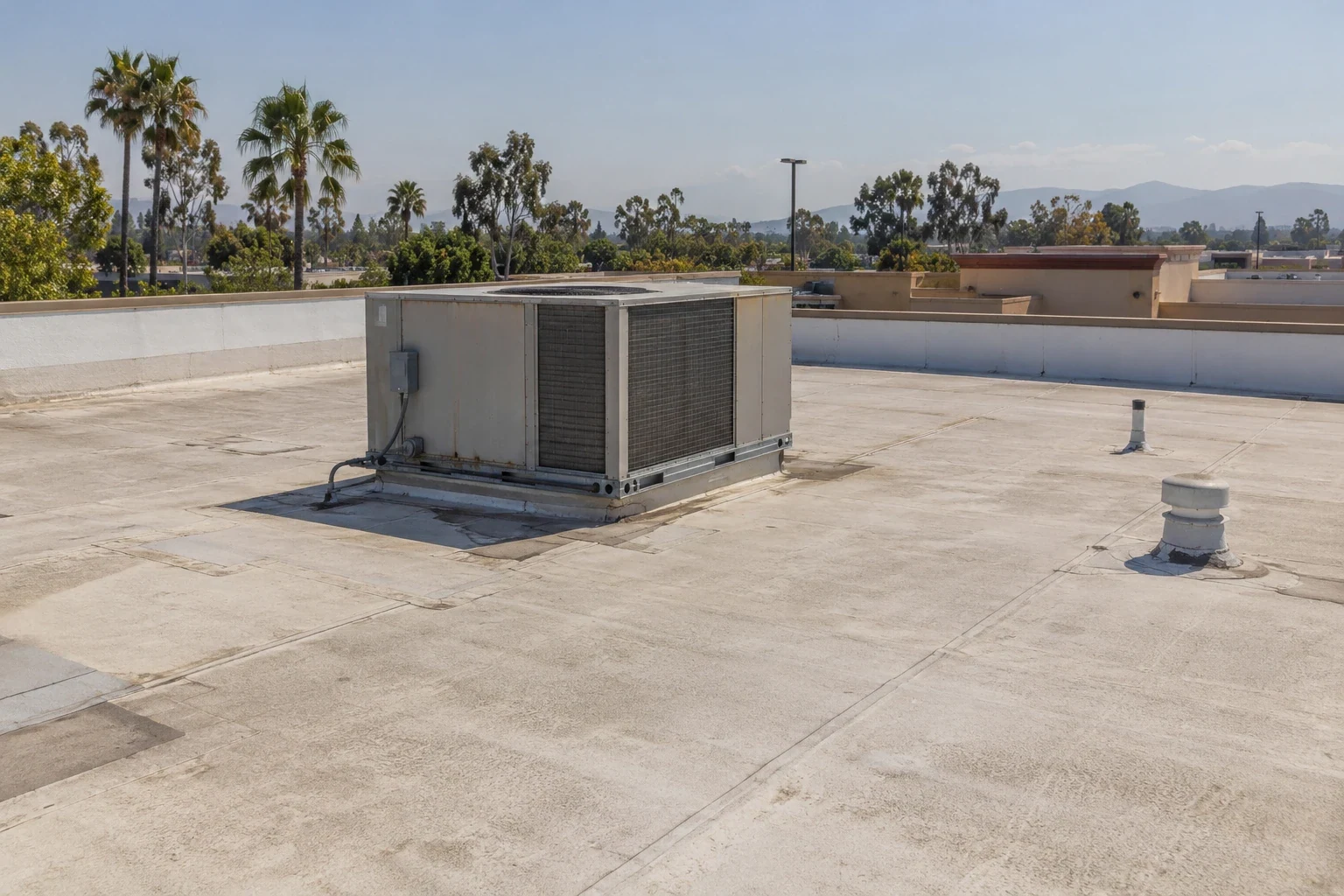
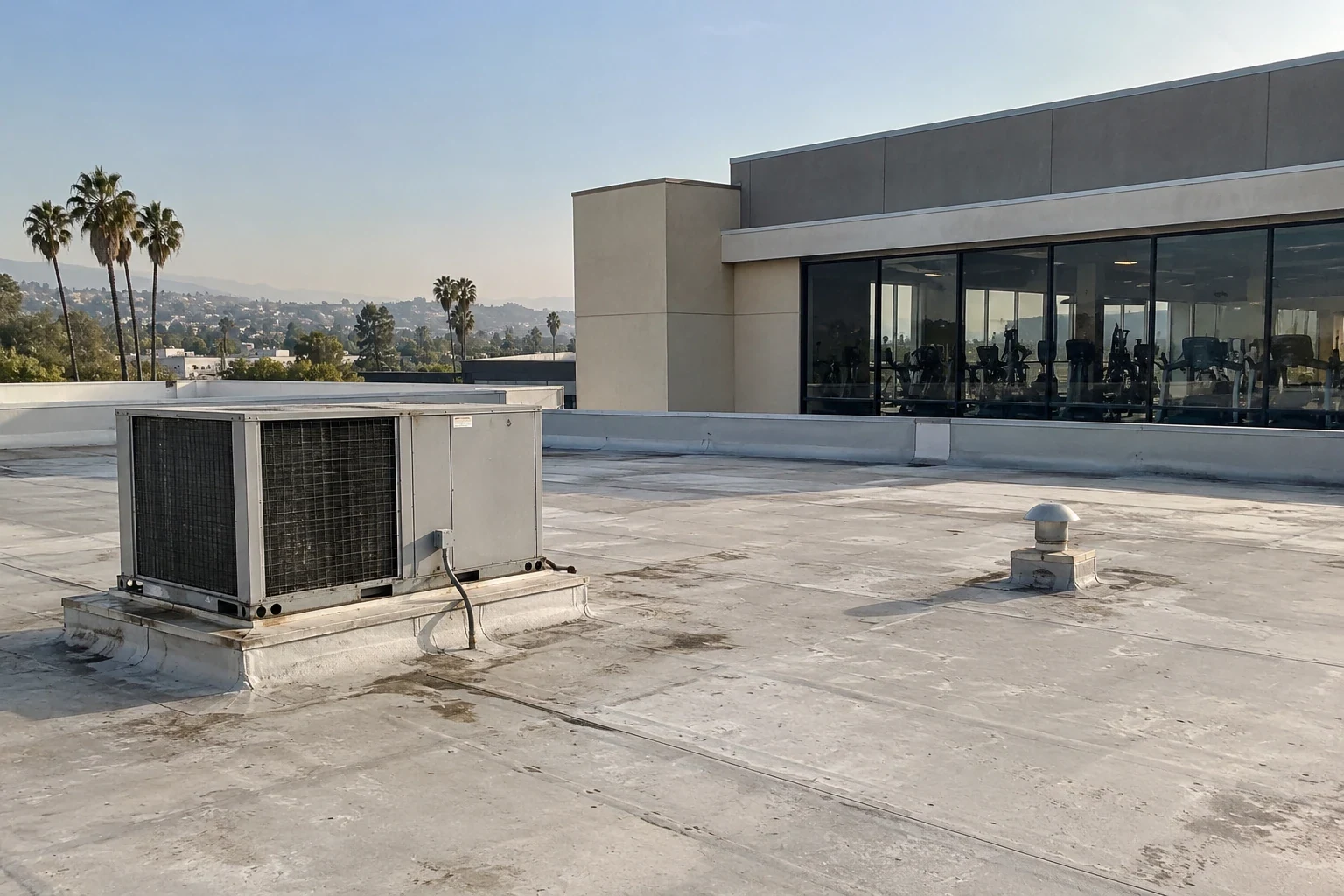
A grease trail below a restaurant exhaust fan points to a roof inspection that must include the service connection. On an El Camino Real restaurant in Sunnyvale, CA, we examine the fan curb, the discharge area and the membrane condition beside the equipment. The question is not merely where to add sealant. Commercial Roofing Sunnyvale separates damaged roofing from the fan, duct and grease-control tasks needed to keep the repaired surface serviceable.
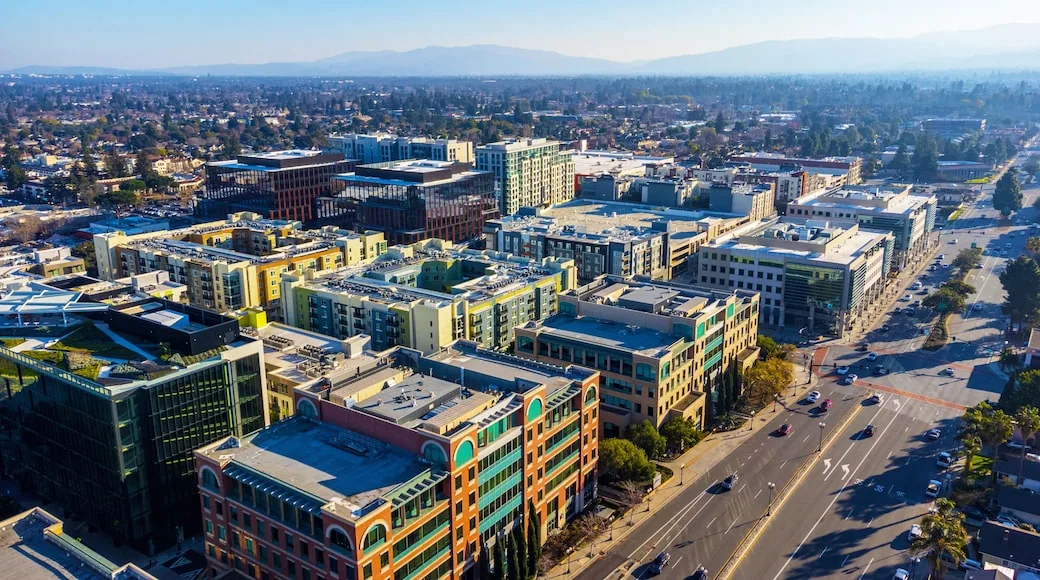
The El Camino Real commercial corridor extends between Mountain View and Santa Clara. Restaurant access there can involve shared parking and rear service space. We confirm the roof approach and equipment position for restaurant roof work along El Camino Real before setting a repair sequence with the operator.
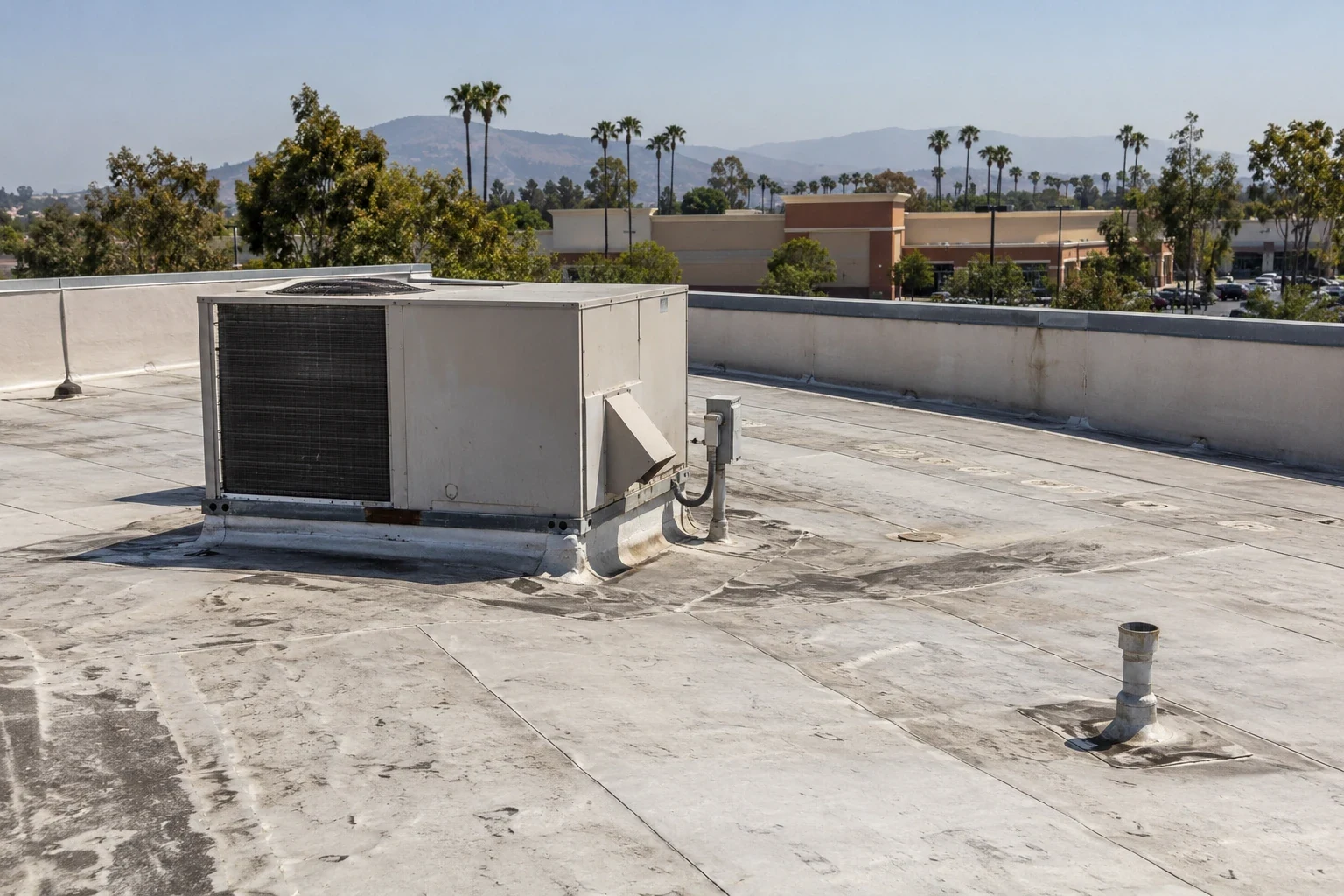
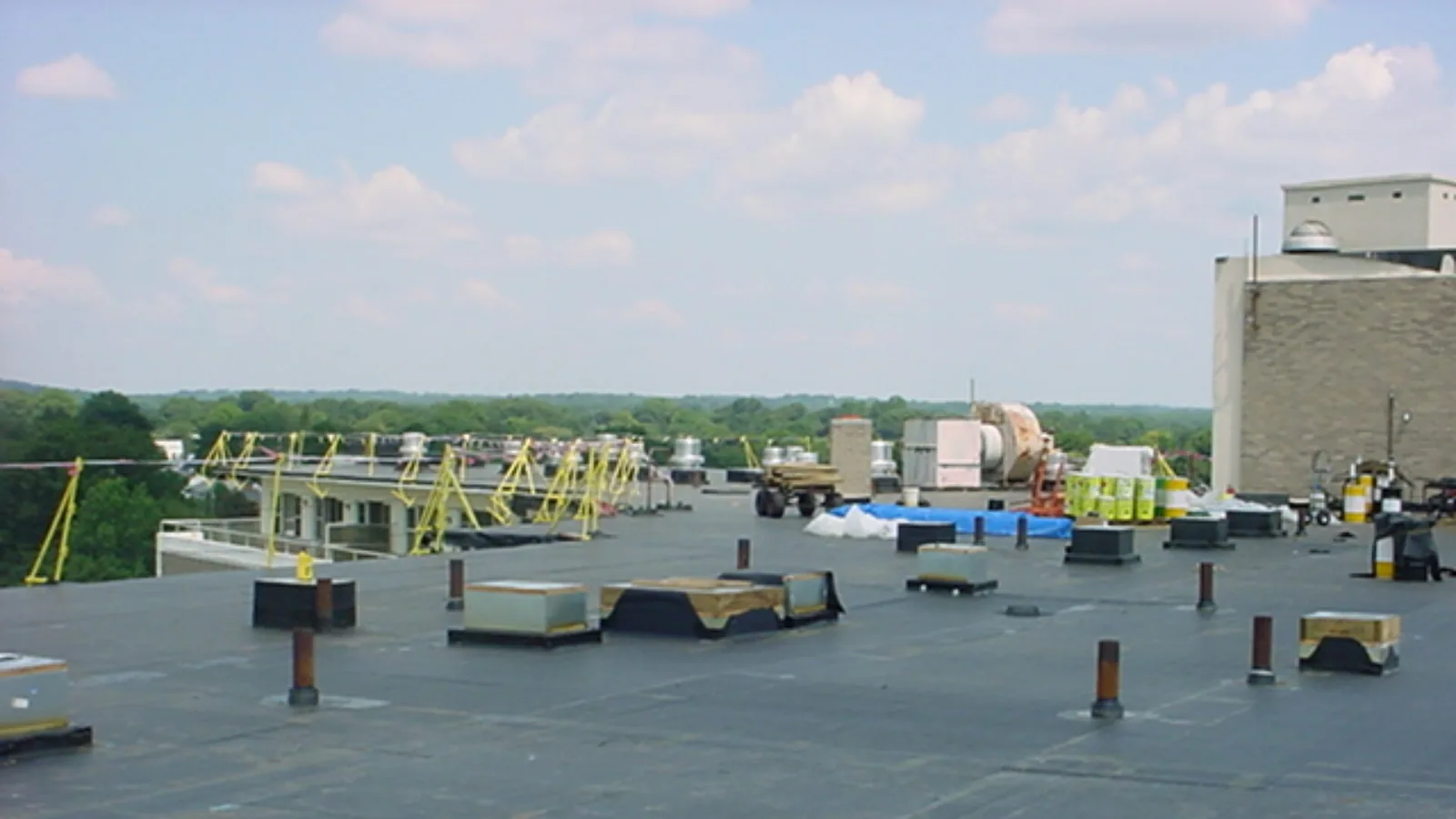
A hinged fan can pull at the electrical lead or roof connection when someone lifts it without the intended restraint. We look for torn curb flashing, unsupported wiring contact and disturbed membrane beside the hinge side. The fan must retain access for its required cleaning; roofing material should not lock a removable component in place. The mechanical and electrical trades correct their equipment connections, while we repair the membrane-to-curb detail compatible with the installed roof.
Exhaust curb and roof support corrections may require a raised or replacement curb where there is insufficient height for a durable connection. That change affects ductwork and equipment mounting. We identify those interfaces before demolition, with structural support and equipment design handled by the responsible professionals. A roofing patch cannot make a poorly supported fan suitable.
Discolored or softened field material beside kitchen exhaust needs an assessment of both chemical exposure and accumulated contamination. Cleaning methods must suit the roof product; a harsh solvent can create further damage. We inspect seams and flashing after appropriate surface preparation and establish whether the affected roofing can be repaired or needs removal. The choice of replacement material must consider expected grease exposure as well as attachment, fire classification and compatibility with adjoining roof components.
PVC membrane for suitable restaurant roof applications can be considered where its specific product properties and installation requirements fit the assembly. Material selection does not eliminate grease containment or fan maintenance. Those measures remain part of the operator and mechanical service responsibilities. We show where contaminated or wet components need removal rather than covering them with another layer.
Exhaust cleaning should finish with a check of the containment arrangement and service area. The operator can use our marked photographs to tell the cleaning provider which roofing details need protection. If a tray or collector requires modification, its support and discharge method should be agreed before installation. A loose accessory placed on the membrane can create a fresh wear point beside the repaired curb.
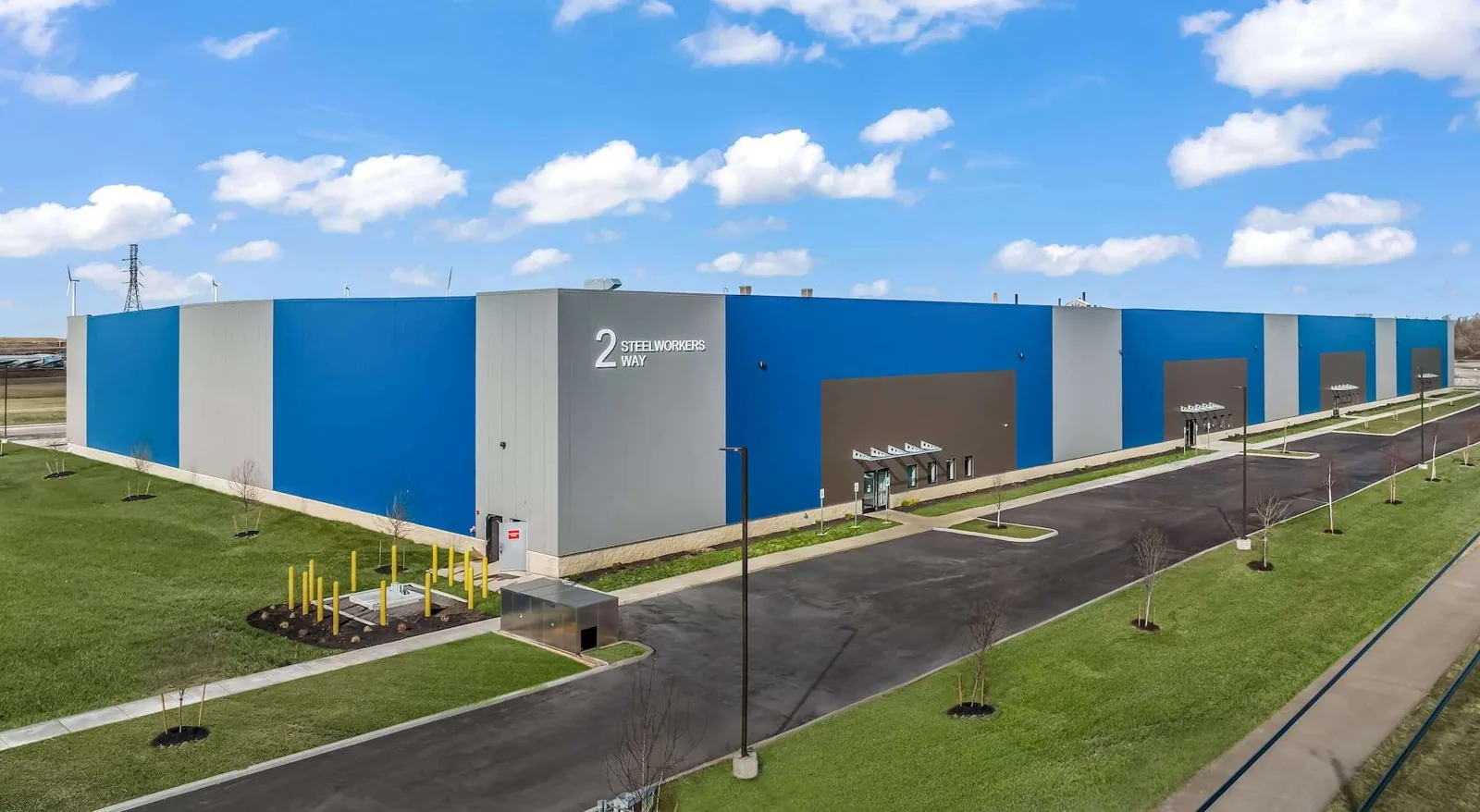
A change from a retail tenant to a commercial kitchen can introduce several roof penetrations in one confined area. We compare the proposed exhaust and makeup-air openings with existing drains, service routes and equipment clearances. Crowded details make it difficult to form and inspect reliable flashing. The approved equipment layout should leave space for the roofing connection and future fan cleaning, with abandoned openings closed using suitable deck support and compatible covering.
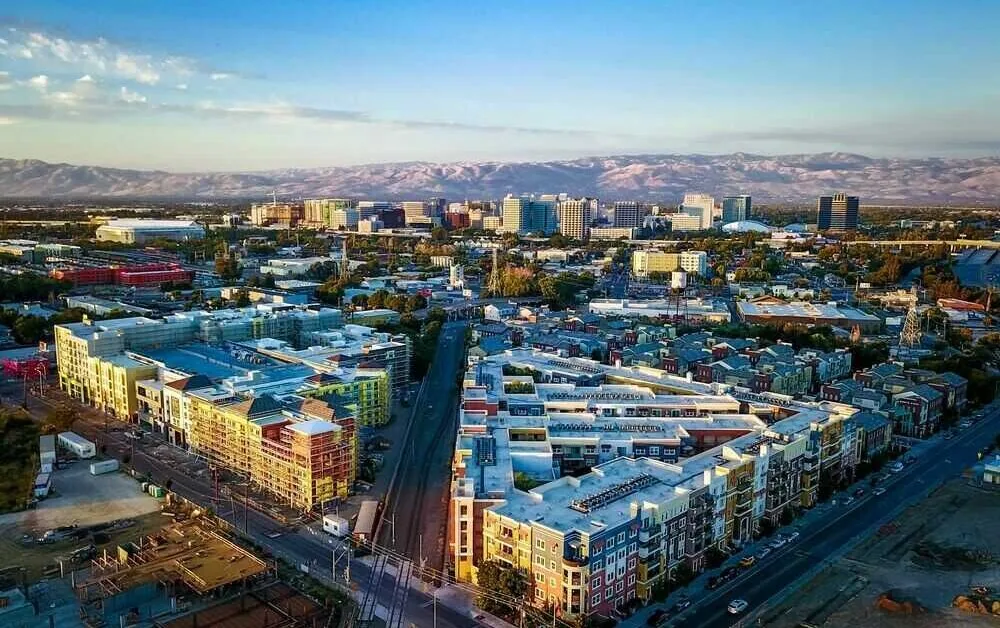
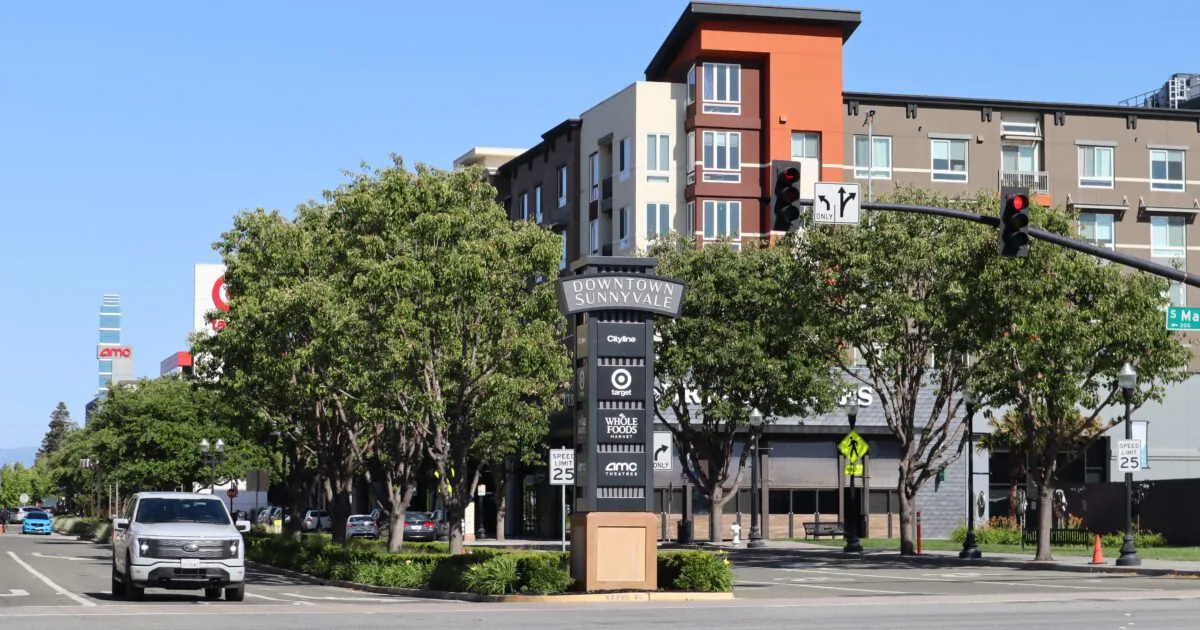
Restaurant alterations in a shopping center involve landlord approval as well as the kitchen operator. CityLine in downtown Sunnyvale includes retail alongside offices and residences, a useful local reason to establish which roof and indoor spaces an alteration affects. We examine the individual property rather than deriving its assembly or access rules from the development name.
Opening roofing beside operating air intakes can expose indoor space to dust or odors. We discuss the selected products and removal method with the operator before work starts. The mechanical provider identifies any permitted ventilation interruption, and the operator arranges kitchen shutdown, food protection and cleaning. Fire suppression and exhaust controls require their own responsible trades. A roof schedule should show those tasks explicitly instead of assuming everything can happen after the last meal is served.
Roof work above food handling and refrigerated stock may create additional boundaries in a combined food-service building. We define the work area and material route, protect public approaches and close opened roofing at the agreed stopping point. Wet-material removal, equipment lifting and interior cleaning can consume more of a shutdown than the visible flashing installation.
Ask the operator which kitchen lines, exhaust fans and dining areas may be affected before roofing begins near an active hood or make-up-air system. The mechanical contractor and restaurant contact determine whether shutdown, cleaning or restart checks are required. Keep those actions outside the roof authorization unless they are expressly included. If the sequence changes during a service period, record the revised work boundary and how the affected kitchen activity will be released by its responsible operator.
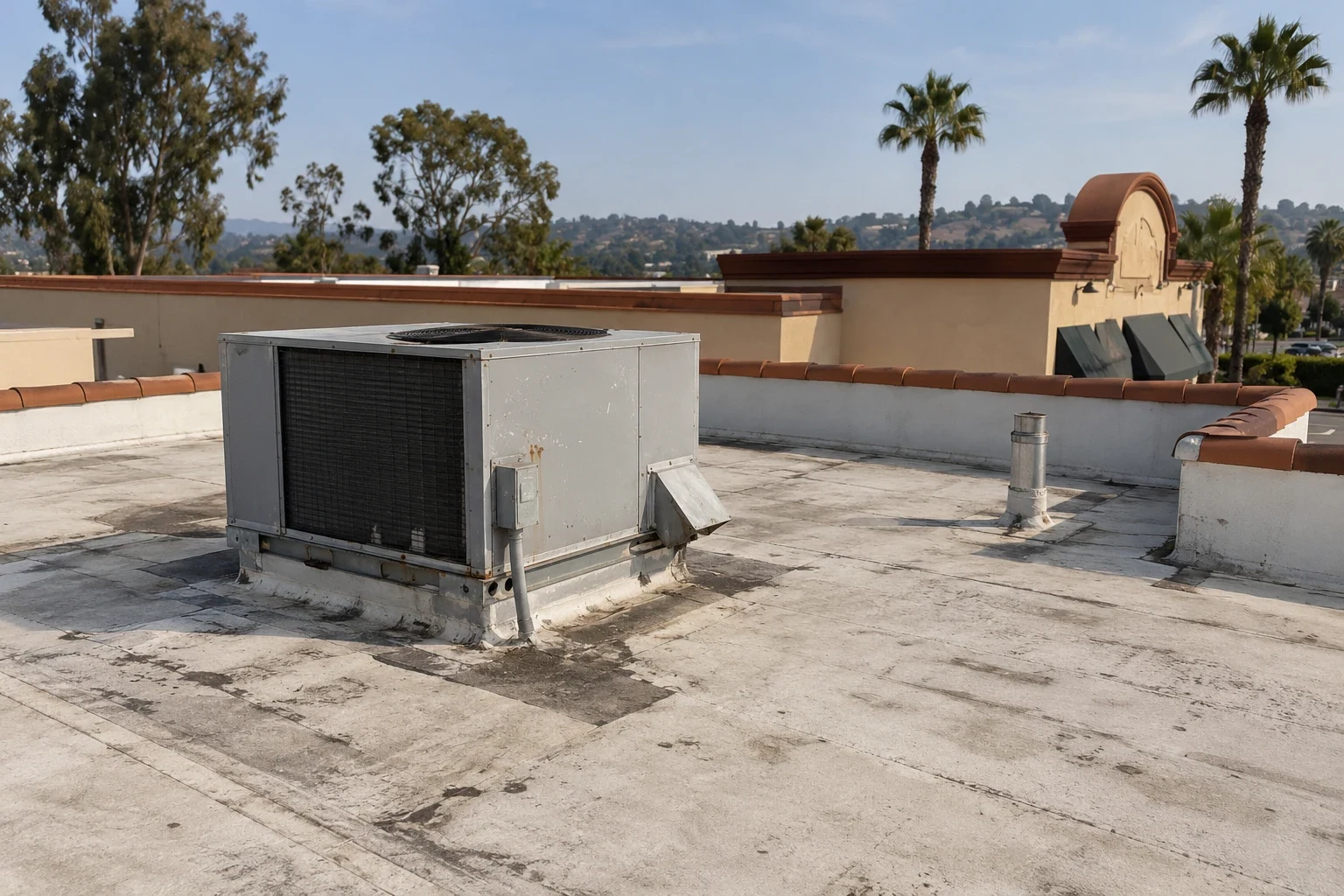
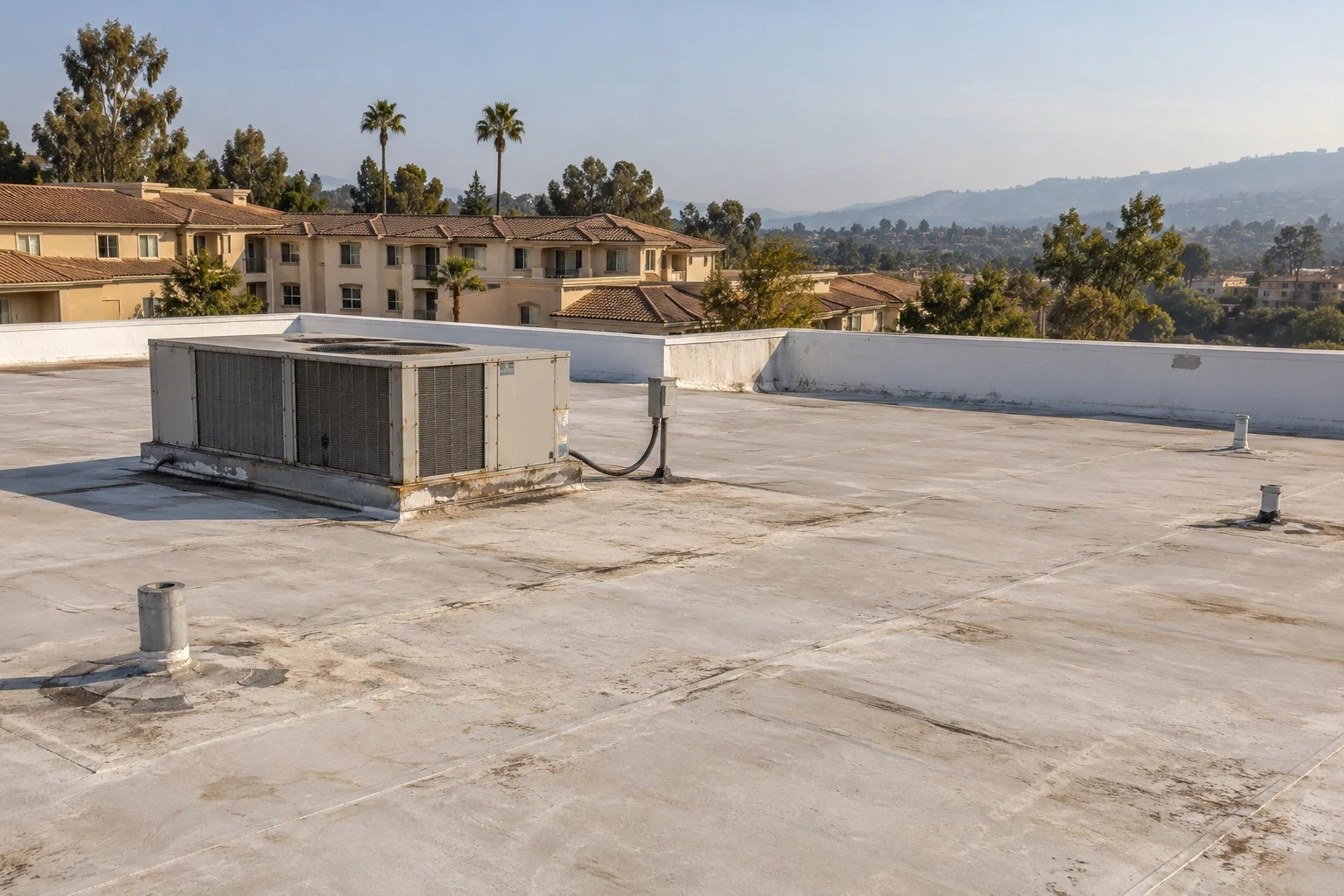
Water collecting behind an exhaust curb can come from insufficient slope, obstructed flow or a support placed across the drainage path. We inspect the direction of runoff and the roof connection before proposing a cricket or other alteration. Changes to roof geometry and drainage need suitable design, especially where existing deck elevations leave little depth for slope. Restaurant leak tracing separates that rainwater route from cleaning water or equipment discharge.
The completed work record identifies the repaired curb sides, seams and closed openings. We photograph each connection before access becomes restricted by equipment. Unfinished mechanical tasks remain identified with their responsible trade. For broader replacement, the authority, accepted submission basis and energy compliance approach require confirmation. Any exceptions must apply to the actual work; a narrow kitchen shutdown is a scheduling constraint, not an exemption.
Repair cost changes with the extent of contaminated membrane, concealed wet insulation and the effort needed to isolate or move exhaust equipment. We explain those items separately. A repair confined to an accessible curb has different requirements from replacing the surrounding assembly beneath several supports. Targeted examination reduces the chance that ownership approves a small surface task while the necessary equipment handling remains unpriced.
Safe access and the curb arrangement must be checked first. Some details remain reachable with equipment in position; others require lifting or isolation by the equipment trades. We explain that preparation in the scope and coordinate the roofing closure with reconnection and equipment testing.
Color alone is insufficient. We examine material condition, seams and the depth of contamination after suitable preparation. A limited damaged area may be replaceable within otherwise sound roofing. Widespread deterioration or concealed moisture can justify broader investigation before selecting repair or replacement.
Our emergency service remains available during holidays and outside daytime hours. The operator handles food safety and indoor hazards while we assess roof access and temporary protection. Permanent repair follows examination of the curb and affected roofing, with ventilation or electrical tasks assigned to their trades.
A hood change can require local curb and flashing reconstruction without replacing the entire roof. We compare the new equipment opening and mounting arrangement with the existing assembly. The broader decision rests on surrounding roof condition, attachment and moisture, with permit and design requirements reviewed for the proposed alteration.
Bring the exhaust service contact and kitchen operating schedule to a roof walk. We will locate each observed defect on a roof plan and prepare photographs with the roofing, equipment and operator tasks separated for approval.