
Campbell commercial roof repair and renewal for retail, office and tenant properties. We examine flashing, drainage and work access before defining repairs.
A retail roof above several tenants can have a restaurant exhaust curb beside the drain serving another unit. The manager needs each detail identified before roofing work is charged or scheduled. In Campbell, we examine the covering, equipment connections and shared water paths, then describe the repairs by location. Commercial Roofing Sunnyvale serves Campbell commercial properties and the Sunnyvale, CA market with repair, replacement and maintenance for low-slope and metal roofs.
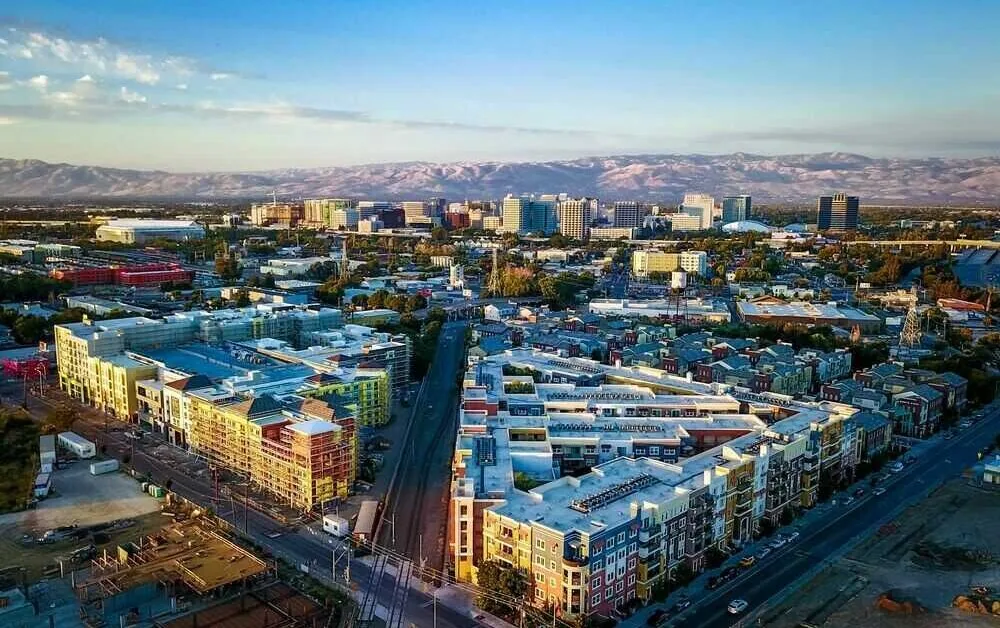
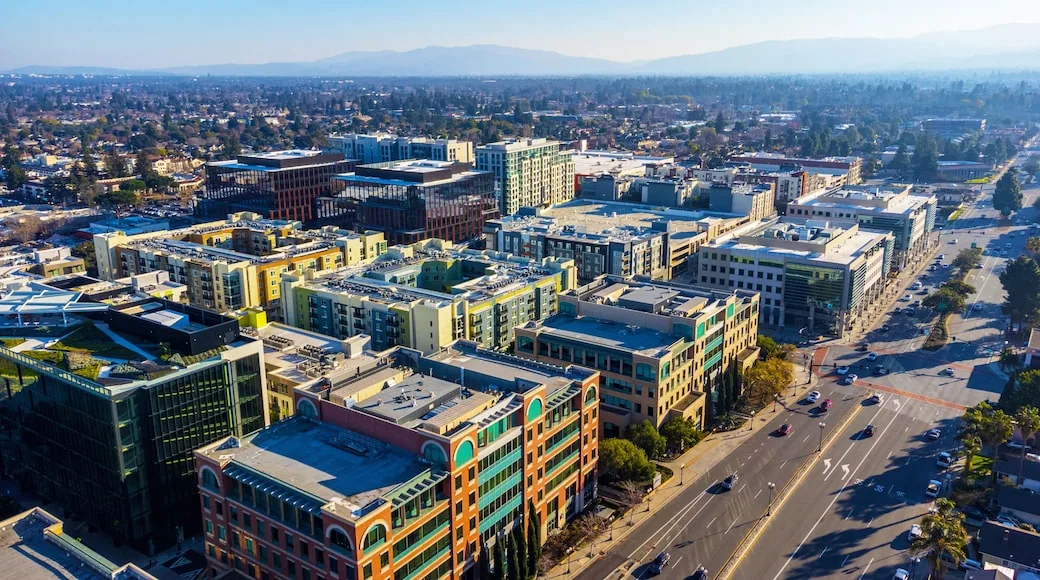
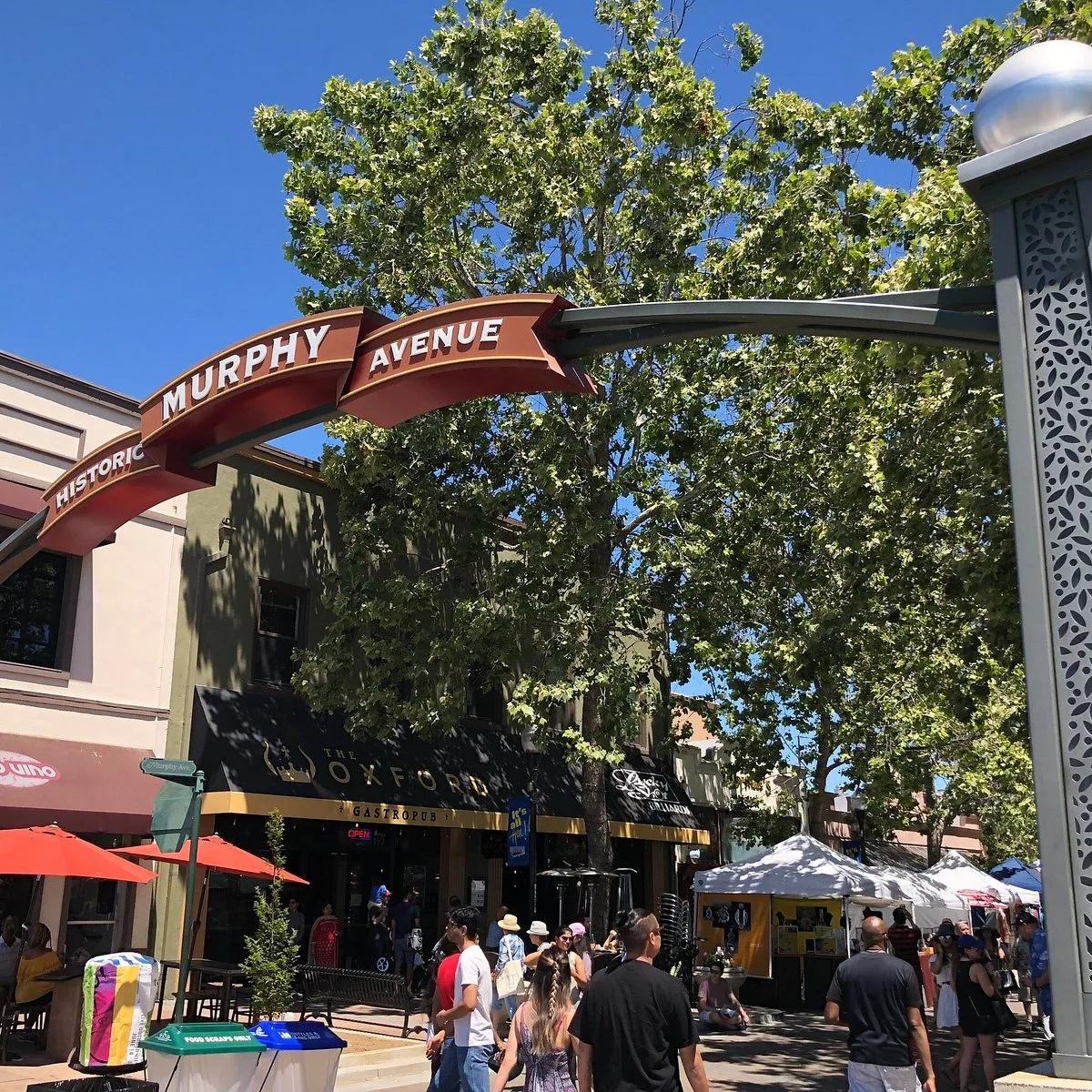
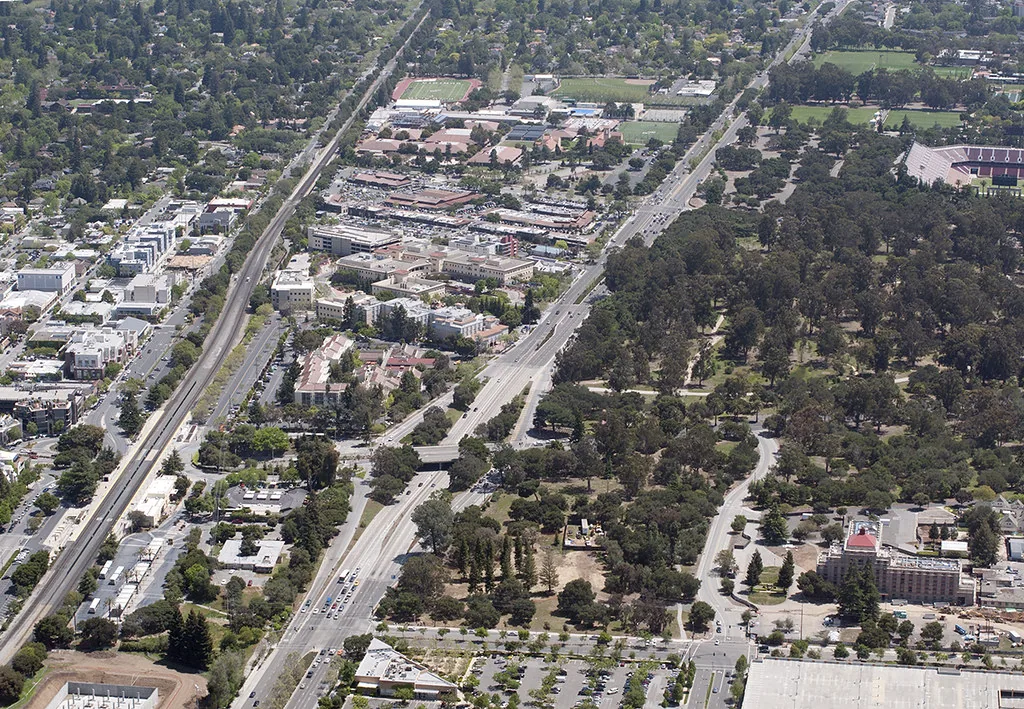
Campbell's Pruneyard includes office buildings, a shopping center and a hotel. Downtown Campbell and the East Campbell Avenue corridor provide another commercial setting. The roof assembly and present condition at any property still need direct examination; a business district does not establish either.
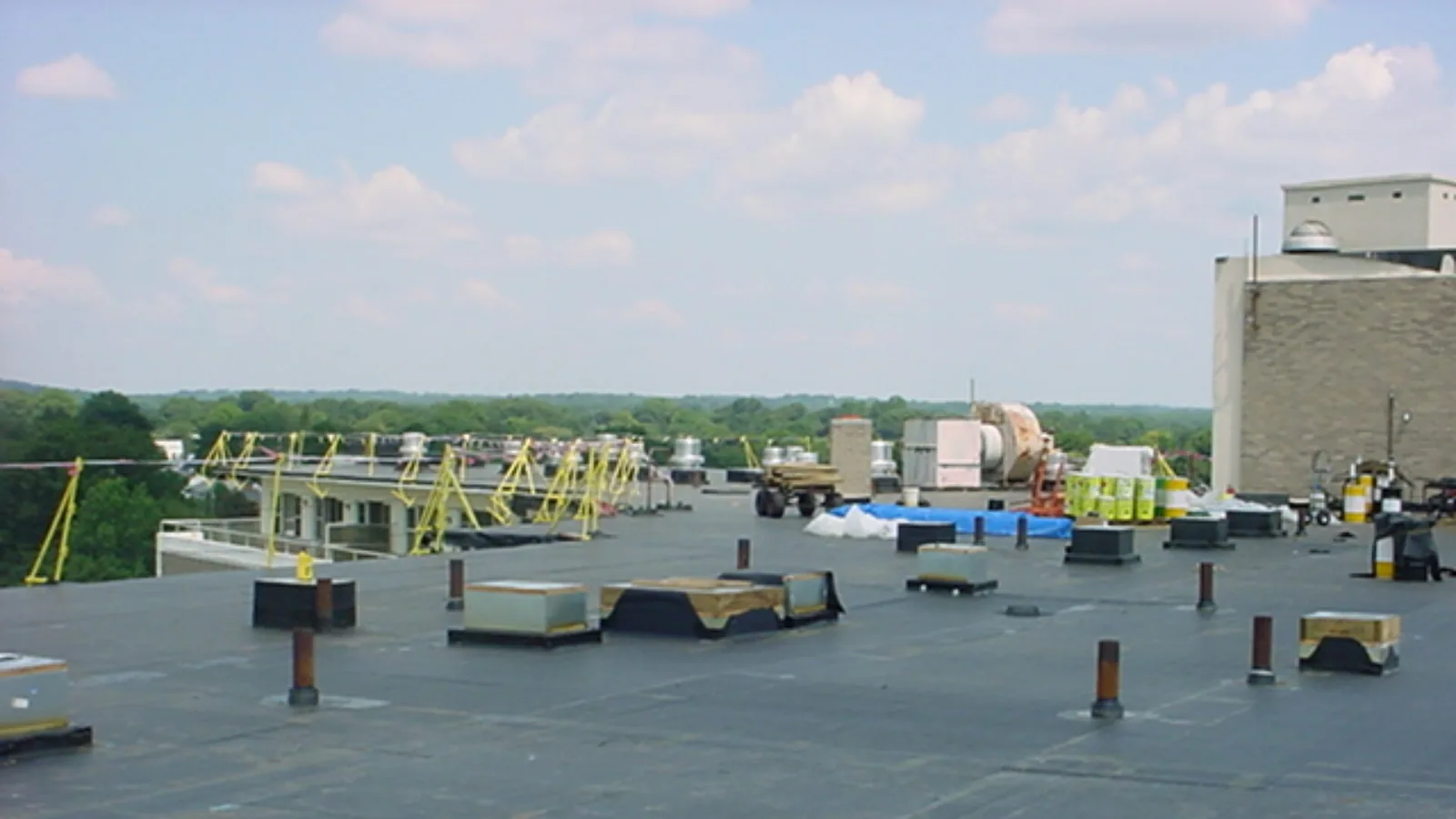
A pipe from one tenant can penetrate the roof above another tenant's ceiling. We locate the opening on the drawing and identify the equipment service before proposing work. A sealed boot, curb flashing and pitch pan have different repair requirements, and each should be described clearly. The responsible mechanical or electrical trade identifies and handles its services. We inspect and restore the roofing connection where it meets sound surrounding material.
Roofing over adjoining shops requires the manager to know which work area affects which occupant. Shared drainage and roof access remain part of the owner discussion even where equipment belongs to a tenant.
Removed tenant equipment also deserves inspection. An unused curb may still conceal an opening or damaged deck. The closure needs to address the full assembly, with any remaining services made safe first. A cover placed across the top does not by itself show that the abandoned penetration has been restored correctly.
Residue around an exhaust discharge can interfere with a roofing connection. We examine the field material, old patches and the source of the contamination before specifying preparation. The selected repair product must suit the installed covering and the condition that remains after cleaning. Where deteriorated material cannot receive a reliable connection, the work boundary expands to suitable construction. A coating or patch should not hide the contaminated or damaged area without addressing it.
For roof details serving restaurant equipment, the equipment operator and responsible trade handle discharge control and mechanical defects. We separate those tasks from the roofing correction so the same condition is not left acting on the finished repair.
Service paths matter too. We examine the membrane under conduit supports and at equipment approaches, identifying abrasion or compressed construction. Walkway protection can help direct future access after the damage is corrected. It should not be used as a cover for an unresolved puncture.
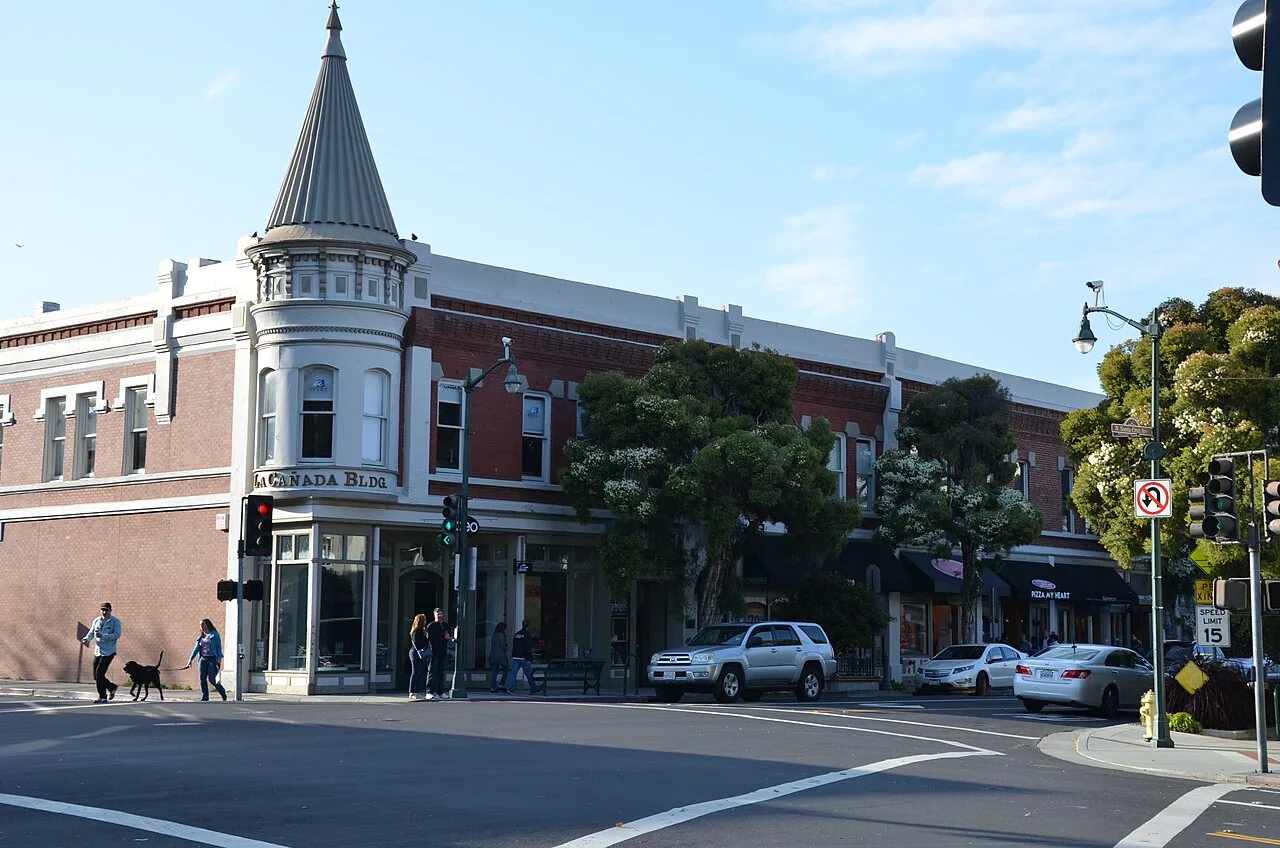
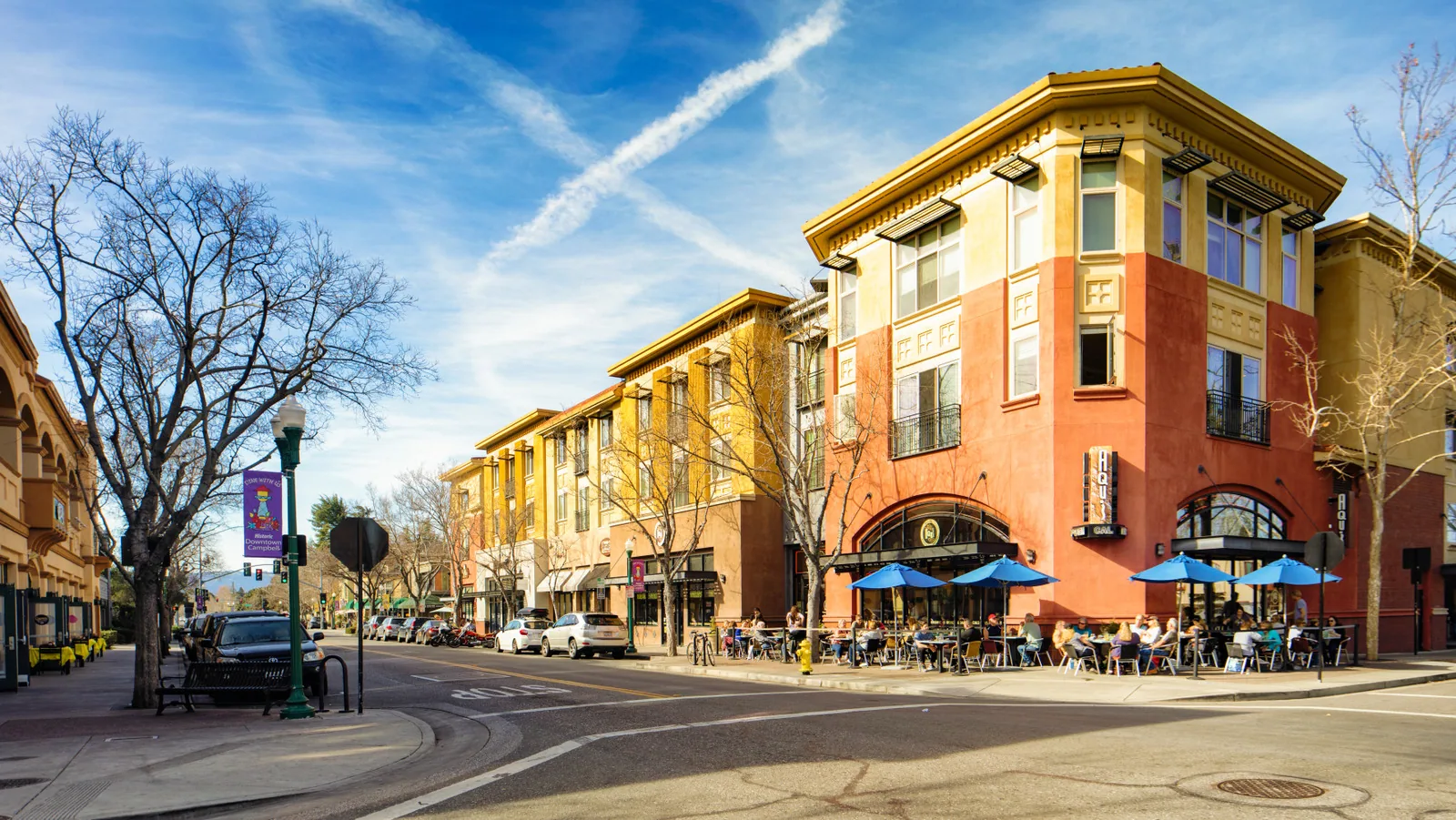
Campbell identifies East Campbell Avenue as a corridor connecting its downtown and the Pruneyard office and shopping center. Roof work at a property along that setting needs its own delivery and staging review. We establish the receiving location, protected pedestrian route and disposal arrangement with the manager before materials arrive. Street planning activity is not evidence that a particular property's access is obstructed; we check the present conditions at the site.
Reroofing above active tenants can require phases that account for business hours, room use and equipment shutdowns. The work area follows the protections and daily closure capacity available at that building.
Managers also caring for San Jose commercial roofs should retain separate access permissions and tenant notices. Even a short distance between properties can involve another authority and a different operating arrangement. The roofing record identifies the address and work zone that ownership is authorizing.
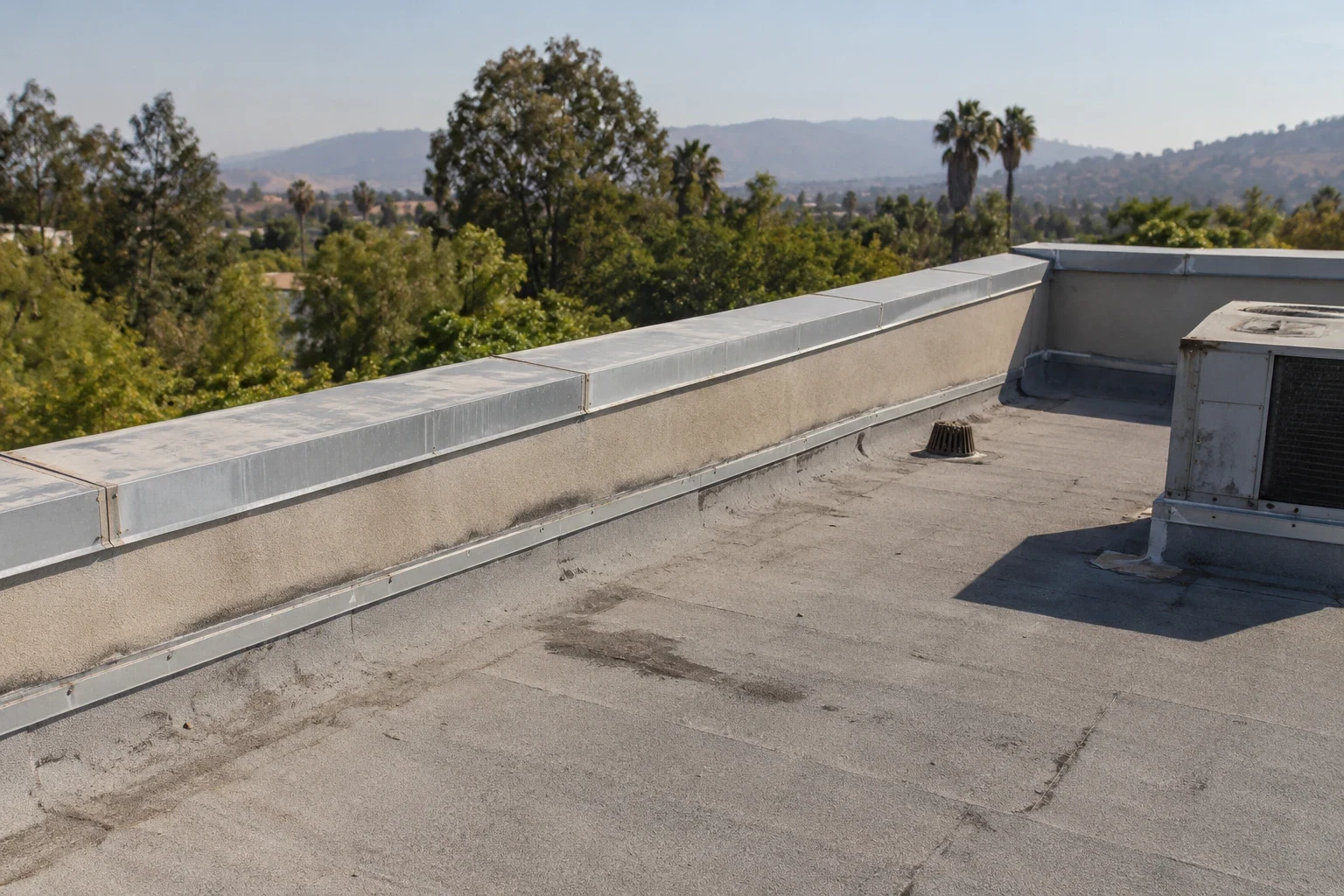
A curb or later patch can interrupt a flow path and leave water behind it. We trace the visible drainage route and photograph debris, depressed areas and raised repairs separately. Cleaning an inlet can restore flow where obstruction is the problem. It cannot correct an unsuitable elevation or damaged drain connection. The roof drain and scupper scope identifies the membrane work, while a suspected pipe blockage goes to the plumbing trade.
Coating proposals need a suitable substrate, compatibility and preparation appropriate to the existing roof. We examine moisture concerns and attachment before recommending restoration. Confirmed wet construction or repeated separation may require removal rather than another surface treatment.
Repair and replacement comparisons account for access, equipment handling, damaged substrate and the amount of detail work. A roof with little field damage can still require careful labor at numerous openings. We describe those tasks so the owner can see why material area alone does not settle the work scope.

Campbell's Building department administers construction permits within the city. We confirm the address, accepted code basis and proposed roof scope with that authority before preparing a reroof submission. Local amendments, fire requirements and any specialty review must be checked for the actual project. The assembly description identifies layers, attachment and connections at walls, drains and equipment instead of giving only a membrane name.
The energy review considers the permit timing and proposed alteration, with its selected compliance route and any accepted exception. We provide the roofing assembly information needed by the design professional. Added insulation can affect curb clearance and drain height, so those details are measured before the proposed thickness is settled.
Finished work is photographed and marked on the roof plan. For a manager scheduling another property in Cupertino, records remain separate even where the same work format is useful. We can arrange urgent roofing attention during nights, holidays and weekends; access, active leakage and interior hazards are reviewed when the manager calls.
An owner can authorize several tasks together, but the repair list should identify the location and affected tenant area for each. We distinguish shared roof construction from tenant equipment services and describe any needed mechanical work separately. This gives the manager a useful basis for scheduling and cost review without assigning responsibility solely from the ceiling location.
The repair surface needs examination for compatibility and deterioration before more material is applied. We identify the contamination and required preparation, while the responsible equipment personnel address its source. Damaged material may need removal to reach sound construction. A clean-looking top layer does not establish that the underlying connection is suitable.
Business hours are one part of the sequence. We also consider equipment access, safe delivery, interior protection and the ability to close the opened roof area. Some tasks may proceed while occupants remain in unaffected zones; others require a defined closure. We agree on the actual work boundaries and notices with the manager before construction starts.
The comparison starts with the condition of the assembly, moisture findings and suitability of the exposed substrate. We identify necessary repairs before coating and the removal or detail changes involved in reroofing. Access and equipment handling belong in both options. A coating proposal is useful only where the selected system can be applied to suitable prepared construction.
For a property under Campbell jurisdiction, its Building department administers the permit process. We confirm the actual address and accepted application basis, then establish the requirements for the proposed assembly. Specialty facilities can require additional review. Energy provisions and exceptions are assessed for the building and alteration rather than assumed from the neighboring city.
Schedule a Campbell roof walk with the tenant layout and available construction records. We will mark equipment and drainage findings on a roof plan and prepare a clear repair list for ownership to review.