
Palo Alto commercial roofing addresses office, retail and institutional roof details. Get marked inspection findings and a scope for repairs or roof renewal.
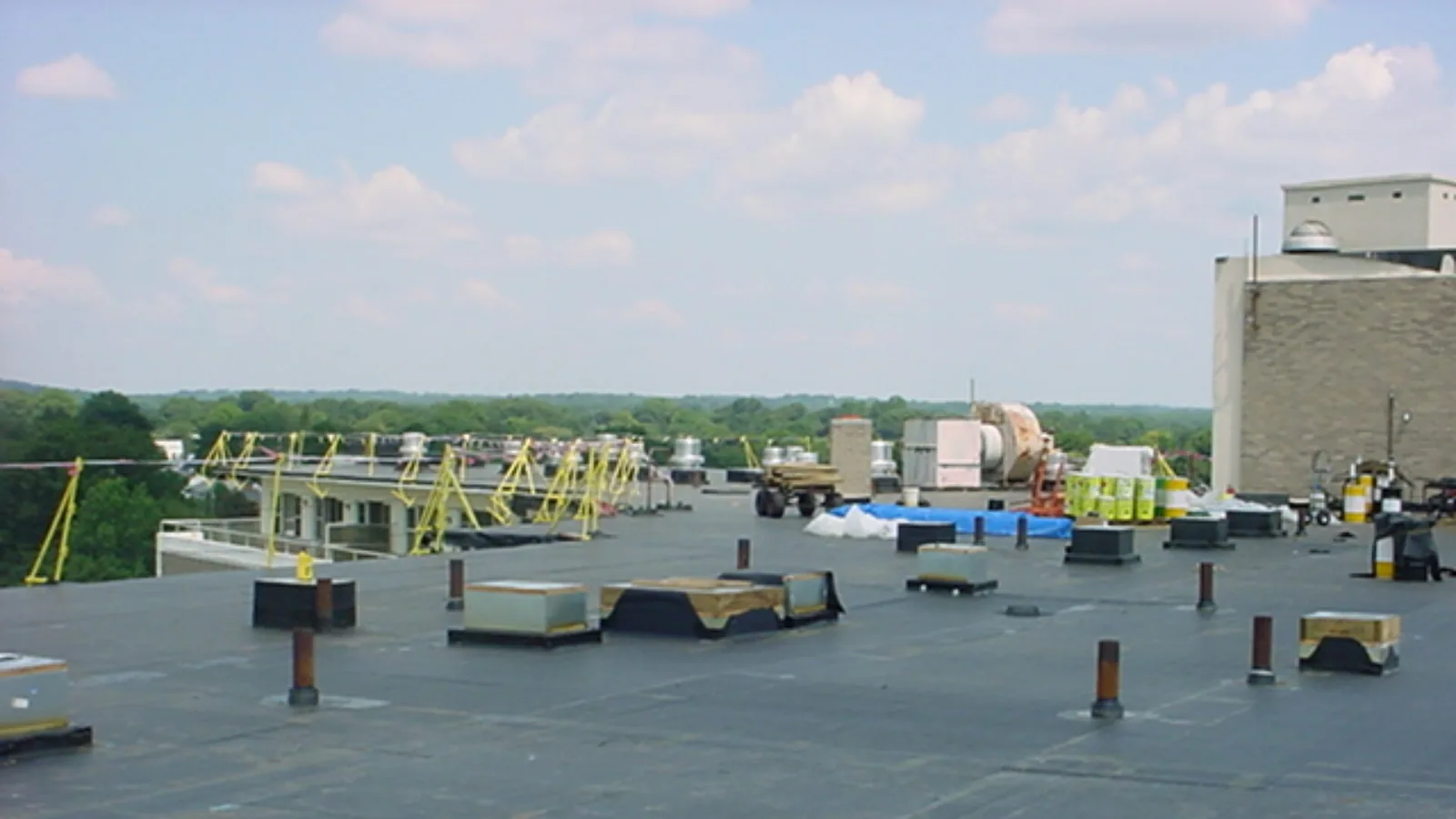
A curb flashing connection above an occupied Palo Alto office deserves examination on every accessible face. Water routes and equipment service can affect its hidden side differently from the clean face nearest the roof hatch. We inspect the material, attachment and nearby field before defining a repair. Commercial Roofing Sunnyvale provides commercial roofing in Palo Alto, CA with findings the property manager can locate and assign.
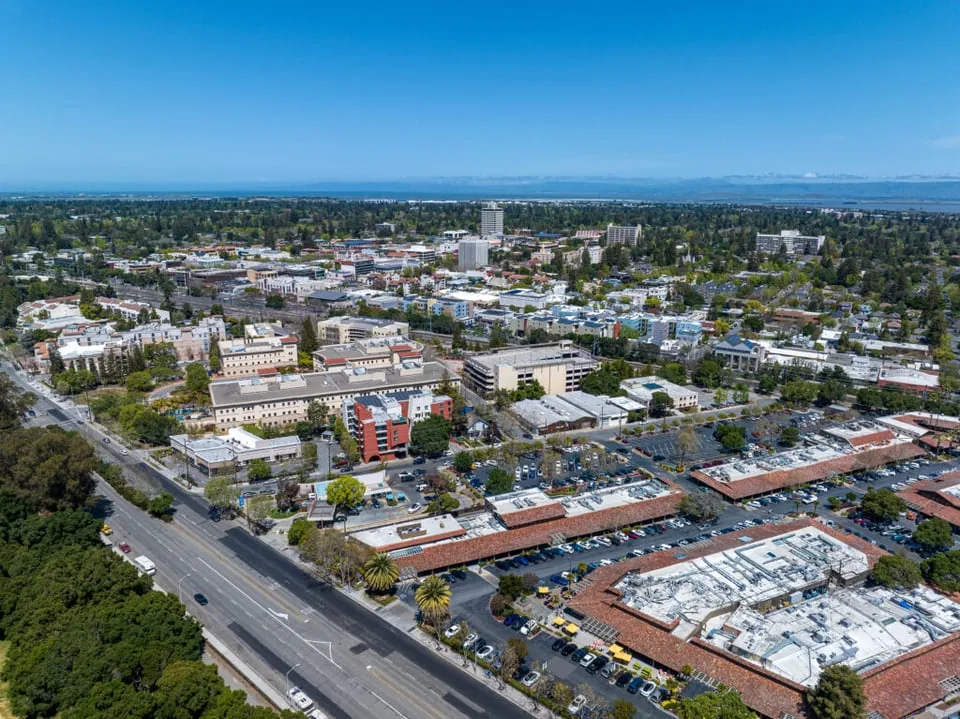
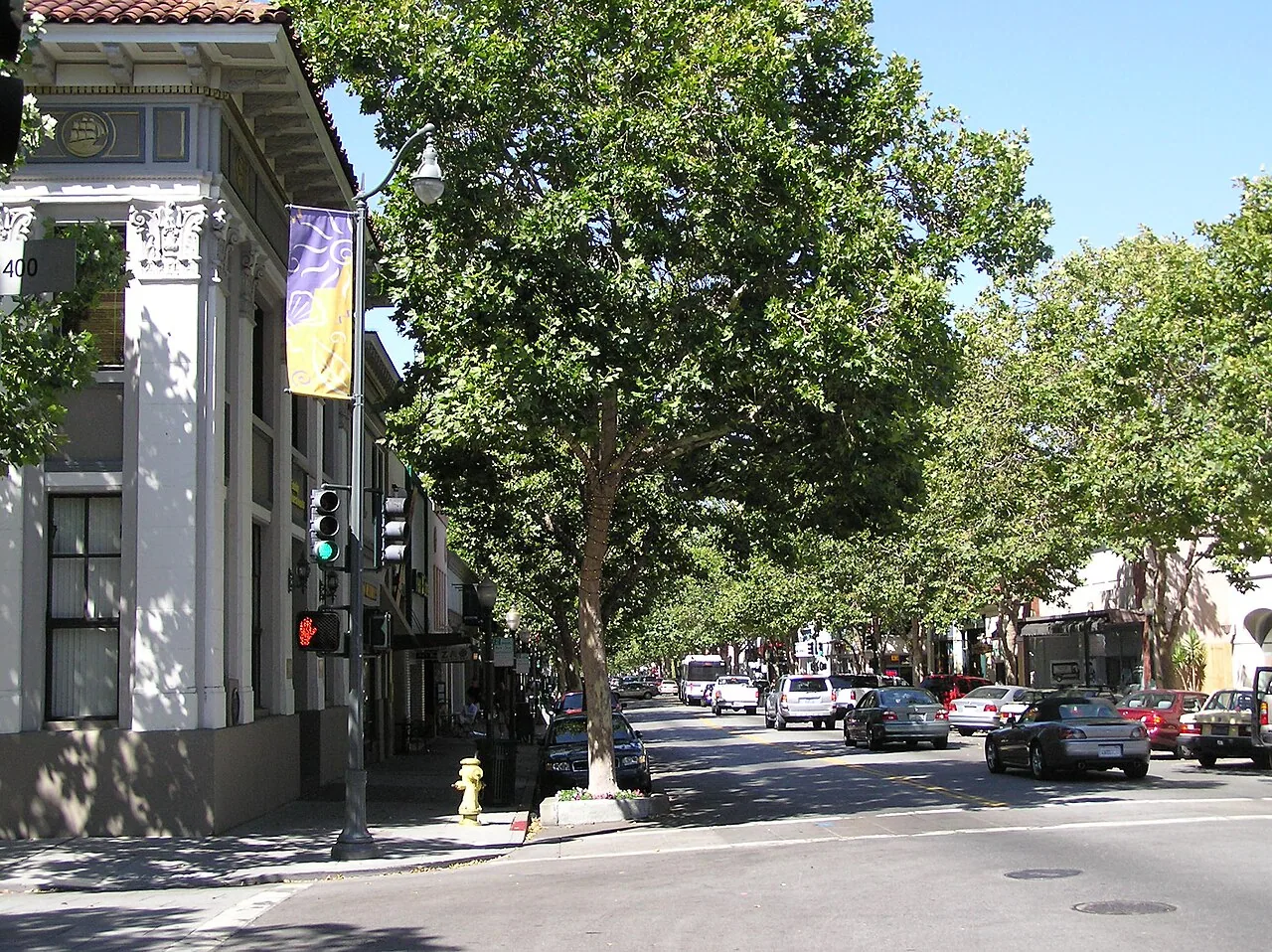
Stanford Research Park on Page Mill Road, the University Avenue downtown area and the California Avenue business district represent different commercial settings. Their roof tasks can differ as well. We establish the actual assembly and occupied space for each assignment rather than assuming that a research address means a particular membrane or that a downtown building needs replacement. The inspection starts with the components present on the building.
A narrow gap beside equipment can prevent proper preparation of a new connection. We measure the available space and identify whether a boot, curb or adjacent service line blocks the task. If equipment movement is required, that interface belongs in the scope before material is selected. A surface bead along the reachable edge does not resolve a joint whose full connection remains open or deteriorated behind the obstruction.
Our repair of failing flashing connections follows the installed roof product and construction found. We identify receiving surfaces, preparation and any backing that must be restored. Mechanical covers, duct connections and electrical penetrations can require separate trade work. Photographs distinguish those tasks so the manager has a complete sequence without assigning equipment repairs to a roof material patch.
The Stanford Shopping Center adds retail activity to Palo Alto's commercial setting, while the VA Palo Alto hospital is another local institutional reference. These local uses illustrate why interior operations need to be understood before work begins. A healthcare assignment may have access and environmental requirements beyond an ordinary office task. We establish those requirements with the responsible facility representatives for the actual building and requested work.
Work at Stanford Research Park properties and properties in Menlo Park can be coordinated across an ownership group with separate roof records. The permit authority and operational permission remain address-specific. Delivery routes, temporary protection and equipment isolation should be assigned before opening the assembly. A broader service area does not replace the facility approval needed to enter or work on its roof.
A repair recommendation needs more than a visible stain or a dark area in an aerial image. We inspect seams, surface damage and drainage details, then choose investigation that answers the unresolved question. An infrared survey can identify areas for confirmation under suitable conditions, but interpretation depends on the assembly and observation conditions. We state what has been confirmed and which suspected areas still require access or an opening.
During a hands-on commercial roof examination, locations are marked on the roof plan with the component named. A confirmed wet layer has different implications from surface dirt or a stain remaining after an older repair. The report distinguishes immediate corrective work, further investigation and renewal options. That separation gives ownership a practical decision rather than a list of observations with no construction task attached.
A new equipment proposal should be checked against the current roof before its service route is fixed. We examine curb height, water paths and the space needed for future flashing repairs. Abandoned penetrations need a permanent closure once their responsible trade completes removal or abandonment. Conduit supports should protect the field material without interfering with drainage. Walkway pads belong on a useful route to equipment, not as scattered pieces that trap debris. Keep the approved entrance and service contact in the building-specific closeout record.
Our roof connections at equipment curbs are coordinated with mechanical, electrical and structural tasks. An alteration can require a cricket or a change in the local insulation arrangement to maintain drainage. We identify the supporting construction before agreeing on that correction. The manager receives the altered opening locations and completed photographs so the next tenant change begins with a current roof record.
For a Palo Alto property, distinguish an office roof from research or institutional space before deciding who must review equipment and access. Confirm the actual building contact, any controlled work zone and whether an interior observation can be made during the same visit. A campus label does not establish permission across separate parcels. Record which team controls the roof and which team can release any affected service, then keep those approvals beside the specific repair boundary.
A field in serviceable condition with isolated damaged details may support a focused repair program. Broader attachment or moisture problems can make replacement the appropriate scope. We compare the existing layers, deck evidence and detail heights before evaluating removal or a possible recover. A renewal plan should explain what happens at drains and curbs as well as across the open field. Retained equipment needs a workable access and reinstatement arrangement.
For replacement of a commercial roof, we confirm the project address, reviewing authority and accepted application basis. Applicable energy requirements depend on scope, compliance method and eligible exceptions; assembly finish alone does not settle them. Fire classification and attachment require review with the construction. Emergency assistance is available on nights, weekends and holidays, with immediate work governed by safe access and conditions. Temporary protection and permanent repairs receive separate records so ownership can track the remaining scope. A repair location should remain identifiable after furniture, equipment or tenants change inside the building. We use the roof plan rather than an interior room name alone, and retain photographs showing the component beside a recognizable roof feature.
A roof examination can identify likely openings and confirmed defects, but concealed moisture or an inaccessible connection may need additional investigation. We coordinate interior observations with the facility contact and define safe roof access. The recommendation should distinguish an immediate protection task from the permanent repair and state what remains uncertain. Sensitive equipment can also require interior precautions before any roof opening proceeds.
Review the curb and replacement together if both are planned. Height, attachment, drainage and flashing access can change with the new assembly. Installing first without that review can require later adjustment or removal. We identify the roof interface and coordinate the structural and equipment decisions with the responsible parties before defining the sequence.
The installed products, prior repairs and supporting layers may differ despite similar appearance. We identify each receiving surface and examine its condition before specifying welding or adhesion. A compatible connection on one roof can be unsuitable on another. The roof plan should distinguish those areas and show the repair material and preparation intended for each one.
Require the limitation to be stated with its location and the access needed to finish the investigation. We record reachable details, confirmed findings and remaining questions separately. A drone view or nearby sound seam does not establish the concealed connection. Ownership can then approve the access task or account for that uncertainty before selecting a wider repair or renewal scope.
Schedule a detailed roof walk with Commercial Roofing Sunnyvale. We will locate photographs and corrective tasks on a roof plan so you can put a clear recommendation before ownership.