Menlo Park roof work checks equipment curbs, service routes and wet layers. Receive a measured repair scope for offices and other occupied buildings.
An office roof with added conduit supports can have a tidy equipment layout and an unfinished water connection beneath it. Menlo Park property managers need both examined before signing off on a tenant improvement. Commercial Roofing Sunnyvale works in Menlo Park, CA on commercial repairs, roof renewal and moisture investigation. We identify the membrane beside each changed support and show whether the detail has adequate room for a durable connection.
Sand Hill Road is a venture-capital setting, while SRI International is another part of the city's business activity. Those uses suggest questions about occupied-space access and equipment service, not an assumed roof assembly. We start with the building itself, its current tenant use and the actual alterations that have reached the roof.
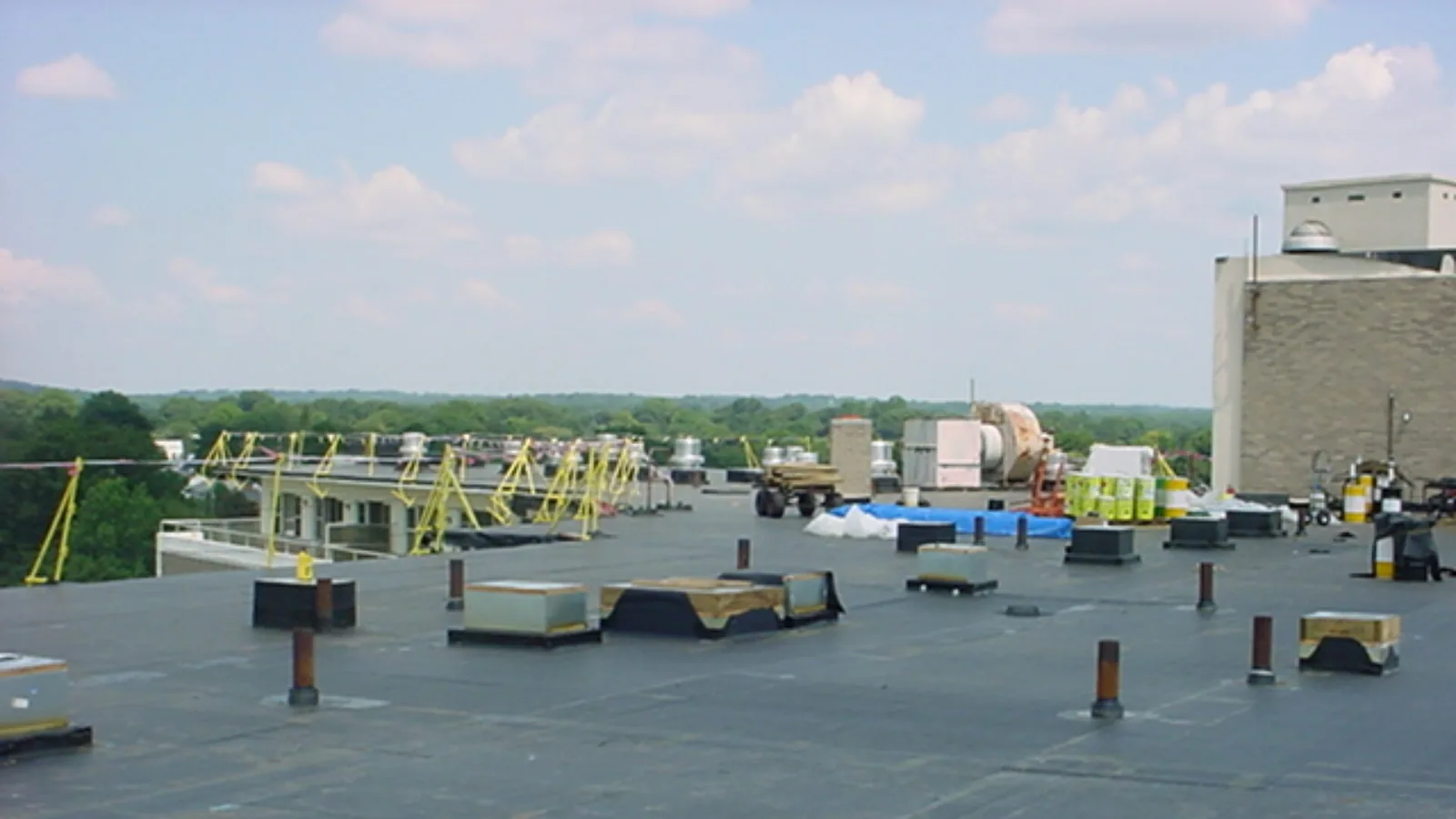
A support resting on protective pads is different from a post passing through the deck. We record which construction is present, inspect the receiving surface and examine any sealed boot or pitch pan at a penetration. Unrestrained equipment movement may require engineering or trade correction before roofing is repaired. The manager should receive those dependencies plainly rather than a roofing task that assumes the support will stop moving on its own.
Our curb and equipment-support work defines where the roofing responsibility ends and equipment adjustment begins. A clean flashing connection needs compatible material, suitable backing and enough exposed height. Raising the field surface with new insulation can consume that height, so we measure it during planning rather than after the roof is covered.
A succession of equipment service calls can put foot traffic over the same seam. We look at the travel route from the hatch, the position of conduit and whether walkway pads lead safely to service points. Pads belong on a sound surface and need a layout that leaves drainage passages open. Where traffic damage has already opened the field material, we repair it before adding the protection intended to reduce further wear.
A removed tenant system also leaves a closure task. Our work at roof openings and flashing examines the deck support, insulation and covering at each closure. An abandoned penetration is not complete because the cable has gone; the roof must regain a supported, compatible connection at that location.
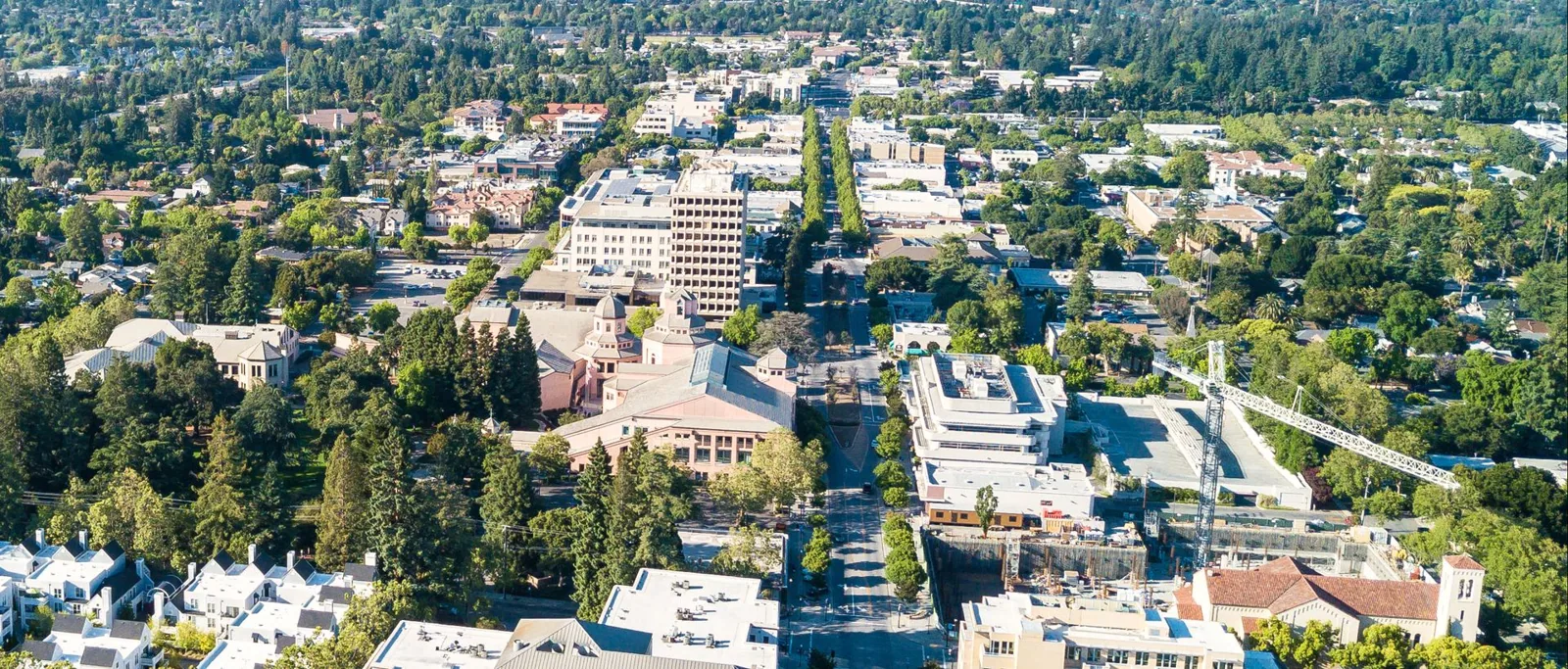
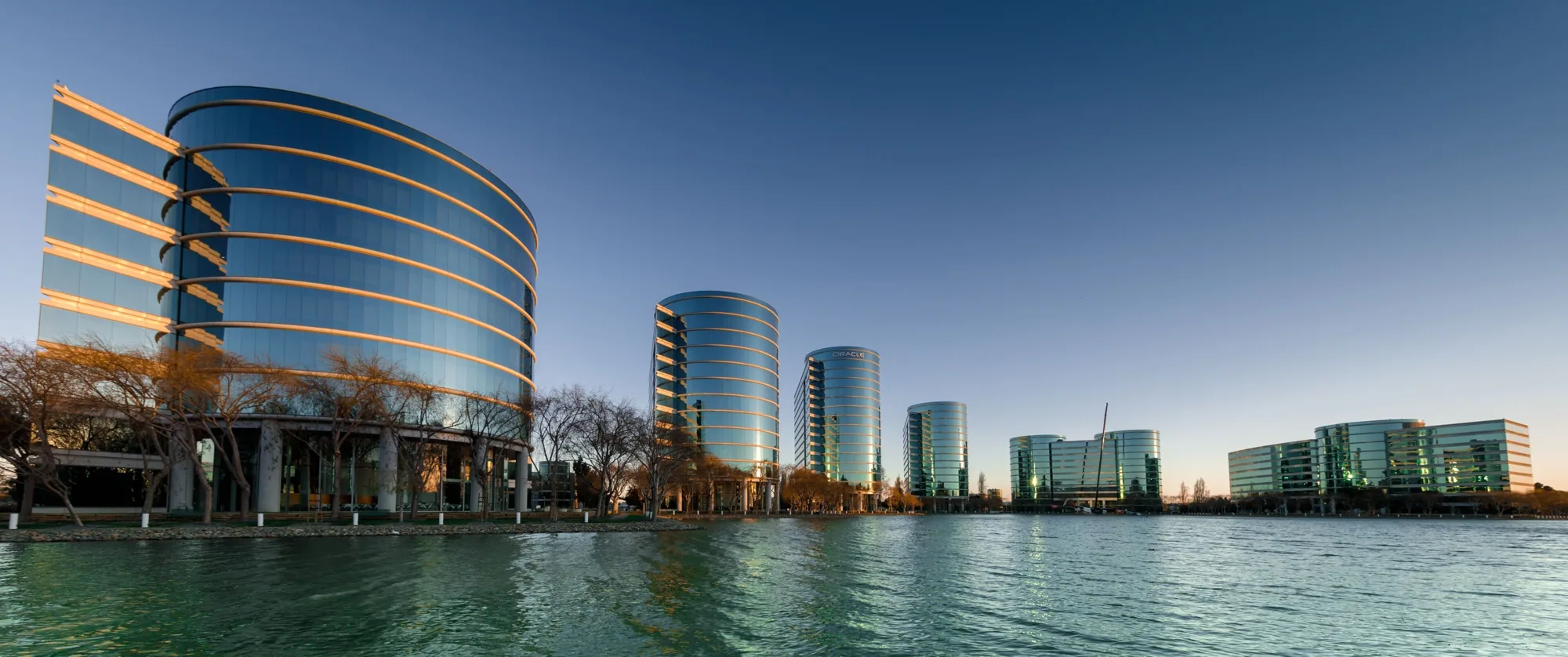
Menlo Park includes the Meta headquarters on a former Sun Microsystems campus and a VA medical center. Naming those settings does not establish the material or condition of their roofs. For commercial office work and care buildings, we plan inspections around the actual access rules, intake locations and occupied rooms. Roof openings over sensitive spaces may need a more restricted removal sequence and coordination with the facility's responsible staff.
Managers arranging roof examinations across Palo Alto and East Palo Alto can share scheduling information without combining the findings. The same equipment purpose on two buildings does not establish the same curb dimensions or repair method. We measure and describe each connection independently.
For a Menlo Park assignment, identify whether the affected property operates as an office, research space or care setting before arranging access. Each building contact can establish different controls for equipment, work hours and interior observation. Keep the diagnosis tied to the specific assembly and room report; similar buildings nearby do not confirm a common roof cause. If the scope affects a service route, note who approves its temporary change and who verifies the route is restored afterward.
A membrane can look serviceable while a layer below it remains wet from an older entry point. We compare interior history with roof observations, then decide whether a moisture survey or selected opening will help define the affected area. Infrared equipment needs suitable conditions and follow-up confirmation; a temperature pattern is a reason to investigate, not a complete diagnosis of every layer beneath it. Test locations are marked so subsequent work can return to them.
Our infrared moisture investigation supports a removal decision when its findings can be checked against the assembly. Where wet material is limited, a sectional correction may remain practical. Where the condition is more extensive, the manager needs the extent and access implications before comparing a recover with replacement.
A small test opening also needs its own closure. We locate it away from equipment obstructions where practical, record the layers encountered and restore the connection using compatible roofing materials. The test record remains useful after the opening has been closed, especially where ownership is comparing limited wet-area removal with broader replacement. We keep the observation separate from an estimate of unexamined areas.
Past leak records help identify where to look, but a dry interior today does not prove that buried insulation has dried. We examine the assembly evidence and explain what it supports before recommending retention. Moisture assessment should answer a construction question, not merely produce a colored roof image.
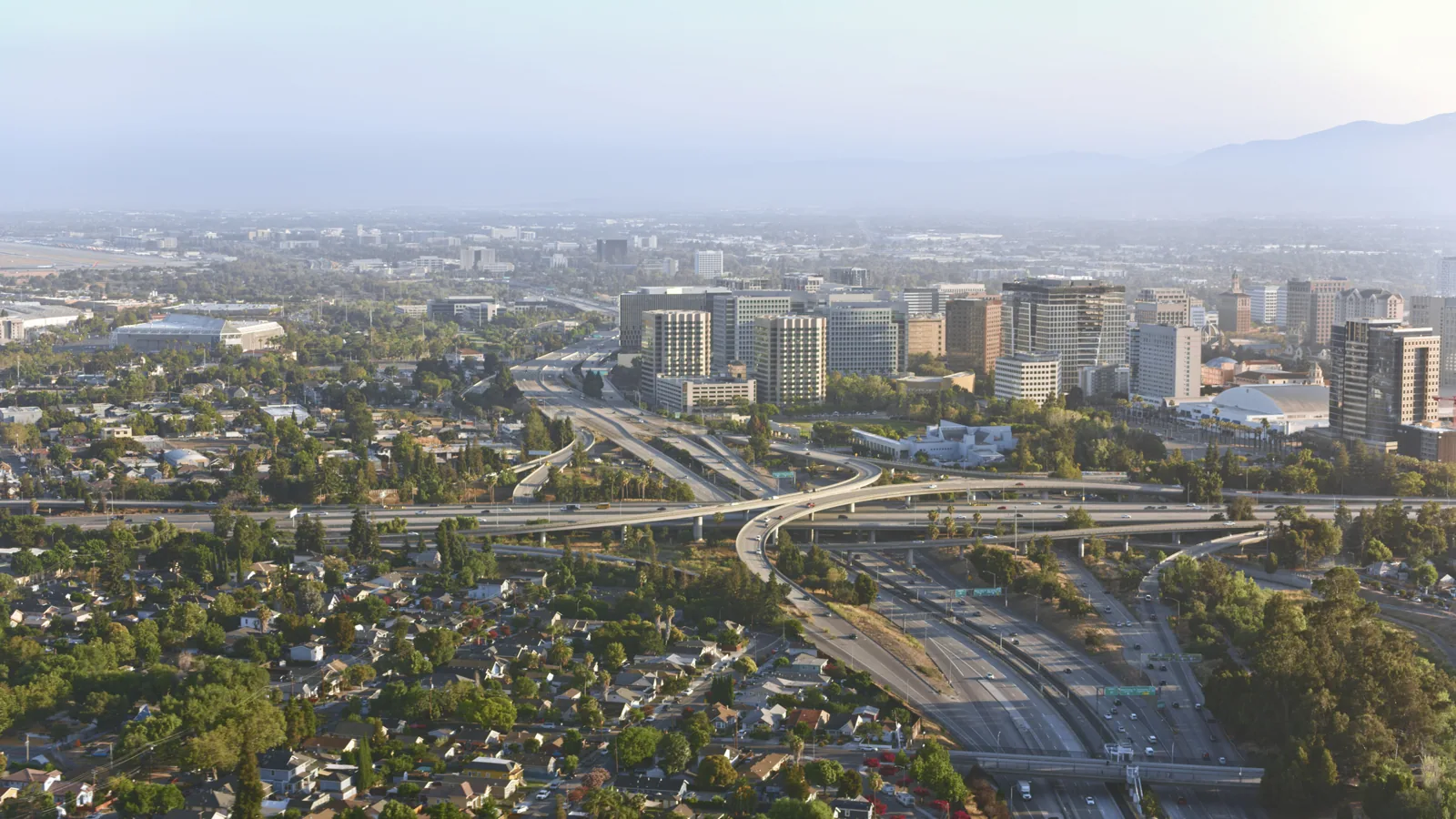
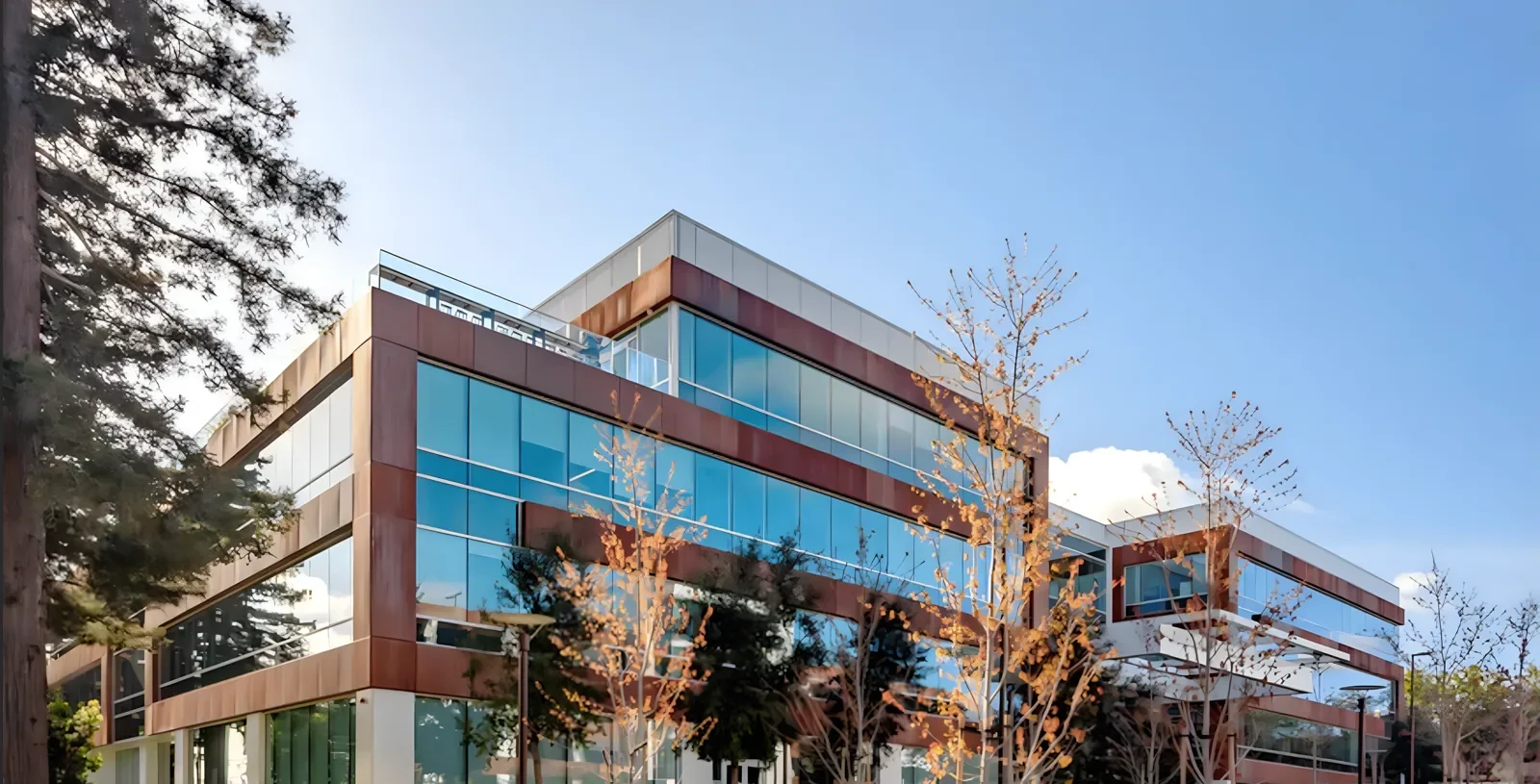
A new membrane needs more than an open field to cover. We examine drain elevations, wall connections, equipment curbs and doors before recommending additional layers. A recover proposal must establish suitable support and attachment and identify any wet material that will be removed. A tear-off proposal must state the layers included and how uncertain deck conditions will be handled. Those details make the two choices comparable instead of leaving important work outside one price.
The applicable requirements follow the actual address and authority, including any special ownership or facility review. We confirm the accepted application basis, roofing scope and energy compliance method before determining the required insulation or surface properties. Eligible exceptions need examination against the project conditions. Nearby Sunnyvale requirements do not decide a Menlo Park roof scope.
Noise and odor can matter on an office floor even while the work remains outside. We discuss occupied hours, fresh-air equipment and material handling before roof renewal over occupied space begins. Emergency water control remains available overnight and throughout weekends and holidays, with the temporary measure distinguished from the final correction.
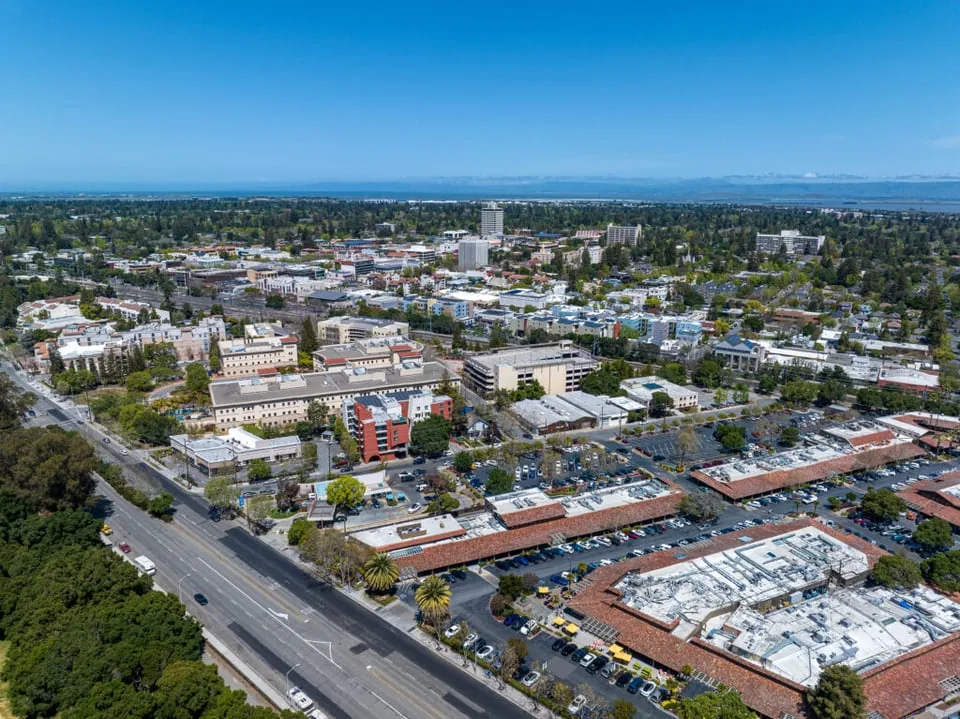
Finalize the affected curb, support and penetration details first wherever possible. Installing field material while those connections remain unsettled can lead to avoidable cutting and patching later. We can examine the roof and prepare the unaffected scope while the equipment dimensions are resolved, then incorporate the completed design into the opening schedule.
Interior information can help locate a reported leak, identify affected spaces and establish which activities need protection during removal. We request access relevant to those questions, with the facility restrictions observed. A roof-only examination can still document visible defects, but we explain where missing indoor observations limit the diagnosis.
We establish the removal limit through confirmation of the survey findings. We compare the thermal pattern with roof construction and selected tests, considering shading, equipment and material differences that may affect the reading. The report distinguishes likely moisture from confirmed wet layers and identifies further examination before turning the survey outline into a construction boundary.
Photographs should show the preparation, the finished water connection and its position on the roof plan. We record the repaired material and any remaining work belonging to the equipment trade. That record lets management close the roofing task accurately and keeps a pending equipment adjustment from being mistaken for a completed roof repair.
Bring the equipment changes and leak locations to a roof walk. We will provide photographs and separate repair tasks that ownership can assess with the remaining trade questions.