San Mateo roofing for commercial properties, from storefront flashing to replacement scopes. Review roof details, tenant access and ownership repair priorities.
The connection behind a storefront exhaust curb can be harder to reach than the rest of the roof. For a retail building in San Mateo, CA, that restricted area still needs proper preparation, a compatible repair and room for future service. Commercial Roofing Sunnyvale works through these details with the property manager: which equipment must stay active, where water is entering, and what access is needed to rebuild the connection properly.
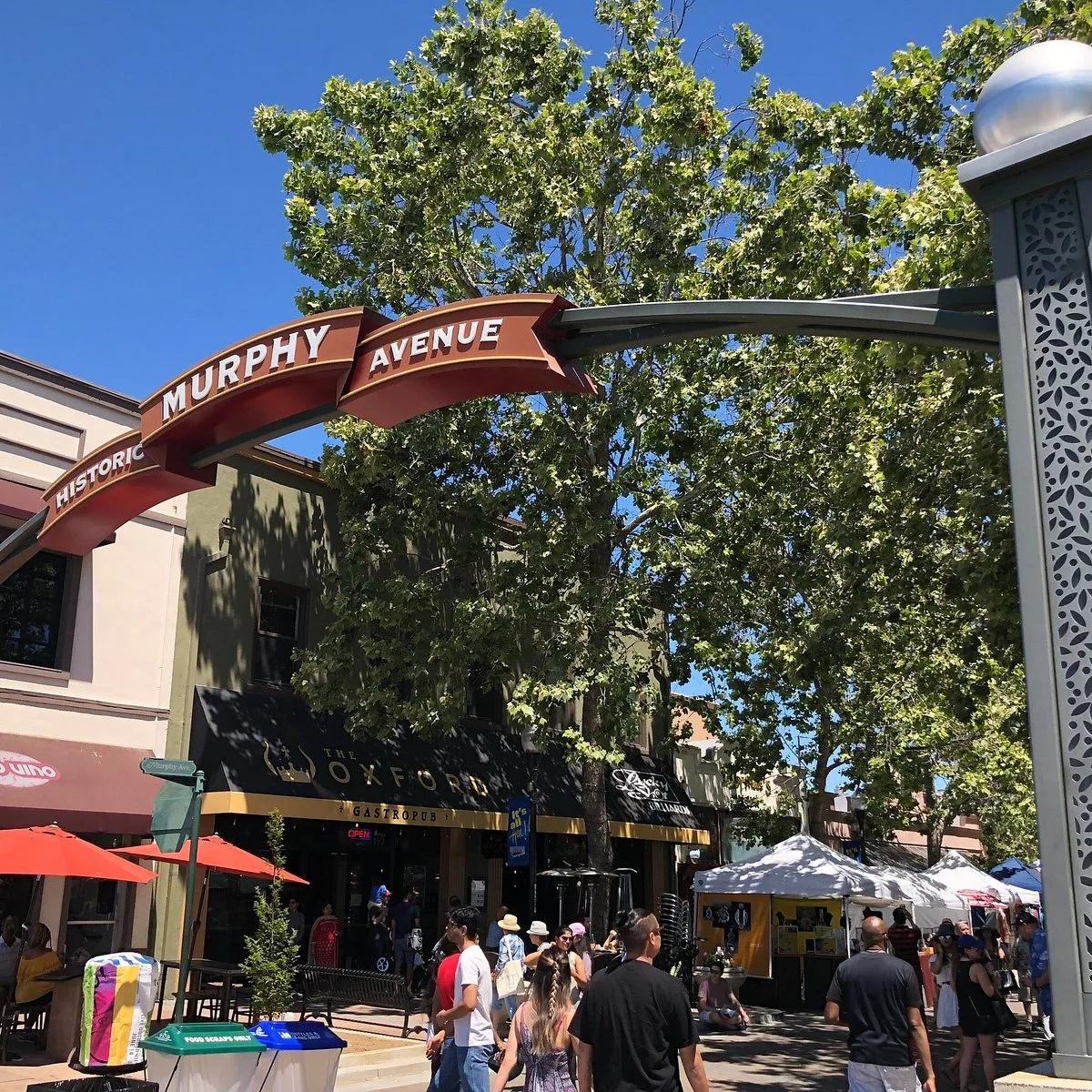
Downtown San Mateo's parking core includes Third and Fourth avenues between El Camino Real and South B Street. Roofing work near occupied commercial frontage needs material delivery and entrance protection settled before construction. We examine the roof and ground access together. The resulting scope separates the building's waterproofing needs from equipment, loading or pedestrian arrangements that must be coordinated with others.
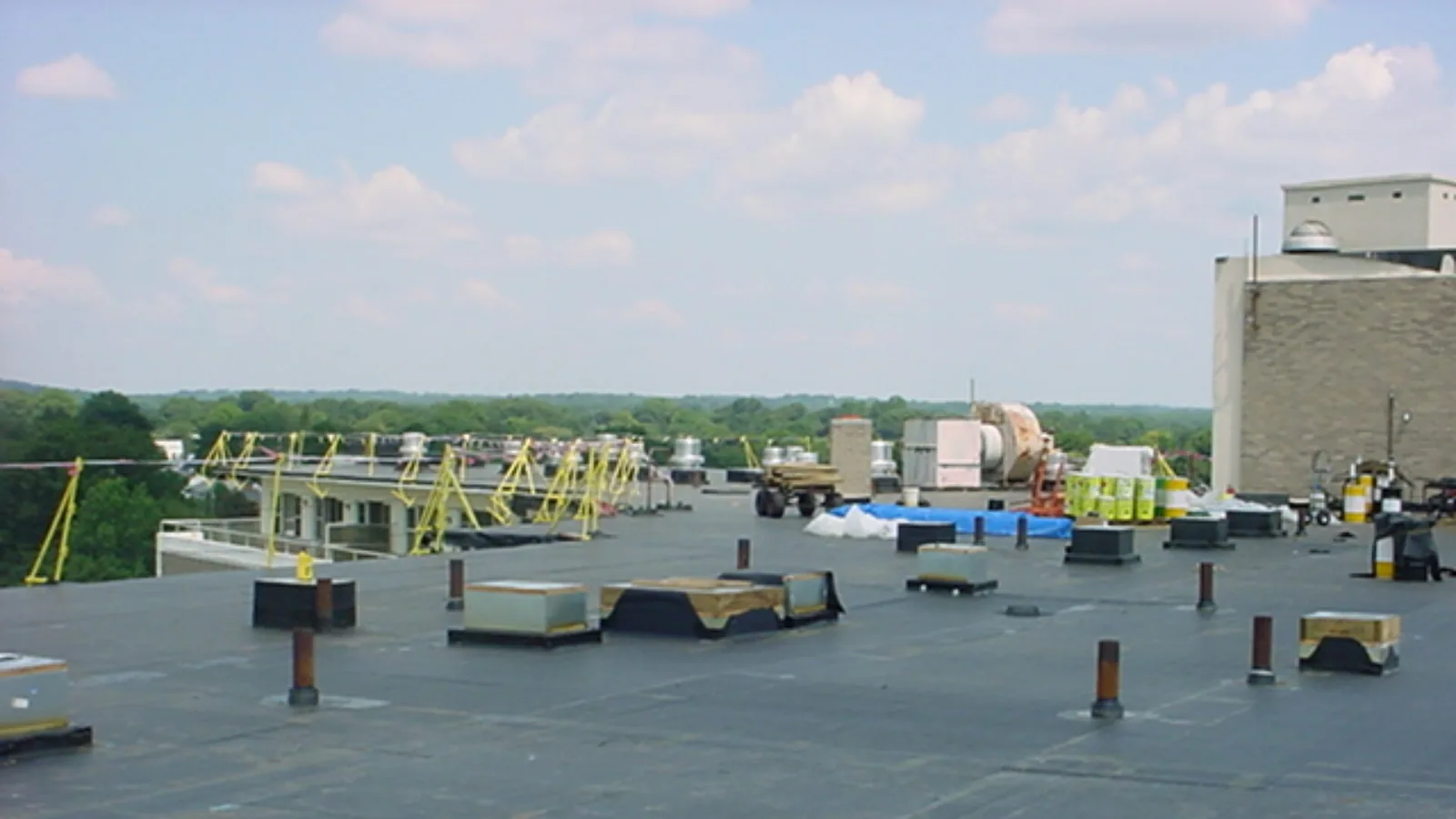
An old pipe sleeve beside a newer duct may still be carrying the waterproofing detail for a service that no longer exists. We check the purpose of each penetration with the building contact rather than assuming it is abandoned. Connections that remain need the appropriate boot or flashing. Openings selected for removal need proper deck closure and restoration of the roofing layers. Our penetration flashing work starts with that distinction, so a change to the roof does not interrupt a necessary building service.
Keep equipment replacement decisions beside the roofing scope. A curb scheduled for removal can affect the repair limits, and a larger replacement unit may require a different support arrangement. We coordinate the roof connection with the responsible trades and identify engineering needs where support or loading changes. The property manager gets a sequence they can use with the tenant improvement schedule, including any closure that must occur before the roof detail is finished.
A patch that bridges several old repairs can leave little usable surface for the next connection. We inspect its edges, determine the field material and assess what must be removed to reach a suitable substrate. A repair product must suit that material and the condition found. Dirt, trapped moisture or a loose existing layer can prevent the new material from bonding. A clean repair begins with a preparation boundary that the crew can actually carry out.
Where the roof material is weldable, the finished connection needs adequate weld width and a careful seam probe check after cooling. Other systems require their specified adhesive or liquid-applied treatment. We describe the method in the scope for recurring roof leakage, with adjacent defects identified separately. That gives ownership a basis for approving the repair without assuming every mark on the membrane has the same cause or requires the same treatment.
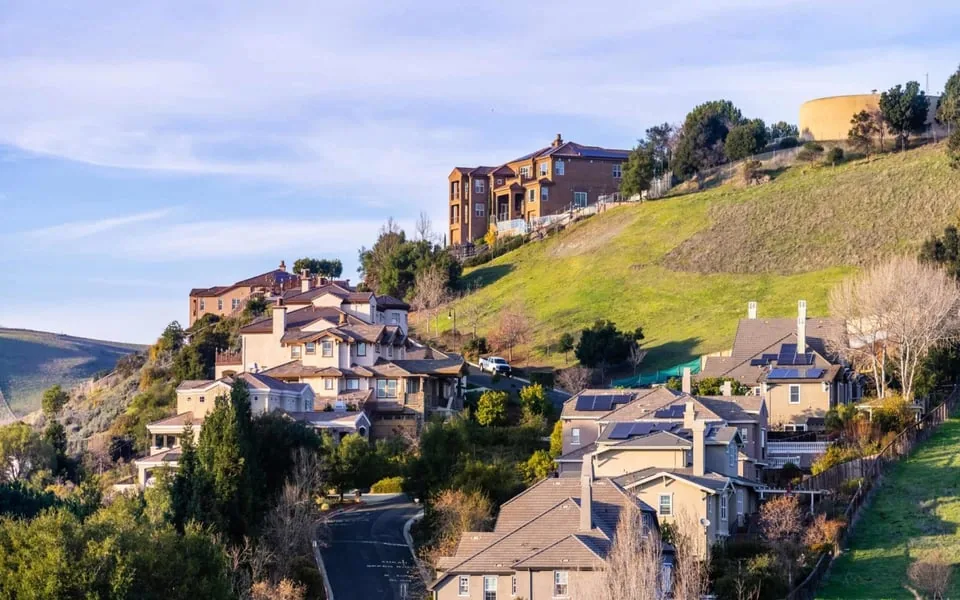
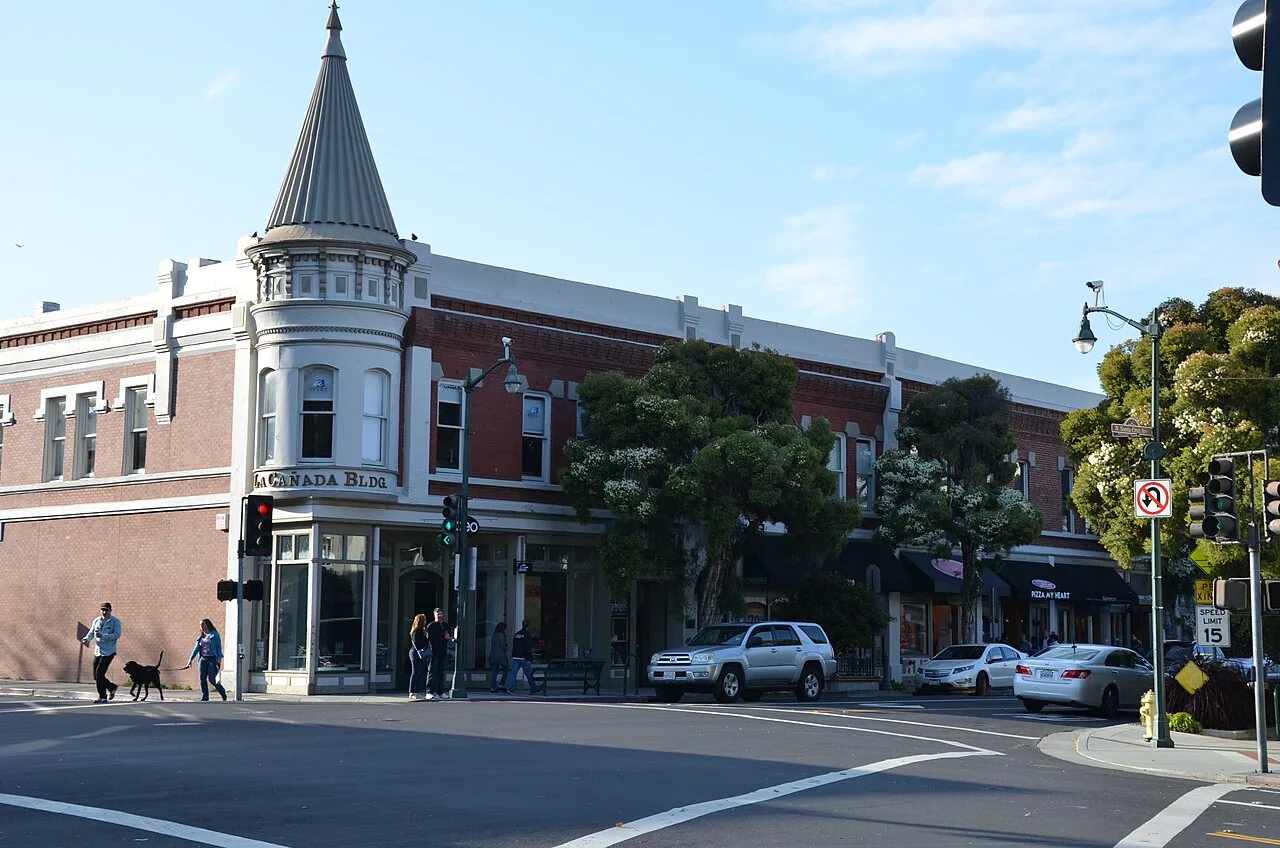
Hillsdale Shopping Center places another commercial setting in San Mateo. For a retail roof in that part of the city, the repair sequence has to account for tenant doors, service deliveries and rooftop equipment before setting a work area. We confirm the actual assembly at the property, then determine where removal, staging and daily closure can occur.
Ownership overseeing commercial property in Foster City or a building in Belmont can use address-specific reports to compare needs. We retain each property's roof configuration, photographs and pending access items. Roof work in San Mateo is reviewed for its own project requirements. A neighboring city's permit conditions or an earlier approval for another building cannot settle the construction requirements for the current scope.
A water mark along a ceiling joint gives us an investigation location, not a complete repair instruction. We compare the interior report with drains, curbs and changes in roof level above it. We examine the relevant connections and use selected openings or additional testing when the repair decision needs more information. Interior protection and any electrical hazard require coordination while that examination proceeds.
A drain bowl set above surrounding material can leave water sitting where an otherwise sound seam is repeatedly submerged. We inspect the local slope, drain clamp ring and membrane connection, then distinguish roofing corrections from plumbing work. A useful written roof condition assessment shows what can be corrected locally and what needs a wider drainage or design decision. Repeated cleaning cannot lower a raised bowl, and a coating cannot create missing slope.
Firm, dry roof material surrounding isolated defects can support a focused repair. Dispersed moisture, widespread attachment problems or layers unsuited to the intended work can push the scope toward replacement. We examine those conditions before comparing options. If a coating is proposed, the existing material must accept the preparation and application, defects need correction and the roof must meet the system's requirements. A smooth surface finish cannot make damaged insulation suitable for retention.
For a commercial roof replacement, access and daily closure influence the sequence as much as the field installation. We discuss protected doorways, air intakes, tear-off disposal and work beside active equipment. Construction cost also changes with deck repairs, insulation requirements and details that need rebuilding. The proposal identifies what the examination established and which allowances need further investigation, giving the property manager a clear explanation for ownership rather than a broad instruction to replace everything.
The finished repair should remain identifiable after the crew leaves. We photograph its extent, the new connection and any adjoining item left for another trade. Drain approaches and service routes receive attention during planned roof maintenance, especially after equipment work that introduces new traffic or debris. A comparison with the completion photographs can reveal a displaced support or newly damaged edge that would otherwise be mistaken for an incomplete original repair.
A leak that starts outside normal operating hours still needs a building contact and safe access. We provide emergency response throughout the night and on holidays as well as weekends. Temporary protection, investigation and the permanent correction are recorded as different tasks. That record lets the manager explain the immediate action to tenants and carry the remaining work forward without losing the detail that caused the call.
Access must be assessed at the property before scheduling. We look at roof height, available loading space, protected entrances and any lifting arrangements. Street or public-area use may require separate permission and coordination. The proposal should identify those requirements and any staging constraint that changes delivery or removal, rather than assuming a parking space will be available.
The proposed equipment and existing opening need a joint review with the mechanical trade. We examine the roof connection, curb condition and surrounding material. A different unit may need a changed support or curb, with design review where necessary. Reusing the opening should follow that assessment, not simply reuse the old flashing without checking its fit.
Loose, incompatible or poorly attached repair material can prevent a reliable coating connection. We assess the patch and underlying condition, then specify removal or preparation as appropriate. Moisture beneath it needs investigation too. The coating scope should show that corrective work distinctly, because covering the patch does not establish that the original defect has been repaired.
Record the interior location, timing and any nearby equipment operation. We examine drains, roof transitions and concealed moisture paths that may respond differently as water accumulates. A dry visit can still identify suspect details, but additional observation or testing may be necessary. The repair recommendation should reflect the actual findings and the investigation still needed.
Compare removal limits, insulation treatment, curb and drain work, access arrangements and completion records. A field material description alone does not define the whole job. We put the corrective items against photographed roof locations so ownership can assess what each scope includes. Any excluded equipment work or unresolved opening belongs beside those items.
Schedule a roof walk with the leak locations and tenant alteration schedule in hand. We will mark the findings on a roof plan and prepare a repair list for ownership.