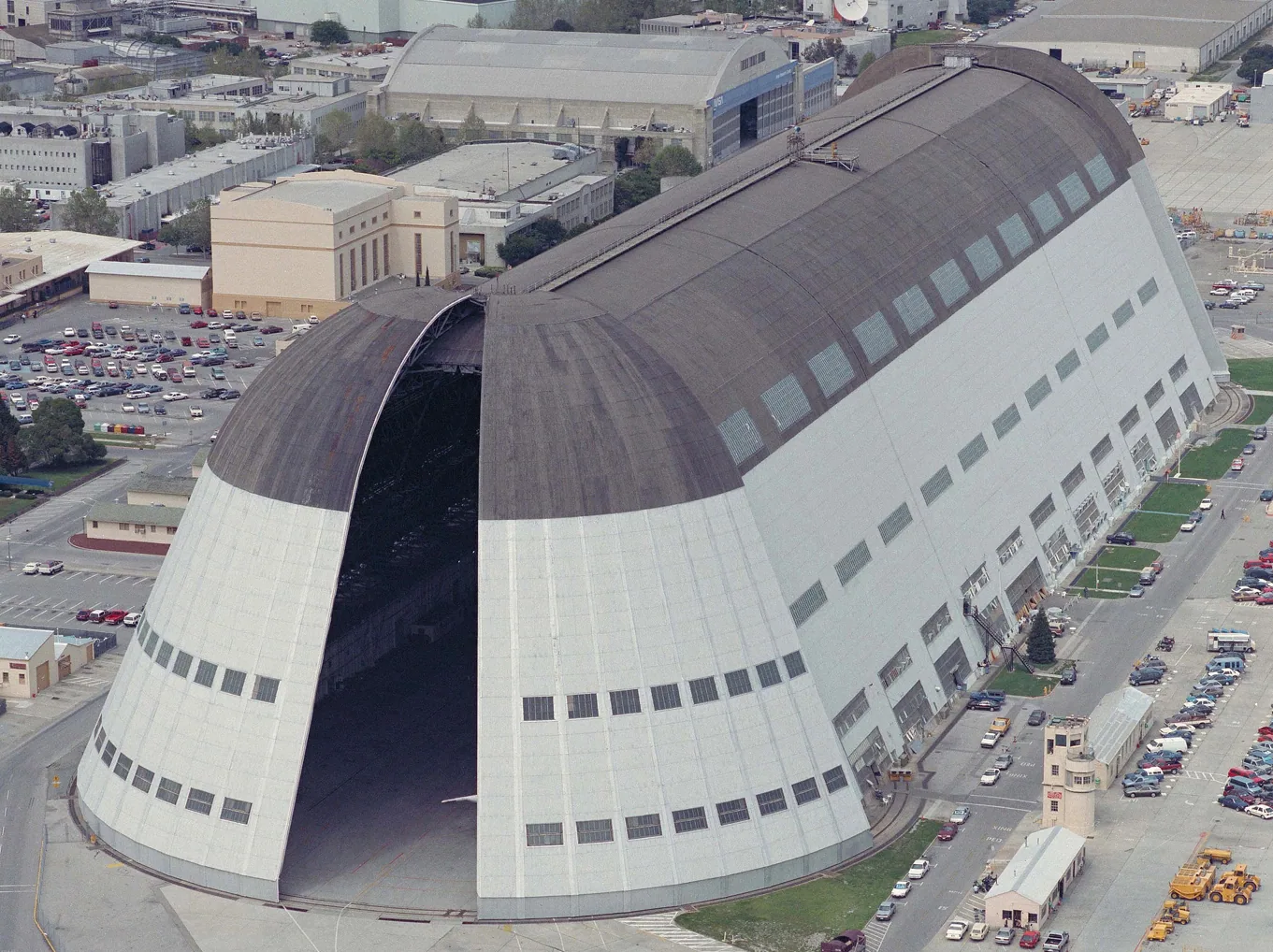
Milpitas commercial roof work for industrial and tenant properties. We inspect seams, curbs and roof drains before setting repair or replacement scopes.
A loading building with a patched membrane beside an exhaust curb needs the surrounding construction checked before another patch goes down. Traffic, equipment movement and incompatible repair material can each leave a different mark. On a Milpitas commercial roof, we identify those marks, examine the accessible seams and record the repair boundary for the property manager. Commercial Roofing Sunnyvale provides repairs, renewal and maintenance in Milpitas and the Sunnyvale, CA market, with work described by roof area and detail.
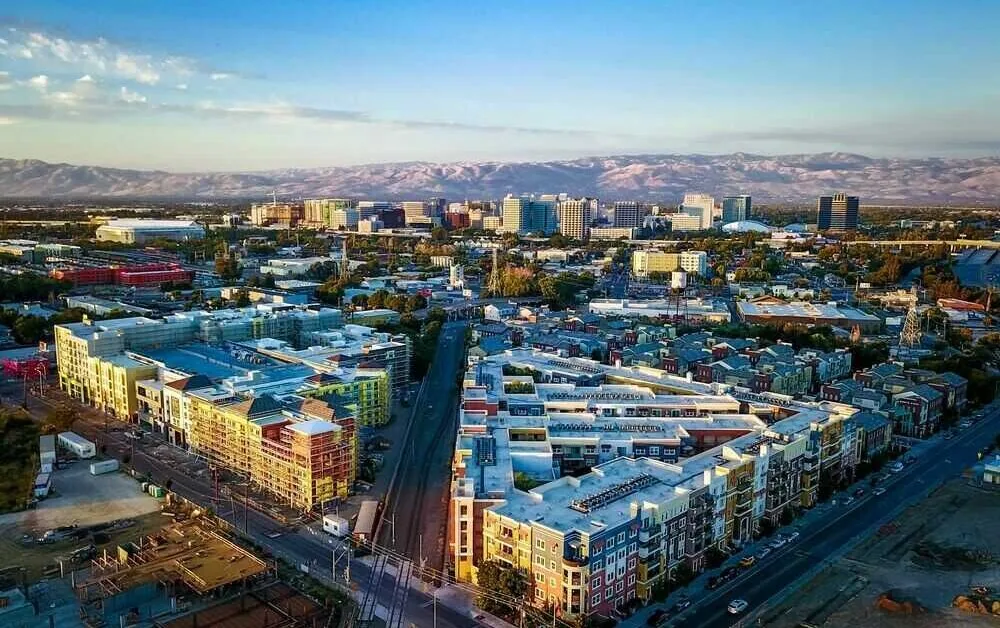
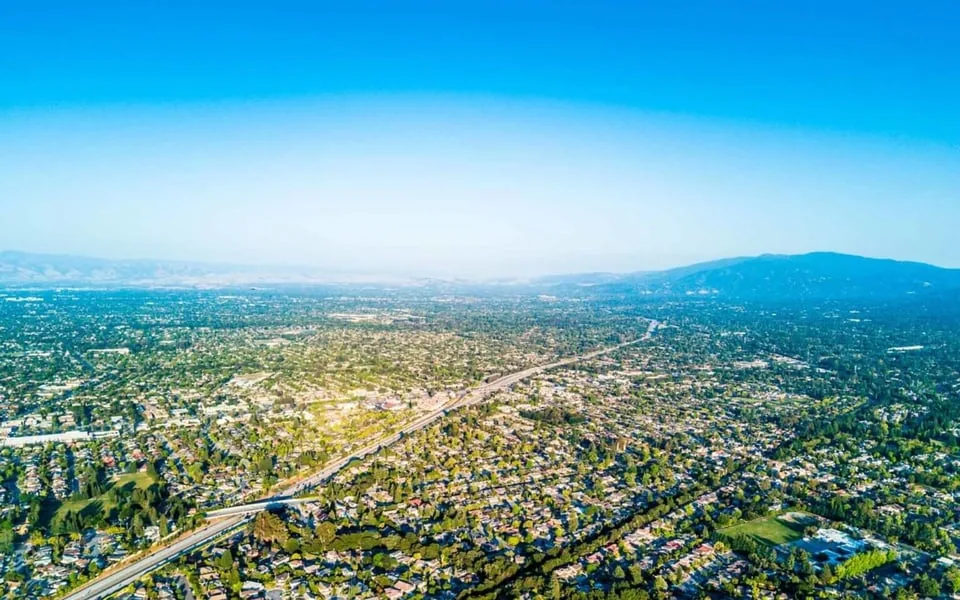
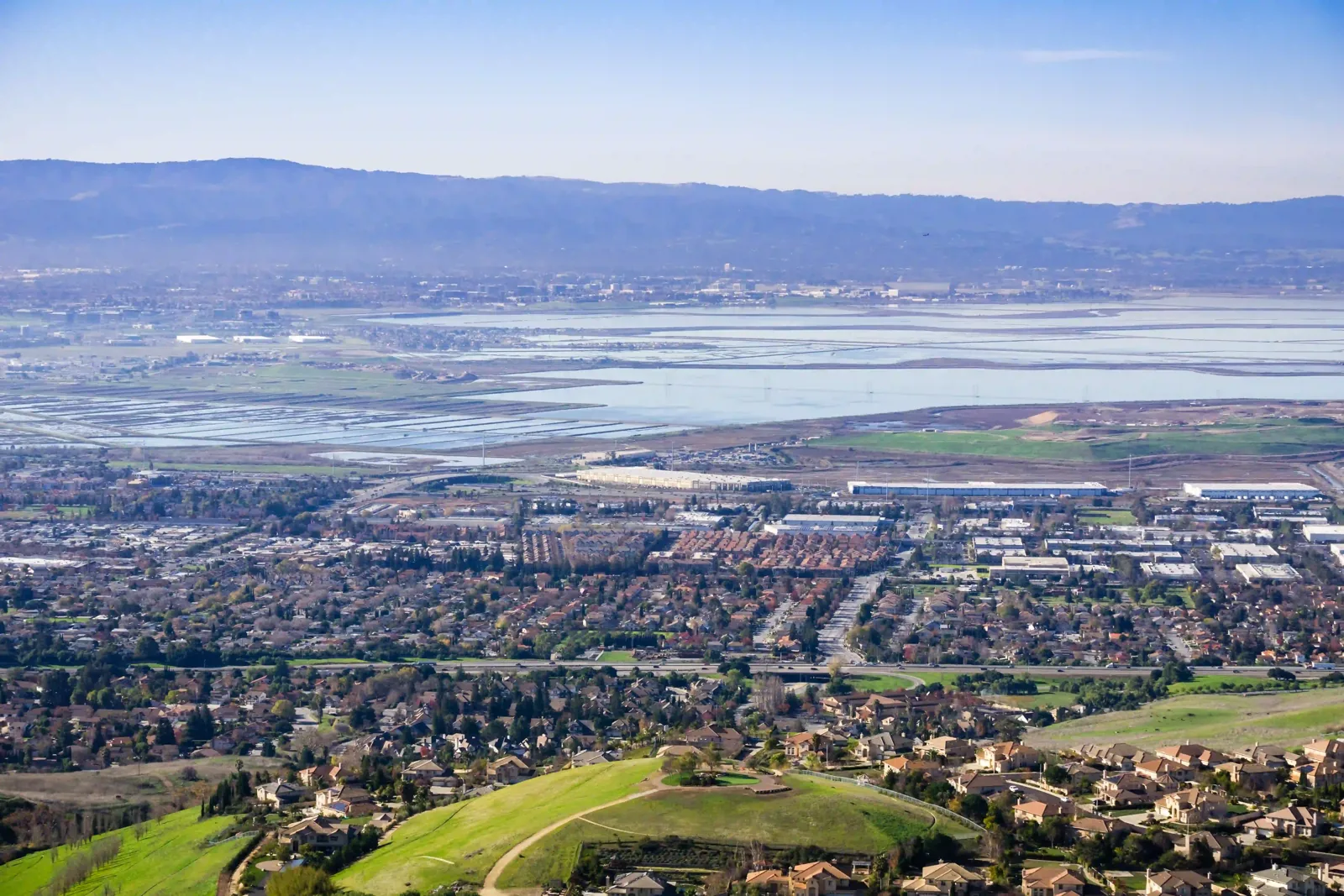
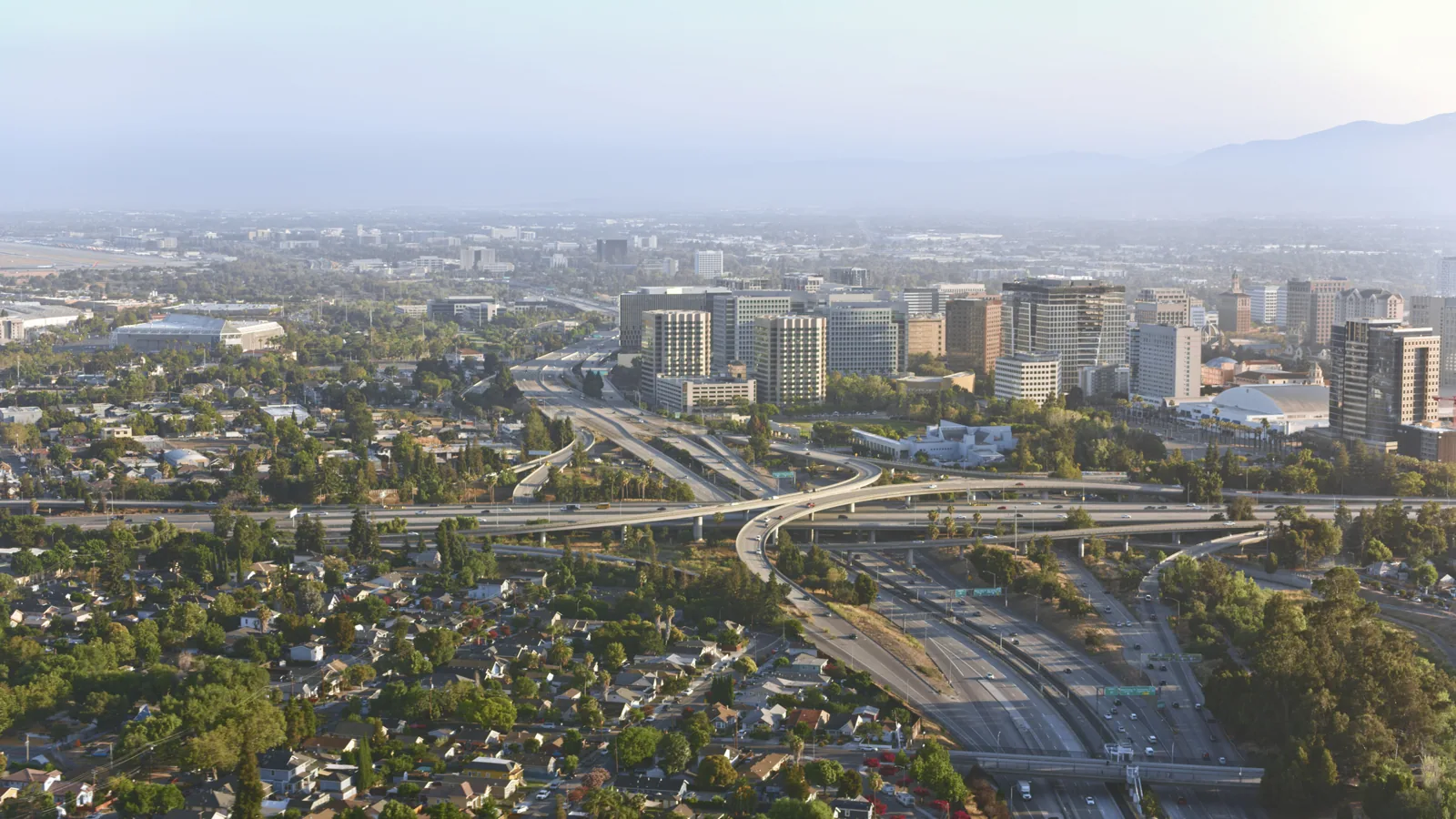
Milpitas has industrial and commercial uses west of Interstate 880, while State Route 237 links it with Sunnyvale. These are useful settings for planning access and coordination. The installed roof system still has to be identified at the individual building.
A groove beneath a conduit support is different from a puncture at a dropped tool. We look at the contact surface, the support condition and how technicians reach the equipment. Repairing the membrane without correcting a moving support can leave the same pressure on the new work. We identify the roofing correction and the support work separately, with the responsible trade handling the equipment. Maintenance routes receive appropriate protection after the repaired material is prepared and connected correctly.
For roofing above storage and loading operations, we agree on interior protections and keep the staging route clear of active dock traffic. Forklift operations and material deliveries belong in the access discussion before roofing supplies arrive.
Inspection photographs distinguish an active opening from a cosmetic mark. We check the field surrounding damage for displaced reinforcement, separation or wet substrate. A clean surface repair requires adequate sound material beyond the defect, with the preparation and overlap that the installed product requires.
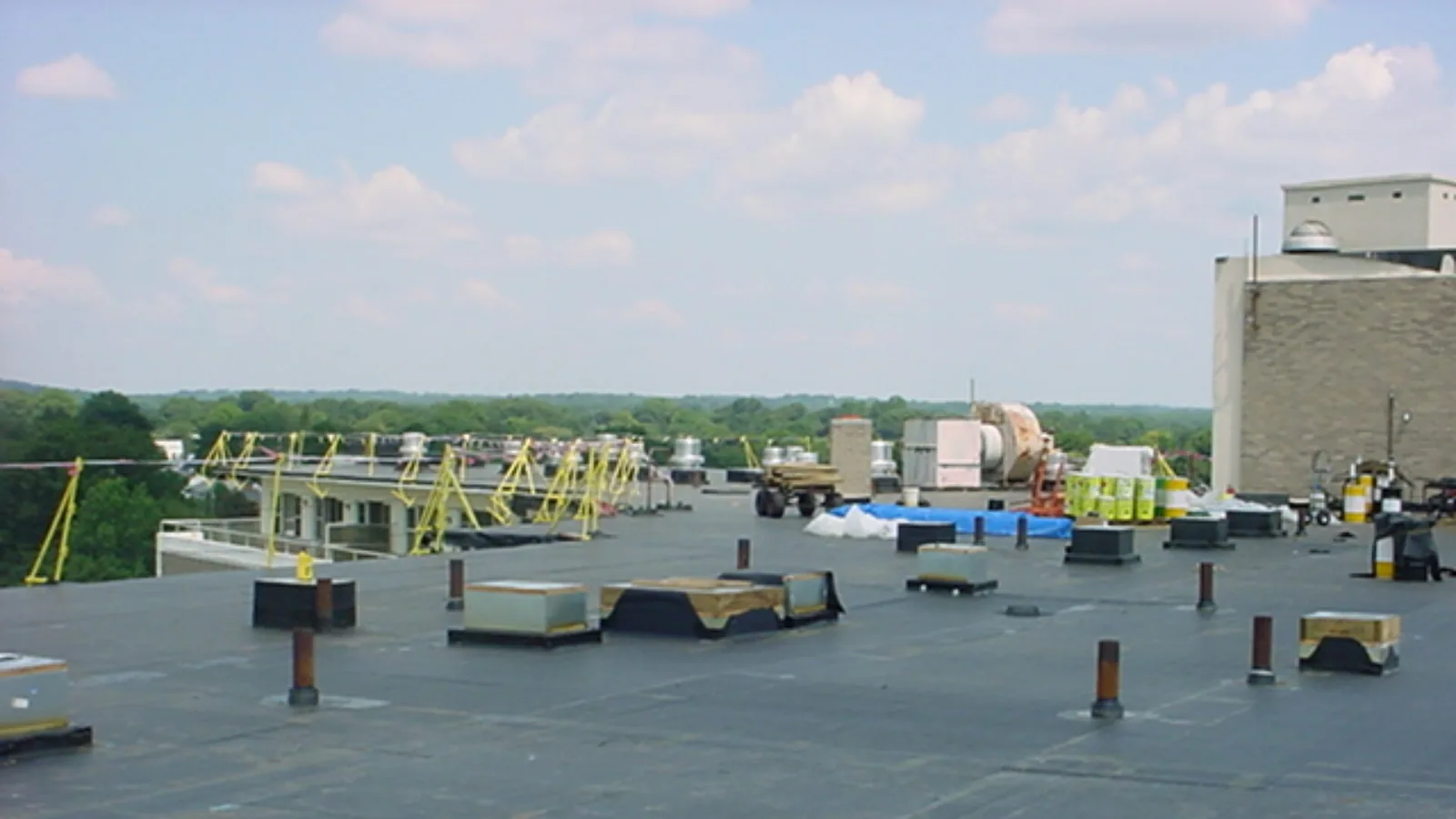
Production changes can add a duct, remove a ventilator or shift a pipe route. The new layout should identify each roof opening and the equipment clearances needed to flash it. We compare the proposed change with what is actually installed, including raised pads, curbs and unused pitch pans. A pan full of cracked filler should not become the receiving point for several additional services just because its location is convenient.
Equipment curb and support corrections require coordination between roofing and the trade that installs or moves the unit. We record the connection we can repair and any equipment work that must happen first.
Managers coordinating nearby North San Jose commercial buildings can use consistent location records without assuming the same assembly is installed everywhere. One property may have an asphalt-based roof and another a welded membrane. The cleaner, reinforcement and connection method follow each system, not the tenant's business type.
A line of residue ending at a drain can show where water has passed, while a ring of dirt beside it may indicate retained water. We look at both the surface and the inlet. Debris removal exposes the clamp ring and surrounding membrane, allowing us to check for separation, loose parts and punctures. A clogged internal pipe needs plumbing work; a damaged membrane at the bowl needs a roofing repair. We explain that distinction so the manager can approve the correct task.
Drain and scupper work on the roof also includes examining visible overflow routes. Changing an outlet or altering roof elevations requires more than cleaning and may need a designer's review.
Before coating is considered, ponding areas and loose repairs should be addressed. The coating must suit the substrate and exposure, with sound, dry construction and the required preparation. An attractive finished color does not reveal trapped moisture or reconnect material that has separated beneath it.
Milpitas lists the 2025 California building and energy codes and its local amendments as applicable standards. We confirm the property address, application status and accepted basis with the Office of Building Safety before describing a reroof for review. A previous permit or tenant improvement may have a different accepted basis. The submission should identify the proposed assembly, attachment, fire classification and the actual details at drains, walls and equipment.
Roof energy compliance is tied to the building and alteration scope, the compliance method and any applicable exception. We coordinate the needed documentation rather than treating a bright surface color as the whole requirement. Insulation changes affect curb height, drain connections and flashing clearance, so those dimensions are examined early.
A recover option also needs examination of existing layers and condition, attachment capacity and applicable restrictions. Where removal exposes a deteriorated deck, the work changes. We state that possibility and the investigation needed so ownership can compare repair and replacement proposals on a useful basis.
A building manager should know which areas remain in service while roofing work proceeds. We identify the daily work zone, material route, disposal location and protection beneath roof openings. The amount removed follows safe closure capacity and the actual application conditions. If equipment must be lifted, its responsible trade schedules that operation with the roofing work. Temporary closures are described separately from the permanent finished detail.
The roofing budget decision for ownership can then compare corrective repairs with larger renewal work. Access costs, damaged substrate, removal and equipment handling may matter as much as the field material.
Properties in San Jose require their own approvals even when the same manager coordinates them. We keep inspection findings and repair authorizations attached to each building. Urgent roof assistance in Milpitas can be arranged overnight, on weekends and during holidays, with safe access and interior hazards discussed at the first call.
A support can conceal abrasion, a split seam or trapped debris at its contact point. We inspect the accessible perimeter and determine whether the equipment trade needs to lift it for a proper examination. The roofing repair should be completed on sound construction before the support is reset with a suitable interface and clear service route.
Dock access can remain in operation only where the work arrangement protects people, vehicles and stored materials. We review disposal and delivery routes with the manager and identify any closure needed beneath removal areas. Keeping a dock open is an operating decision supported by the work protections, not a promise made before the site is examined.
Start with the existing layer count, material condition, moisture findings and structural information needed for the proposed attachment. We examine accessible details and recommend confirmation where concealed conditions matter. Recover may be unsuitable where wet construction or an unacceptable substrate would remain trapped. The comparison should also account for equipment clearance and drainage changes.
Adding filler without checking the services and surrounding construction may conceal a larger defect. We inspect the pan, identify compatible repair materials and coordinate with the trade responsible for the penetrations. Removal of an unused opening can be a better task than repeated filling, but it requires examining the deck and restoring the assembly beneath it.
Give us the building location, affected area, visible leakage and known roof access restrictions. Facility personnel should protect sensitive operations and address electrical hazards. We use the interior information to direct the roof investigation and document the observed connection. A temporary stabilization and permanent correction may need separate approvals if weather or operating restrictions limit access.
Bring us the roof access details and the affected tenant areas. We will walk the Milpitas roof, mark the findings on a drawing and prepare a repair list ownership can use to decide what proceeds first.