Redwood City commercial roofing scopes address altered equipment, leaking joints and damp layers. Plan repairs with a location-marked photo record.
A replacement air handler can cover part of the curb flashing that was accessible with the previous unit. On a Redwood City commercial roof, we look beneath the equipment skirt and examine that remaining connection before recommending a patch. Commercial Roofing Sunnyvale provides roofing work in Redwood City, CA with measurements and photographs that explain the construction task. A manager needs to know whether the repair reaches the failure or only the part visible from the walkway.
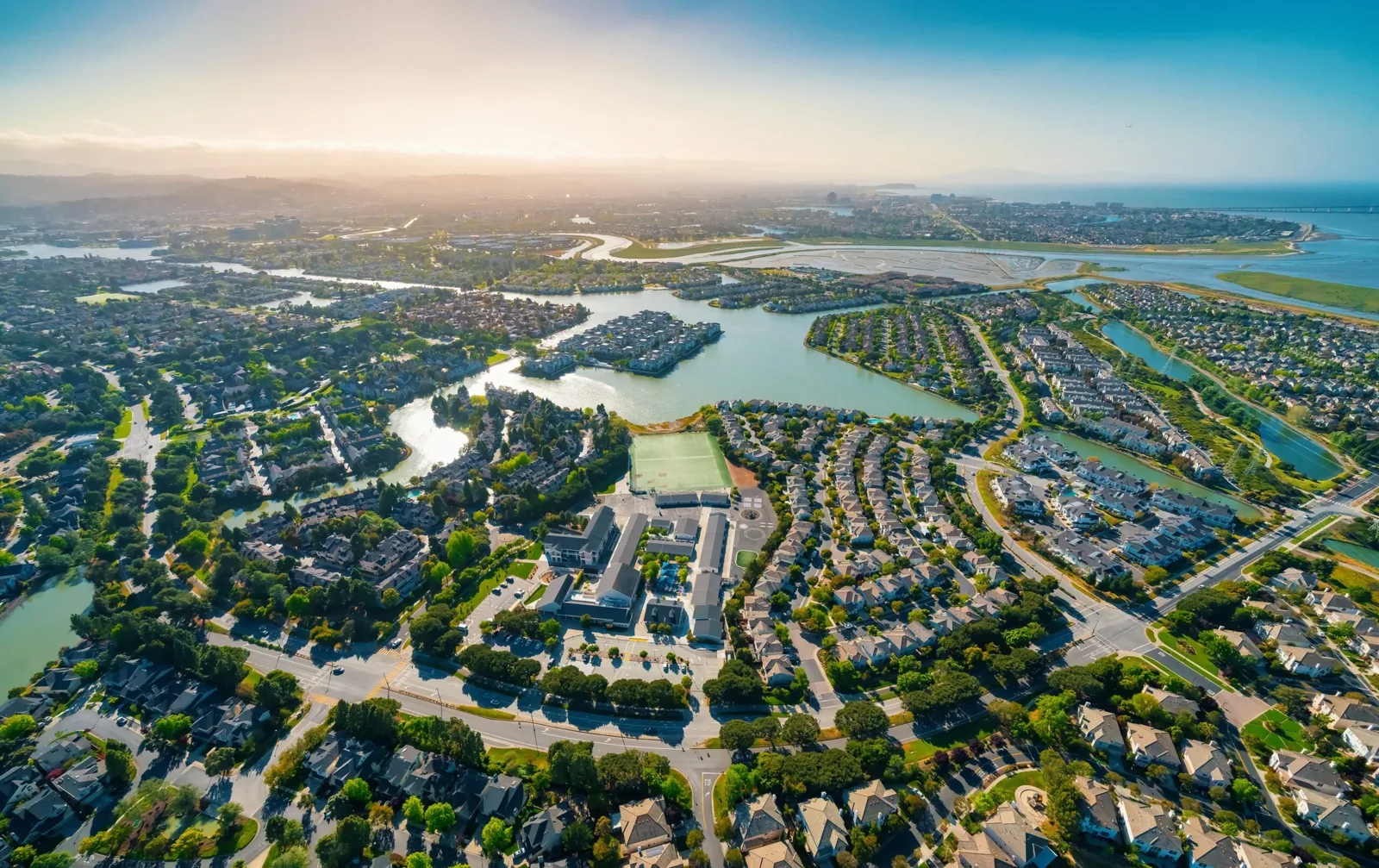
Redwood Shores is a planned business community, and the Port of Redwood City provides a different commercial setting. Roof use, equipment and access need examination at the actual building. We do not infer a covering or drainage condition from a business address; those details are established on the roof.
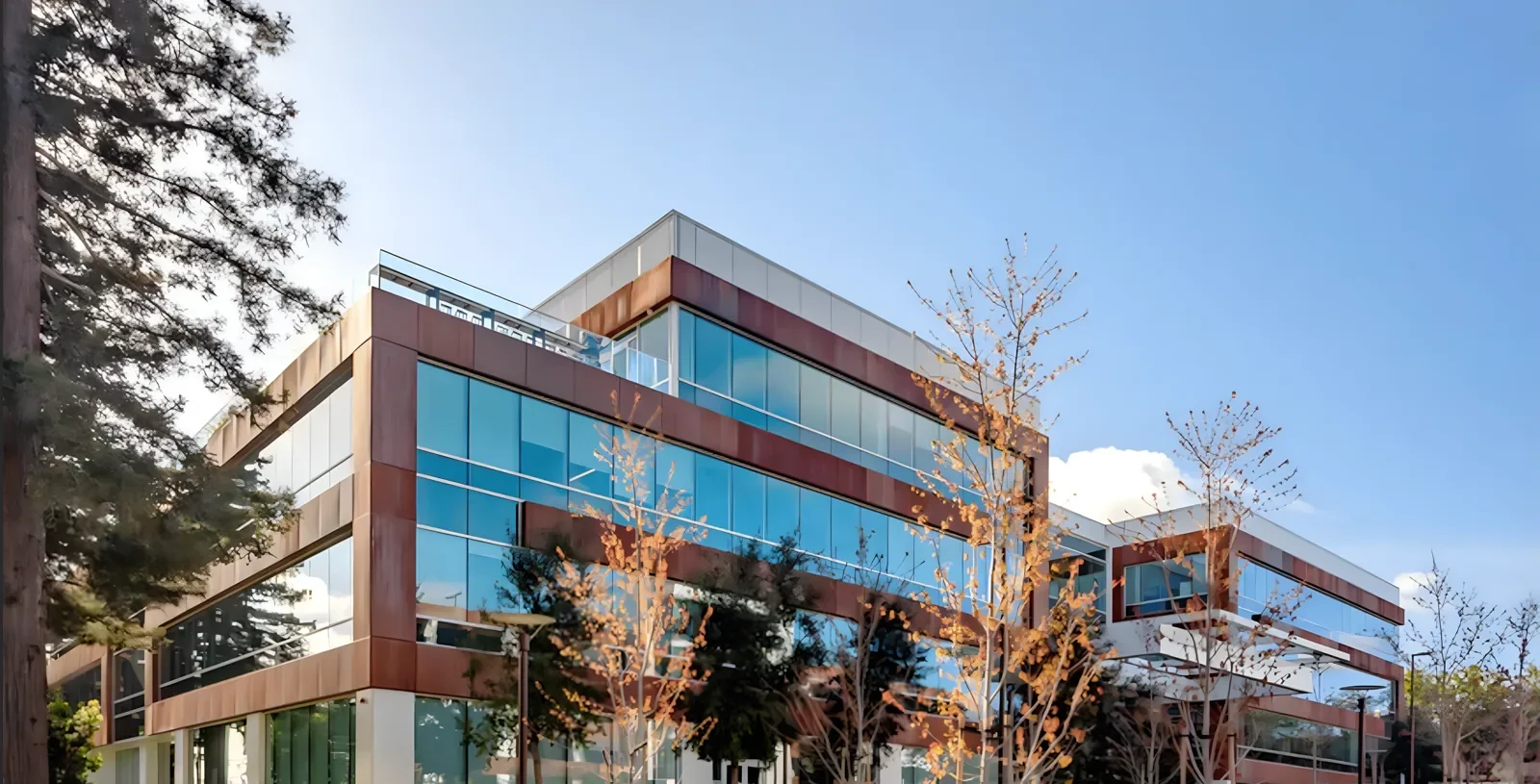
A service vehicle route is part of roof work even where the repair itself is small. Redwood City's US 101 and Caltrain connections help place a property, while the manager identifies its actual delivery entrance, loading restrictions and available staging. We review material movement from that entrance to the roof. A shared loading area may need scheduled handling so roofing removal does not interfere with the building's routine deliveries.
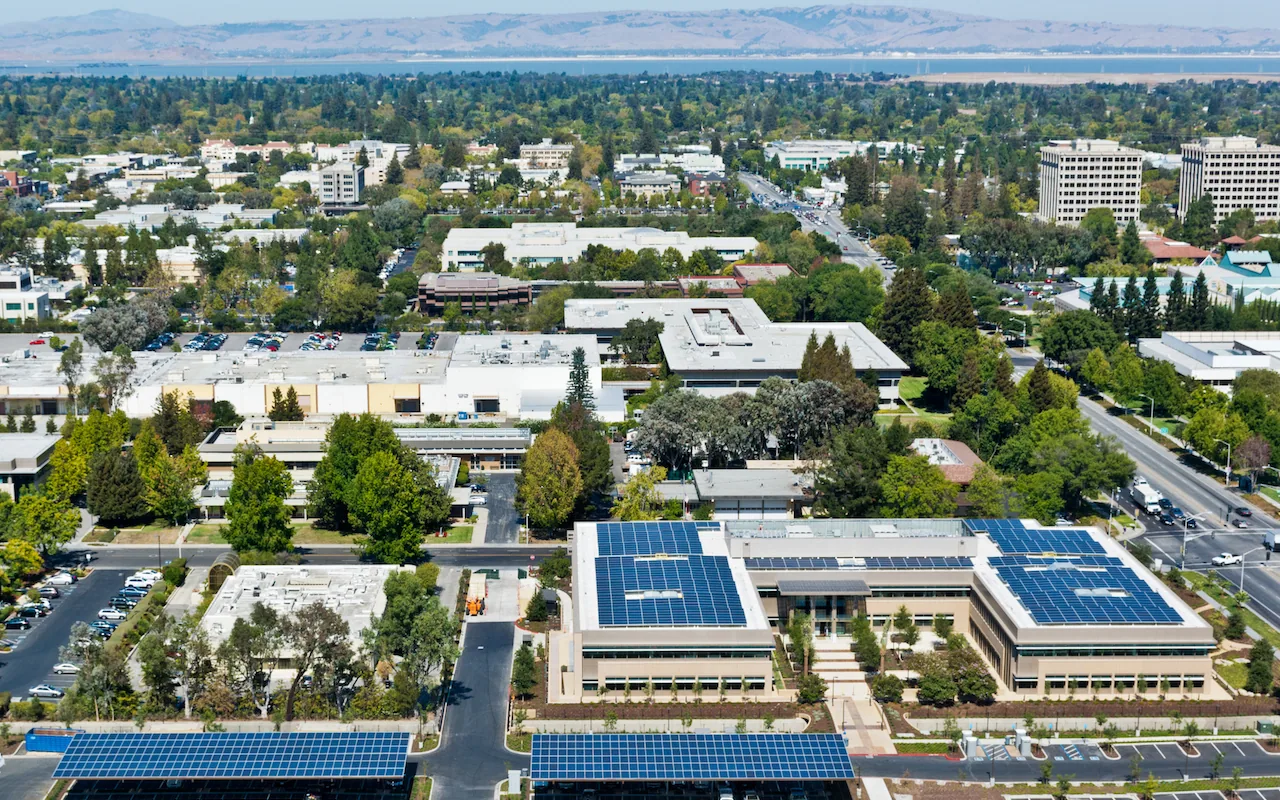
Managers responsible for commercial office roofs receive an examination that includes equipment access and indoor protection. At a building with separate tenants, we map the affected openings and coordinate notices with management. We can arrange visits to related sites in San Carlos or Menlo Park while keeping each building's findings separate.
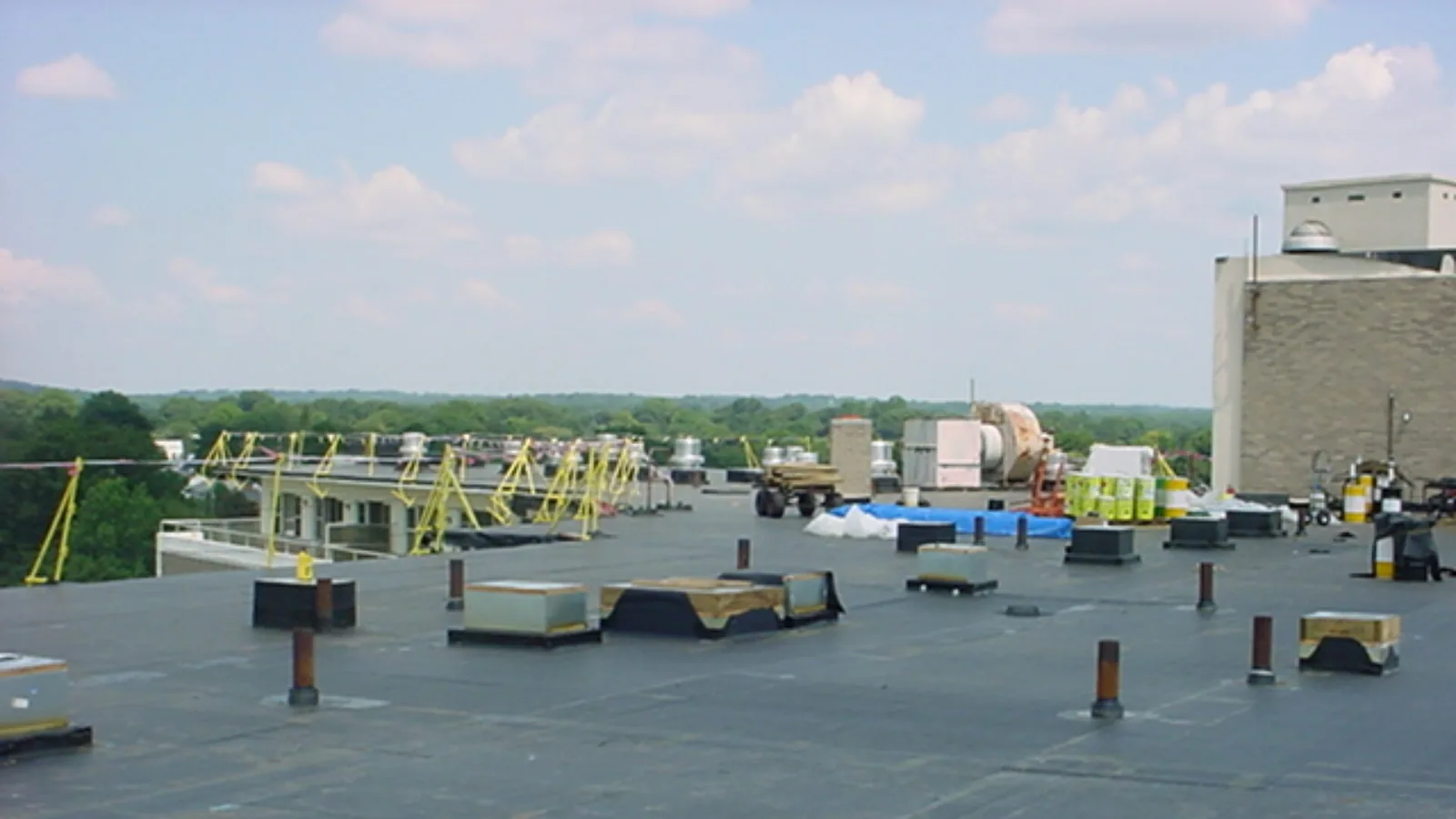
Flashing tucked under equipment can be difficult to clean, bond and test properly. We determine whether the equipment needs temporary lifting or adjustment by its responsible trade to make the repair accessible. A proposal should describe that dependency before the roofing crew arrives. Otherwise an owner may approve a repair that cannot physically reach the connection intended to stop the water.
We examine the field material beside the curb as well as the vertical flashing. Cracking, loose old patching and damp insulation may extend beyond the visible split. Our flashing reconstruction includes suitable backing and attachment, with compatible connections into the retained roof. A finished appearance is useful only when the underlying task is complete.
White surface material can be a membrane, a coating or a treatment over an older assembly. We identify it before selecting the repair components. On a weldable membrane, preparation includes making a suitable receiving surface and checking the new weld after cooling. On other materials, cleaning and bonding follow their required method. Applying an incompatible compound can complicate the next repair and prevent a sound connection beside the present one.
A damaged field area may be suitable for localized roof repair where its edges and support remain sound. If the deck is uncertain or the underlying layers are wet, the scope needs investigation or removal before closure. We explain where the repair boundary is established and where further examination could change it.
A tenant improvement can leave old lines in place beside a new installation. We inspect the support pads, sealed boots and any pitch pans on both routes. The removed system needs a defined closure, not simply a cut pipe hidden under fresh mastic. We check the deck opening, insulation continuity and connection to sound field material. The equipment trade must finish safe disconnection before the roofing closure is carried out.
Service traffic also deserves a route. Walkway pads should lead to the equipment without obstructing outlets or creating a dam across the slope. We record damaged areas along the travel path and correct them before installing protection. Marking the route on the roof plan helps management explain it to later service providers.
A renewal proposal needs an outlet review before the new surface is selected. We inspect the drain clamp ring, scupper throat and visible overflow arrangements, then check how added layers would change their approach. A drain can remain open while surrounding insulation creates a low area that does not discharge to it. Correcting that condition requires a measured slope plan and a suitable transition into the outlet.
Our drainage correction work is limited to the construction examined and specified. Pipe restrictions may require separate testing. Bay proximity or a port address does not establish a rooftop defect; we report water marks, debris and drainage geometry actually found rather than assuming damage from the setting.
The roof scope and exact jurisdiction establish the permit questions for a Redwood City property. We confirm the accepted application basis before assigning construction and energy provisions. Reflectance, insulation and exceptions depend on the compliance method and project conditions. Existing curb heights and door clearances must be considered with those requirements so a selected assembly can be detailed at its connections. Retain photographs that show the closing edge, adjacent drain and any work left for another contractor so the building team can verify the phase.
Occupied work needs an agreed sequence for openings, noise and material handling. We identify the rooms beneath planned removal and the fresh-air intakes beside it. A temporary closure is specified for work that cannot be completed in one shift. Active leak assistance can be arranged around the clock, including weekends and holidays, followed by a permanent scope that accounts for what the initial control could not reach.
For Redwood City work, confirm the building operator and delivery route for the particular commercial property. A business-park or street name does not identify who controls a loading area or roof hatch. Set the daily opening limit, temporary weather closure and contact who can accept the finished section. If a concealed repair adds deck, insulation or metal work, keep the changed quantity and trade dependency beside the original approval before moving into the next roof area.
The failed connection may sit beneath equipment that prevents adequate preparation or testing. We identify that obstruction and describe the required equipment movement before scheduling roofing. The responsible trade handles the equipment task, and we complete the water connection once accessible. The estimate should show both dependencies instead of leaving the manager to discover one during the repair.
Identification comes before selecting a coating. The exposed surface may include earlier treatments that affect adhesion, and the assembly may contain wet or loose layers. We inspect those conditions and test preparation where appropriate. A suitable coating is one part of the work; defective flashing and unsuitable substrate still need their own correction.
Keep them in the record until proper closure is established. We mark the location, identify whether the old equipment remains connected and describe the roof opening underneath. After removal, photographs of support, insulation and the final connection provide a useful completion record rather than leaving an unexplained patch for the next tenant.
The curb or flashing design may need adjustment rather than simply carrying the new surface up the remaining exposed edge. We measure the existing clearance and compare it with the proposed thickness. That allows the equipment and roofing tasks to be resolved together before construction, including any change needed at doors or roof outlets.
Walk the roof details with us. We will locate photographs on a roof plan and give ownership a repair list that includes equipment access, removal limits and unresolved investigations.