Alviso commercial roofing with careful drain, flashing and access checks. We document roof defects separately from ground-level flooding concerns.
A low-slope roof near bayland open space can collect debris at its outlet without showing an obvious tear in the membrane. We examine the inlet, the adjoining field and the route water takes across the roof before recommending work. In Alviso, a manager also needs to distinguish roofing leakage from ground-level water entering the property. Commercial Roofing Sunnyvale handles commercial roof repairs and renewal in this San Jose community and the nearby Sunnyvale, CA market, with findings kept at their actual locations.
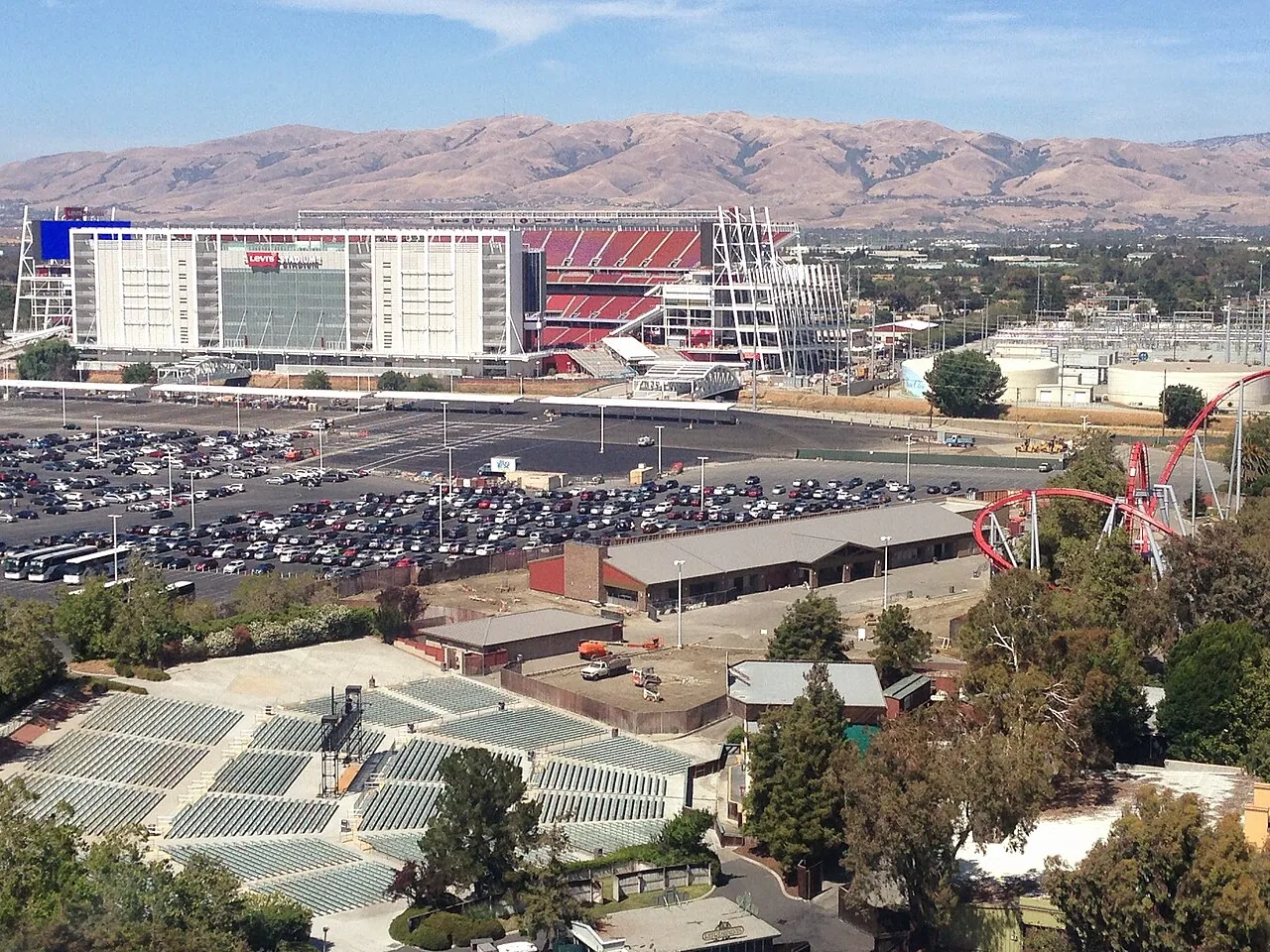
The Don Edwards San Francisco Bay National Wildlife Refuge has its Alviso Environmental Education Center on Grand Boulevard. That bayside setting makes clean material handling and careful access planning relevant. It does not establish salt damage, flooding or an installed roof type at another property.
An interior wet area after heavy rain needs its entry route identified. Water can come through a roof connection, a wall opening or a ground-level entry. We inspect the accessible roof details and use interior observations to narrow the investigation. A mark below a curb may warrant closer flashing examination, while water at a doorway may require building-envelope or site drainage work. We do not combine these into one roofing diagnosis because they occurred during the same storm.
The investigation of water entering through a roof identifies what was observed and what remains unresolved. A specialist may be needed where the evidence leads beyond the roofing assembly.
Ground-level access also affects the roofing visit. A wet or obstructed delivery area can make lifting and unloading unsafe even where the roof itself is dry. We establish safe access with the manager before moving supplies, and we record any restriction that prevents examination of a roof area.
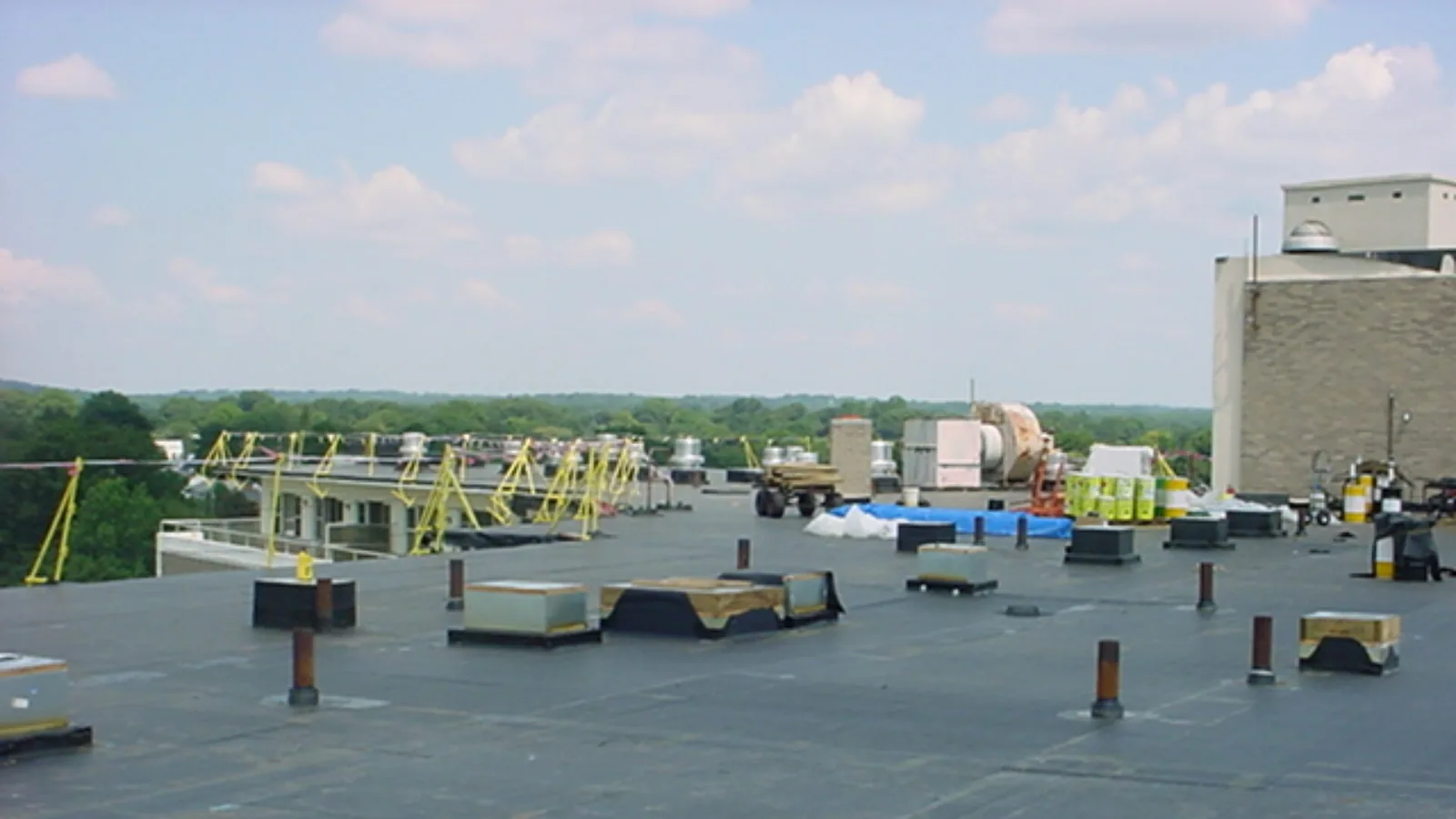
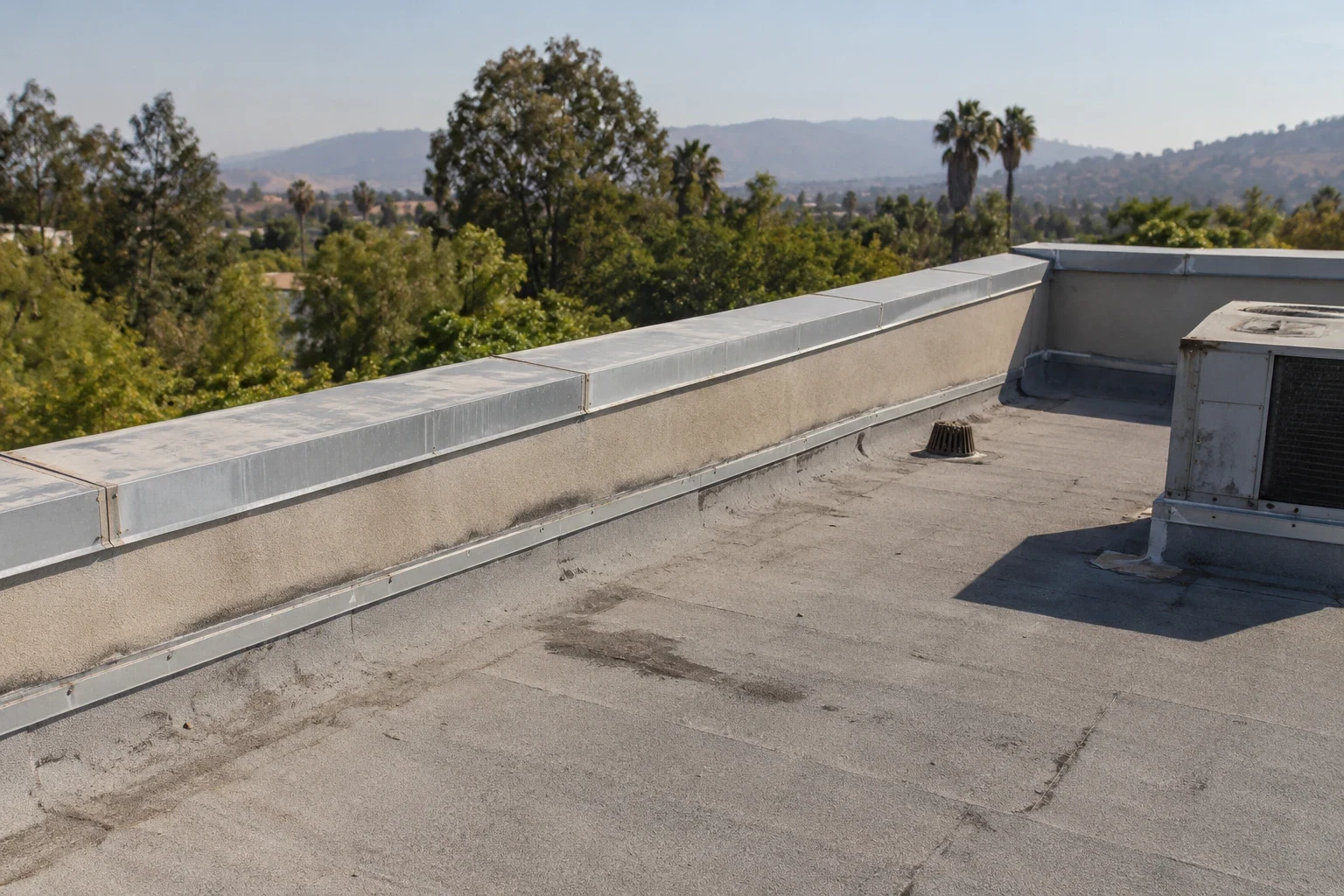
A drain strainer can be clear at its top while compacted debris remains underneath. We remove accessible material carefully and inspect the membrane around the bowl, looking for loose fastening, splits or a disturbed clamp ring. The inlet connection has to suit the installed roof covering. Sealant spread over the visible edge is not a substitute for correcting a failed connection beneath the ring. We photograph the defect before preparing and closing the repair.
With roof outlet repairs and cleaning, the scope separates roofing work from internal plumbing. A blocked pipe or downstream restriction needs its own examination and responsible trade.
We also trace visible flow paths around curbs and raised repairs. Persistent retained water may reflect the roof elevations, rather than debris alone. Altering those elevations or changing overflow arrangements calls for the appropriate design review. Cleaning cannot turn an unsuitable slope into an accepted drainage arrangement.
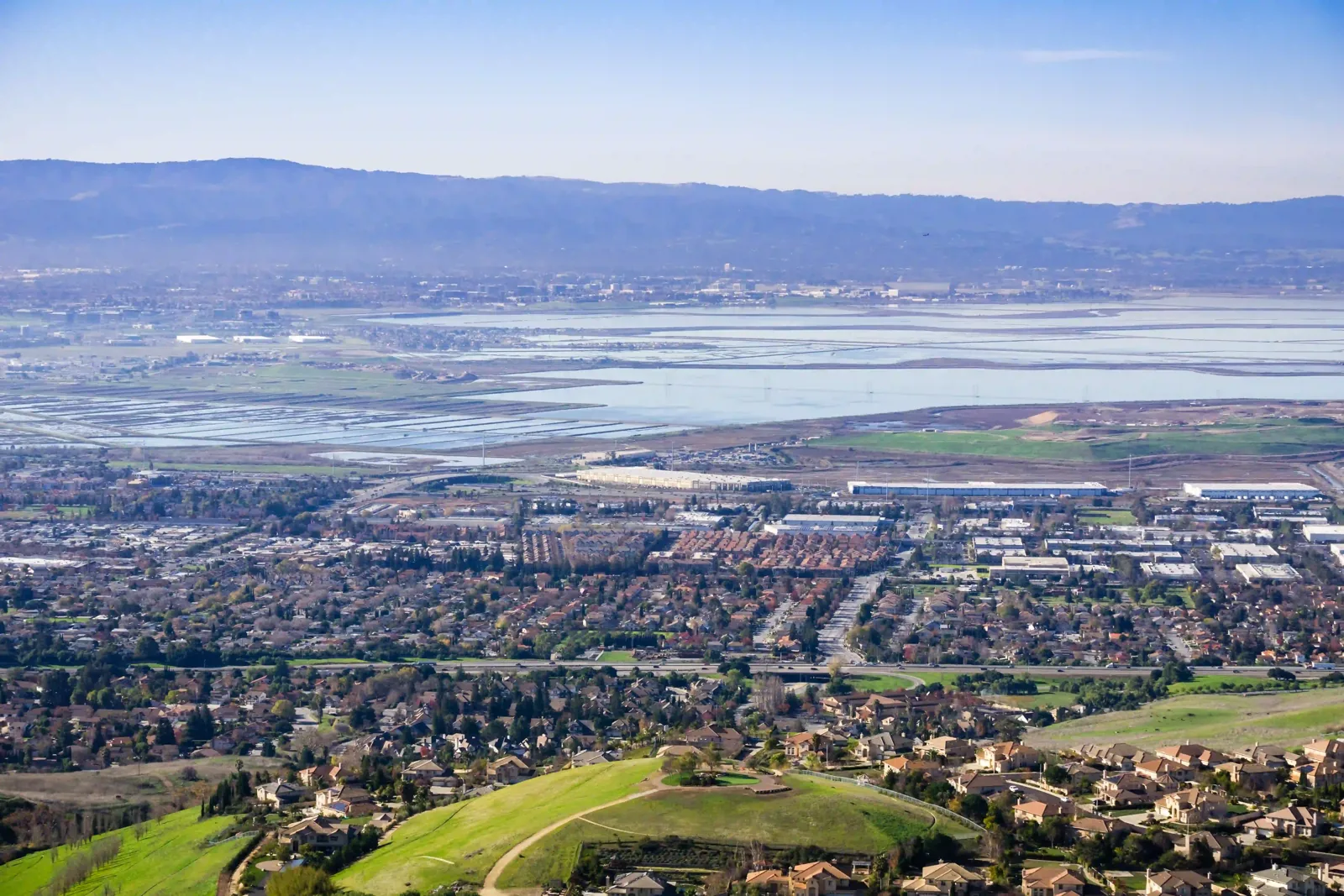
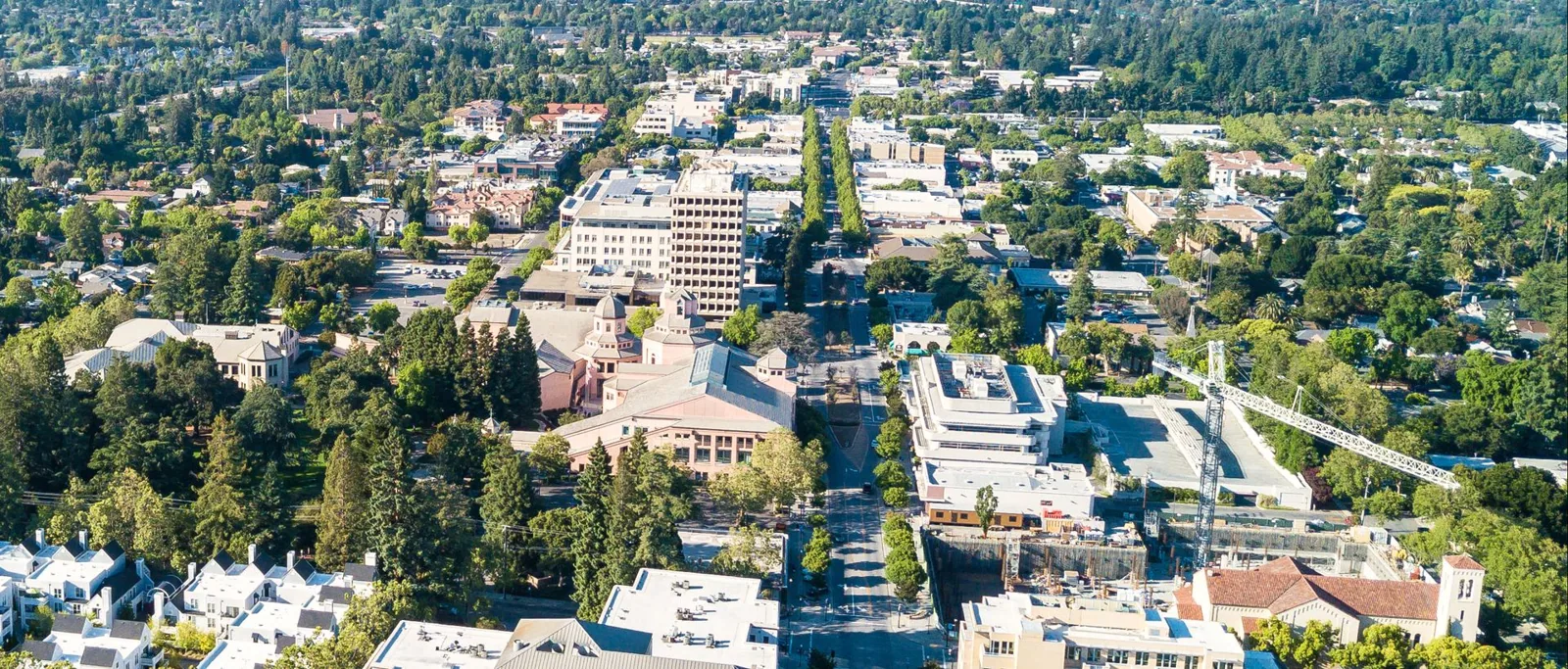
Loose scraps and opened containers should stay under control wherever roofing work occurs. Near Alviso's bayland setting, we plan a contained staging area, secured materials and daily debris collection. The roof edge is not a storage location for lightweight insulation or removed membrane. Delivery, lifting and disposal arrangements are settled with the property representative so construction waste remains within the work controls and leaves the building through the agreed route.
At a facility near the refuge's Grand Boulevard location, operating restrictions and environmental requirements need to be identified before construction starts. We follow the requirements that apply to the actual property; proximity alone does not tell us which permissions are necessary.
Commercial managers coordinating nearby North San Jose roof work should retain separate access records. The city planning area and the Alviso community are not interchangeable labels for permit or operating purposes. The roofing scope uses the building address and the responsible authority.
A corroded fastener at a metal panel and a puncture in a single-ply sheet need different work. We identify the covering, inspect the surrounding construction and determine whether the detail remains serviceable. Metal roofing examination considers panel joints, fastener movement and flashing connections. Membrane work considers surface condition, seam integrity and the substrate beneath the defect. The repair product must be compatible with the material it joins and the exposure at that location.
Repairs to standing seam metal construction may require controlled movement rather than a rigid surface treatment. We examine the panel connection before suggesting a method that could obstruct its intended behavior.
For a deteriorated low-slope assembly, confirmed moisture and attachment condition affect the choice between repair, restoration, recover and removal. Wet layers do not become suitable because a coating can hide them. We outline the further investigation needed where concealed conditions prevent a sound decision.
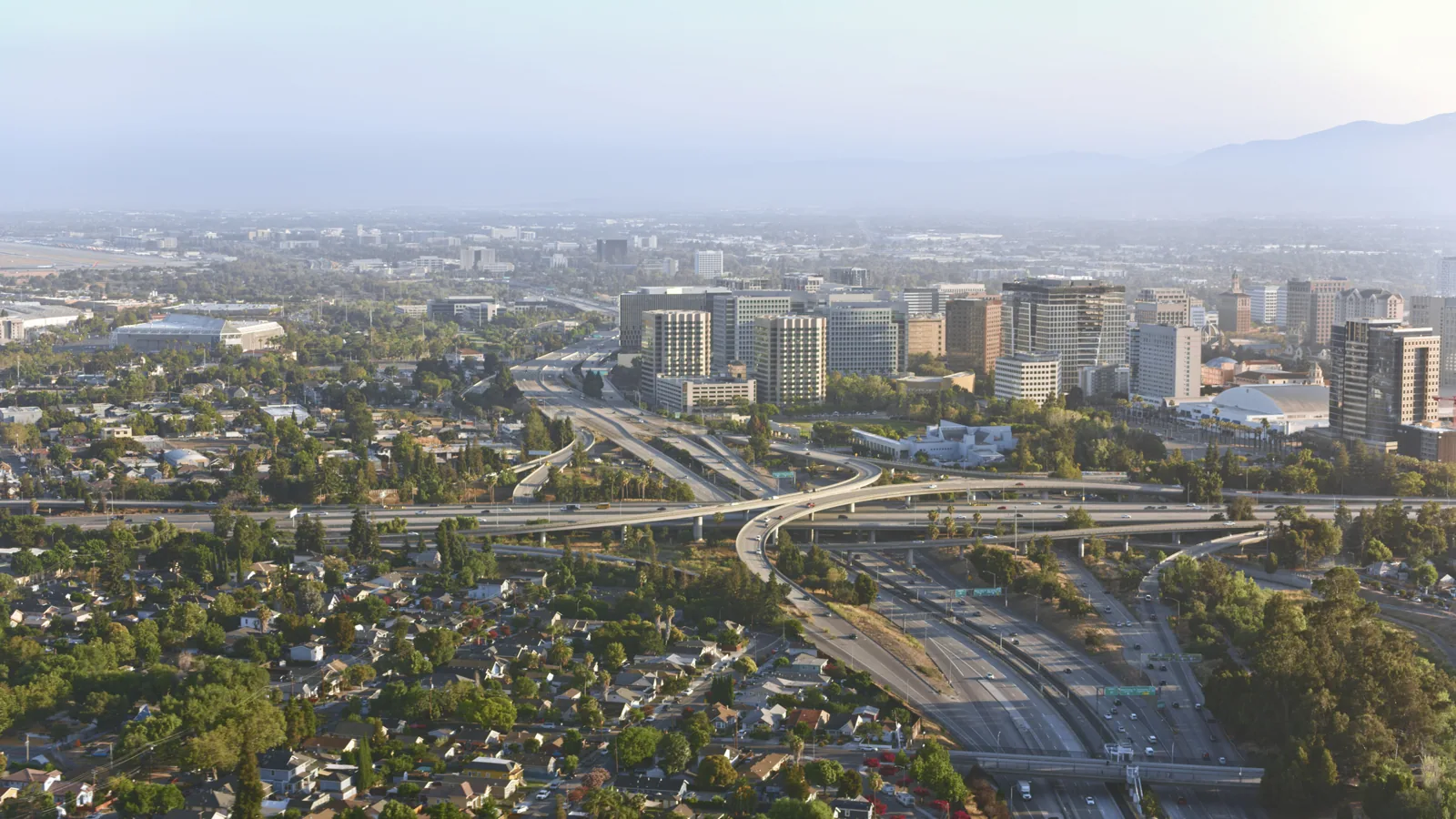
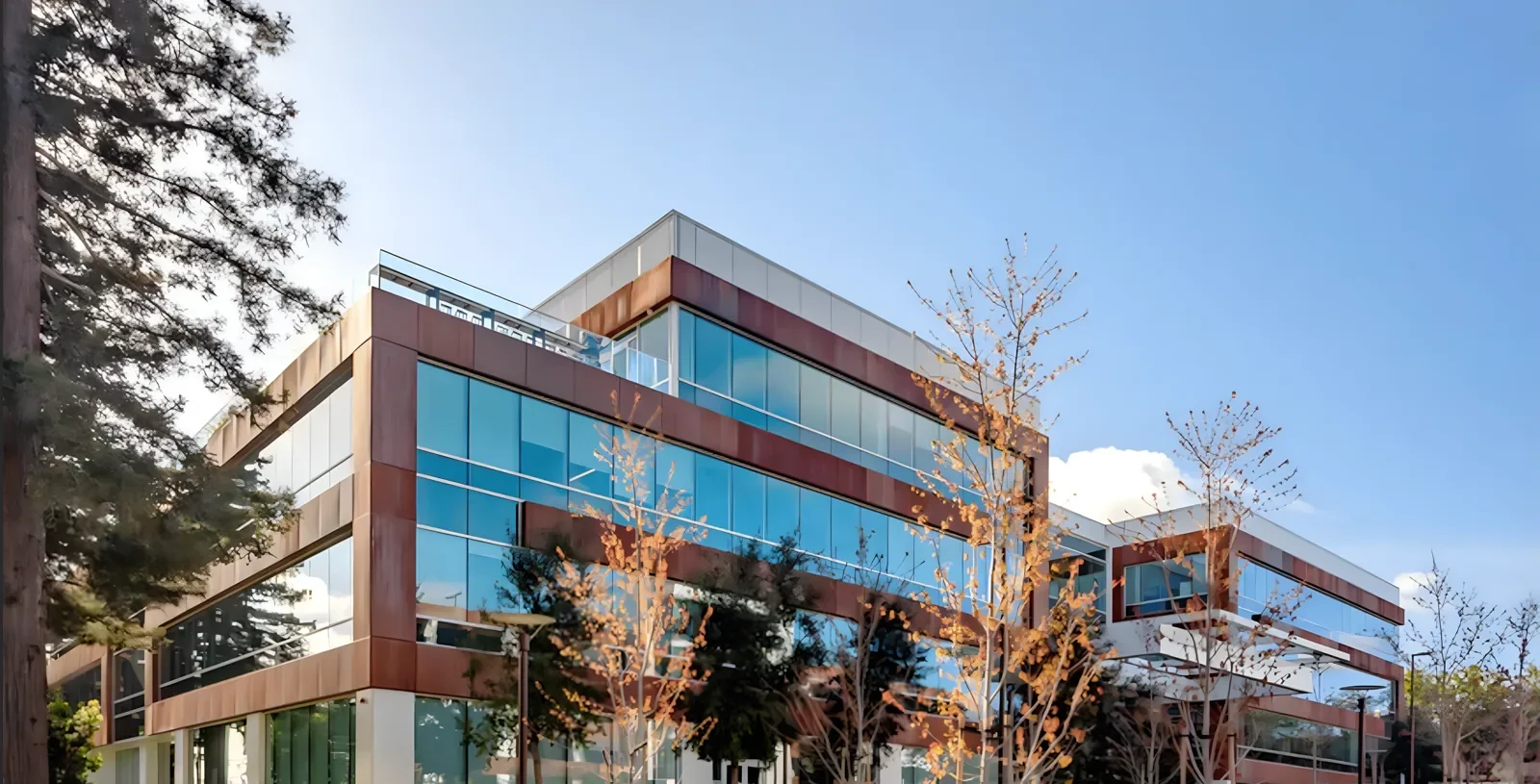
Alviso roofing projects require the actual property jurisdiction and San Jose permit requirements to be checked, along with any specialized authority for the facility. The accepted building-code basis and project scope determine the submission. California roof energy provisions depend on application timing, alteration requirements, the compliance route and applicable exceptions. We coordinate those questions with the designer rather than applying Sunnyvale amendments to a San Jose address.
Photographed roof findings identify the proposed roofing tasks, remaining investigation and any design or plumbing involvement. Completed detail photographs then show which work was performed and where the next examination should return.
Owners with another property in San Jose can retain a common reporting format while keeping each approval and roof record distinct. Our urgent roofing assistance extends to nights, weekends and holidays. Active ground flooding, unsafe electricity or inaccessible roads must be addressed by the responsible personnel while safe roof access is arranged.
We examine the roof details and compare them with the interior entry pattern, but some investigations require wall or site drainage specialists. A roof defect should be supported by observations at the connection. Tell us where water first appeared and which routes were affected. Photographs taken during the event can help separate roof leakage from ground-level entry.
Location alone cannot establish material damage. We inspect the panels, coating, fasteners and connections and photograph the actual condition. Localized corrosion may require a detail correction, while widespread deterioration can change the renewal recommendation. The proposed repair follows the installed material and the observed damage instead of an assumption about the property setting.
Remaining water can indicate a depression, a raised repair or an outlet set above the adjacent surface. We examine the visible elevations and membrane connection, then identify whether design review is needed. A plumbing check addresses the pipe itself. Repeated cleaning is useful only where debris is the cause of the obstruction.
Safe access controls the work. We coordinate with the manager about delivery routes, electrical hazards and the condition of the roof access point. Personnel responsible for flood and utility safety must resolve unsafe conditions. Once access is appropriate, we can examine the roofing defect and describe a temporary stabilization suitable for the actual material and conditions.
Keep the marked roof drawing, before and after photographs, installed repair material and the limits of the investigation. Record any pipe, wall or site drainage question separately. That separation helps the next service visit return to the right detail and prevents a roof repair record from being mistaken for resolution of an unrelated water-entry problem.
Arrange an Alviso roof walk with photographs of the affected interior and available access information. We will prepare a marked repair list that separates roof connections, drainage questions and other building tasks for ownership.