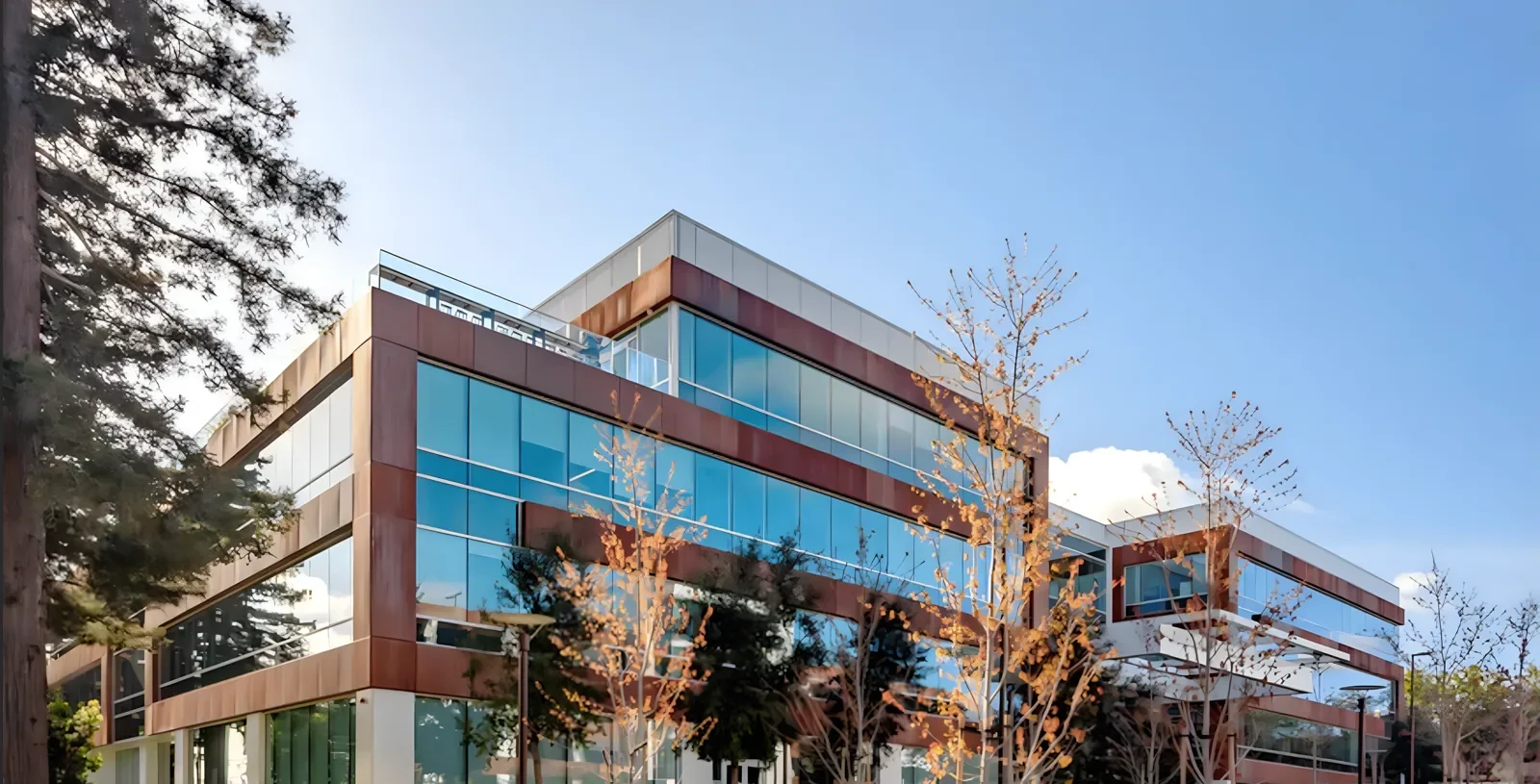
Newark commercial roofing work examines loading-area roofs, changed supports and membrane repairs. Prepare clear tasks for ownership approval.
A loose equipment support above a loading area can leave a rubbed strip in the membrane before anyone reports a leak. Newark property managers need the contact corrected as well as the damaged covering repaired. Commercial Roofing Sunnyvale provides commercial roofing in Newark, CA with the affected parts named and photographed. We identify what the roofing work can accomplish and which equipment adjustment must precede it.
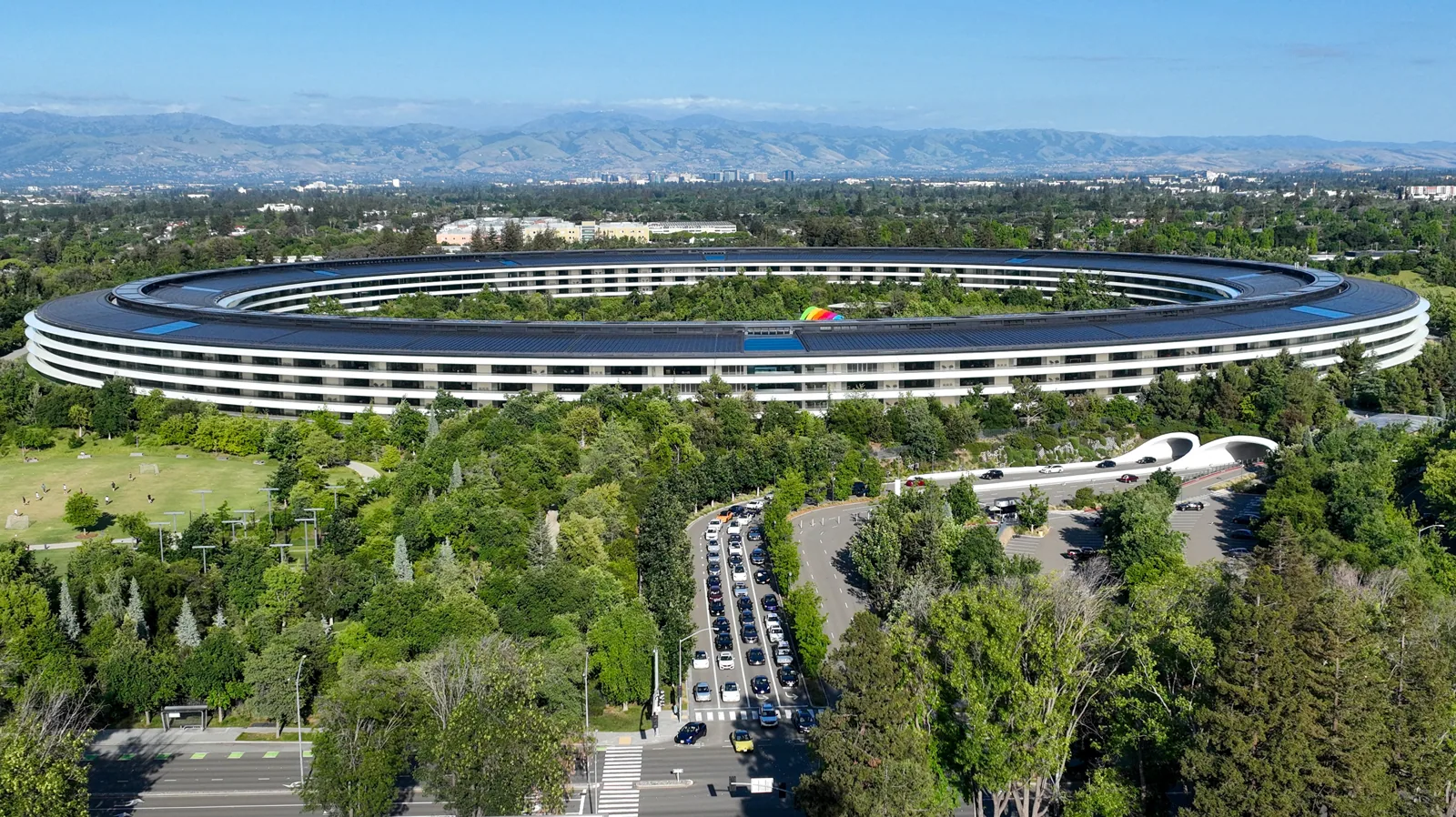
Lucid Motors and Cargill's salt refinery are part of Newark's commercial activity, while NewPark Mall represents a different operating setting. Those uses lead to different questions about roof access, tenant hours and material handling. We examine the actual property and its installed construction before assigning a roof system or proposing a removal limit.
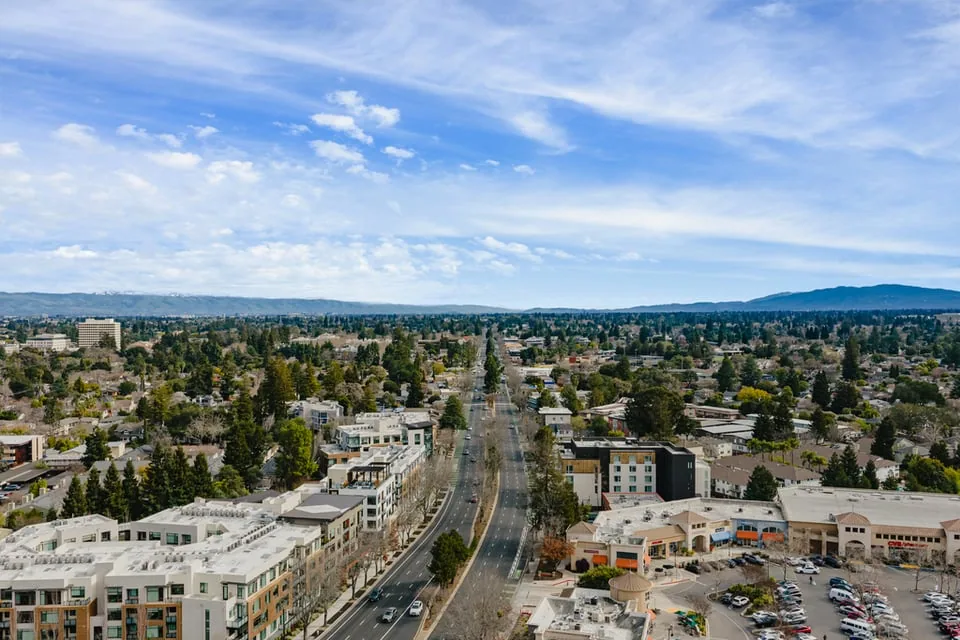
Interstate 880, State Route 84 and the Dumbarton Bridge serve Newark. A property manager still needs to identify the actual gate and loading route for roof materials. We review delivery conflicts, roof access and the area available for removed material before work is scheduled. A loading dock may be suitable for ordinary freight but unavailable for roofing debris during operating hours, which can change the handling method. Where multiple tenants share the yard, identify which party controls each route and who can revise the daily delivery plan.
Our work on warehouse buildings includes examination of the occupied areas beneath proposed openings. Stored goods, indoor equipment and ventilation can affect protection and removal limits. We can also arrange roof visits for related buildings in Union City and Milpitas, keeping the access plan specific to each property.
On a Newark commercial or industrial property, confirm the delivery window, loading route and roof access with the operator whose work may share the yard. Do not assume a property entrance remains clear during a shift change or trailer movement. Mark the overhead zone and the route for removed roofing, then agree on a temporary closure at the end of each period. If supports or unused units need trade work, assign those actions before roofing closes the connections.
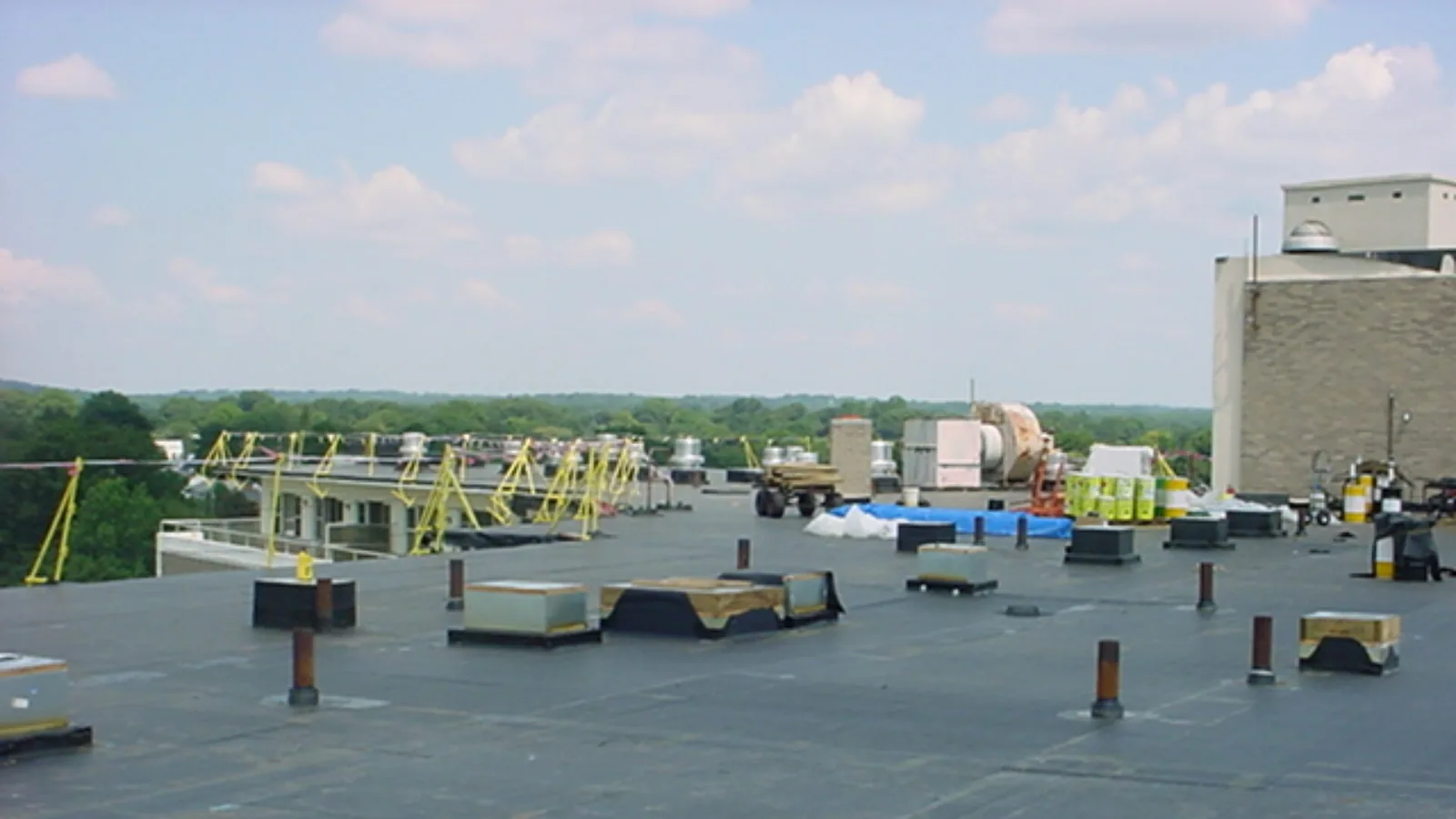
A conduit support should hold its load without leaving an unsuitable contact point against the covering. We inspect the pad, the surrounding seam and the line it carries. Movement or unsupported weight may need attention from the responsible trade before we prepare a durable patch. A new repair directly beneath an unchanged rubbing point remains vulnerable to the same mechanical damage.
Removed equipment needs a different task. We locate the abandoned penetration and determine how the opening has been closed through the deck, insulation and field material. Safe disconnection belongs to the equipment trade. The roofing closure then needs suitable backing and a compatible connection into material that can support the repair, with the completed position recorded for management.
A split beside a raised seam can be difficult to patch if old material has hardened or earlier repairs obstruct the usable margin. We inspect that margin and establish the preparation area before selecting the repair piece. Cutting away loose material may reveal damp insulation or a support question beneath it. Those findings change what must be restored before the surface can be closed.
Our repair work on commercial roof surfaces follows the installed assembly. Welded repairs are examined after cooling; adhesive or asphalt-based connections receive their appropriate preparation and checks. Mixing repair compounds without identifying the existing covering can leave an unreliable bond and complicate the next corrective task.
An exposed surface near equipment may contain deposits that interfere with a coating or repair bond. We identify the condition found and assess the preparation needed rather than assuming that a refinery or industrial address proves contamination on a particular roof. Cleaning, test patches and examination of underlying layers help establish whether the proposed treatment has a suitable receiving surface.
Roof restoration with a coating needs failed details corrected before the finish goes on. Wet layers, loose material and unsuitable connections remain separate construction tasks. We explain those tasks alongside coating preparation so ownership can compare restoration with sectional replacement or broader renewal on the same basis.
A clear drain strainer is not the whole drainage examination. We look at the approach from surrounding roof areas, inspect the drain clamp ring and check visible overflow arrangements. Debris caught behind a support can keep water upstream of the inlet. If the outlet is higher than the adjoining field, repeated cleaning cannot correct the slope that leaves water behind it.
Our examination of roof drainage connections separates surface work from any downstream plumbing test. We describe the available discharge path and identify where additional investigation is needed. Near the Don Edwards National Wildlife Refuge, as elsewhere in Newark, the property setting does not establish the performance of an individual roof outlet.
A replacement scope must show the retained and removed layers and how the new roof connects at equipment, walls and outlets. We measure clearances before adding thickness. A curb adjustment or outlet reconstruction can affect sequencing and cost as much as the field material choice. We include those dependencies while the manager can still compare options, along with a procedure for deck conditions that cannot be confirmed until removal.
Project requirements follow the actual address, responsible authority and accepted application basis. Roof energy provisions depend on the scope, compliance approach and applicable exceptions. We confirm those items before specifying a required insulation or surface change. For occupied premises, management also approves the working route, indoor protection and noisy task hours.
Emergency response can be arranged outside regular working hours, including nights, weekends and holidays. The first action limits active water entry where access permits. A subsequent examination defines the permanent repair, its preparation and any wet-layer removal rather than treating a temporary covering as completion of the underlying construction task.
First examine whether the support still causes the damaging contact. If it does, the responsible equipment trade needs to resolve that condition before the permanent roofing repair. We can provide necessary temporary water control and identify the affected surface, then finish the repair after the support arrangement is suitable for the new connection.
The actual exposure and assembly guide that choice. We examine deposits or equipment discharge where present and consider compatibility, drainage and substrate condition. A general industrial address does not establish a chemical exposure on its roof. The recommendation explains the observed conditions that matter rather than selecting material solely from the tenant business.
The handling route may cross a dock or service area needed by daily operations. We discuss that conflict with management and identify a suitable schedule or alternate route before mobilizing. The roof opening limit and daily closure still need to be practical for the agreed shift, including protection for the spaces and goods beneath it.
The record should show the supported deck closure, the restored insulation and the finished water connection, each related to the roof location. Hidden layers are easiest to document before covering them. We also identify any equipment disconnection or structural question still pending so the manager can distinguish the completed roofing portion from the remaining work.
Arrange a roof walk for the support, membrane and drainage details. We will mark the photographs on a roof plan and prepare specific repair tasks for ownership.