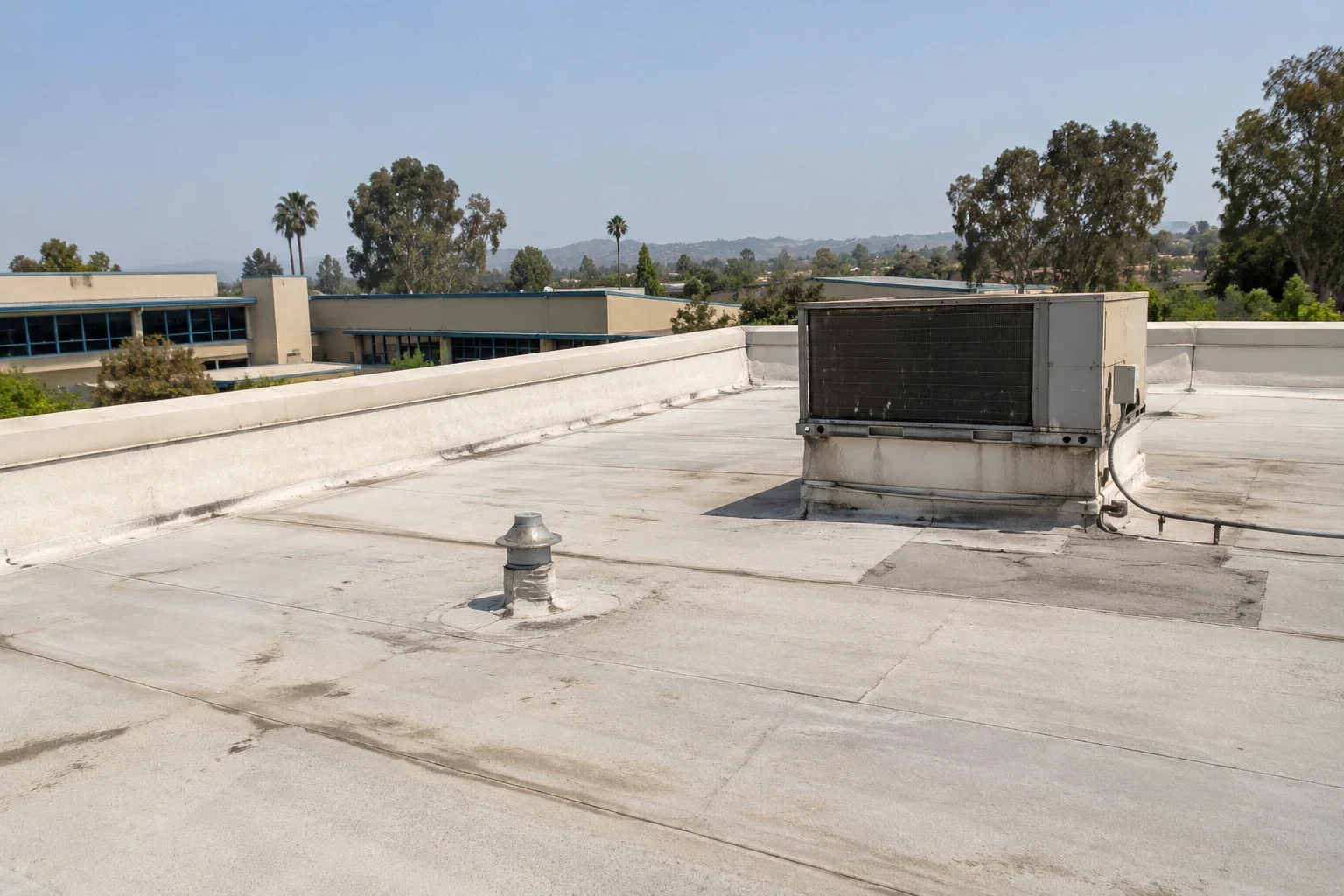

Sunnyvale aircraft hangar roofing examines door headers, roof joints and discharge routes. Get a defined repair scope with aircraft and operational protection.
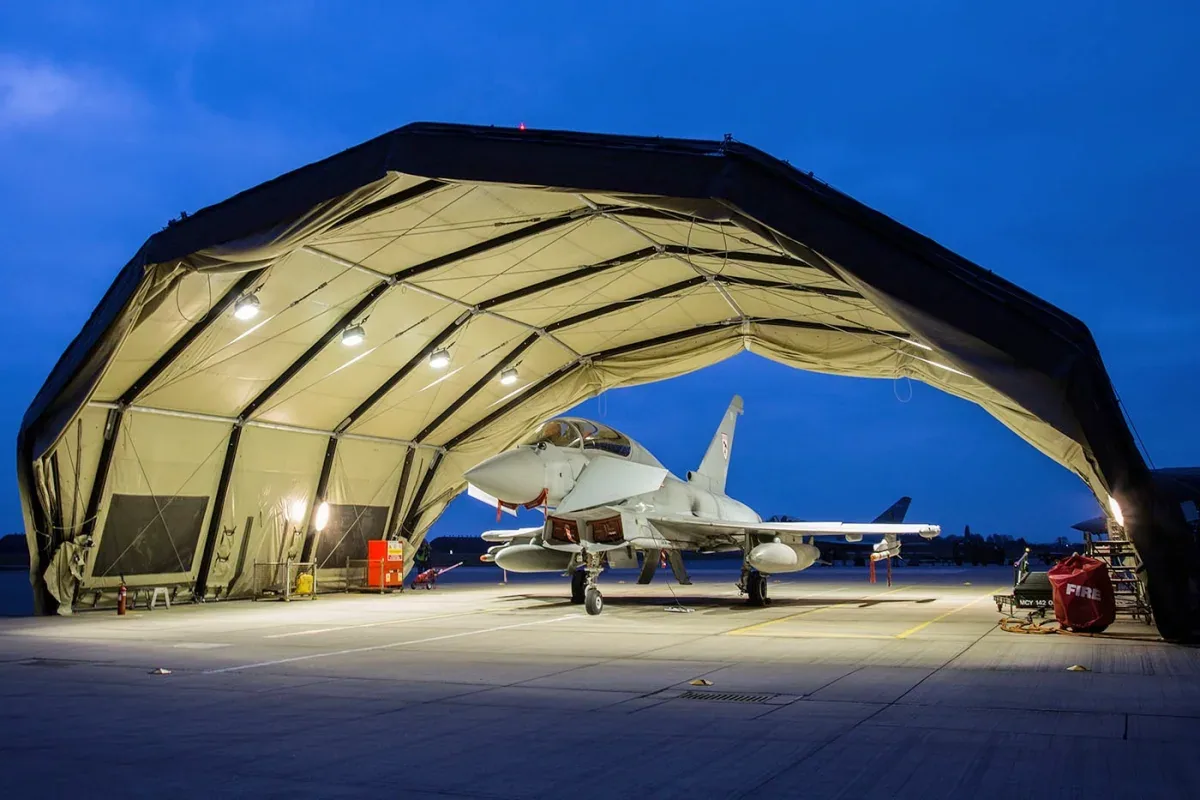
A hangar door header can hide the point where roof runoff first crosses into an aircraft work area. The roof-to-wall connection, gutter and door framing must be examined separately before a seal is selected. Aircraft hangar roofing near Sunnyvale, CA calls for an inspection record that follows the water route without assuming the roof and door are one assembly. Commercial Roofing Sunnyvale marks the affected bay, identifies the field material and states whether a door specialist or structural designer must join the correction.
The Moffett Field Armed Forces Reserve Center building program included hangars alongside administrative, storage and assembly uses. Adjacent facility functions can need different work controls. Hangar roof work in the Moffett Field setting starts with the actual building, its authority and permitted access rather than an assumption that all nearby hangars share an owner or approval process.
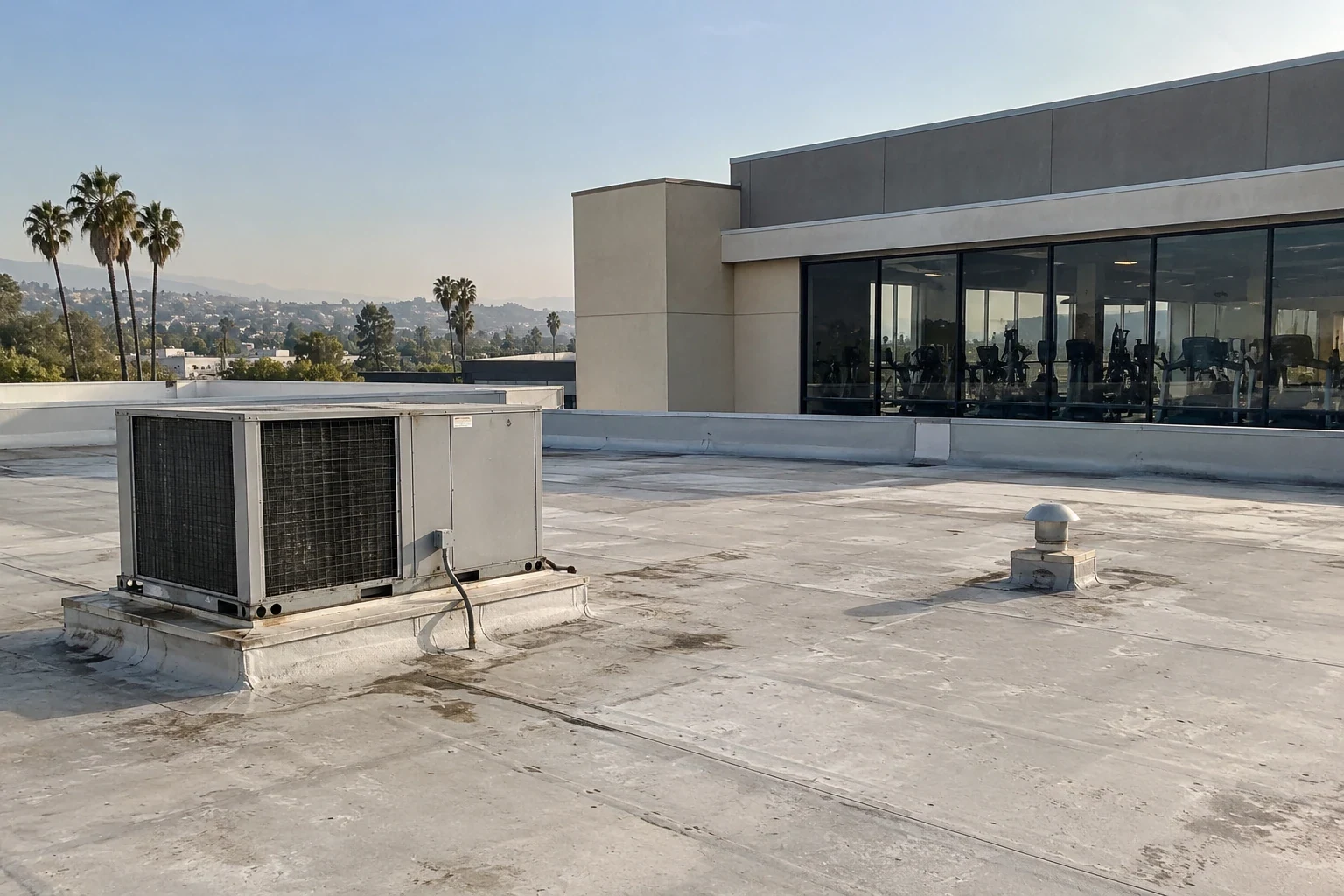
We examine the connection above the door, panel end laps, gutters, curbs and any step between roof levels. A moving joint needs a detail that accommodates its movement. Rigidly sealing a connection between independently moving parts can transfer stress to a new location. The report identifies the visible displacement and the limits of our examination. Door alignment, framing deflection and structural support are evaluated by the responsible specialist; the roofing scope describes the weather seal that can follow their correction.
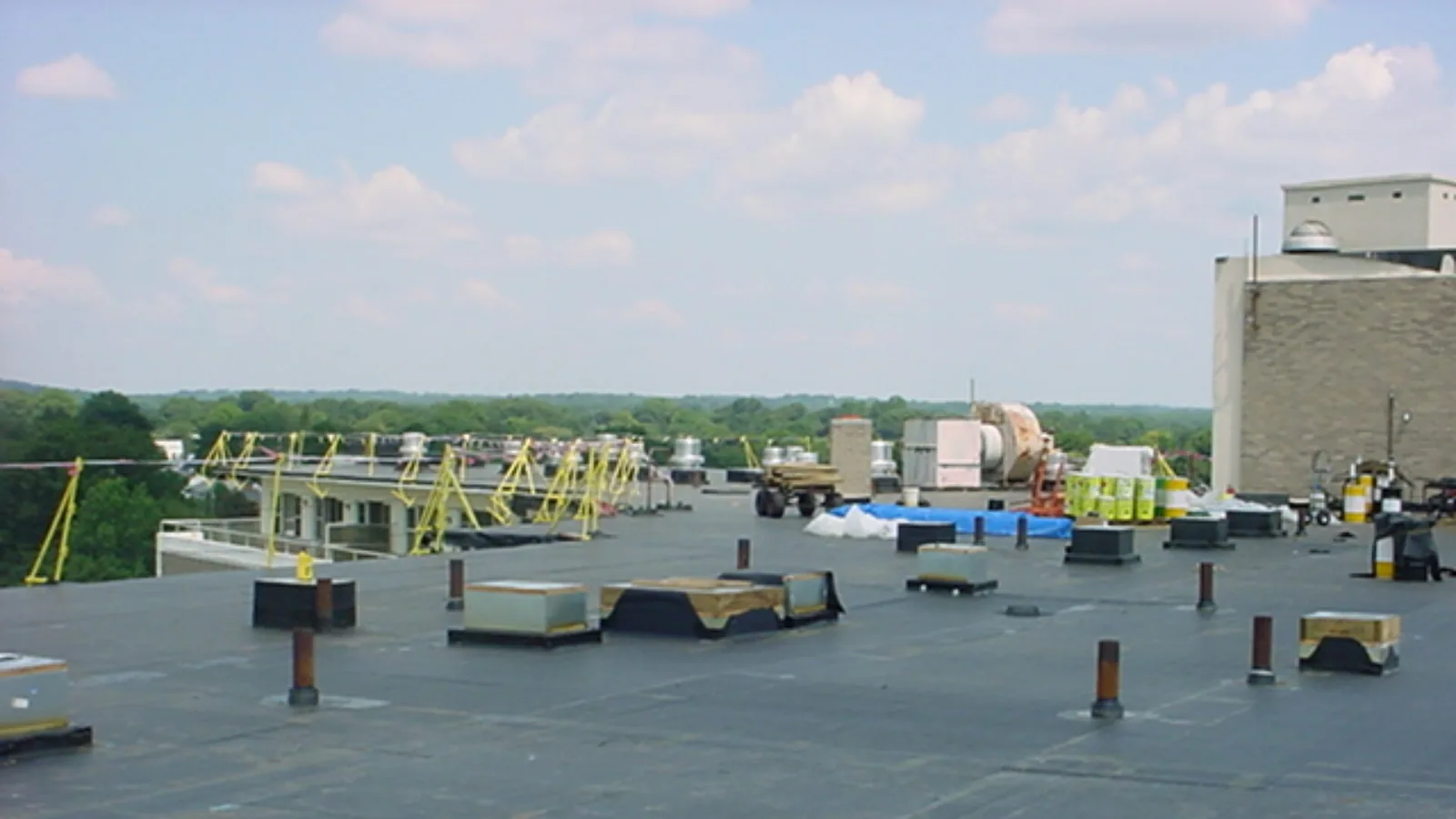
The main roof may be metal, membrane or another assembly. We establish that in the field and review available drawings before recommending a product. Roof repairs above aircraft maintenance areas require particular care at equipment openings and work zones beneath the roof. The inspection needs close access to those joints before their condition can be established.
Panel distortion, failing washers and opened laps point to different tasks. We check the fastener hole and available backing before specifying replacement hardware. Where a standing seam connection has moved, the seam geometry and clip arrangement need review; exposed sealant is not a substitute for a sound panel connection. Corroded areas are examined for loss of material, including the underside where access is allowed. Covering a weak panel can conceal the defect while leaving the attachment unresolved.
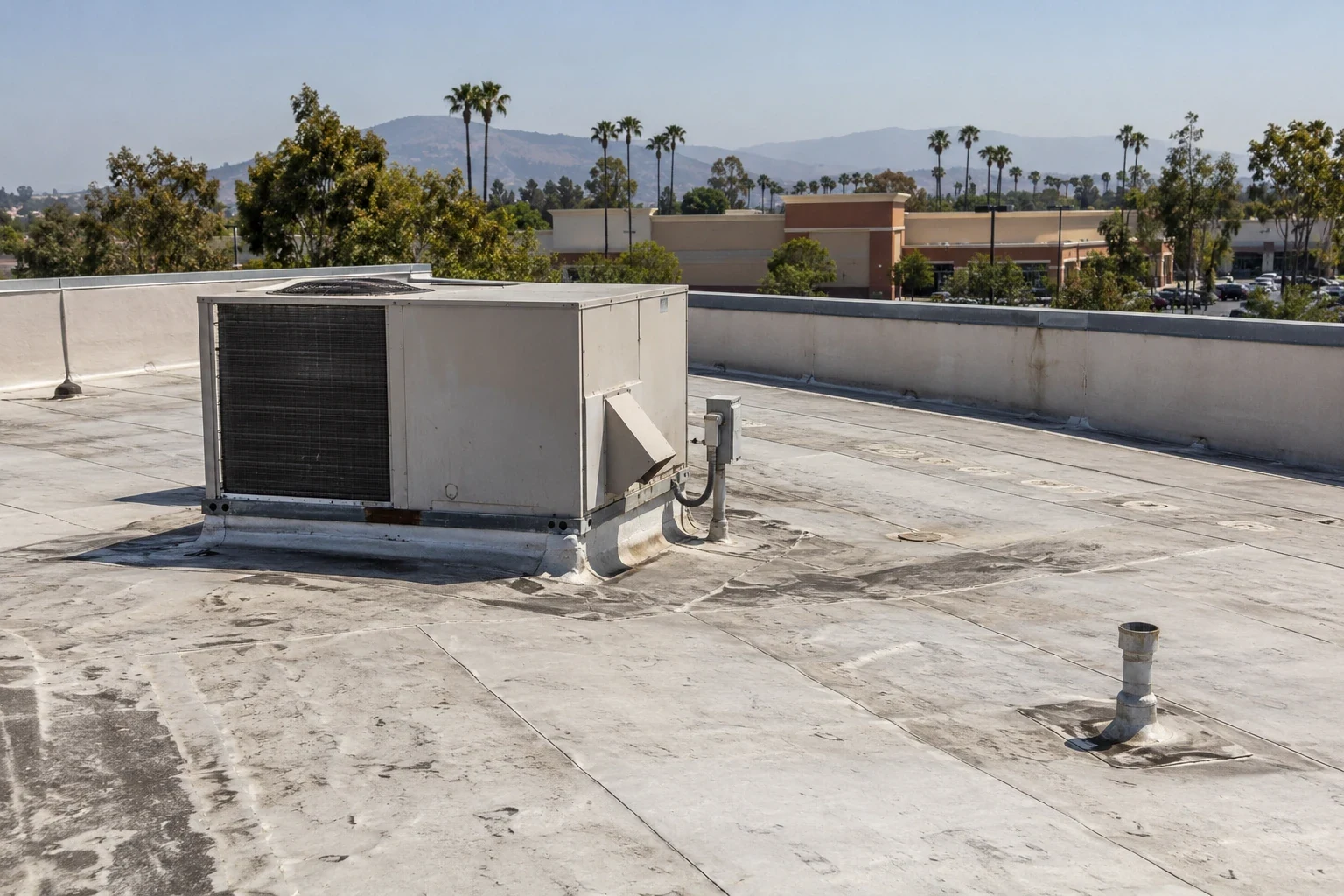
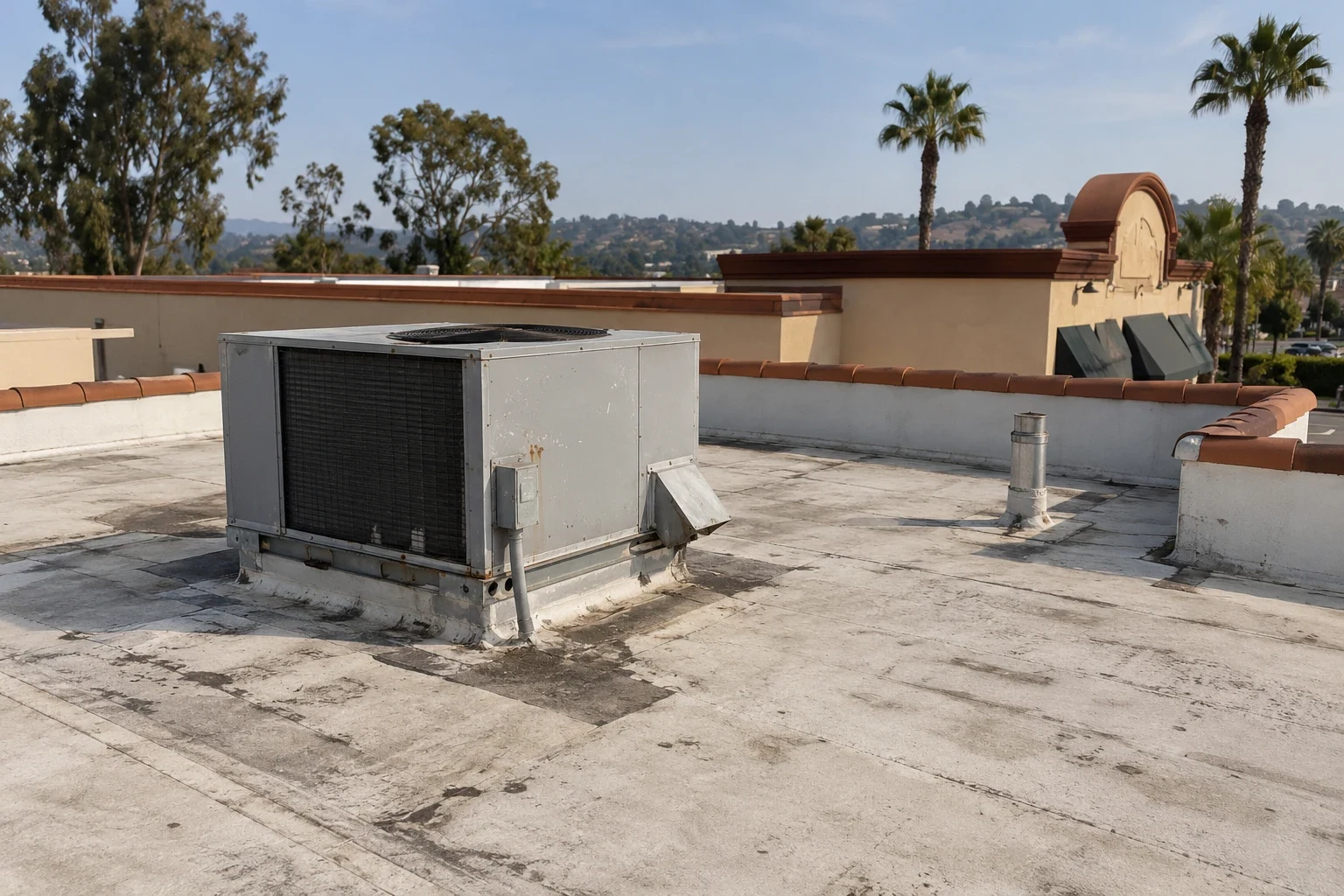
A membrane roof over a hangar has its own needs. Curb flashing, weld condition and the connection to an edge or gutter are recorded with close photographs. Standing seam repair and renewal choices are considered only when that construction is present or proposed, with movement and attachment reviewed for the actual span and support arrangement.
We record any fastener or seam hidden by access restrictions. A visible panel inspection cannot establish concealed clip condition, and that distinction remains in the proposed investigation.
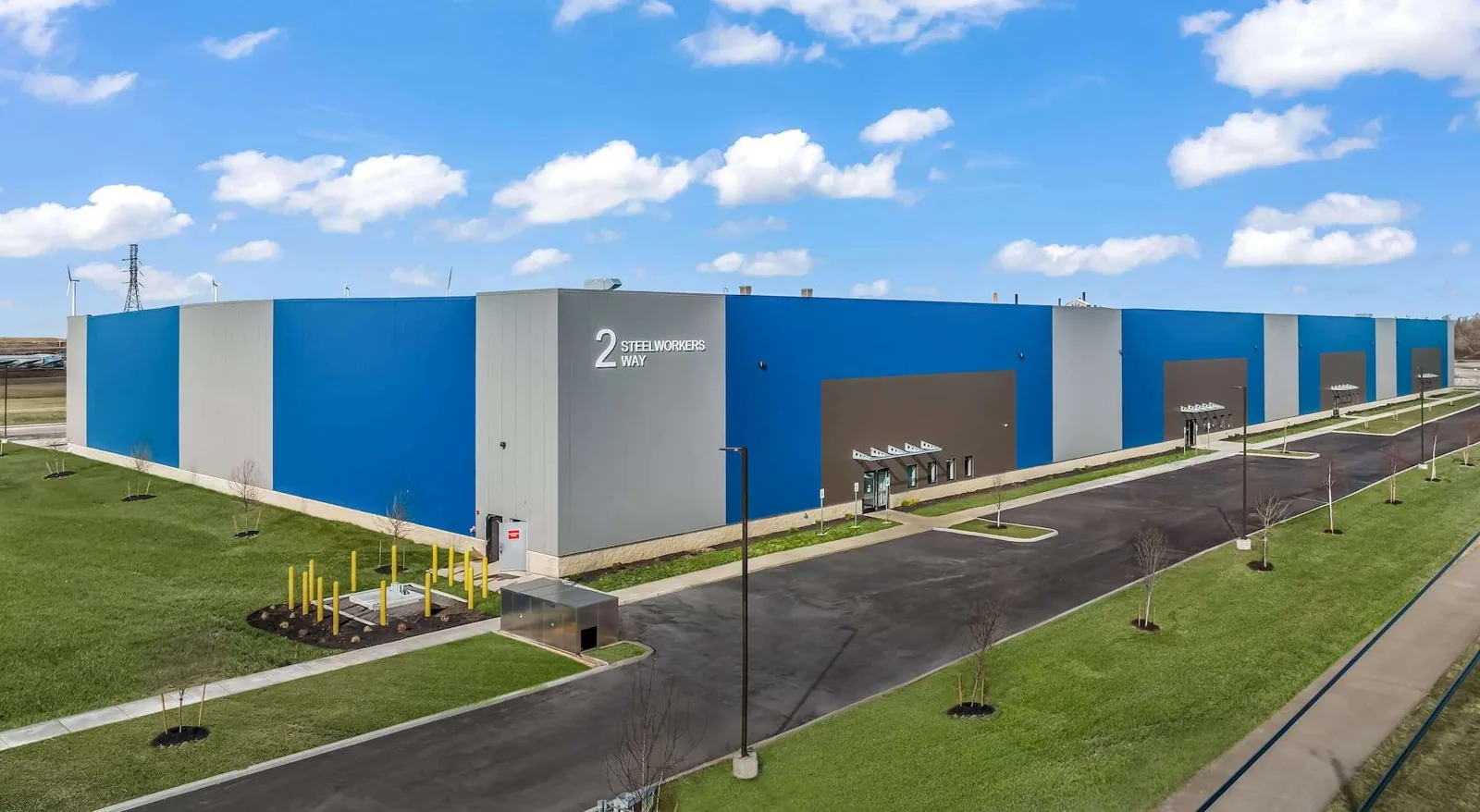
A dropped fastener has consequences beyond untidy paving at an airfield. The operating authority sets debris controls, access boundaries and movement restrictions for the work. We agree on material containment, tool accountability, scrap collection and inspection of the released area. Aircraft relocation and operational clearances stay with the operator. Roofing equipment is positioned only after the approved route and working limits are established, including any requirement to pause work while aircraft or vehicles move.
Moffett Park is a northern Sunnyvale employment district beside the airfield. Access through a nearby commercial district does not provide permission to enter an airfield work area. Work inside a controlled facility requires the operator to arrange the applicable badging, escort and approvals. Roof work over large storage bays may share lifting and protection challenges, but aviation restrictions must be established for the specific hangar.
Before work above a hangar, establish which aircraft remain inside, when they can move and who controls apron access. A roof opening or falling-material risk may require a clear bay that differs from the contractor's ordinary staging plan. Confirm tie-down, towing, fire-protection and aviation safety arrangements with the authorized airport or facility staff. Record the aircraft positions and the area released to roofing so a changed move request triggers a revised work boundary.
Water retained beneath a roof covering changes the repair scope. We review reported leaks and accessible underside evidence, then propose testing suited to the assembly. An infrared observation is a moisture indication to be investigated, not a complete finding of saturation by itself. Selected openings may be needed to identify layers and confirm wet insulation. Their locations and closure details are agreed before work begins. Hangar contents and overhead services require protection during both investigation and repair.
A localized defect can receive a defined repair where adjacent material and backing are serviceable. Broader deterioration may lead to partial renewal or replacement. A hangar roof inspection records the evidence supporting those options, including inaccessible joints and design questions. Temporary weatherproofing is identified separately so the manager can see what remains unresolved after an urgent response.
The permit and design basis follow the hangar address, owner and responsible authority. Federal or military work may have facility criteria and approval requirements different from a city-permitted commercial building. For a project under Sunnyvale jurisdiction, Municipal Code Chapter 16.16 establishes adoption of the California Building Code, 2025 edition, subject to applicable Sunnyvale amendments and the accepted roof scope. The 2025 Energy Code applies to applications filed beginning January 1, 2026; roof compliance follows the selected method and relevant exceptions. A nearby location name cannot settle jurisdiction, fire classification or the design loads for an existing hangar.
After work, the record shows repaired joints, final discharge details and the limits of any testing. A hangar roof condition record should distinguish a completed weather seal from a door, equipment or structural task still assigned elsewhere. Keeping those items visible makes later inspections useful without implying that the roofing repair corrected every building defect.
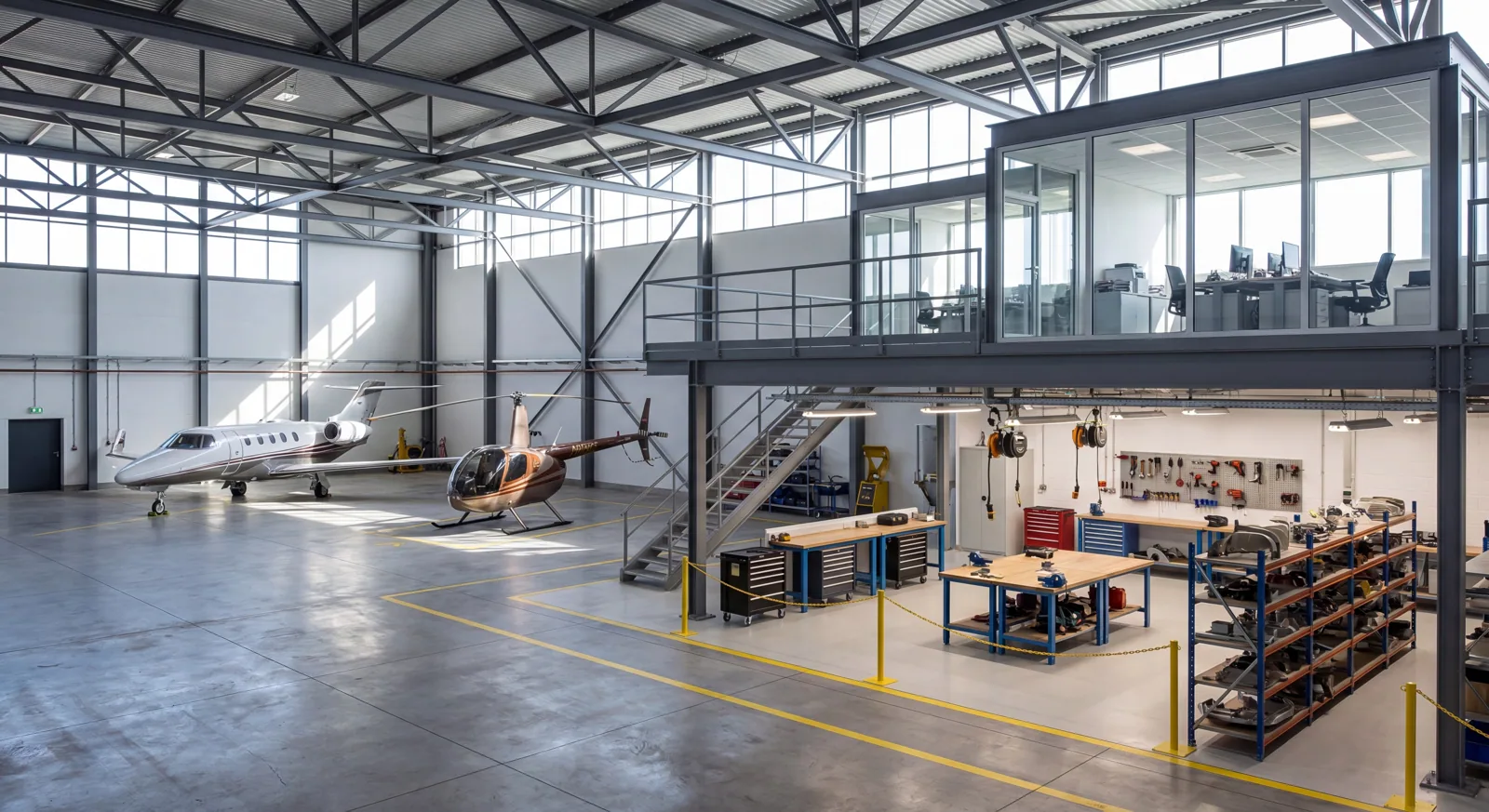
Roof access may reveal a failed gutter, lap or flashing connection, but the door header and frame can also admit water. We inspect both sides where permitted and identify the responsible component. A door adjustment or framing correction may need to precede the roof seal. The proposal separates that work instead of treating the visible drip as proof of one cause.
Containment and cleanup procedures are agreed with the operator before work. Removed hardware goes into controlled containers, materials remain secured and the released area is checked under the facility requirements. Wind or operational activity may stop a task. We include these constraints in the sequence so they are considered when choosing repair methods and delivery locations.
Condition governs the roofing recommendation. We examine attachment, panel or membrane deterioration, leakage routes and wet materials rather than making a decision from the building dimensions. Large spans may require a structural review for added loads or a new assembly. Ownership receives the repair limits and the design investigation needed before a replacement can be priced as a complete scope.
The facility supplies access permissions, escorts where required, work boundaries and restrictions affecting aircraft movement. We then identify the inspection route, protection below and any proposed test openings. Those arrangements are specific to the building and date of work. A commercial access agreement outside the airfield cannot substitute for the operating authority approvals.
Ask Commercial Roofing Sunnyvale for a roof walk tied to your hangar drawing. We will mark the findings, photograph joints and prepare the repair tasks ownership can review with the operator.