
Sunnyvale college roofing examines laboratory exhaust, roof steps and campus access. Get a repair plan coordinated with facilities staff and building use.
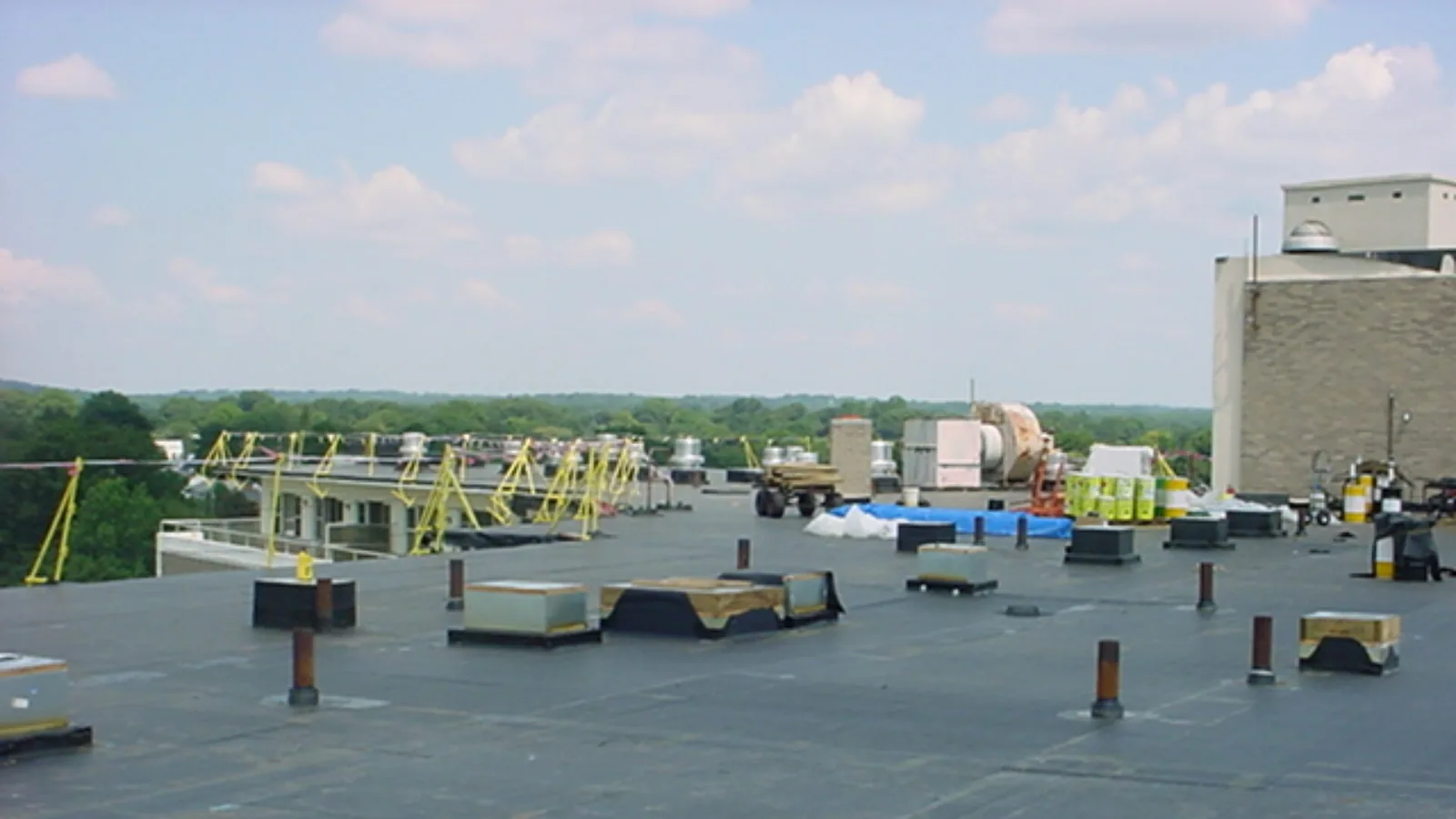
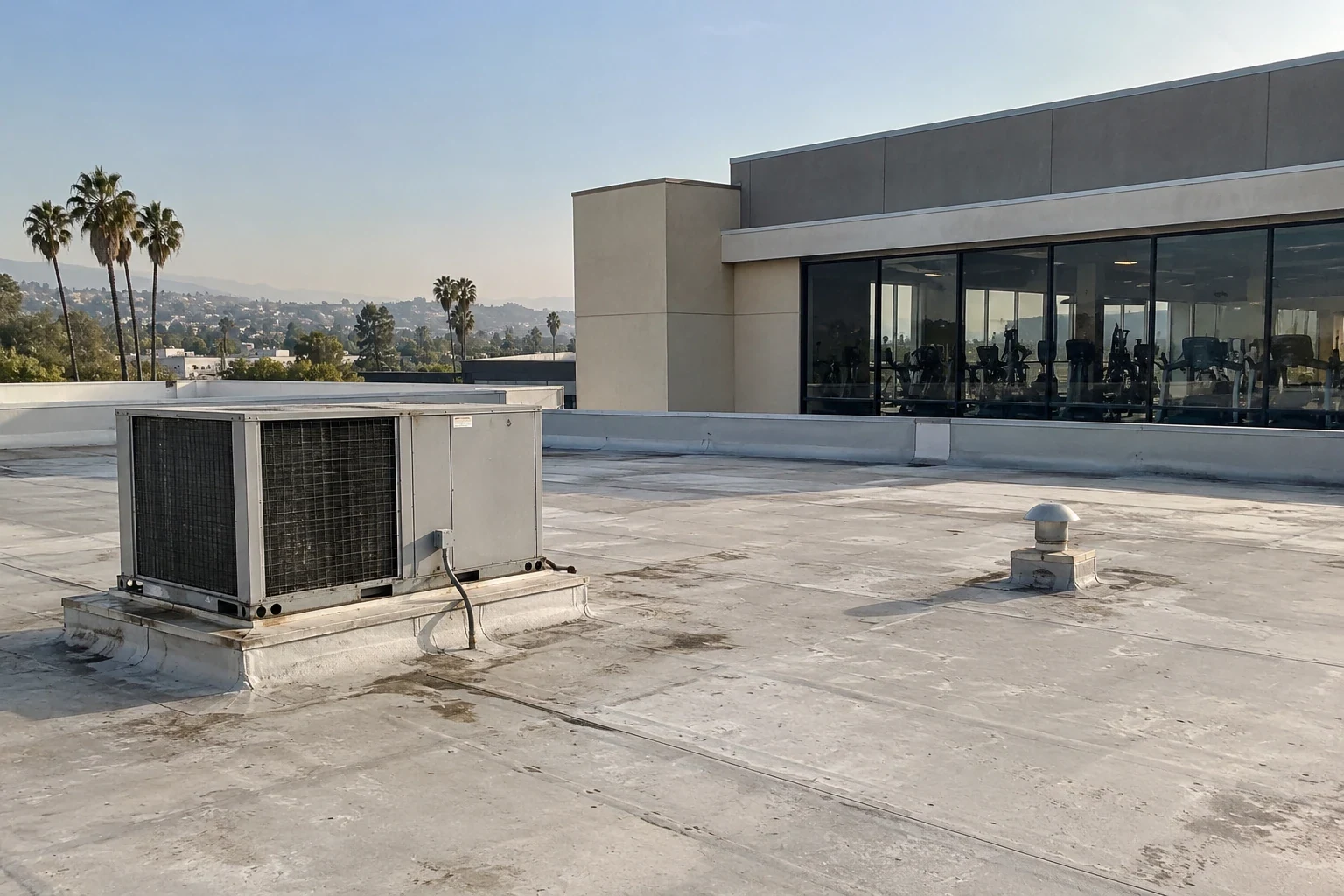
A crowded laboratory exhaust curb can have several separate roof connections hidden behind its service platform. At a college property serving Sunnyvale, CA, we identify those joints, inspect the nearby field sheet and map the equipment to the room below. The facilities manager needs more than a single photograph of a leaking area. Each corrective task should state the construction involved, the access required and any equipment decision that belongs to another trade.
The former Onizuka site includes a Foothill-De Anza education site allocation, while De Anza College in Cupertino provides another institutional setting nearby. Those facts establish places to discuss campus work, not the roof covering on a particular building. Roof access near Onizuka Crossing begins with the current campus plan, its responsible facilities contact and the operating limits for the intended building.
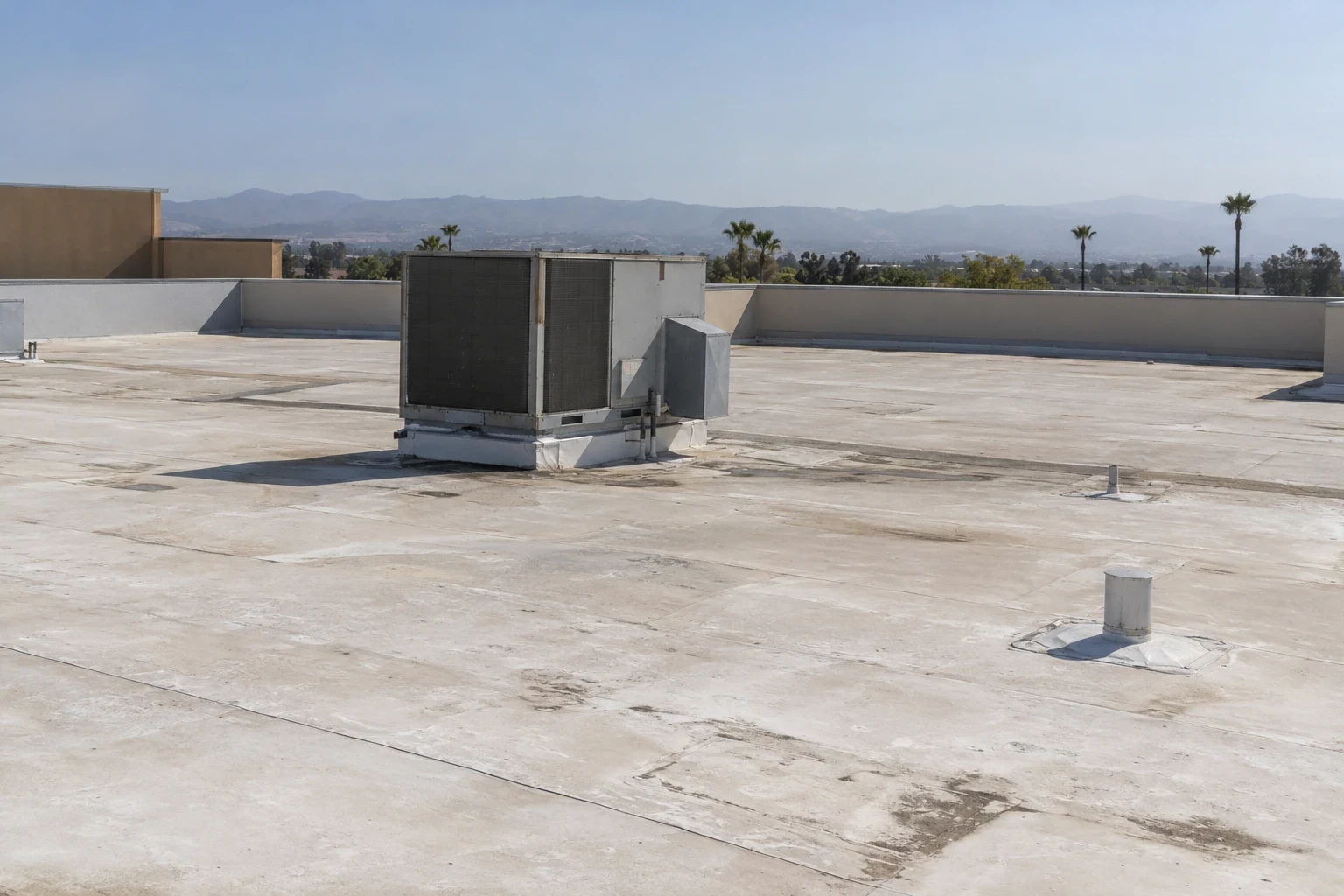
A residue at the foot of an exhaust stack needs identification before the surrounding material is cleaned. Campus facilities and laboratory personnel establish the service, operating precautions and any discharge concern. We inspect the roof connection and condition of the adjacent sheet without interfering with the equipment. A compatible repair may require removing damaged field material as well as rebuilding the flashing. The mechanical contractor addresses a leaking duct or housing separately from the exterior roof joint.
Laboratory curb and support corrections can require a dimensioned detail when equipment changes shape or weight. The engineer checks support requirements, and the equipment installer confirms clearances. We establish the connection through the roof assembly and coordinate the order of work. An added platform or conduit support should not block the drain route or force maintenance personnel to step across a new flashing repair.
A lower roof meeting a taller campus building can collect drainage from the upper level and service traffic from both buildings. We examine the receiving roof, wall transition and drainage arrangement together. A repair at the junction must account for the existing material and the heights available after insulation work. The designer reviews changes to wall construction or drainage capacity, while our roofing scope identifies the field and flashing connections needed for the accepted detail.
Classroom roof repairs may focus on vents and occupied room schedules. An attached data facility roof introduces another set of access and operating controls. We mark the actual division between functions using current campus information. The building's external appearance does not reveal which rooms have sensitive equipment or specialized ventilation, and a roof work division should not cross that boundary without the facility team's review.
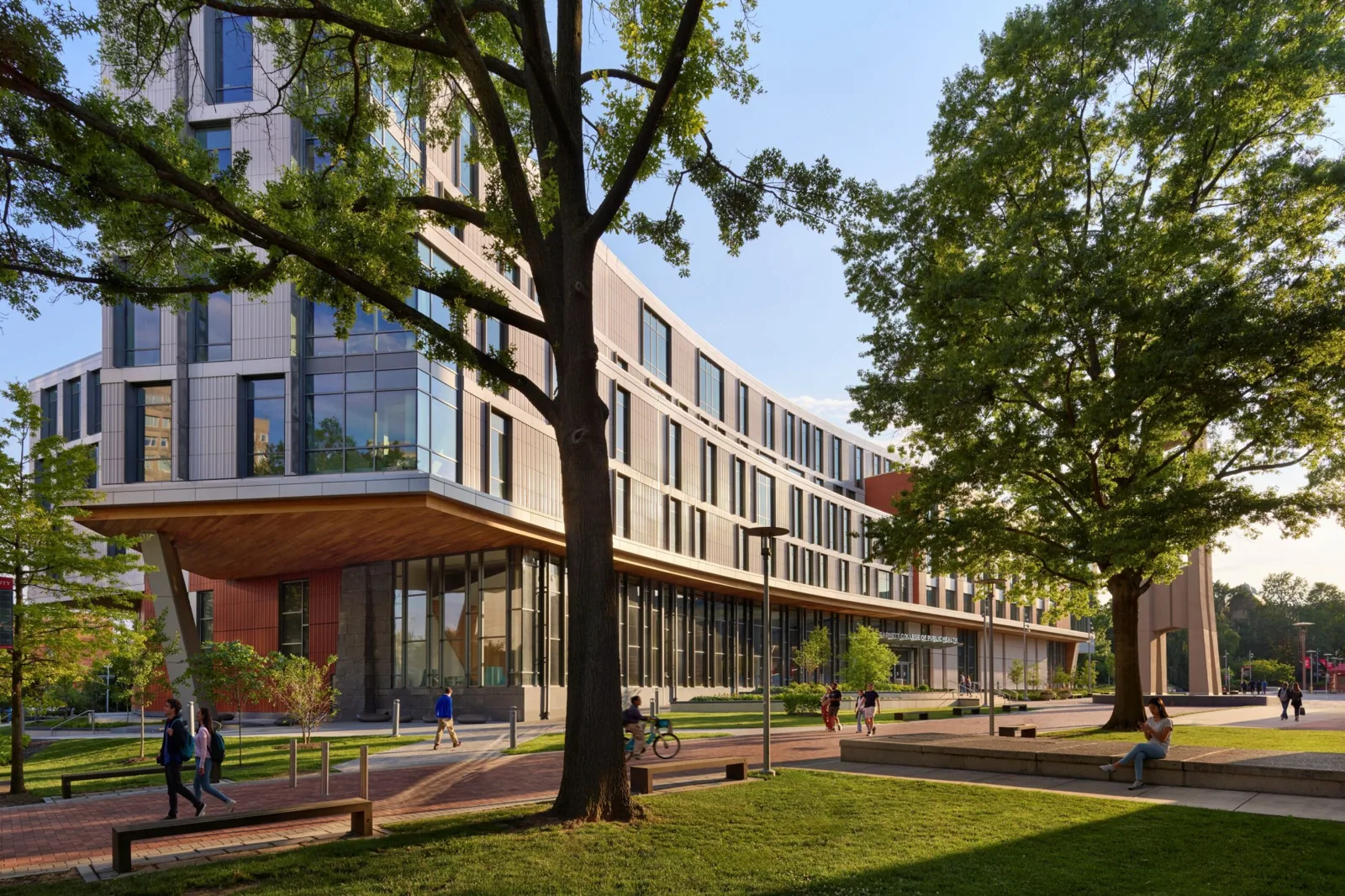
A material lift beside a public campus walkway needs coordination beyond the course timetable. Libraries, laboratories, offices and event spaces can remain active at different hours. Facilities staff establish the permitted routes and closure periods. We fit staging and debris removal to that plan, including access for deliveries and emergency routes. The proposed sequence identifies the roof hatch or exterior access point, the work zone and the person responsible for campus communication during the shift.
Reroofing on an active campus also considers noise and odors at adjacent air intakes. The mechanical trade determines ventilation adjustments, while the campus team establishes protection measures for rooms affected by the work. Roof removal is divided according to what can be closed securely with the accepted method. An academic break can improve access, but it does not by itself confirm that the building is empty or that every service can be interrupted.
Before a campus task is priced, identify the building contact who can release roof access and the authority for laboratory or residence-hall restrictions. Map deliveries and waste movement around academic traffic, scheduled events and any service path that must stay open. A project affecting several buildings needs separate condition records; one roof's assembly and access approval do not establish the requirements for another structure elsewhere on campus.
A recover proposal requires an examination of the construction that would remain. We identify layer count, material condition and attachment, then investigate moisture where evidence supports further access. Selected openings establish the exposed deck condition and provide a basis for removal limits. Known deteriorated material needs an appropriate correction. We explain the difference between a localized flashing repair, replacement of an affected assembly and a broader reroof so campus ownership can assess the actual construction choices.
Permit responsibility follows the property's ownership, address and project, including any institutional authority that applies. For work under Sunnyvale jurisdiction, the 2025 California Building Code and city amendments supply the building-code basis; roof fire-classification scope and exclusions still need examination. The filing date selects the energy-code edition: January 1, 2026 begins the application period for the 2025 Energy Code. An energy designer evaluates the alteration, conditioned areas, chosen compliance method and relevant exceptions before insulation and roof surface requirements become construction instructions.
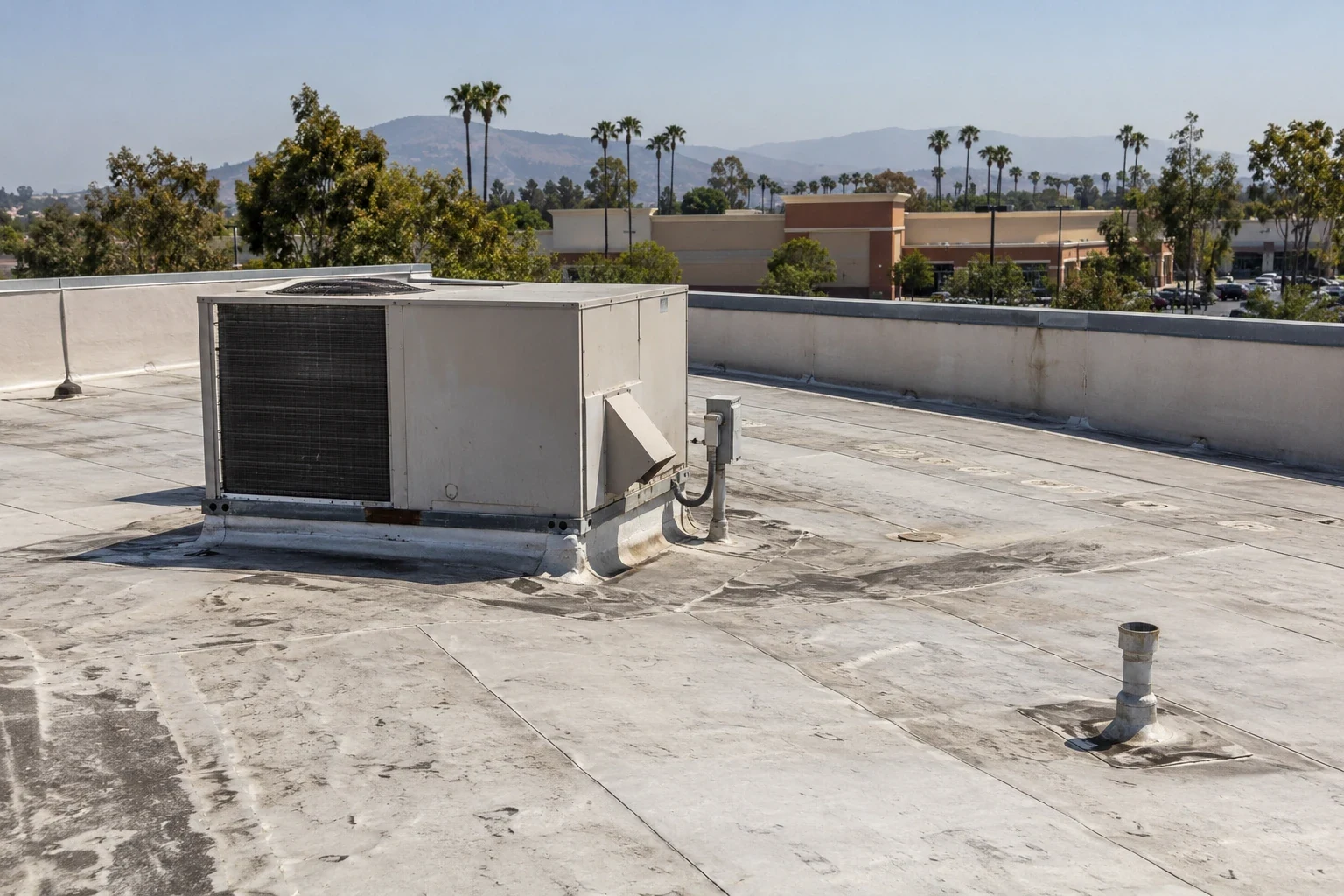
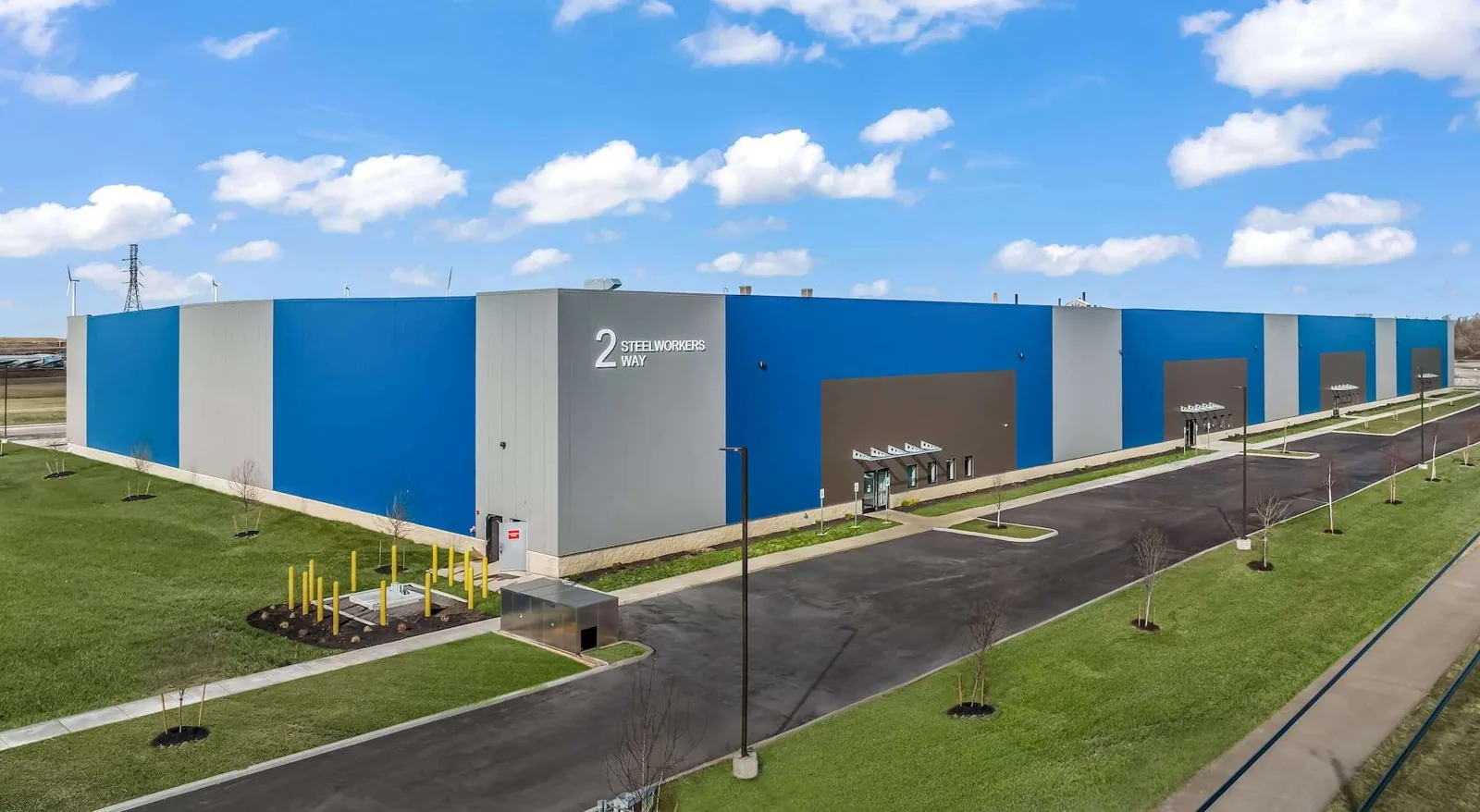
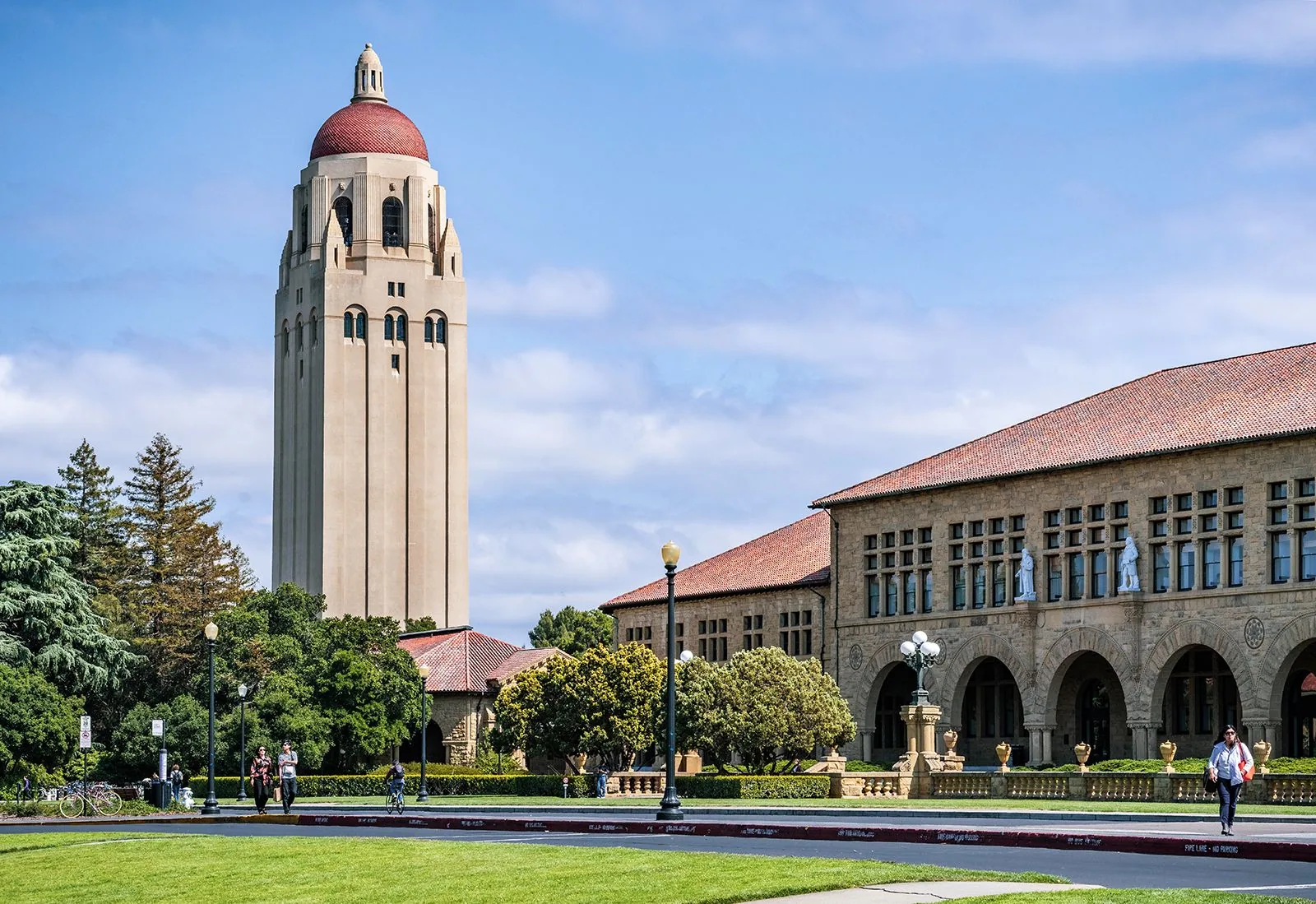
The main campus of Stanford University is known for clay tile roofs on sandstone buildings. That regional example shows why college work cannot assume one low-slope assembly across an institution. We examine each proposed building's roof material and access needs directly. A tiled slope, membrane terrace and equipment-intensive service roof have different repair details. The campus manager receives the relevant findings for the building under review rather than a construction assumption taken from another campus.
Sunnyvale's dry summer months give way to a cooler wet season, making drain access and daily closure important in a local work plan. We check the inlet connection and water path at each roof division, including any support that obstructs flow. Plumbing restrictions and changes to drain design are assigned separately from roofing corrections. Campus roof condition records connect photographs to roof and room positions, with unfinished investigations and trade tasks retained in the list.
Access controls, laboratory restrictions, assembly condition and lifting arrangements affect cost and scheduling. We state those conditions before the owner compares repair options. Urgent leakage can require attendance after evening activities or during a holiday, and we remain available through those periods. The campus contact arranges entry, while the report identifies temporary protection and the remaining permanent detail.
Laboratory and facilities personnel establish the operating requirements with the mechanical contractor. We identify the exact patch location and proposed preparation so they can assess discharge, heat and access. A roofing task proceeds with the agreed control arrangement, rather than treating a small repair area as permission to approach active equipment.
Different slopes, substrates, equipment loads and room conditions can require different construction. We record the assembly and defects on each building proposed for work. The designer selects suitable systems and details using those findings, allowing shared maintenance practices where appropriate without forcing unlike roofs into a single replacement specification.
An equipment walk compares the installed curbs, lines and supports with available drawings. Campus trades identify active services and confirm any abandoned openings. We mark the observed locations and required weather connections, then retain the revised roof positions so later alterations can start from the construction actually present.
The exposed condition is photographed before the removal boundary changes. We explain the additional assembly work and any structural or equipment review required, then coordinate a secure closure with facilities staff. The revised schedule accounts for the affected room and access restrictions instead of extending tear-off without an accepted protection arrangement.
Arrange a facilities-led roof walk. We locate exhaust curbs, roof transitions and drain findings and prepare an ownership repair list with photographs, construction tasks and the access decisions needed to carry them out.