
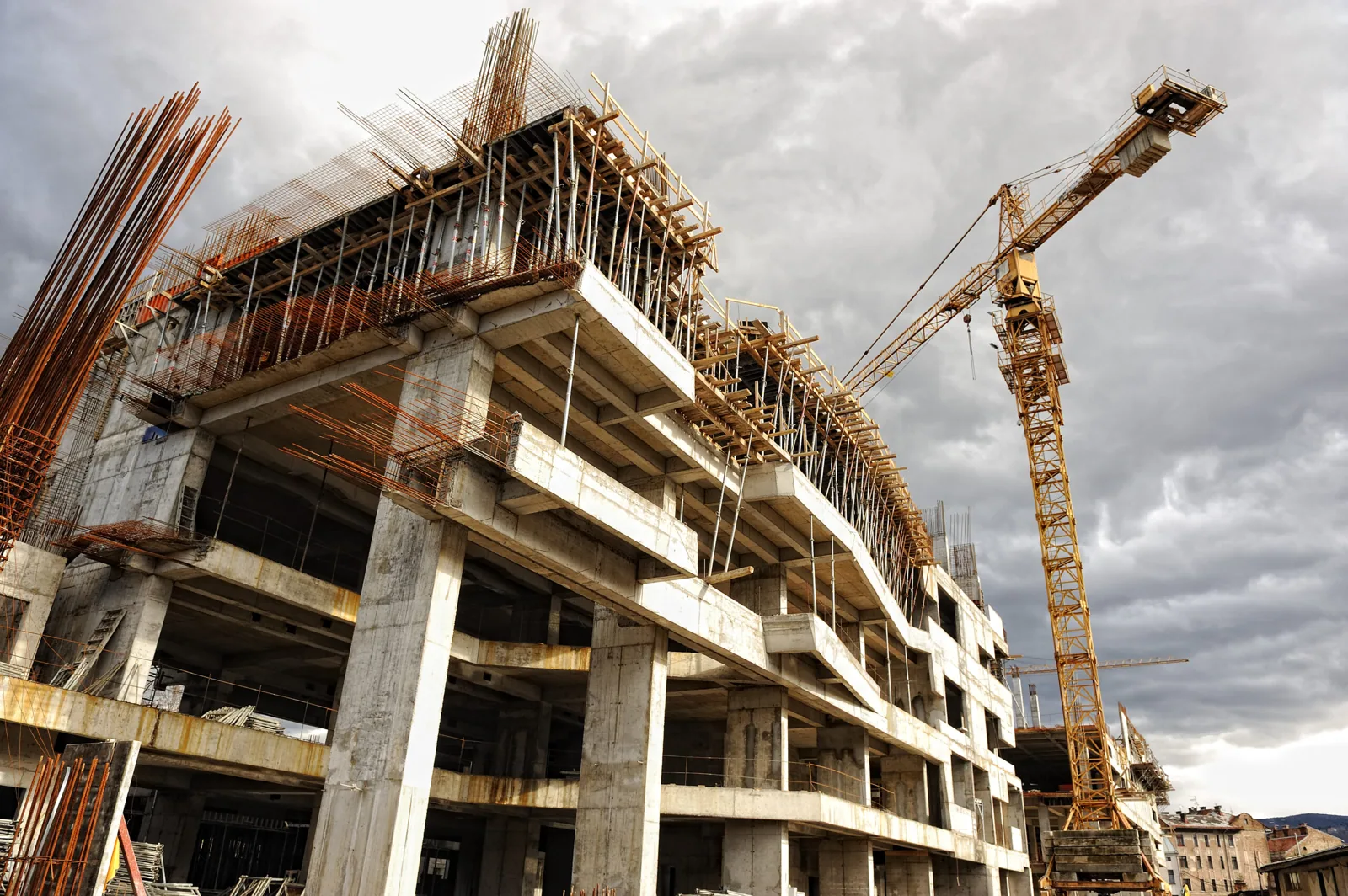
Review Sunnyvale agency roof work with marked findings, comparable construction scopes and practical public-service and qualified equipment responsibilities.
A retired equipment opening on a public building needs its receiving reconstruction identified before the roofing connection is priced. The facilities contact should know who prepares support and which detail roofing will close afterward. Commercial Roofing Sunnyvale marks accessible findings on a roof plan and records those dependencies. Purchasing receives a physical scope that can be compared against the same complete work.
Agency ownership does not supply one standard access method. An administrative building and a maintenance facility can have different operating restrictions.
The assessment connects its correction to the actual rooms, services and receiving route. It keeps an unexamined condition in the next investigation rather than treating it as an established quantity. This gives the agency a useful approval record and the construction participants a clear order of work.
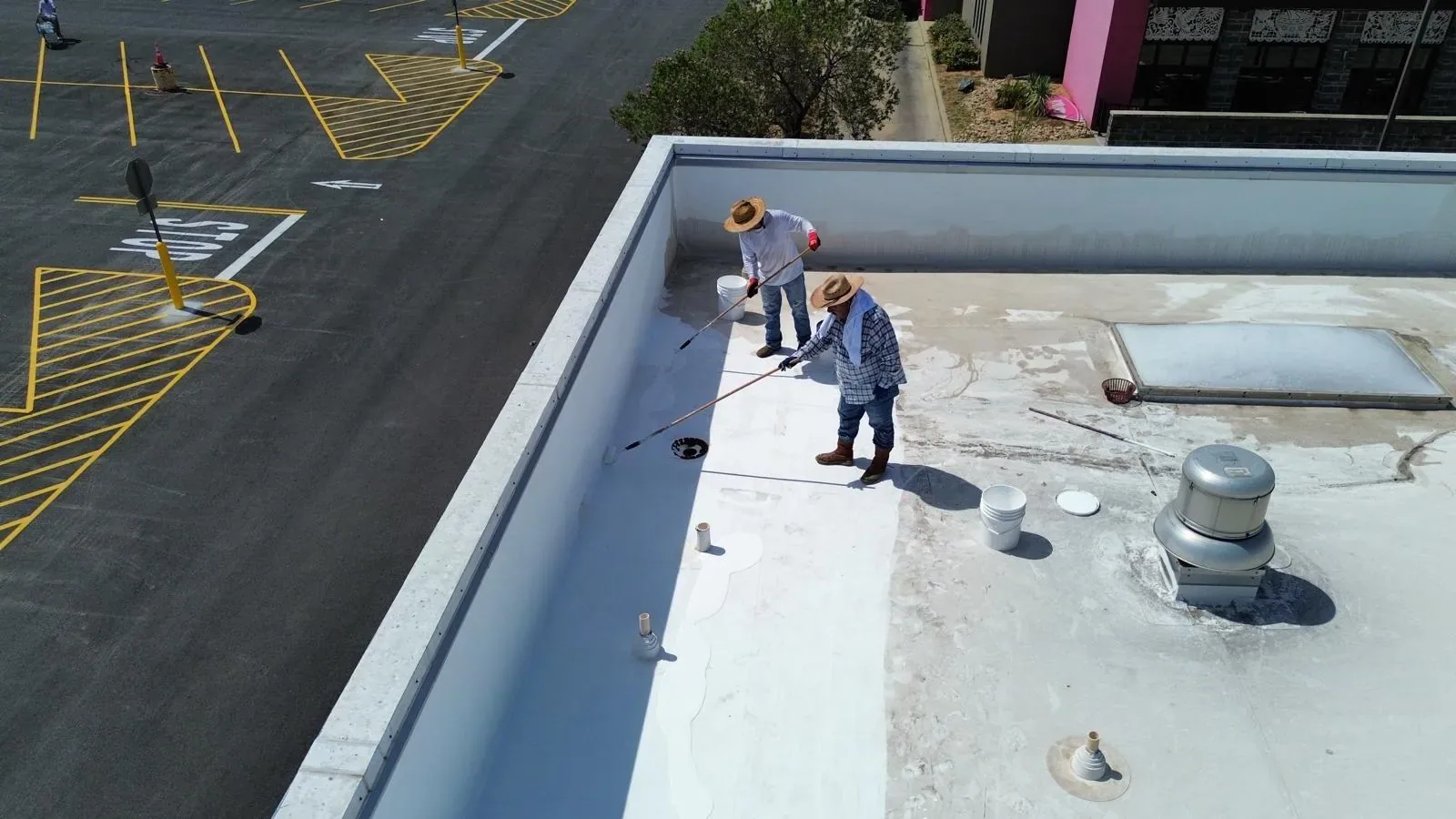
Identify the reported roof section and accessible assembly. Compare installed material with available drawings and earlier repair information. Photograph the concern with surrounding details that allow a return visit to locate it. Different additions can need separate receiving methods, so retain those boundaries rather than extending one finding across the facility.
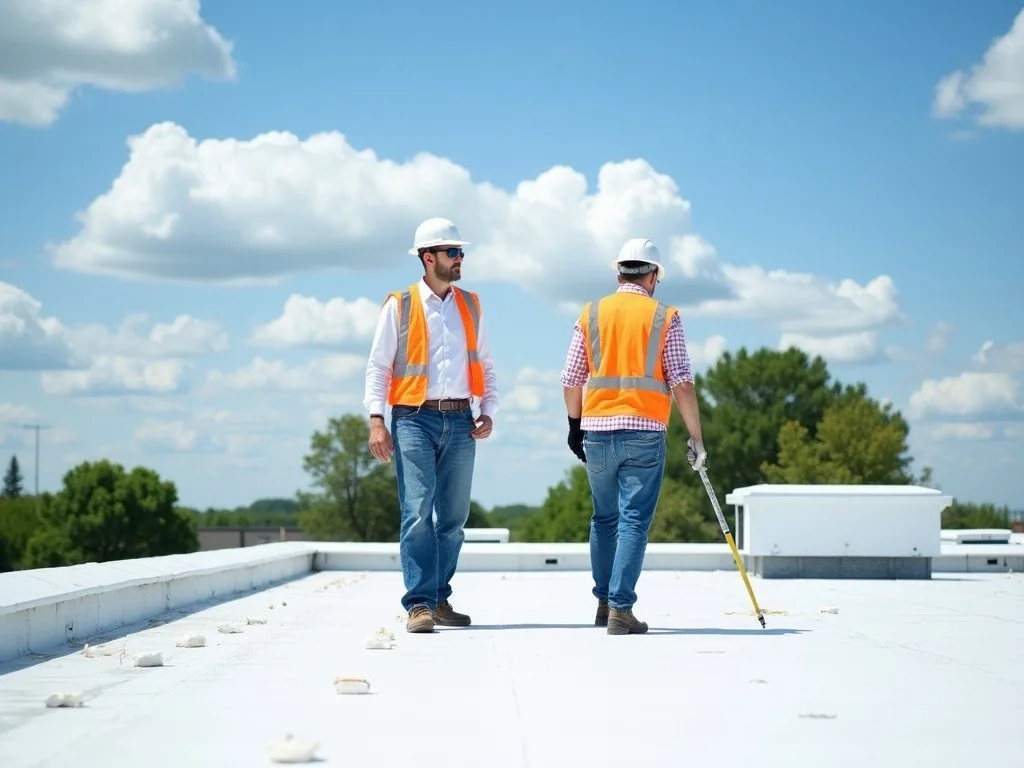
Commercial roof condition assessment records what was examined and unavailable. An overview photograph is not evidence for every concealed board, support or attachment.
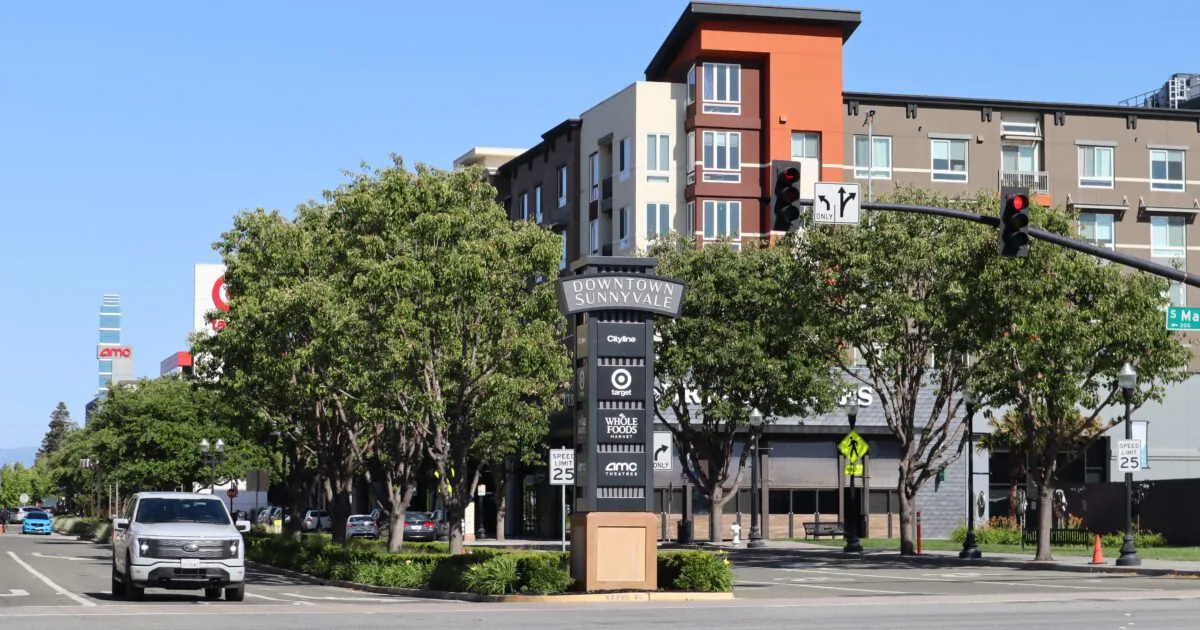
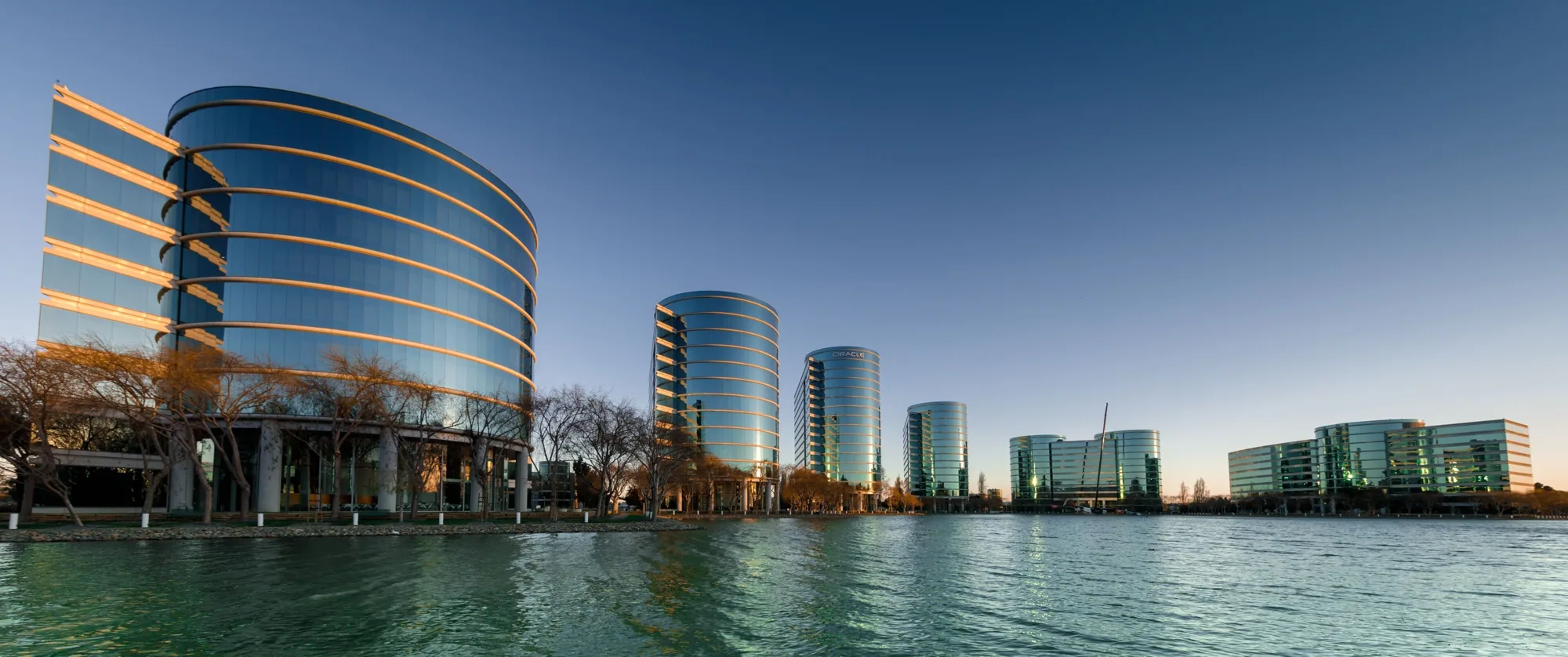
Moffett Park and Peery Park provide local employment-district context. The agency's actual property still determines operator, access and authority. A district plan does not establish a public facility's current roof material or construction completion. Obtain the address and responsible representative before using a regional setting to organize the examination.
Commercial roof entry examination compares room timing with accessible exterior connections and relevant service activity. Water can move within hidden material before appearing below. Keep the roofing mechanism supported by findings separate from another equipment or wall question that still needs its responsible participant.
A useful report distinguishes the observed defect from the quantity requiring more evidence. Describe the purpose of the next examination.
Arrange suitable investigation with authorization and closure where concealed condition changes the option. Samples show material and condition at their openings. Confirm relevant thermal findings with a method suited to the assembly before using them to justify an agency removal quantity. Wider removal or retained-assembly decisions require evidence suited to their extent, with coverage and method limits kept in the approval basis.
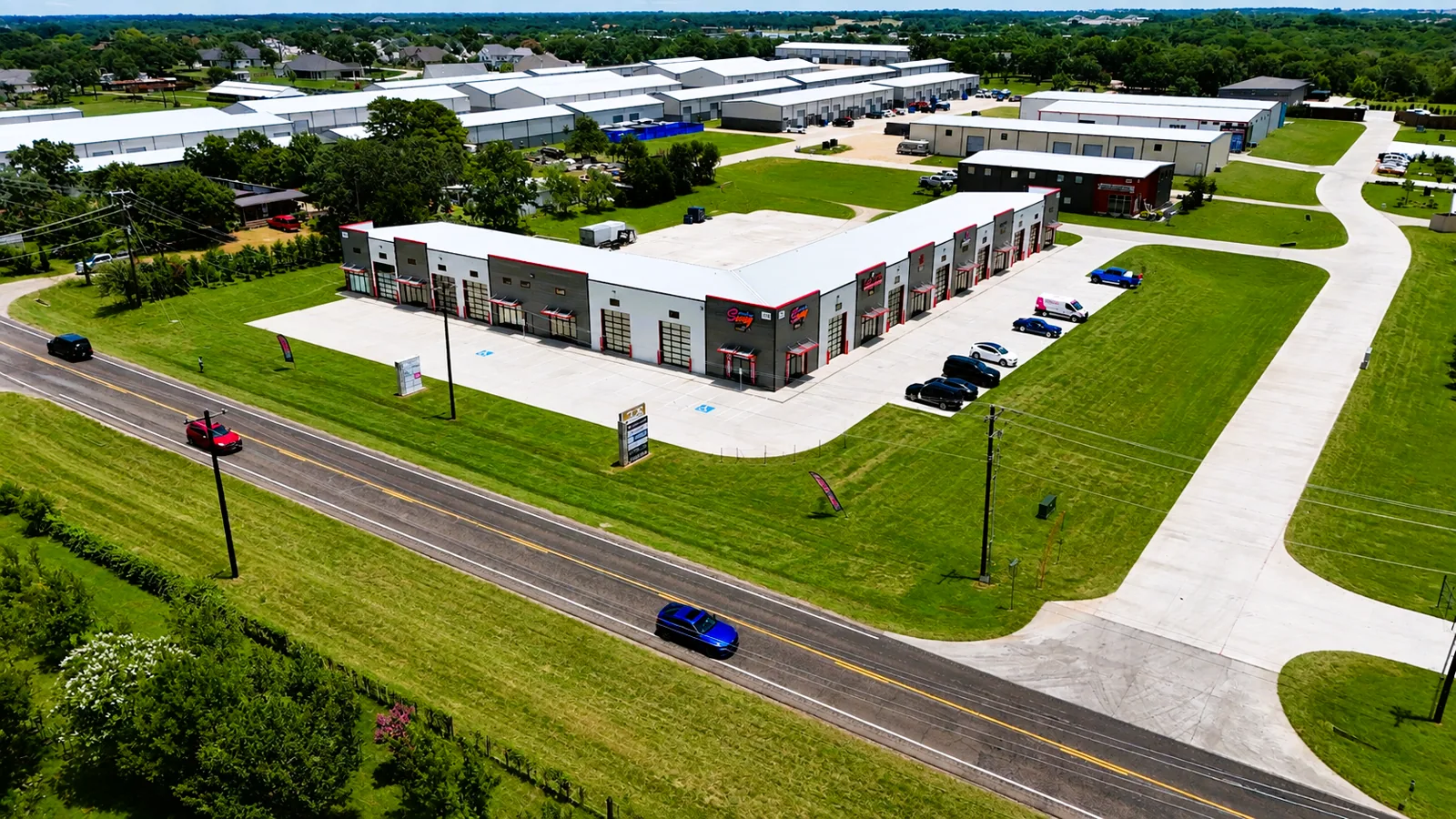
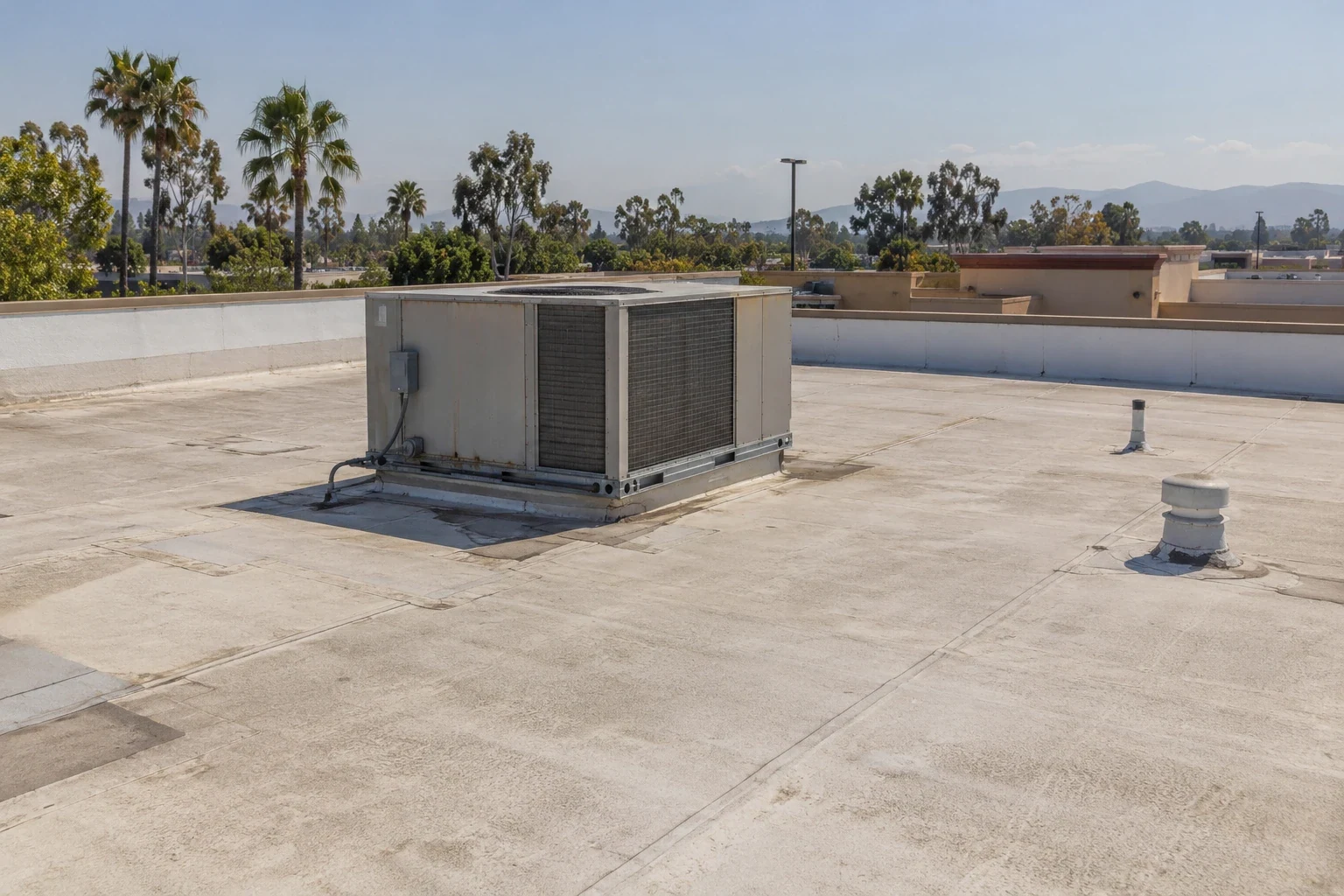
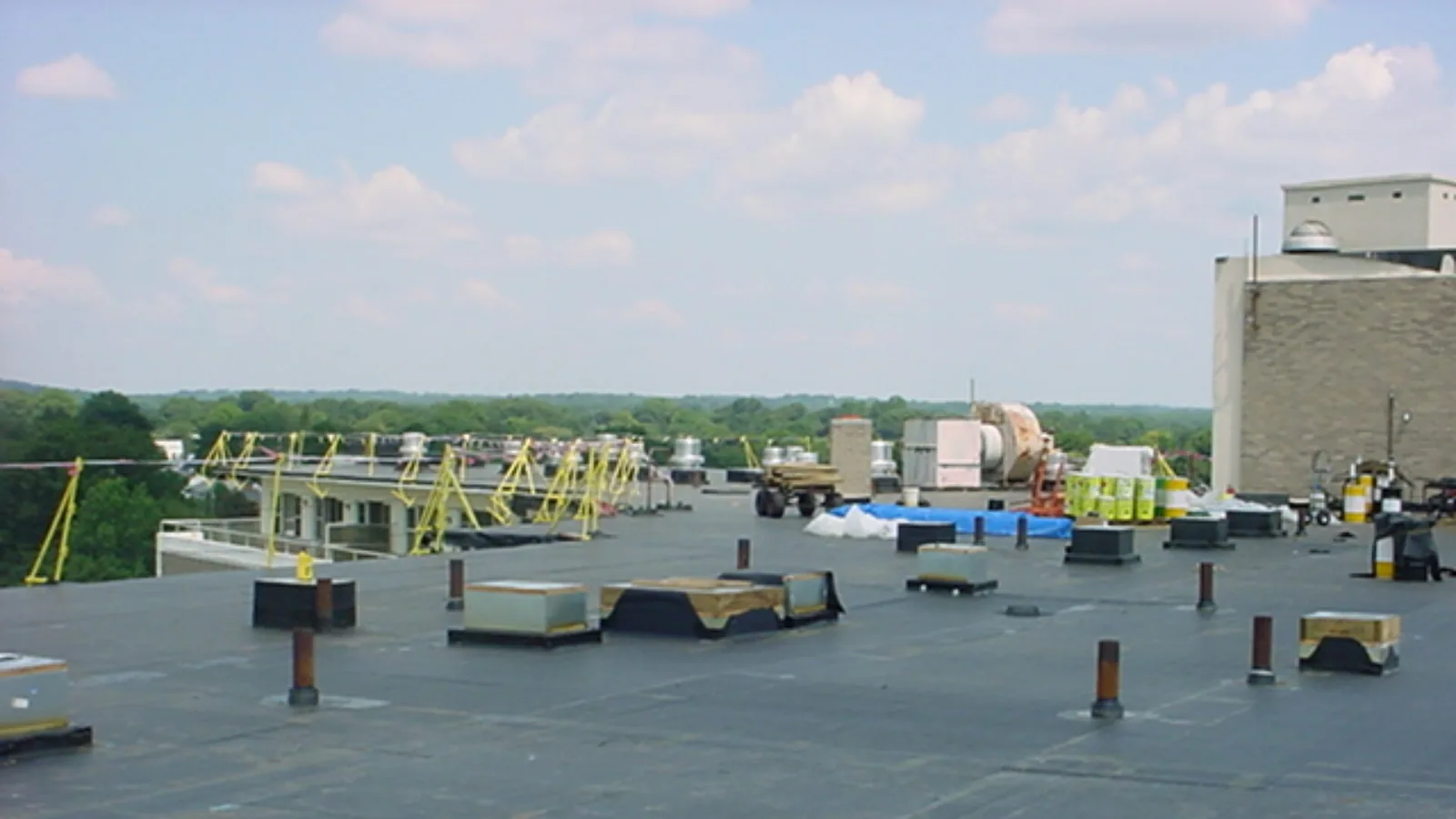
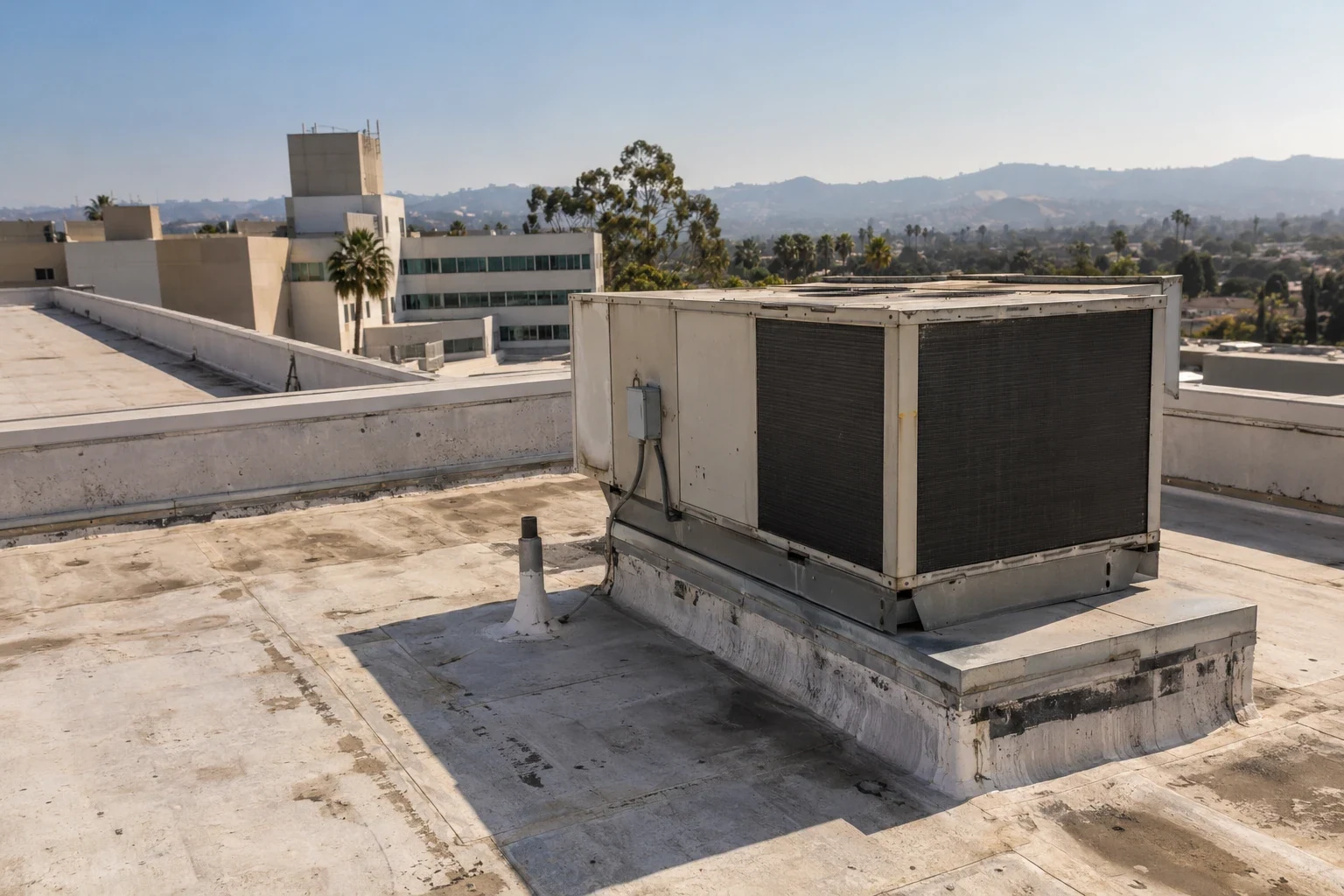
Equipment curb and support coordination compares the intended layout with measured roof elevations. A new unit or added layer can reduce working room at the upper connection. Appropriate design and service participants retain support and equipment decisions, while roofing identifies the receiving space and preparation it requires after their work.
A former penetration can need a separate closing task. Include receiving reconstruction rather than treating removal of the equipment as permanent roof closure.
Qualified mechanical or electrical teams control their service changes with the agency representative. Roofing staff preserve functioning intakes and follow the accepted arrangement. Put each readiness check ahead of construction that depends on it. A delivery date does not establish that unresolved dimensions or equipment responsibilities have been accepted.
Occupied-building roofing coordination identifies affected counters, workrooms, contents and public movement. The agency supplies actual hours and receiving restrictions. Protection, debris handling and communication belong with the method. Smaller phases or repeated setup should be priced where those periods require them, rather than left outside the material amount.
Every bid participant needs the same receiving correction and operating provisions. Missing preparation can make unlike amounts appear comparable.
Roof coordination with general contractors assigns related work in a wider project. Keep measured construction distinct from conditional allowances, with their quantity basis and change procedure. During removal, locate an added finding and proposed remedy before extending scope. Submit price and incomplete-area protection effects through the agency's approval process, retaining the named contact for that decision.
Review the accepted scope beside the material order. The agency should see which positions are ready and which await another participant. An order release is separate from authorization to open a work area whose supporting task remains unresolved.
If the reviewed option changes before award, reconcile the revision across the bid scope and receiving responsibilities. The facilities contact should confirm that each participant is comparing the same updated detail. A new product amount can otherwise carry an outdated preparation assumption, leaving the accepted price disconnected from the construction now intended.
A public bid should identify the work boundary, unit assumptions, alternates and the procedure for a concealed-condition change. Clarify who can answer a bidder question, issue an addendum or authorize a field revision before pricing depends on it. Where a building remains open for public service, show the protected entrance and any temporary routing in the schedule. The agency can compare complete offers while preserving its procurement record and access obligations.
Confirm jurisdiction for the actual public property and accepted application basis. The municipal code in Sunnyvale adopts CBC2025 and includes locally amended provisions and later changes. Public ownership alone does not settle every reviewing route. The proposed assembly still needs its relevant project review before procurement fixes the option.
Resolve which energy provisions apply to the agency building and intended work, including the available compliance approach and relevant exceptions. A reflective product is not independent acceptance of the entire alteration.
For work in the Peery Park area, use the subject premises and authorized approach. Agency permission for its roof approach does not authorize material handling on a separate adjoining premises. Actual surfaces, weather and product instructions govern application readiness. The agency's preferred period needs those conditions and the practical protection method before preparation extends across a larger area.
Roof condition reporting retains marked findings, accepted scope and completed detail positions. Photograph useful receiving preparation before it is concealed. Keep installed products, approved quantities and relevant checks with their examined coverage. Identify excluded equipment or interior work under the participants responsible for its acceptance.
Multi-site roof programs can use one reporting order while every facility retains its own construction. Shared purchasing does not make different access or assembly requirements interchangeable.
Agree the distribution of sensitive plans and access photographs with the agency. Keep recognizable roof references in the authorized construction account used for later maintenance. Issued warranty documents retain their actual notice, care and alteration terms. Subsequent findings receive new dates and circumstances so the next facilities contact can follow completed work and the investigation still requiring approval.
Name the person updating the roof plan after another service alteration. An installed detail change should remain traceable at its position. That makes the completion account useful when a later project asks whether the existing connection can receive new work.
Use the same receiving correction, connected details and public-service provisions. We recommend stating confirmed quantities and conditional procedures beside each complete construction option.
Support, height and access can change the upper connection. We recommend resolving the qualified receiving task and readiness point before placement fixes its geometry.
Confirm the actual property and reviewing authority. We recommend retaining accepted application timing and scope before applying requirements to the proposed alteration.
Keep preparation, completed references, materials and approved changes. We recommend assigning excluded work and required care while dating subsequent service alterations.
Arrange a Sunnyvale assessment at the assigned property. We will develop a detail-by-detail repair list with receiving work and approval decisions ready for facilities review.