Sunnyvale government roof work documents defects, approvals and public access controls. Prepare a defined repair scope for agency review and scheduling.
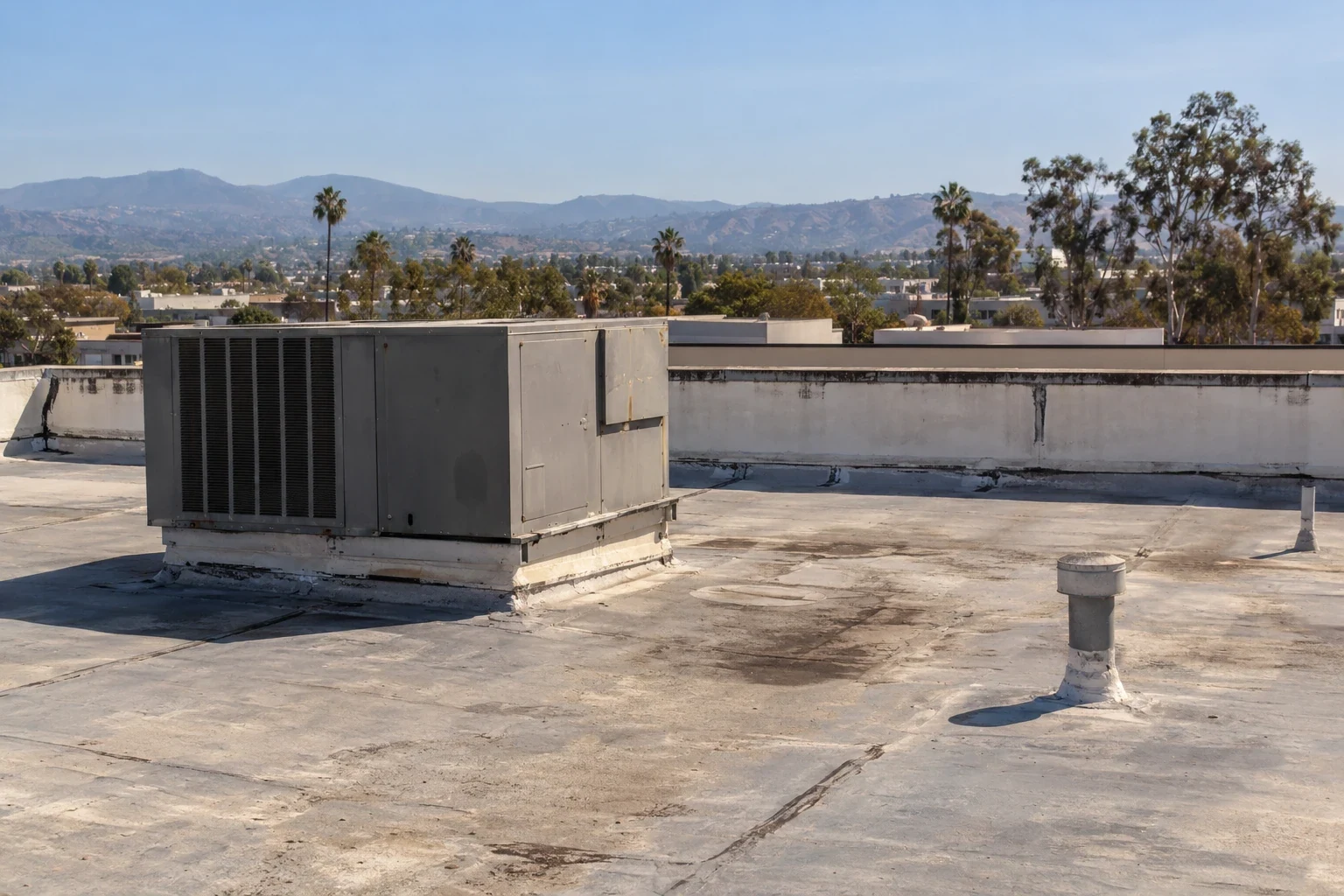
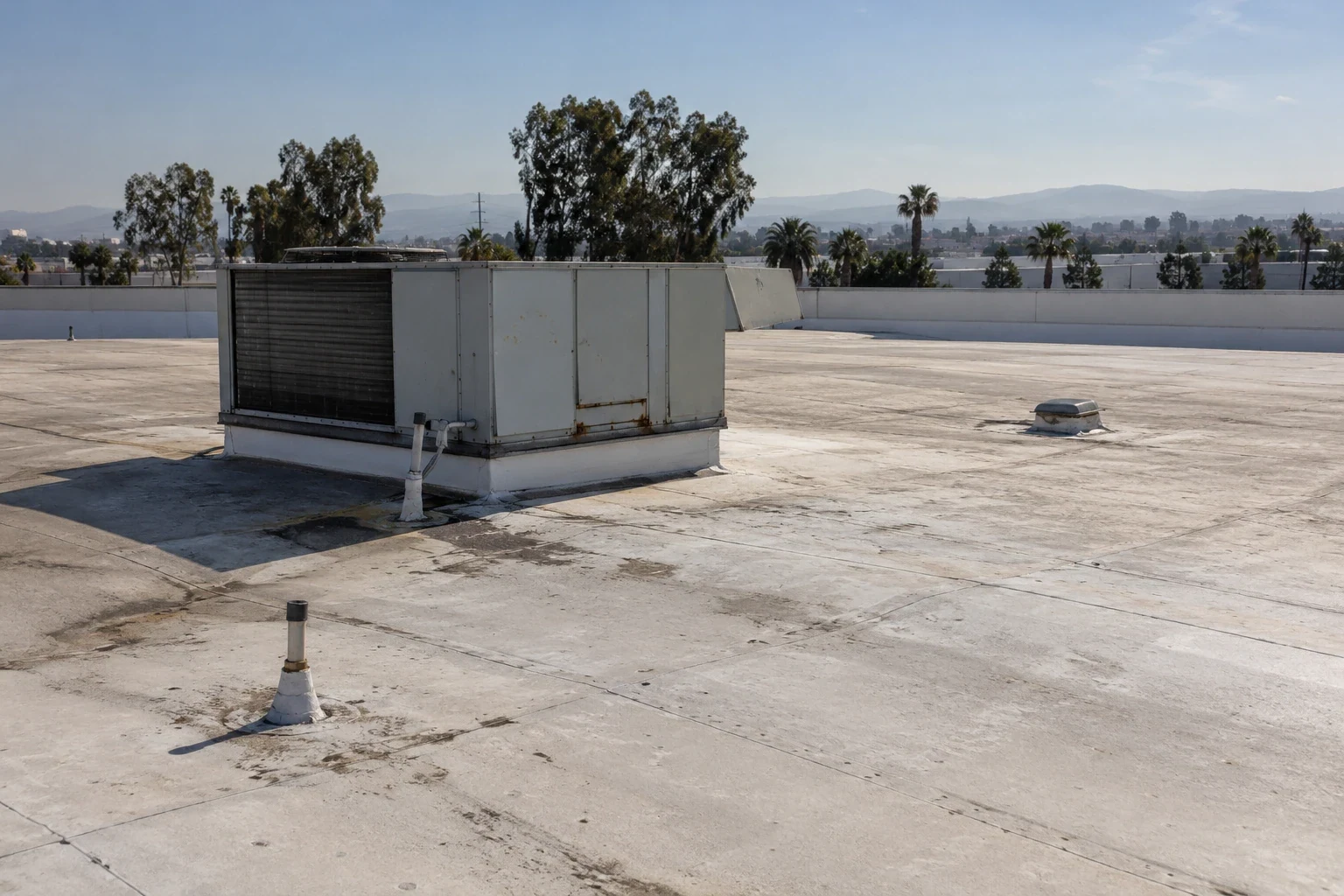
A roof opening beside a public building's communications equipment needs the waterproofing and equipment responsibilities identified separately. For government facilities serving Sunnyvale, CA, we inspect the boot, support contact and surrounding field material before preparing a repair scope. Commercial Roofing Sunnyvale gives the agency marked photographs and physical findings it can review through its approval process. Procurement requirements do not replace examination of the actual roof connection.
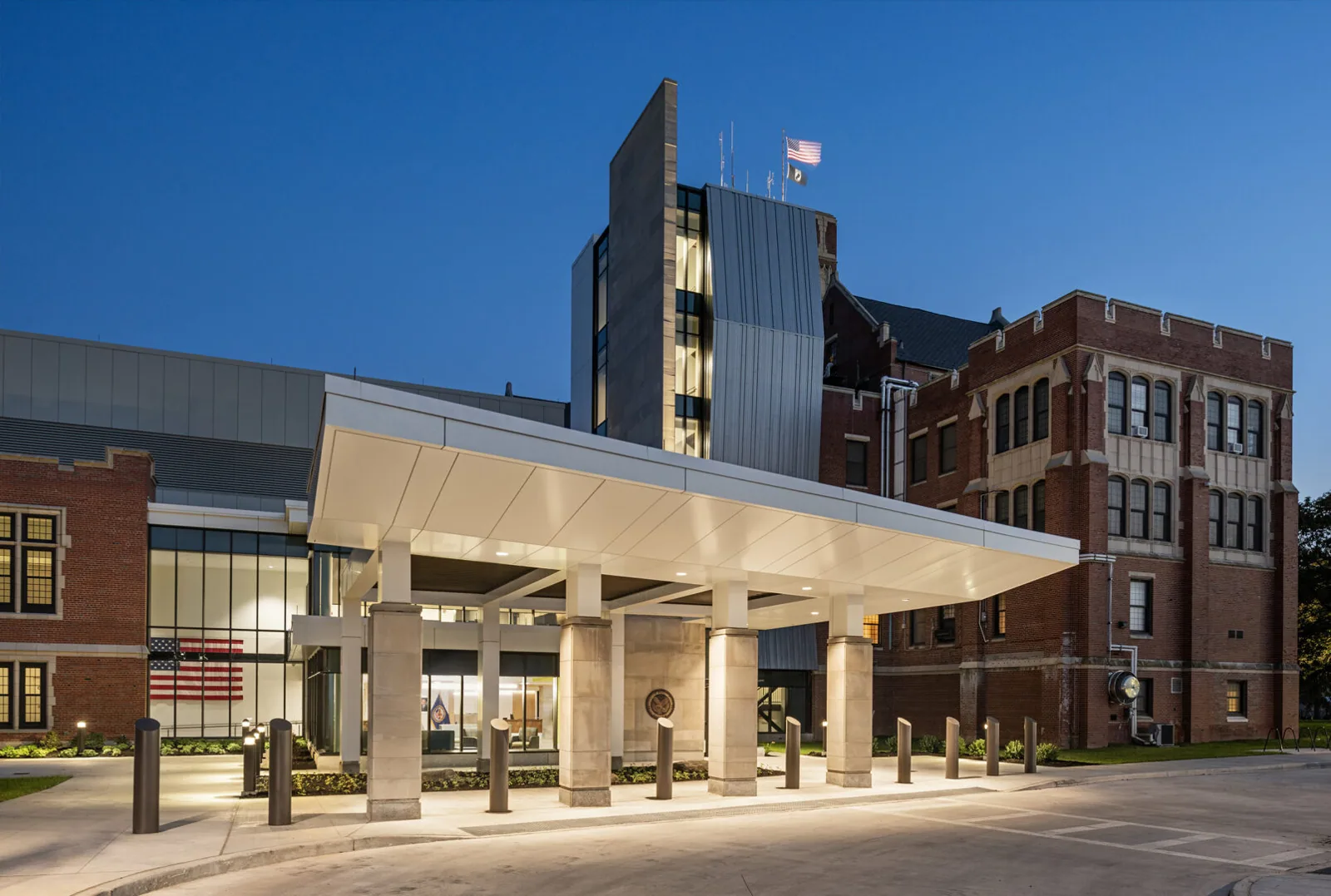
The former Onizuka Air Force Station site was divided among education, Veterans Affairs, Fire Station 5 and city uses. That history helps identify possible agency interfaces near Onizuka Crossing and the Mathilda gateway. Current authority, occupied use and roof condition still require confirmation at the individual building.
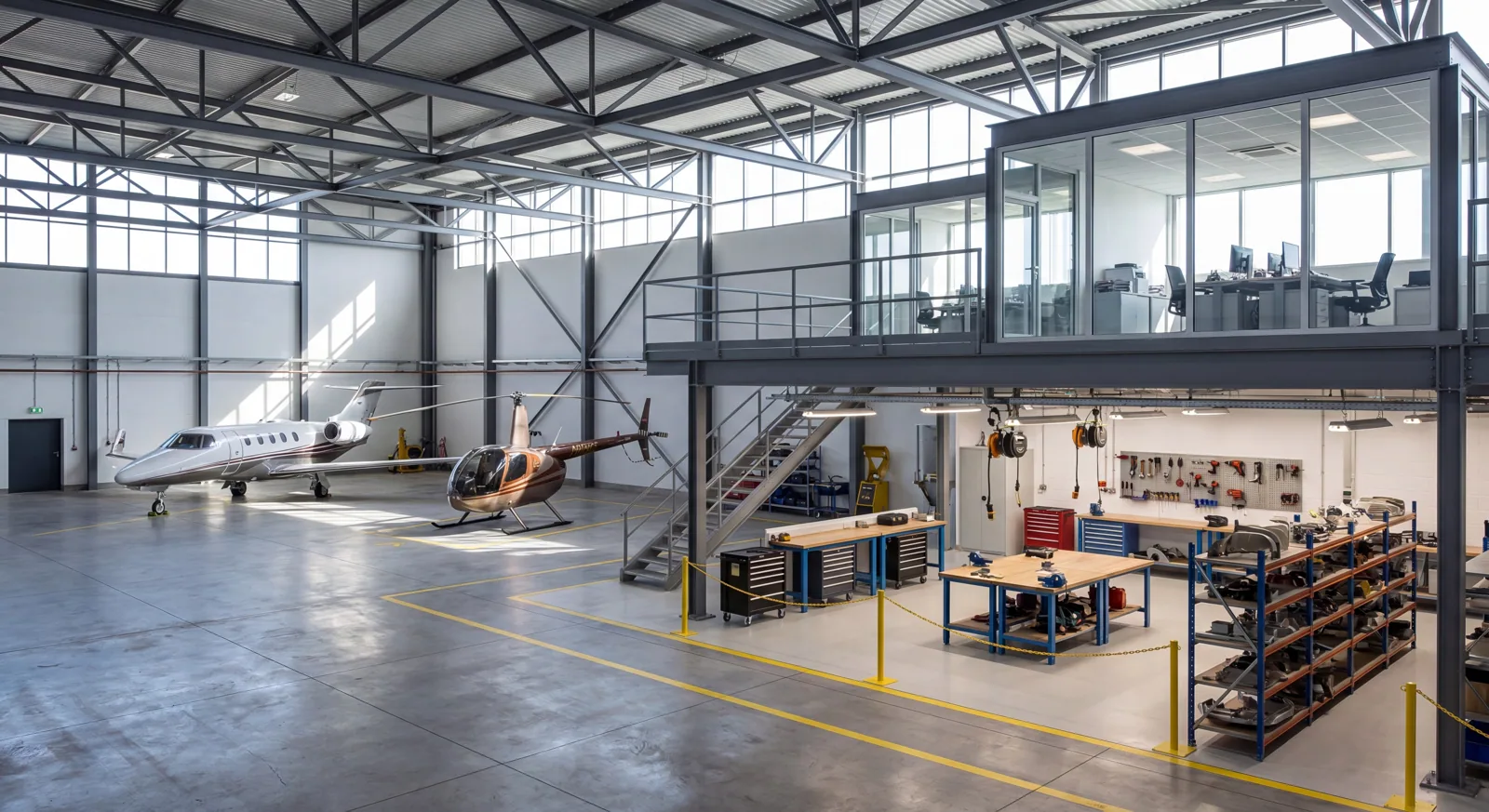
A public agency can own the building while another department operates the equipment or controls roof entry. We establish the property contact, access procedure and parties responsible for utilities before inspection. An equipment enclosure may need separate authorization even after general roof access is granted. The condition report records what was examined, what remained inaccessible and the additional investigation needed. An agency reviewer should be able to distinguish a full roof survey from a constrained visit.
Roof work for public classrooms and roofing for Veterans Affairs medical buildings can involve different approval and operational requirements. The appropriate authority and submission basis must be established for the actual property. We coordinate the roof findings needed for that process without treating a city address as proof that all approvals follow the same route.
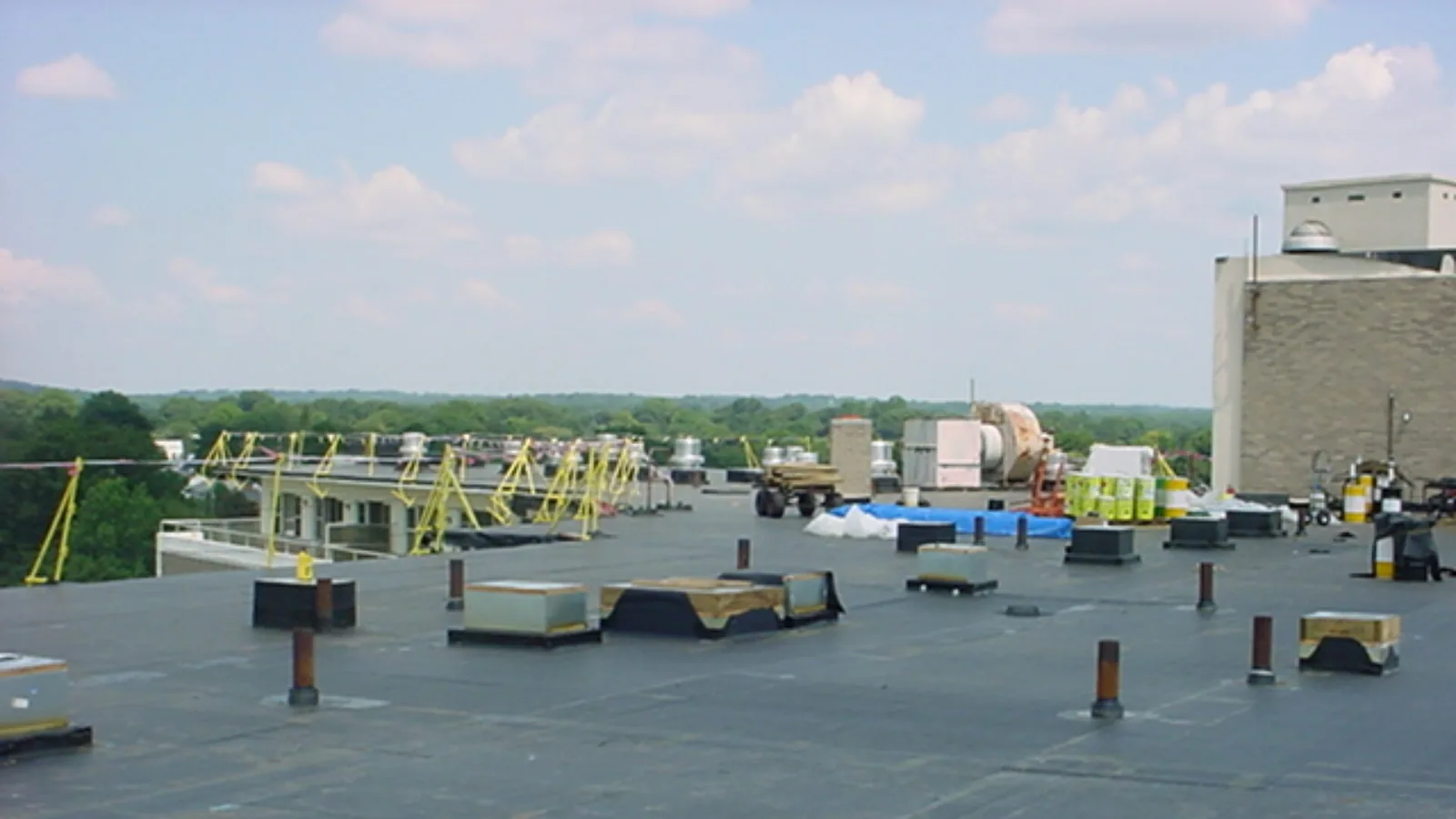
A photograph of a damaged seam should identify its location and the extent to be repaired. We examine the field material, seam condition, adjoining flashing and visible attachment before specifying a task. Moisture suspected beneath the membrane may require a targeted opening or suitable survey. The resulting removal boundary belongs in the scope, with inaccessible areas marked for further investigation rather than represented as confirmed dry roofing.
Agency roof condition documentation includes the particular connections found, not a generic list of roof components. We distinguish loose boots from unsupported closures and deteriorated curb flashing. That separation allows a reviewer to understand which work is roofing, which needs an equipment provider and which requires a designer before procurement can be finalized.
The agency may also need a record suitable for future equipment alterations. We mark completed and abandoned roof openings so a later service provider can locate them accurately. Photographs taken before equipment is returned show concealed flashing faces that a final overhead image might miss. Outstanding utility or equipment tasks remain explicit in the handover. That record supports the next facility decision without implying that every rooftop component was included in the repair.
A material delivery can interrupt the entrance used by visitors seeking a public service. We walk the planned staging location with the facility representative and identify protected paths, accessible entrances and emergency routes. The agency supplies operating restrictions and security requirements. We describe demolition noise, equipment movement and any roof opening above occupied rooms. Public communication and service relocation remain agency decisions informed by those work effects. The closeout should distinguish public-facing restrictions from secure-area rules and identify which official can release each zone. Record the official review date alongside every scoped revision.
Onizuka's former location at State Route 237 and North Mathilda Avenue lies at the gateway into Moffett Park. Access near that employment district needs the actual building approach reviewed rather than assumed from the corridor. Reroofing with public services continuing uses defined closure boundaries and daily handovers so facility staff know which roof routes and rooms remain restricted.
The facilities representative should map public counters, hearing rooms and secure work areas against the proposed roof phase. Confirm background checks, escort rules, delivery screening and any public-notice period before a crew or lift is scheduled. Keep the accepted work authorization, scope revision and payment milestone in the record required by the public owner. If a concealed condition changes quantities, identify the approval authority before proceeding beyond the original funded boundary.
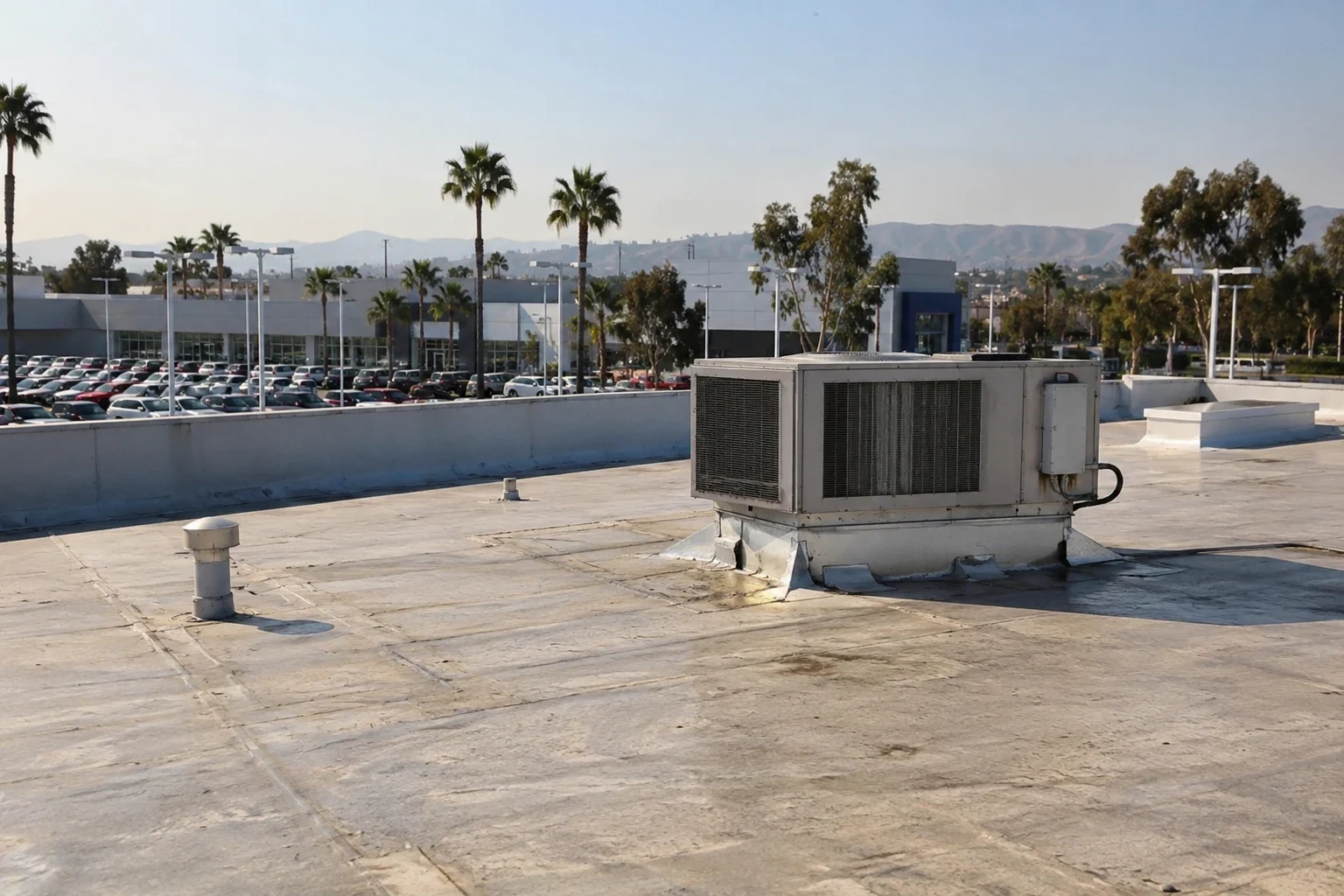
An antenna support or conduit route can carry forces the membrane is not intended to resist. We inspect its roofing contact and explain damage at the waterproofing connection. Structural restraint, utility isolation and equipment adjustment belong to the responsible designers and trades. Roof equipment support coordination must identify those tasks before a boot or curb is renewed. Covering a loose support with extra roofing does not correct its mounting.
A replacement unit may have different dimensions or service clearance. We compare the required opening with existing roof slope, drains and access. The equipment trade provides its mounting and connection information; the design review resolves support needs; we complete the specified waterproofing interface. The agency approves service interruption and confirms who tests operation after reconnection.
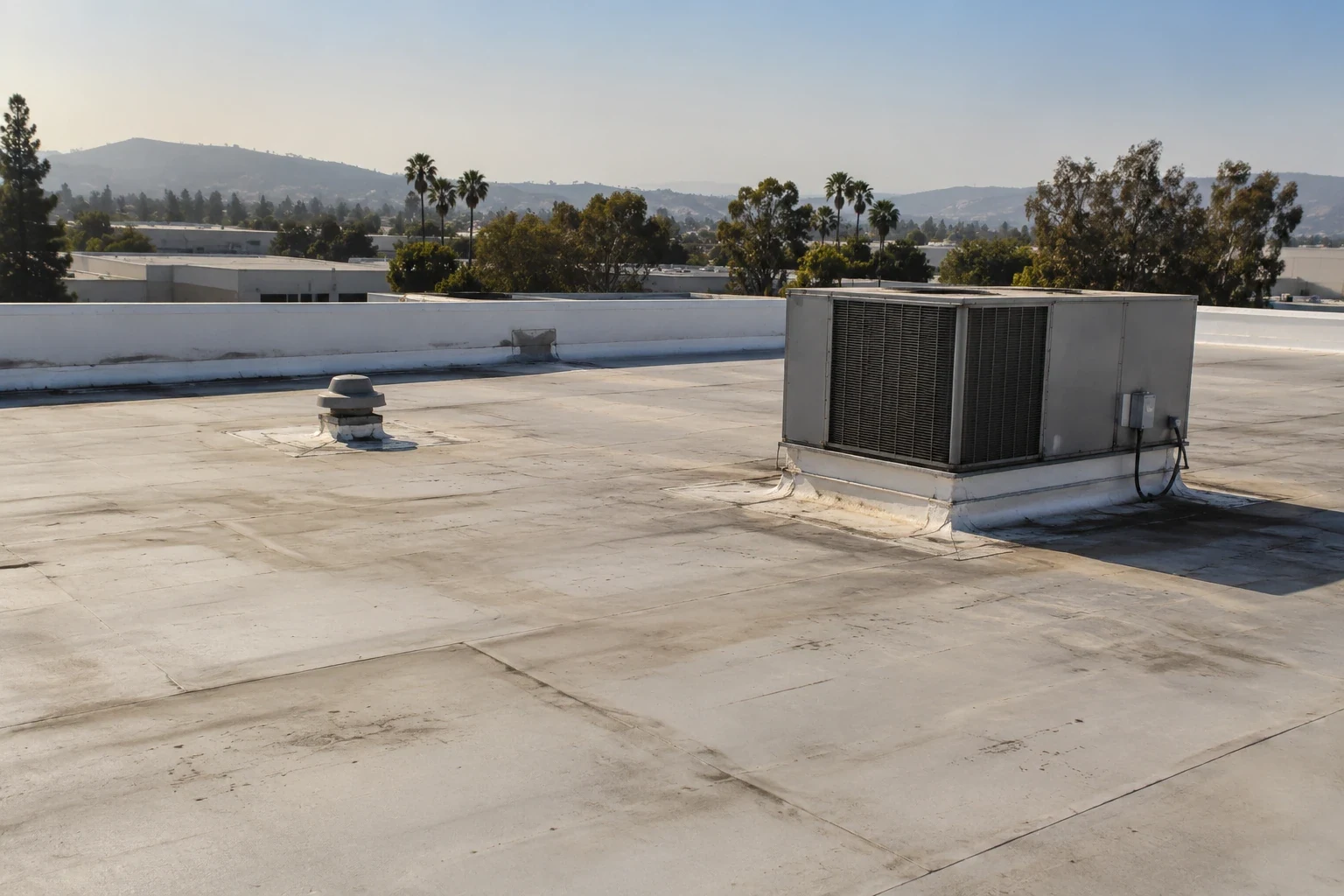
Localized damage in a serviceable roof can support repair. Widespread seam distress, wet insulation or insufficient attachment may require more extensive investigation before comparing recover, restoration and replacement. We show the observed assembly and the limitations of each option. A coating needs a suitable surface and cannot replace correction of trapped moisture or defective support. Recover depends on the condition and permitted retention of the layers below it.
Sunnyvale receives much of its rain in the cooler-season months. The agency can schedule drain access and roof-detail investigation before sustained rain, while leaving time for its approval process. Hidden pipe conditions need the appropriate plumbing assessment. Drain relocation or slope alteration must be reviewed against the assembly and structural constraints, rather than offered as a simple membrane maintenance task.
Permit and design submissions should identify the authority that actually reviews the facility and the standards it accepts for the work. Energy obligations vary with alteration scope, selected compliance approach and applicable exceptions. Government ownership does not by itself settle those requirements. The agreed scope should record design tasks, approvals and agency access restrictions beside the roofing work so bidders and reviewers evaluate the same project boundaries.
The report supplies roof locations, photographs and specific corrective tasks with investigation limits stated. The agency determines its procurement format and any required design documents. We can coordinate roofing observations with that process, keeping provisional findings distinct from quantities established through accessible inspection.
The relevant reviewing authority and project design team establish the accepted basis for the particular facility and work. Ownership type, location and alteration scope all need confirmation. We provide roof assembly information and coordinate the specified installation, rather than assuming city or federal requirements from an address alone.
Roof response is available at any hour, including weekends and holidays, but safe and authorized access still needs coordination. The facility identifies its access contact and indoor hazards. We assess immediate protection and explain the subsequent roofing repair, with approval and security requirements maintained for the agency.
Newly exposed conditions are photographed and described with their location and proposed work extent. We notify the authorized agency representative before expanding the scope. Structural issues may require design input, while the roofing sequence must provide suitable temporary closure until the required decision and corrective work are complete.
Set up a roof walk with the agency facility contact and access requirements. We will mark observed defects on a roof plan and provide a photographed repair list with trade responsibilities and approval needs identified for agency review.